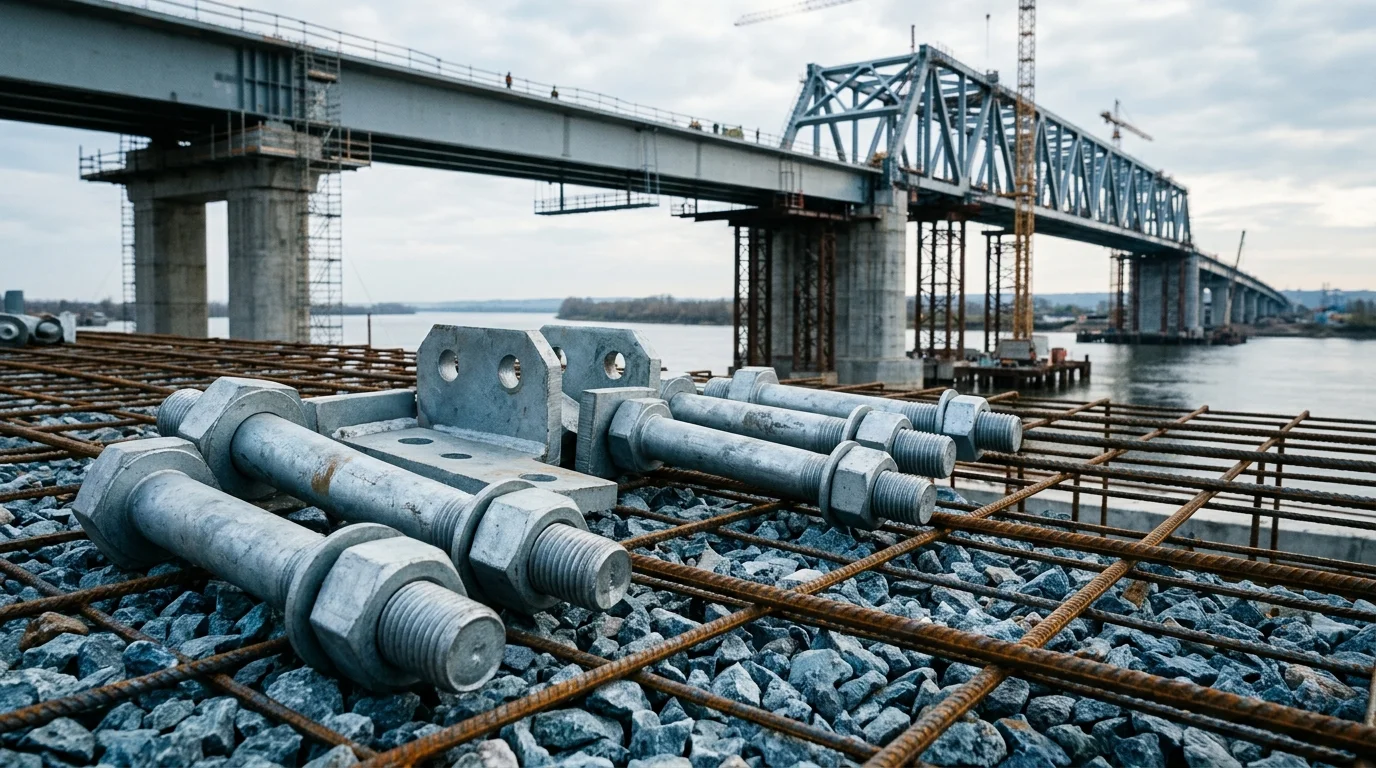
Grain Dryer Fasteners: Real Selection Logic for 50-85°C Humid Service
The hot-air section of a dryer tower is not a high-temperature environment—hot air is only 50-85°C (GB/T 21015-2023). The real threats are humid + weak-acid corrosion, daily thermal cycling, and weld sensitization of stainless steel.
RISK AUDIT // ENGINEERING DIAGNOSIS
Procurement Pitfall Guide
"Common procurement mistakes that lead to premature fastener failure in dryer towers."
QC-AUDIT // REV.5
SCALE 1:1 · 03 ITEMS
RISK-01
Preload Decay of Bolts in Dryer Medium-Temperature Section During Thermal Cycling
Corrective Measures
RISK-02
High-Temperature Oxidation and Corrosion Cause Premature Fastener Failure
Corrective Measures
✅ Never use electroplated zinc (5-8μm penetrates in 1-2 years in weak-acid condensate); ✅ assess zinc loss per ISO 9223; use 304 directly in coastal/high-humidity regions.RISK-03
Thermal Expansion Coefficient Mismatch Leads to Preload Relaxation and Leakage
Corrective Measures
✅ the 50-85°C tower hot-air section is corrosion-dominated; heat-resistant steels and Invar are unnecessary.FIELD-SPECIFIC INSIGHT
Dryer-Tower Temperature Reality: Hot-Air Section Is Only 50-85°C
Temperature zoning in a dryer tower: the hot-air section is only 50-85°C (GB/T 21015-2023, per-grain tiers); high temperatures exist only in the furnace hearth. The real failure drivers for tower fasteners are humid + weak-acid corrosion, daily start-stop thermal cycling, and weld sensitization—not high-temperature oxidation.
WHAT TO CHECK
- 1Hot-air-section flanges/walls (50-85°C): hot-dip galvanized (≥40μm) or 304; electroplated zinc penetrates in 1-2 years under weak-acid condensate.
- 2Stainless welds (sensitization range 425-815°C): choose 304L low-carbon + acid pickling/passivation to prevent intergranular corrosion.
- 3Furnace hearth (several hundred °C): complete equipment—heat-resistant steel/ceramic-fiber seals supplied by the OEM.
| Check | Why it matters | What to specify |
|---|---|---|
| Operating temperature range | Hot-air section is only 50-85°C—heat-resistant steels are not needed for the tower | Specify the per-grain hot-air tier per GB/T 21015-2023 |
| Start-stop cycle frequency | Multiple daily cycles → thermal cycling → preload decay | Request preload-retention data after thermal cycling from the supplier |
| Media environment | High humidity + weak-acid condensate accelerates coating loss; dusty airflow adds abrasion | Assess zinc loss per ISO 9223; specify 304 (A2-70) for food-contact parts |
| Installation preload control | Too high overstresses; too low leaks | Define torque/preload range; install with a torque wrench |
INDUSTRY TECH REFERENCE
Three Temperature Readings in the Tower: Which One Drives Selection
Temperature inside a dryer tower is not uniform — the hot-air section, grain bed, and hearth each have their own figure, and fasteners face only one of them.
Temperature tiers follow GB/T 21015-2023; the 425–815°C range is a welding-process temperature, not a service condition.
INDUSTRY TECH REFERENCE
Dryer-Tower Fasteners by Location: Material, Duty, and Inspection
Tower fasteners split by location: the hot-air section, weld zones, walls, and food-contact parts take different materials and different acceptance criteria.
| Location | Size | Material/coating | Duty / key parameter | Locking, corrosion protection and inspection |
|---|---|---|---|---|
| Hot-air distributor / corner-box bolts | M8–M12 | hot-dip galvanized (threads ≥40 μm) or 304 | 50–85°C humid air + weak-acid condensate | preload sampling at the annual shutdown (thermal-cycling decay) |
| Stainless weld joints | per weld | 304L/316L low-carbon | exposed to 425–815°C during welding (sensitization range) | acid pickling/passivation after welding against intergranular corrosion |
| Tower wall / flange bolts | M8–M12 | hot-dip galvanized carbon steel (threads ≥40 μm) | high humidity + weak-acid condensate film | no electroplated zinc (it penetrates fast under weak acid) |
| Food-contact parts | per part | 304 (A2-70) | food contact — zinc/iron ions must not enter the product | surface Ra <3.2 μm; never grind off rust when replacing (a rough surface traps residues) |
No magnitude estimates are introduced in this table.
INDUSTRY TECH REFERENCE
The Sensitization Chain: How a 304 Weld Rots in Humid Heat
For stainless corner boxes and ducts the problem is not strength — it is what the welding seconds leave behind. The chain runs:
- 1304/316 corner boxes and ducts are welded; the weld heat-affected zone briefly sits in the 425–815°C range
- 2Cr₂₃C₆ precipitates at grain boundaries, tying up chromium and leaving a Cr-depleted zone beside the weld (most sensitive at 650°C)
- 3No solution treatment after welding — the depleted zone stays in place
- 450–85°C humid heat and weak-acid condensate cover the weld surface
- 5The Cr-depleted zone corrodes first → intergranular corrosion beside the weld → lost joint strength and sealing
- 6Fix: switch to 304L/316L low-carbon grades, or acid-pickle and passivate the weld zone
The sensitization mechanism and its temperature range (425–815°C, most sensitive at 650°C) are published-literature findings, not magnitude estimates.
INDUSTRY TECH REFERENCE
Annual Shutdown: Four Checks for Dryer-Tower Fasteners
A dryer tower sees many start-stop rounds every day — run these four checks at each shutdown to catch problems early.
- Sample preload on hot-air distributor bolts: the daily start-stop thermal cycle slowly drains preload — compare samples against the installation record
- Check coating consumption: under weak-acid condensate zinc is lost at about 5–10 μm/year (magnitude estimate); once it penetrates, the steel corrodes and the section shrinks → fracture under vibration → retaining strips come off and grain spills
- Inspect stainless weld zones: the early signs of intergranular corrosion are flaking and micro-cracks beside the weld — a visual check catches them
- Verify material traceability: confirm 304 (A2-70) on food-contact parts; never electroplated zinc (a 5–8 μm layer penetrates in about 0.5–1.6 years under weak-acid condensate)
The ~5–10 μm/yr zinc loss and the ~0.5–1.6-year penetration of a 5–8 μm electroplated-zinc layer are both magnitude estimates.
INDUSTRY TECH REFERENCE
Why Dryer-Tower Fasteners Do Not Need Heat-Resistant Steel
Before choosing, clear away a common myth: the hot-air section of the tower is only 50–85°C.
Oxidation and creep of carbon steel are negligible at 50–85°C — tower fasteners do not need heat-resistant steel or high-temperature alloys. Several-hundred-degree heat exists only in the furnace hearth, which is complete-equipment territory, supplied by the OEM with heat-resistant steel and ceramic-fiber seals. The real selection variables on the tower are three: humid + weak-acid corrosion, the daily start-stop thermal cycle, and weld sensitization of stainless steel. Once you confirm the per-grain hot-air tier in GB/T 21015-2023, hot-dip galvanized carbon steel (threads ≥40 μm) covers the hot-air section, and food-contact parts take 304 (A2-70).
"Carbon steel oxidation and creep are negligible at 50–85°C" is an engineering conclusion, not a magnitude estimate; hot-dip-galvanized threads ≥40 μm per GB/T 5267.3.
PLAN COMPARISON
Three-Plan Core Parameter Comparison
Compare row by row. Click column headers to jump to plan details.
| A · Plan A · Hot-Dip Galvanized Carbon Steel Bolts (304 for Food Contact) | B · Plan B · 304L Low-Carbon Stainless (Weld Anti-Sensitization) | C · Plan C · Furnace Body (Complete Equipment, OEM-Supplied) | |
|---|---|---|---|
| 1. HOT-DIP GALVANIZED CARBON STEEL BOLT | |||
| SPEC | M16-M24 | M8-M12 | per furnace design |
| MATERIAL | carbon steel + hot-dip galvanized (≥40μm) | 304L (A2-70) | heat-resistant steel / ceramic fiber |
| GRADE | 8.8 | A2-70 | — |
SELECTION GUIDE
How to Choose Fasteners for Real Dryer-Tower Service?
| Operating condition | Recommended option | Key basis |
|---|---|---|
| Hot-air-section flange/wall connections at 50-85°C with high humidity and weak-acid condensate (ISO 9223 service class C3/C4) | Plan A — hot-dip galvanized carbon steel bolts: grade 8.8, M16-M24, ≥40μm zinc on threads (GB/T 5267.3) | GB/T 21015-2023: hot-air section is only 50-85°C and corrosion-dominated; hot-dip zinc ≥40μm lasts 4-10 years vs electroplated zinc 5-8μm penetrating in 1-2 years |
| Food-contact or weak-acid condensate parts within the 50-85°C hot-air section | 304 stainless steel bolts, A2-70, M8-M16 | A2-70 (304) property class per GB/T 3098.6; specified for food-contact parts of the hot-air section |
| Stainless hot-air distributor/duct welds — weld HAZ exposed to 425-815°C (sensitization range) during fabrication | Plan B — 304L low-carbon stainless bolts: A2-70, M8-M12, plus acid pickling/passivation after welding | 304 weld HAZ at 425-815°C forms Cr₂₃C₆ grain-boundary precipitation (Cr depletion) → intergranular corrosion under humidity + weak acid; 304L carbon ≤0.03% suppresses sensitization |
| Furnace/combustion chamber — hearth at several hundred °C | Plan C — heat-resistant steel bolts / ceramic-fiber seals, supplied by the furnace OEM as complete equipment | Furnace-body parts are OEM-supplied complete equipment outside fastener procurement scope; procurement covers only the 50-85°C tower hot-air section (Plans A/B) |
Plan A · Hot-Dip Galvanized Carbon Steel Bolts (304 for Food Contact)
Service class C3/C4 per ISO 9223: hot-air section at 50-85°C with high humidity and weak-acid condensate; thermal cycling from daily start-stop.
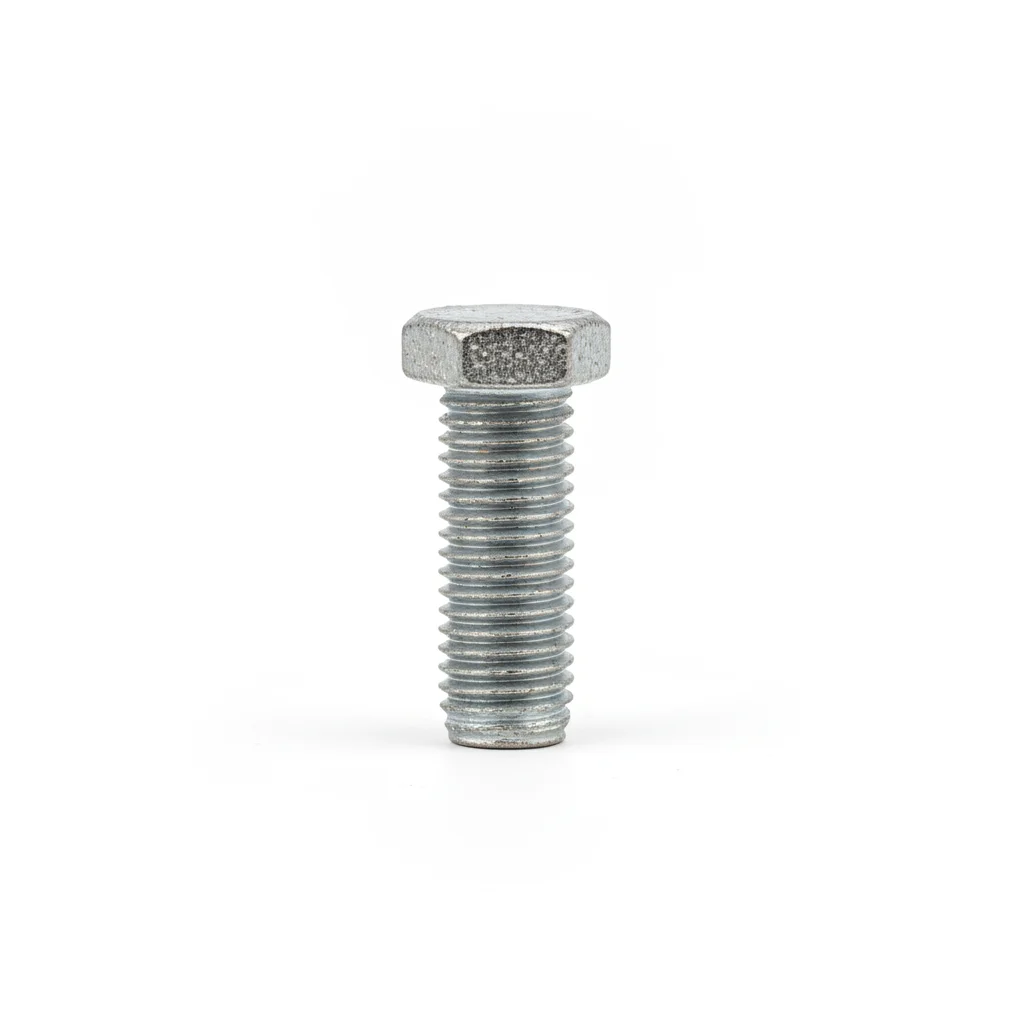
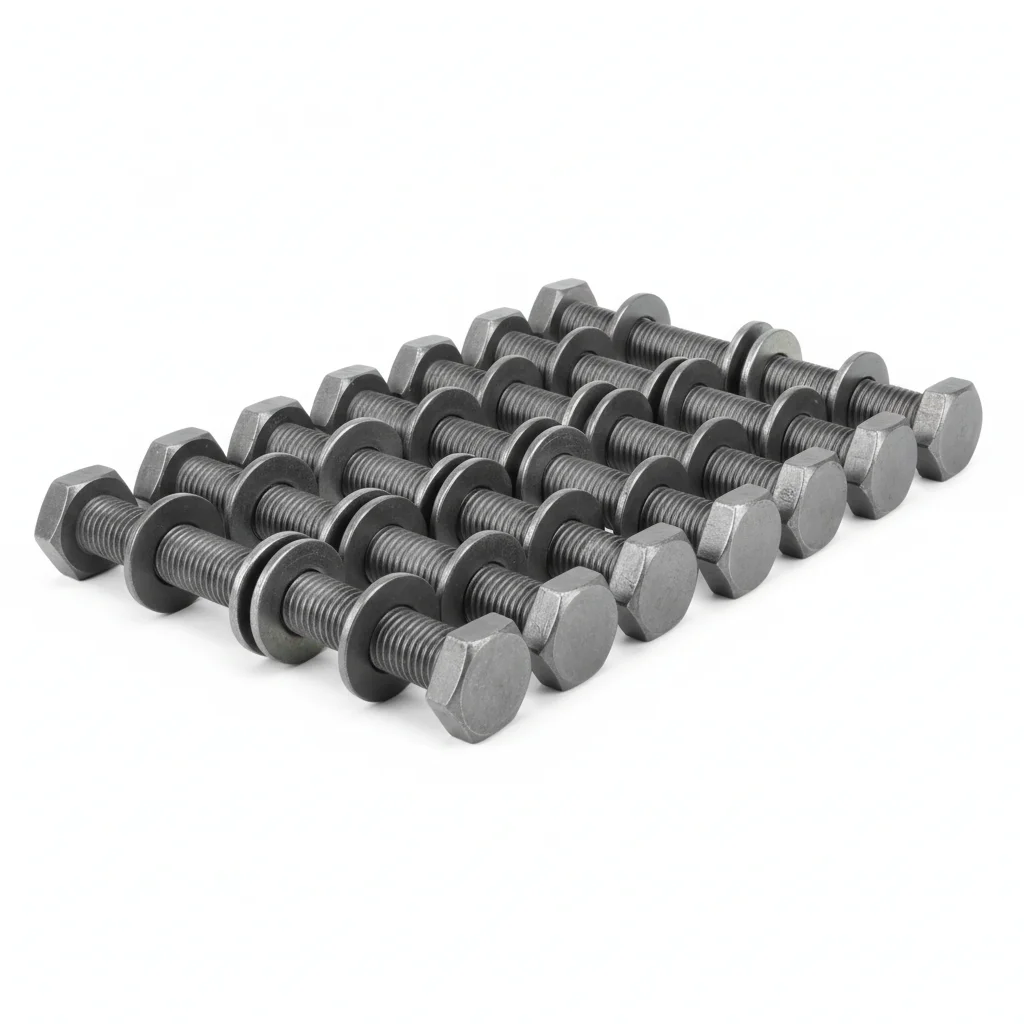
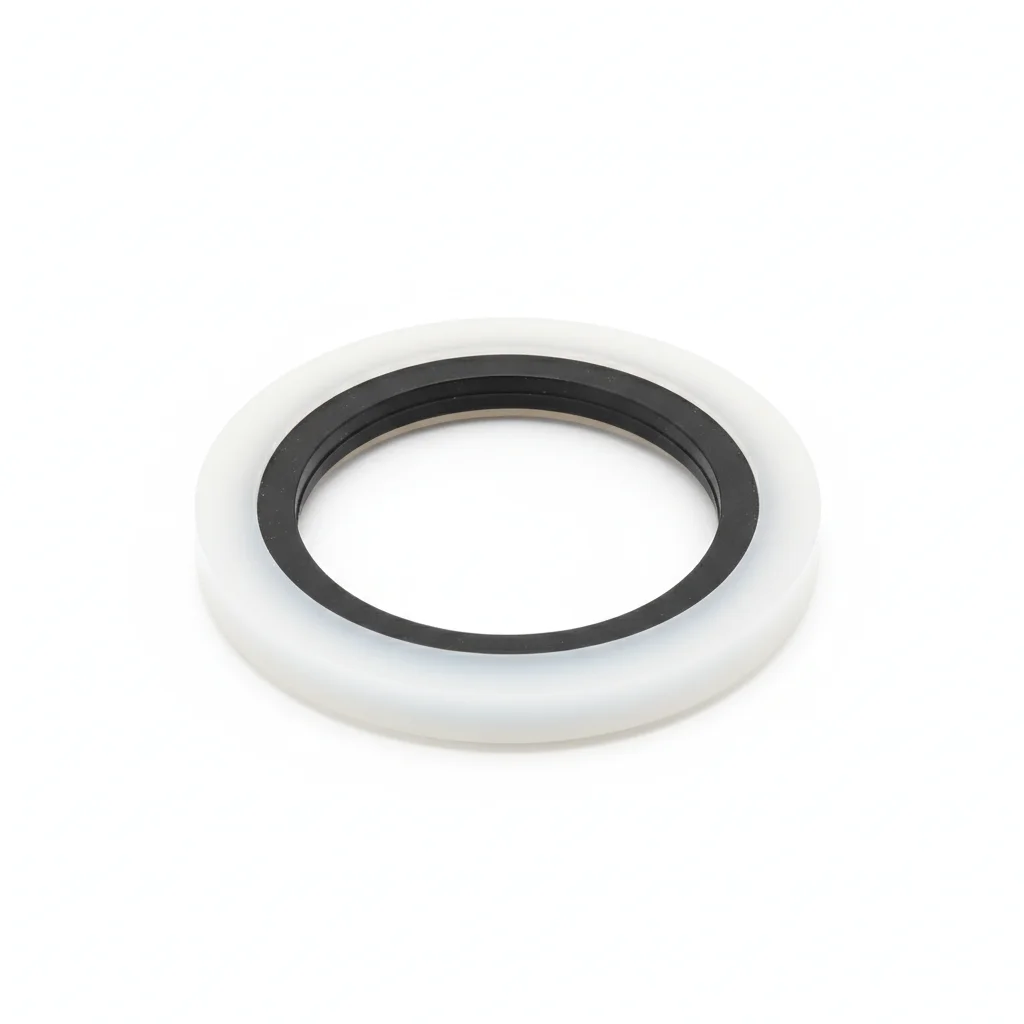
| Hot-Dip Galvanized Carbon Steel Bolt | 304 Stainless Steel Bolt | EPDM / Food-Grade Gasket | |
|---|---|---|---|
| SPEC | M16-M24 | M8-M16 | per flange |
| MATERIAL | carbon steel + hot-dip galvanized (≥40μm) | 304 (A2-70) | EPDM/PTFE |
| GRADE | 8.8 | A2-70 | — |
| USE | flange/wall connections | food-contact / weak-acid condensate parts | flange sealing against condensate |
PROCEDURE
- Clean flange faces and bolt holes of dust and debris before assembly.
- Apply anti-seize compound to threads of hot-dip galvanized bolts to prevent galling during installation.
- Torque M16-M24 bolts to the specified preload using a calibrated torque wrench, following a crisscross pattern for even clamp load.
- Use EPDM or food-grade gaskets on flanges to seal against weak-acid condensate, ensuring proper alignment.
- For food-contact areas, use 304 (A2-70) bolts and verify they are marked and free of surface contamination.
- After initial tightening, re-check torque after a thermal cycle to confirm preload stability.
COMMON ERRORS
| ✕ WRONG | CONSEQUENCE | ✓ CORRECT |
|---|---|---|
| Using electroplated zinc bolts (5-8μm coating) for hot-air-section flanges. | Zinc layer penetrates within 1-2 years under weak-acid condensate, causing rapid corrosion and bolt failure. | Specify hot-dip galvanized bolts with ≥40μm coating on threads per GB/T 5267.3. |
| Mixing 304 stainless steel bolts with galvanized carbon steel nuts without proper insulation. | Galvanic corrosion at the interface accelerates zinc depletion and reduces fastener life. | Use matching materials or isolate dissimilar metals with appropriate washers or coatings. |
| Over-torquing 304 bolts beyond A2-70 yield strength. | Thread stripping or bolt fracture, leading to joint leakage and downtime. | Follow specified torque values for A2-70 grade and use a torque wrench. |
MAINTENANCE
Seasonally, during shutdown, inspect bolts for zinc loss or corrosion; replace bolts showing >20% preload decay. For food-contact 304 parts, verify no pitting or discoloration. Replace gaskets if hardened, cracked, or compressed >30% of original thickness.
Plan B · 304L Low-Carbon Stainless (Weld Anti-Sensitization)
50-85°C humid weak-acid service with welded stainless hot-air distributors; weld HAZ sensitization risk from 425-815°C exposure during fabrication.
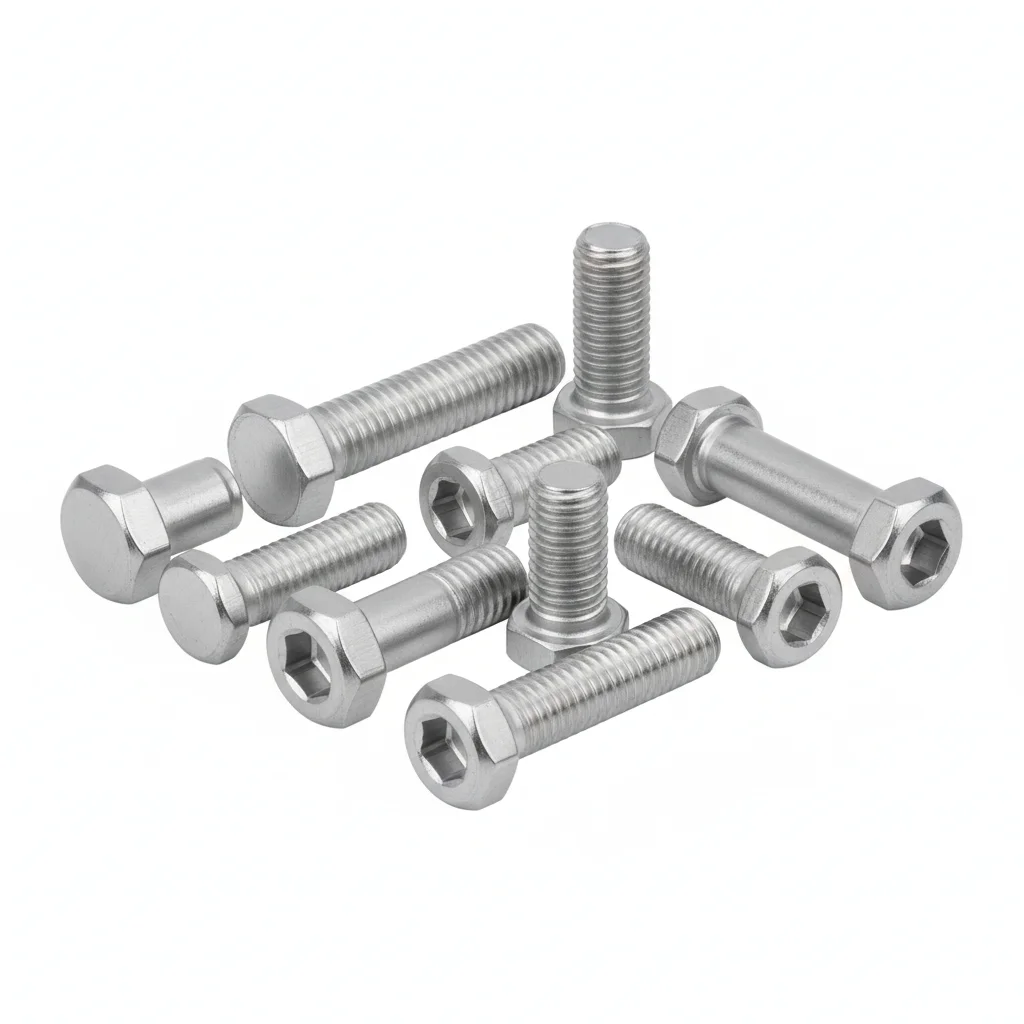
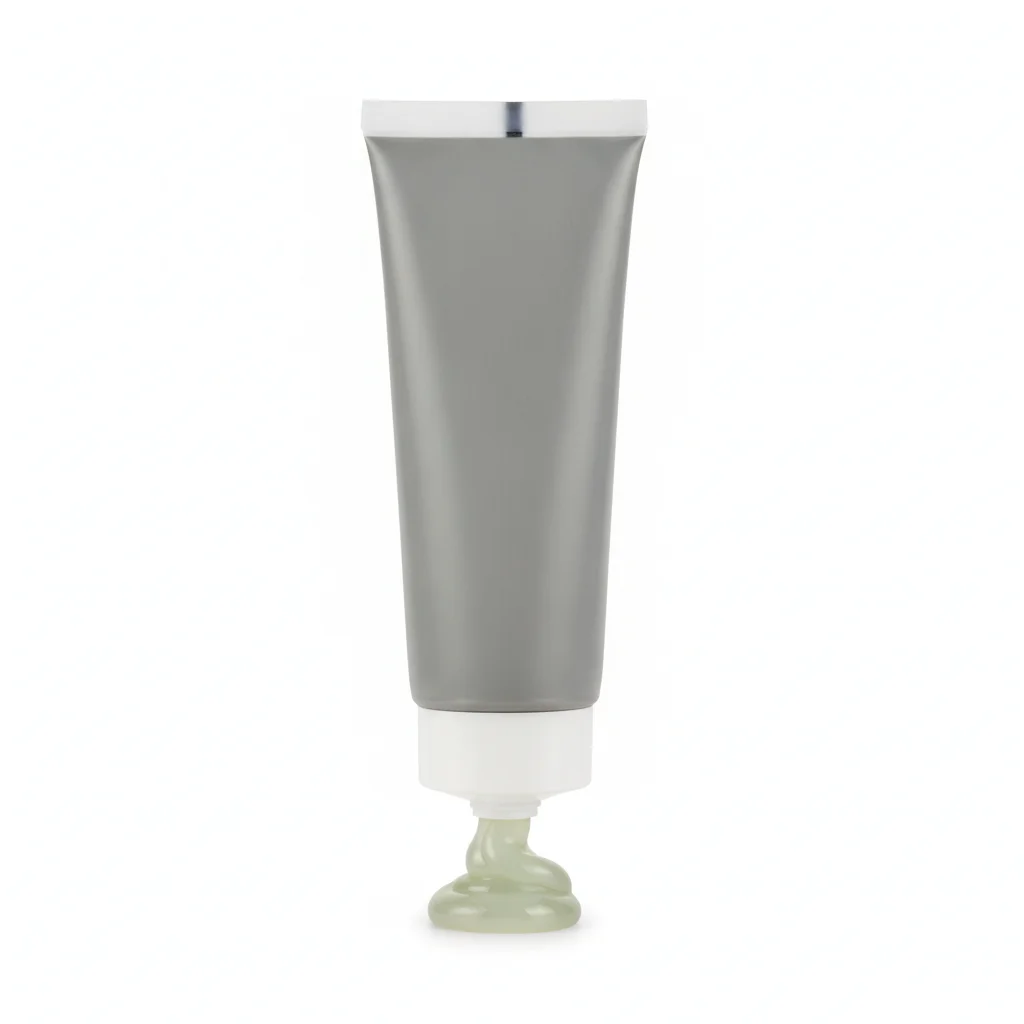
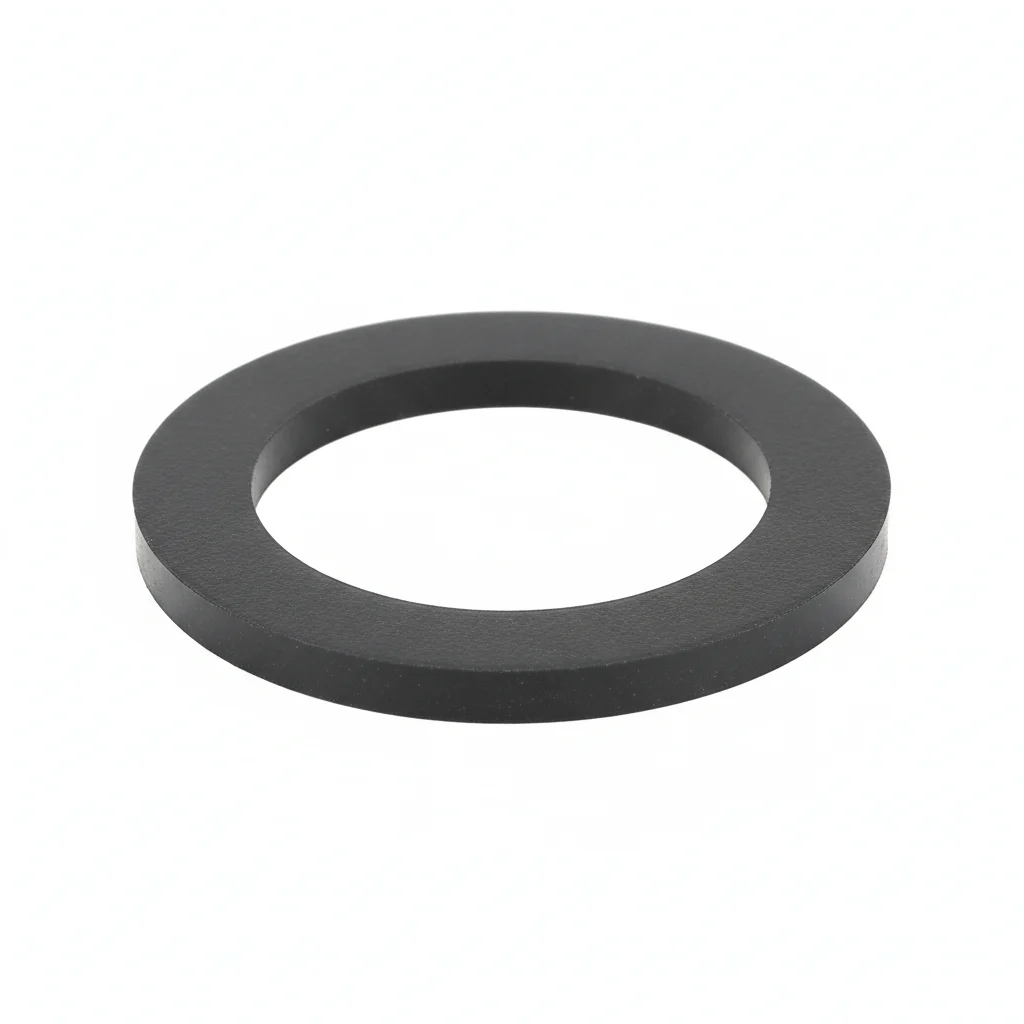
| 304L Bolt | Pickling/Passivation Paste | EPDM Sealing Washer | |
|---|---|---|---|
| SPEC | M8-M12 | per weld area | per bolt |
| MATERIAL | 304L (A2-70) | nitric + HF system | EPDM |
| GRADE | A2-70 | — | — |
| USE | corner box / duct connections | post-weld passivation | seal against weak-acid condensate |
PROCEDURE
- Verify incoming 304L bolts carry A2-70 grade marking and carbon content ≤0.03% per material certificate.
- Clean weld zones and bolt holes of slag, oil, and organic residues before assembly.
- Align corner-box or duct flanges squarely; insert 304L bolts with EPDM sealing washers under head and nut.
- Tighten in a crisscross pattern to the torque specified for A2-70 on the dryer drawing; avoid over-torque that strips threads.
- Apply pickling/passivation paste to all weld seams and heat-affected zones after welding, per paste dwell-time instructions.
- Rinse passivated areas with demineralized water and allow to dry before closing access panels.
COMMON ERRORS
| ✕ WRONG | CONSEQUENCE | ✓ CORRECT |
|---|---|---|
| Using standard 304 (not 304L) bolts near weld zones that experienced 425-815°C. | Chromium carbides precipitate at grain boundaries, depleting Cr below 12% and enabling intergranular corrosion under humid weak-acid condensate. | Specify 304L with carbon ≤0.03% for all stainless parts adjacent to welds to suppress sensitization. |
| Skipping acid pickling/passivation after welding or field modification. | Heat tint and oxide scale leave a Cr-depleted surface layer that corrodes preferentially in humid service. | Treat every weld area with pickling/passivation paste, then rinse thoroughly per the product instructions. |
| Reusing EPDM sealing washers that show compression set or cracking from prior thermal cycling. | Weak-acid condensate seeps past the seal and attacks the bolt thread and flange face. | Fit new EPDM sealing washers at each reassembly and inspect for hardness or cracks before torquing. |
MAINTENANCE
At each seasonal shutdown, inspect weld-adjacent bolts and flanges for rust streaks or crevice corrosion; reapply passivation paste to any weld area where the oxide film was disturbed, and replace EPDM washers showing hardening or cracking.
Plan C · Furnace Body (Complete Equipment, OEM-Supplied)
Furnace and combustion chamber operate at several hundred °C; parts are OEM-supplied complete equipment using heat-resistant steel and ceramic-fiber seals.
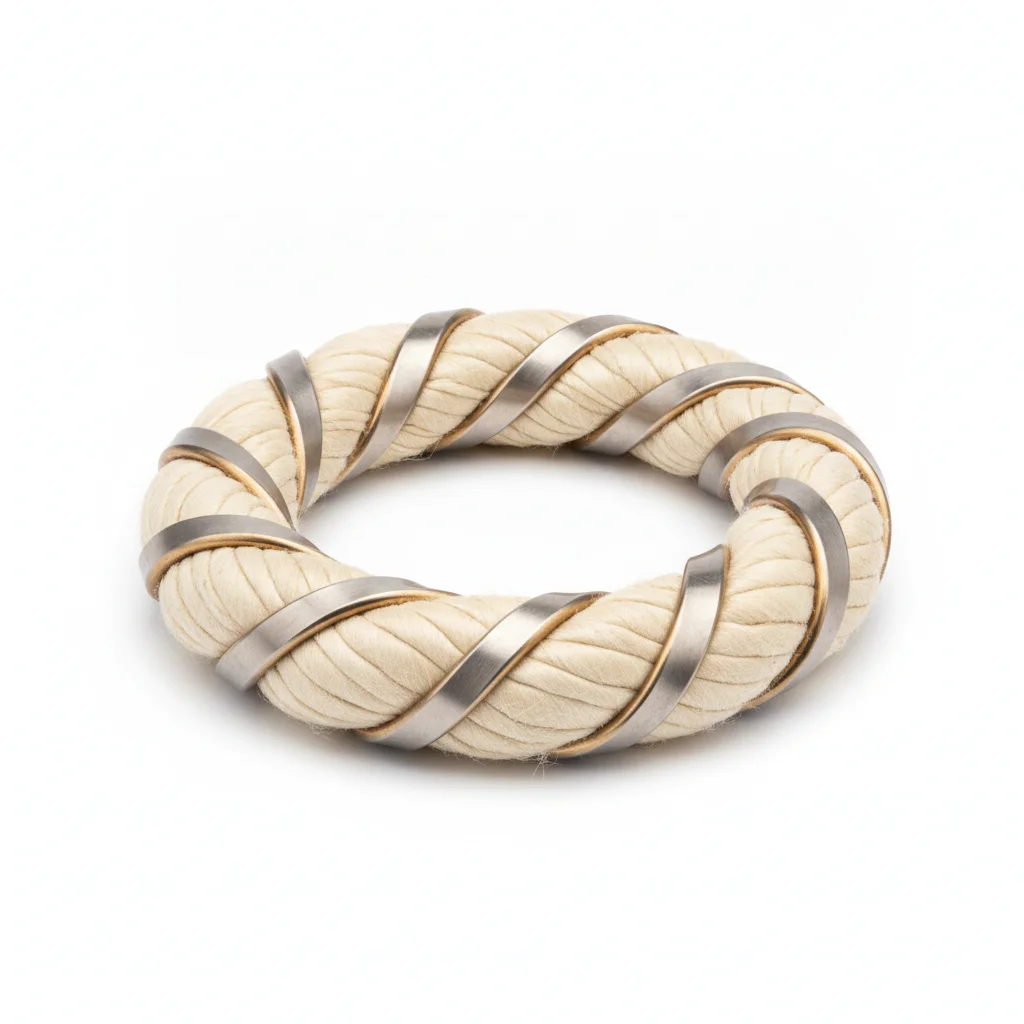
| Heat-Resistant Steel / Ceramic-Fiber Seals | |
|---|---|
| SPEC | per furnace design |
| MATERIAL | heat-resistant steel / ceramic fiber |
| GRADE | — |
| USE | furnace body (OEM-supplied) |
PROCEDURE
- Confirm furnace-body fasteners and seals are supplied by the OEM to the dryer model's design; do not substitute generic fasteners.
- During OEM-directed overhaul, record the arrangement and torque of heat-resistant steel bolts before removal.
- Inspect ceramic-fiber seals for micro-cracks or crumbling; replace only with OEM-specified components.
- Reinstall furnace access panels using OEM-provided heat-resistant bolts; tighten to the OEM torque procedure.
- After reassembly, perform a cold-leak check on furnace seals before returning to service.
COMMON ERRORS
| ✕ WRONG | CONSEQUENCE | ✓ CORRECT |
|---|---|---|
| Substituting ordinary stainless or galvanized bolts for OEM heat-resistant steel fasteners in the furnace body. | Bolts oxidize or lose strength at several hundred °C, leading to joint failure and hot-air leakage. | Use only OEM-supplied heat-resistant steel bolts or ceramic-fiber seals rated for the furnace design temperature. |
| Over-tightening ceramic-fiber seal retainers, crushing the fiber and reducing its insulating seal performance. | Seal thickness compresses beyond design, allowing hot gas bypass and increasing shell temperature. | Follow the OEM torque specification for ceramic-fiber retainers; do not exceed the stated limit. |
| Ignoring visible micro-cracks in ceramic-fiber seals during routine access. | Cracks propagate with thermal cycling, eventually causing uncontrolled hot-air leaks and efficiency loss. | Replace cracked ceramic-fiber seals at the next scheduled overhaul with OEM parts. |
MAINTENANCE
During each equipment overhaul cycle, inspect furnace-body heat-resistant steel bolts for oxidation scaling or thread galling, and check ceramic-fiber seals for micro-cracks or compression; replace any degraded parts only with OEM-supplied components.
REFERENCED STANDARDS
Technical Basis and Reference Standards
Assembly standard (replaces GB/T 1228-1231-2006 series)
Mechanical properties of fasteners - bolts, screws and studsProperty classes (8.8)
Technical specification for paddy dryingHot-air temperature and grain temperature limits (50-85°C per-grain tiers)
Fasteners - Hot dip galvanized coatings≥40μm on threads (M8-M64)
Mechanical properties of corrosion-resistant stainless steel fastenersA2-70 (304) property class
SUPPLIER CAPABILITY
Quality, Delivery & Customization
Quality Control
- ✓MTC material certificates with every batch
- ✓Key parts sampled for hardness/salt spray/torque coefficient
- ✓100% inspection or AQL sampling before shipment
Delivery
- ✓Standard parts made to order: 7-15 days
- ✓Custom parts: 25-45 days
- ✓FOB/CIF/DDP supported
Customization
- ✓Drawing review and material matching
- ✓Non-standard sizes/heads/threads
- ✓Small-batch prototyping supported
Certification
- ✓Material certificates (MTC)
- ✓Spectrographic analysis reports
- ✓Salt spray test reports (on request)
MOQ: No MOQ for standard parts; custom parts assessed by process complexity
FAQ
Frequently Asked Questions
RELATED READING
Keep Reading & Next Step
BEYOND TECHNICAL SPECS
Finding the right factory, controlling quality, delivering on time — that's the real challenge. We cover fasteners, rubber, plastics, industrial textiles. One team, end to end.
SEE CAPABILITIES →