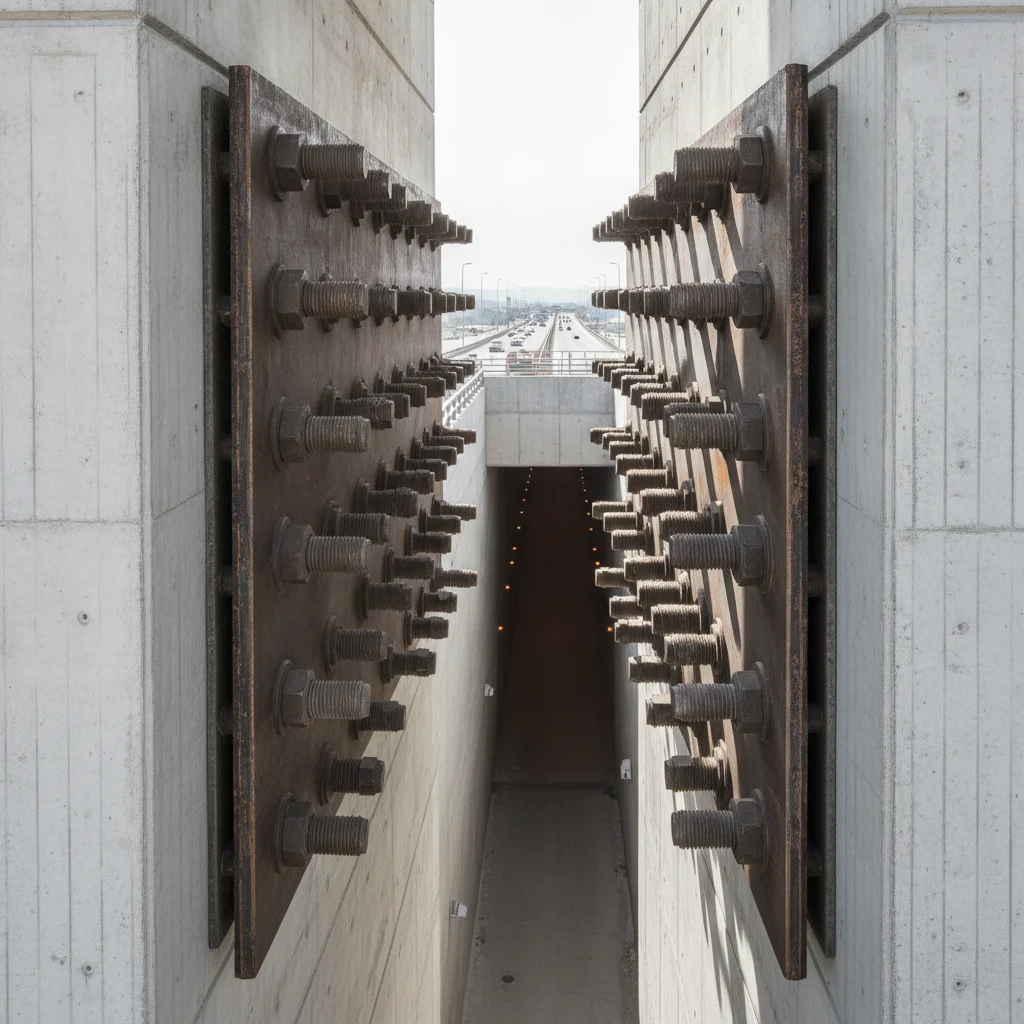
Bridge Bolt Selection: Carbon Steel vs Stainless vs Duplex Steel
In a cross-sea bridge with chloride ion concentration exceeding 50ppm and temperature above 50°C, using 316L instead of 2205 duplex steel bolts led to stress corrosion cracking within 3 years. The stress corrosion resistance of 8.8 grade hot-dip galvanized bolts, 304 stainless steel bolts, and ordinary expansion bolts varies under different working conditions; selection must be based on environmental corrosion level and stress level
RISK AUDIT // ENGINEERING DIAGNOSIS
Procurement Pitfall Guide
"These things happen on the production line every day."
QC-AUDIT // REV.5
SCALE 1:1 · 03 ITEMS
RISK-01
Stress Corrosion Cracking: The Invisible Bridge Killer
Corrective Measures
RISK-02
Fatigue Fracture: Hidden Risk Under High-Frequency Vibration
Corrective Measures
RISK-03
Hydrogen Embrittlement: The Deadly Trap for High-Strength Bolts
Corrective Measures
FIELD-SPECIFIC INSIGHT
SCC Risk Checklist for Bridge Bolt Procurement
Stress corrosion cracking (SCC) is a leading cause of unexpected bolt failure in bridges. The risk depends on chloride concentration, temperature, stress level, and material selection. Use this checklist to verify your bolt specification against SCC conditions
WHAT TO CHECK
- 1Chloride concentration > 50ppm and temperature > 50°C: 304 bolts have higher SCC risk; specify 316L or 2205 duplex
- 2Sustained tensile stress above 50% of yield strength: hydrogen embrittlement risk increases; avoid electro-galvanizing for high-strength bolts
- 32205 duplex steel offers higher SCC resistance than 316L; specify for cross-sea bridges
- 4Fatigue life requirement ≥ 2 million cycles at stress amplitude 150MPa; torque coefficient standard deviation ≤ 0. 010 to ensure preload consistency
- 5Friction surface roughness Ra 50-100μm and friction coefficient ≥ 0.4; otherwise slip risk increases
| Check | Why it matters | What to specify |
|---|---|---|
| Chloride concentration and temperature | SCC risk escalates when Cl⁻ > 50ppm and T > 50°C | Request environmental data; if conditions exceed threshold, specify 2205 duplex or 316L with verified SCC resistance |
| Bolt material and grade | 304 bolts have higher SCC risk in aggressive environments | For coastal or deicing salt areas, specify 316L (A4-80) or 2205 duplex (A4-100) |
| Surface coating process | Electro-galvanizing introduces hydrogen, causing hydrogen embrittlement | Specify Dacromet or hot-dip galvanizing; hydrogen content < 1ppm for high-strength bolts |
| Fatigue life test report | Bolt must withstand ≥ 2 million cycles at 150MPa stress amplitude | Request fatigue test report per ISO 3800; verify torque coefficient standard deviation ≤ 0. 010 |
| Friction surface treatment | Insufficient friction coefficient leads to slip and bolt loosening | Specify surface roughness Ra 50-100μm and friction coefficient ≥ 0.4 per test |
All quantitative data in this checklist are sourced from the page content. Actual project conditions may vary; verify with material test reports and environmental monitoring data
Evidence level: source-page-only
INDUSTRY TECH REFERENCE
The Bridge Bolt Material Ladder: Carbon to Duplex and Nickel
Bridge bolt selection starts with the exposure tier: carbon high-strength bolts inland, stainless in deicing-salt and coastal zones, duplex steel on high-chloride cross-sea load paths, and nickel/titanium only in extremes. The tier sets the grade; the grade sets the life.
| Exposure tier | Material & property class | Typical locations & sizes | Protection & inspection | Key risks |
|---|---|---|---|---|
| Inland, low corrosion | High-strength 8.8S/10.9S (20MnTiB/35VB/42CrMo) | High-strength assemblies M16-M30; main girder and splice joints | Hot-dip galvanizing + sealing coat; torque or torque-shear preload | SCC/hydrogen sensitive — step up once high humidity or chlorides appear |
| Urban bridges · deicing salt | Deck: 8.8 galvanized or A2-70 (stainless preferred); bearings: stainless A4-80/316 mandatory | Deck and appurtenances M12-M24; bearings M20-M42 | Carbon parts get HDG + sealing coat, or zinc-aluminum + topcoat | Deicing chlorides concentrate at crevices — the coating that exhausts first fails first |
| Coastal salt spray | Stainless A4-80/316 or duplex 2205 | Bearing and expansion-joint fasteners M20-M42 | Fully sealed (O-ring/sealant) + large washers; scheduled ultrasonic preload checks | Galvanic + crevice corrosion under salt spray and sea splash → preload loss, fracture and shift |
| Cross-sea · high-chloride SCC risk | Duplex 2205/2507 (yield about twice 316); nickel 625/718 and titanium Ti-6Al-4V for extremes | Primary load paths, long-term high-chloride locations | Pickling passivation / electropolishing to restore the passive film; non-metallic washers isolating dissimilar metals | 304 is limited: not for long-term seawater immersion / high-chloride critical load paths |
Duplex 2205 yielding about twice 316 is an order-of-magnitude estimate.
INDUSTRY TECH REFERENCE
Offshore Bridge Bolts: How Thread-Root Pitting Grows into a Fatigue Crack
Chlorides in the marine atmosphere do not attack in a straight line: they concentrate in the thread-root crevice first, then nucleate a crack from a pitting pit. Every step on this chain has a material answer — the earlier you block it, the cheaper.
- 1Marine chlorides and salt spray concentrate at the thread-root crevice — a familiar duty on cross-sea bridges (coastal salt spray, sea splash)
- 2304 (A2-70) bolts pit at the thread root under chlorides — the pit is a stress concentration point
- 3The pit becomes a fatigue crack source; with vehicle, wind and seismic cycling → corrosion fatigue, and fatigue life far below the normal limit
- 4The crack grows to an unannounced brittle fracture; stress-corrosion cracking already ranks first in the loss ranking, with corrosion fatigue right behind
No order-of-magnitude estimates are used in this slot.
INDUSTRY TECH REFERENCE
The 12.9 Ban on Bridge Primary Load Paths: Anti-Hydrogen Substitutes
Hydrogen embrittlement caps the strength of high-strength carbon steel — grade 12.9 on bridge primary load paths is an industry prohibition. For more strength or more corrosion resistance on load paths, switch material instead of pushing the class.
- Red line: grade 12.9 carbon steel is banned on bridge primary load paths (hydrogen-embrittlement risk, industry rule); the coating red line sits beside it — above class 10.9, electroplated zinc without dehydrogenation is forbidden
- Material substitute one: anti-hydrogen/SCC alloys — ASTM A1010 (near-stainless, Cr ≥ 10.5%) and A193 B8/B8M Class 2
- Material substitute two: the corrosion ladder — 316 → duplex 2205 → 2507; 2205 yields about twice 316 with better SCC resistance
- Process substitute: zinc-aluminum coating (Dacromet/Geomet) replaces electroplating, removing the hydrogen source at the process end
- Design support: large-radius smooth transitions to cut stress concentration; fine-thread / Spiralock plus torque or torque-shear preload
Duplex 2205 yielding about twice 316 is an order-of-magnitude estimate. ASTM A1010 and A193 B8/B8M Class 2 are public standard designations, referenced when substituting materials for hydrogen/SCC resistance.
INDUSTRY TECH REFERENCE
Bearing Bolts: Design and Inspection Stand In for an Unreplaceable Joint
Bearing bolts carry shear and vertical loads while sitting in rain, deicing salt and dust — and they are hard to reach and hard to replace. The answer has to come from both design and inspection.
- Duty: M20-M42, classes 8.8/10.9, 40Cr/42CrMo or stainless A4-80; carries large shear and vertical loads, exposed to rain, deicing salt and dust
- Design: fully sealed (O-ring/sealant) + large washers, plus a replaceable bolt sleeve — solve the “hard to replace” on the drawing
- Material: stainless (A4-80/316) or duplex 2205 is mandatory in coastal/deicing-salt zones; carbon parts get HDG + sealing coat or zinc-aluminum + topcoat
- Failure reference: galvanic + crevice corrosion under salt spray and sea splash → preload loss → fracture and shift (an illustrative case of failed coating and insufficient corrosion resistance)
- Inspection: scheduled ultrasonic preload checks — what the eye cannot see, the instrument can
No order-of-magnitude estimates are used in this slot.
INDUSTRY TECH REFERENCE
Deck Appurtenance Bolts: Fight Deicing Salt and Vibration Together
The bolts holding crash barriers, light poles, noise walls and pipe brackets are small, but they all live in open air, deicing salt and continuous vibration — pick locking and corrosion protection from the same duty sheet.
- Locations & sizes: crash barriers, walkways, light poles, noise walls, pipe brackets; M12-M24, classes 4.8-8.8; galvanized carbon 8.8 or stainless A2-70; open air + deicing salt + vibration
- Vibration precedent: noise-wall bolts loosen and drop under sustained vibration — spring washers alone are limited (the Junker self-loosening mechanism)
- Locking answers: nylon or all-metal lock nuts, Nord-Lock, thread-locking adhesive; double nuts or split pins at critical spots
- Corrosion answer: stainless first — in deicing-salt zones do not rely on a galvanized layer alone
No order-of-magnitude estimates are used in this slot.
INDUSTRY TECH REFERENCE
Bridge Bolt Standards: Which Code Applies, CN/US/EU
The same high-strength bolt answers to a different code system in China, the US and Europe — find out which system the project accepts before asking for reports.
The standards listed are current public standards — GB/T 1231-2024 (high-strength hexagon-head bolt assemblies, replacing the old 1228-1231-2006 series), GB/T 3632, ASTM F3125 (consolidating A325/A490), EN 15048/EN 14399 and EN 1993-1-8, with industry guidance AASHTO M164 and FHWA-HIF-16-004 — for matching the project's code system; they are not a substitute for project-specific acceptance clauses in the contract. No order-of-magnitude estimates are used in this slot.
PLAN COMPARISON
Three-Plan Core Parameter Comparison
Compare row by row. Click column headers to jump to plan details.
| A · Plan A · Economy | B · Plan B · Standard | C · Plan C · Premium | |
|---|---|---|---|
| 1. HOT-DIP GALVANIZED BOLT | |||
| SPEC | M16-M24 | M20-M30 | M24-M36 |
| MATERIAL | Carbon Steel | Alloy Steel | 2205 |
| GRADE | 8.8 | 10.9 | A4-100 |
| FINISH | HDG >=55um per ISO 1461 | HDG >=55um per ISO 1461 | HDG >=55um per ISO 1461 |
| 2. BOLT | |||
| SPEC | M12-M20 | M16-M24 | M30-M42 |
| MATERIAL | 304 | 316L | Ultra-High-Strength Steel |
| GRADE | A2-70 | A4-80 | 12.9 |
| FINISH | HDG >=55um per ISO 1461 | HDG >=55um per ISO 1461 | HDG >=55um per ISO 1461 |
| 3. ORDINARY EXPANSION BOLT | |||
| SPEC | M10-M16 | M20-M30 | M20-M36 |
| MATERIAL | Galvanized Carbon Steel | Alloy Steel | Alloy Steel |
| GRADE | 4.8 | 10.9 | 10.9 |
| FINISH | HDG >=55um per ISO 1461 | HDG >=55um per ISO 1461 | HDG >=55um per ISO 1461 |
| 4. FLAT WASHER | |||
| SPEC | M10-M12 | M16-M24 | M16-M30 |
| MATERIAL | 304 Stainless | Carbon Steel + Nylon | Alloy Steel |
| GRADE | A2 | 8.8 | 10.9 |
| FINISH | Passivated | HDG >=55um per ISO 1461 | HDG >=55um per ISO 1461 |
| 5. FLAT WASHER | |||
| SPEC | M10-M12 | M10-M12 | Injection Type |
| MATERIAL | 304 Stainless | 304 Stainless | Paraffin Base |
| GRADE | A2 | A2 | N/A |
| FINISH | Passivated | Passivated | HDG >=55um per ISO 1461 |
SELECTION GUIDE
Selecting the Right Bolt Plan for Your Bridge
| Operating condition | Recommended option | Key basis |
|---|---|---|
| Inland low-corrosion environment, limited budget | Plan A Economy (hot-dip galvanized carbon steel grade 8.8) | C3 (ISO 12944-2); carbon steel 8.8 hot-dip galvanized, low cost, requires regular inspection and replacement |
| Urban bridges, highway bridges, general corrosion, 10-15 year lifespan | Plan B Standard (10.9 high-strength / 316L A4-80) | C4 Harsh per ISO 12944-2; torque coefficient 0.110-0.150, friction surface roughness Ra 50-100μm, friction coefficient ≥0.4 |
| Cross-sea bridges, cable-stayed bridges, typhoon zones, 25-year lifespan requirement | Plan C Premium (2205 duplex A4-100 / 12.9 ultra-high-strength) | C5-M Extreme per ISO 12944-2; 2205 duplex has 10 times higher SCC resistance than 316L, N 0.14-0.20% |
| Cl⁻ concentration >50ppm and temperature >50°C | Specify 2205 duplex or 316L with verified SCC resistance, verify with XRF | 304 bolts SCC risk increases by 300%; 316L lasts 5-8 years longer under the same conditions |
| High-strength bolts (≥1500MPa) | Prohibit acid pickling electroplating, use Dacromet or mechanical zinc plating | Hydrogen embrittlement fractures below 50% of yield strength; Dacromet hydrogen <1ppm vs electro-galvanizing >10ppm |
Plan A · Economy
C3 (ISO 12944-2), inland low-corrosion environment
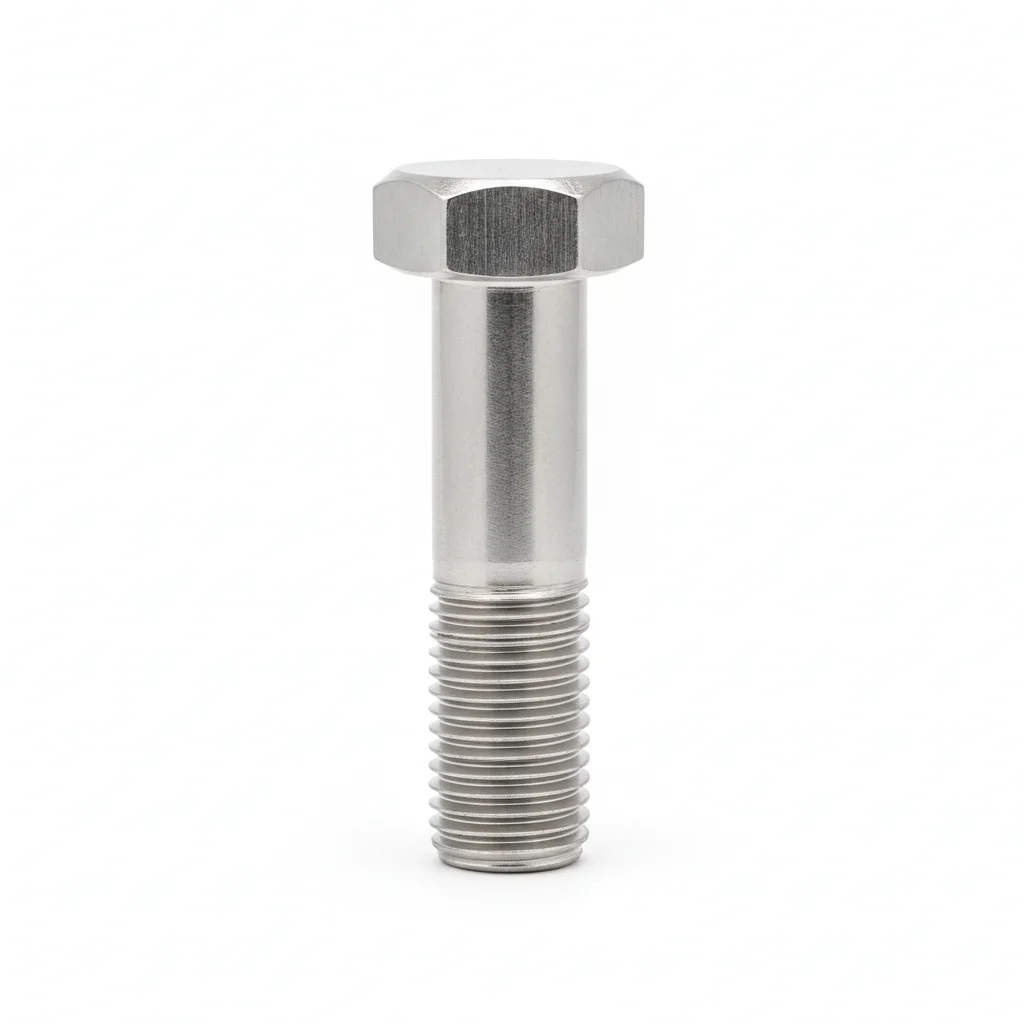
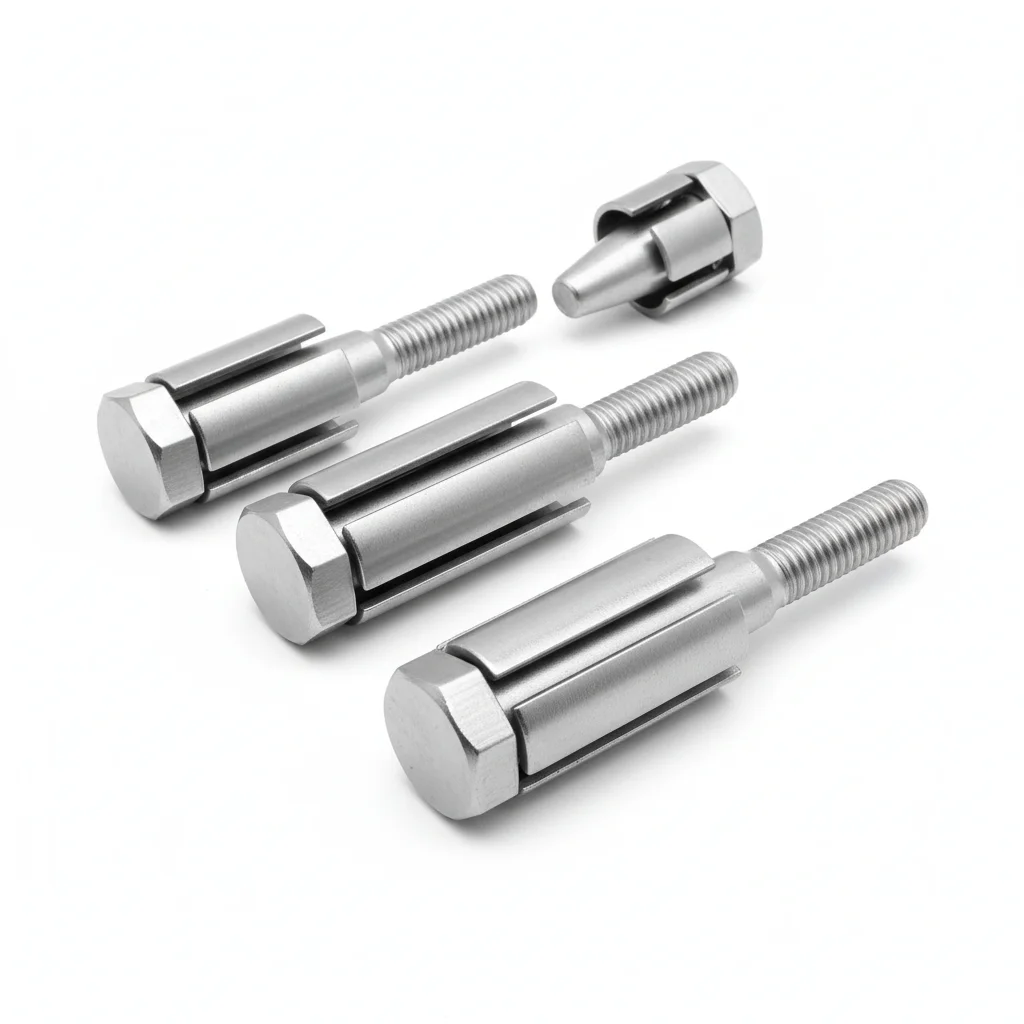
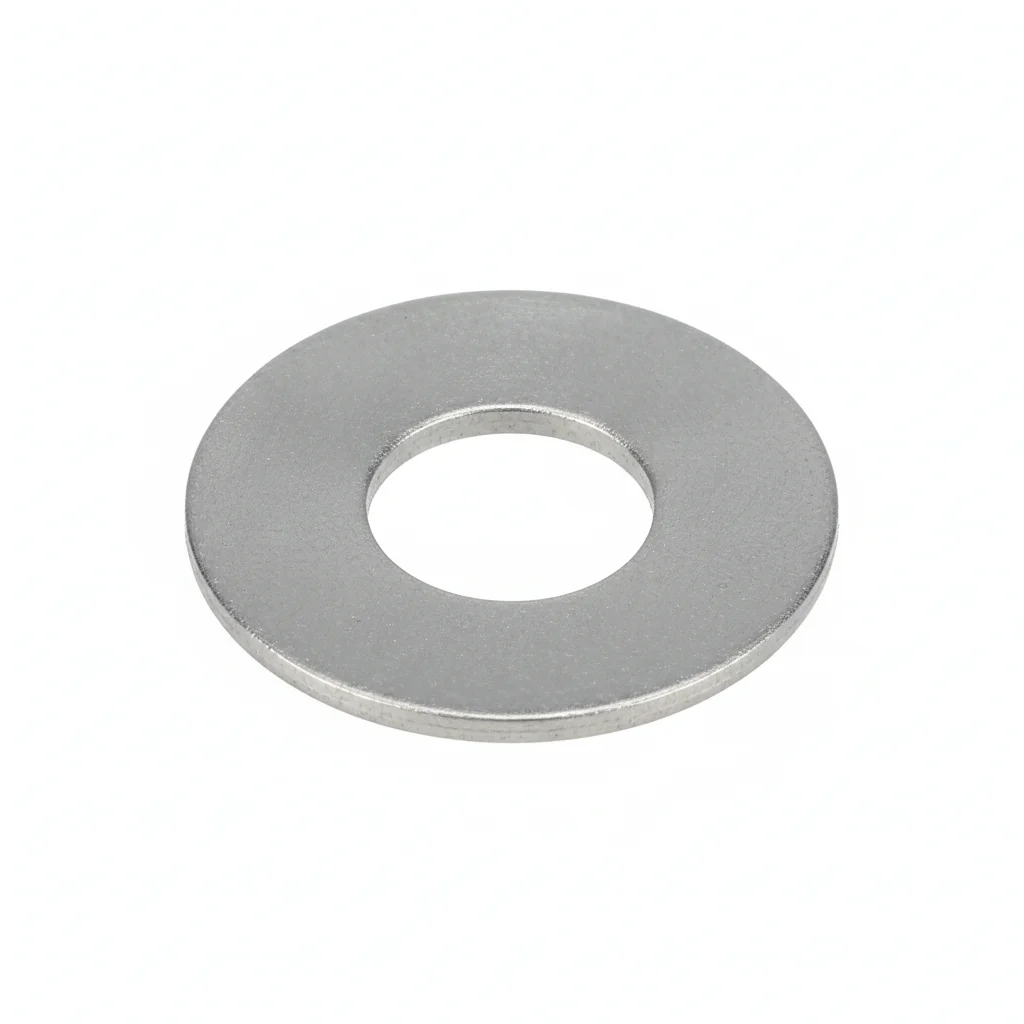
| Hot-Dip Galvanized Bolt | Bolt | Ordinary Expansion Bolt | Flat Washer | Flat Washer | |
|---|---|---|---|---|---|
| SPEC | M16-M24 | M12-M20 | M10-M16 | M10-M12 | M10-M12 |
| MATERIAL | Carbon Steel | 304 | Galvanized Carbon Steel | 304 Stainless | 304 Stainless |
| GRADE | 8.8 | A2-70 | 4.8 | A2 | A2 |
| FINISH | HDG >=55um per ISO 1461 | HDG >=55um per ISO 1461 | HDG >=55um per ISO 1461 | Passivated | Passivated |
| CORROSION | C3 (ISO 12944-2) | C3 (ISO 12944-2) | C3 (ISO 12944-2) | C3 (ISO 12944-2) | C3 (ISO 12944-2) |
| TEMP | -20°C to +80°C | -20°C to +80°C | -20°C to +80°C | -20°C to +80°C | -20°C to +80°C |
| WEIGHT | ~0.5 kg/piece | ~0.5 kg/piece | ~0.5 kg/piece | ~0.005kg | ~0.005kg |
| MOQ | 100 pcs | 100 pcs | 100 pcs | 500 pcs | 500 pcs |
| PACK | VCI paper + carton | VCI paper + carton | VCI paper + carton | Plastic bag | Plastic bag |
| STD | ISO 898-1, GB/T 3098.1 | ISO 898-1, GB/T 3098.1 | ISO 898-1, GB/T 3098.1 | ISO 7089 | ISO 7089 |
| USE | Anchor bolts, connection plates | Non-critical connections, decorative parts | Temporary fixing, auxiliary structures | Load distribution | Load distribution |
PROCEDURE
- Clean joint surfaces to remove contaminants; for hot-dip galvanized bolts (8.8 grade, M16-M24), verify coating thickness ≥55μm per ISO 1461 before installation.
- Align connection plates and insert bolts; use flat washers (304 stainless, per ISO 7089) to distribute load under head and nut.
- Hand-tighten all bolts in the connection, then torque in a star pattern to achieve snug-tight condition, ensuring even preload.
- For 304 stainless bolts (A2-70) in exposed locations, apply anti-seize compound to threads to prevent galling during tightening.
- Verify that each bolt is fully seated and that washers are properly positioned; mark each installed bolt with a torque seal for visual inspection.
COMMON ERRORS
| ✕ WRONG | CONSEQUENCE | ✓ CORRECT |
|---|---|---|
| Selecting 304 bolts (A2-70) for a connection that will be exposed to chloride-laden deicing salt or coastal splash in an inland bridge environment. | 304 bolts are prone to stress corrosion cracking when chloride concentration exceeds 50ppm and temperature exceeds 50°C, leading to sudden fracture within months to years. | Use hot-dip galvanized 8.8 grade carbon steel bolts for general inland service, and reserve 304 stainless for non-critical, decorative connections only. |
| Tightening hot-dip galvanized bolts without verifying the torque coefficient, assuming a generic value. | Preload may deviate significantly, causing either insufficient clamping (joint slip) or over-torquing that strips threads or breaks the bolt. | Perform torque coefficient verification for each batch per ISO 898-1/GB/T 3098.1; control torque coefficient to 0.110-0.150 and use a calibrated wrench. |
| Omitting flat washers under both head and nut on galvanized steel connections. | Load distribution is poor, leading to surface indentation and loss of preload over time, especially under vibration. | Always use flat washers (e.g., 304 stainless, ISO 7089) under both head and nut to protect the joint surface. |
MAINTENANCE
Inspect all bolts at each seasonal maintenance window or after any major weather event; re-torque any bolt showing visible loosening; replace any bolt with corrosion affecting more than 5% of its surface or with pitting depth exceeding 0.3mm; full disassembly inspection of a 20% sample every 5 years for critical joints.
Plan B · Standard
C4 Harsh per ISO 12944-2
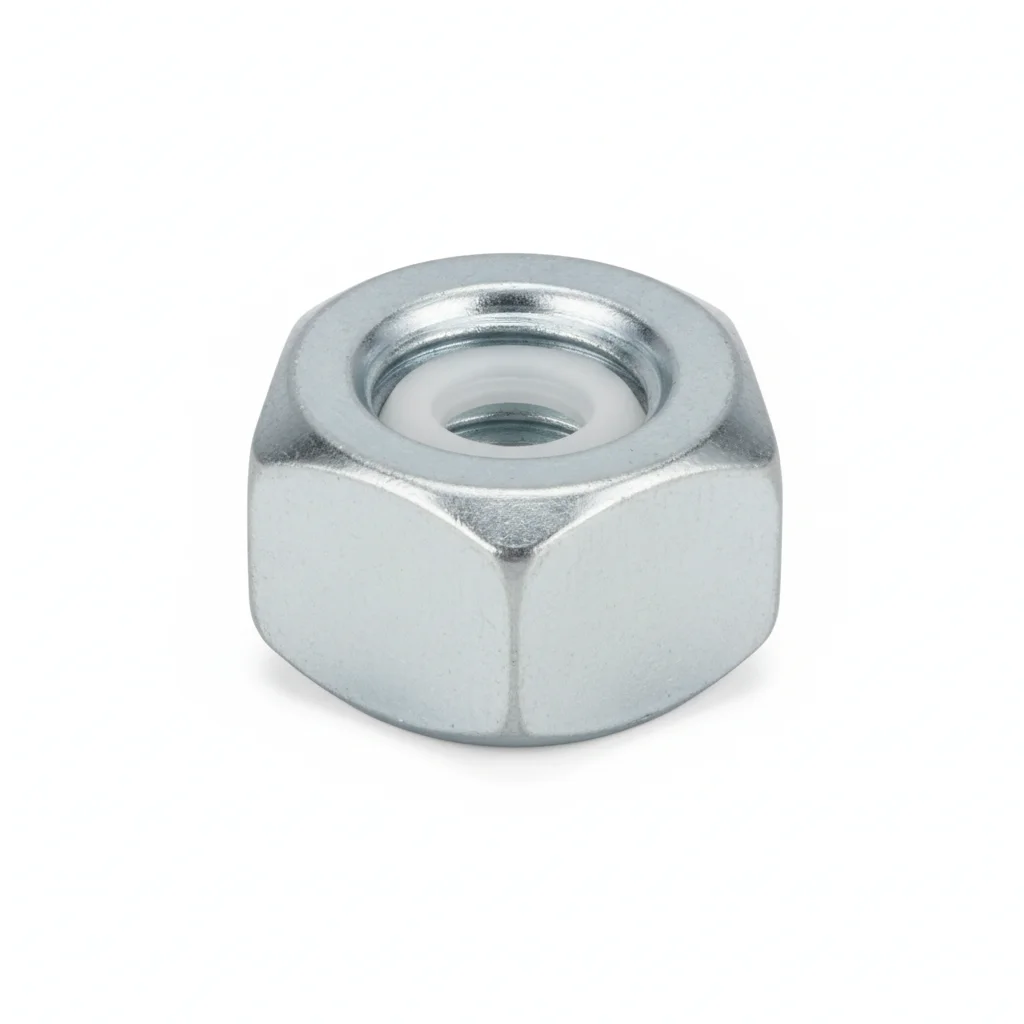
| High-Strength Bolt | Bolt | Dacromet Coated Bolt | Nylon Lock Nut | Flat Washer | |
|---|---|---|---|---|---|
| SPEC | M20-M30 | M16-M24 | M20-M30 | M16-M24 | M10-M12 |
| MATERIAL | Alloy Steel | 316L | Alloy Steel | Carbon Steel + Nylon | 304 Stainless |
| GRADE | 10.9 | A4-80 | 10.9 | 8.8 | A2 |
| FINISH | HDG >=55um per ISO 1461 | HDG >=55um per ISO 1461 | HDG >=55um per ISO 1461 | HDG >=55um per ISO 1461 | Passivated |
| CORROSION | C3 (ISO 12944-2) | C3 (ISO 12944-2) | C3 (ISO 12944-2) | C3 (ISO 12944-2) | C3 (ISO 12944-2) |
| TEMP | -20°C to +80°C | -20°C to +80°C | -20°C to +80°C | -20°C to +80°C | -20°C to +80°C |
| WEIGHT | ~0.5 kg/piece | ~0.5 kg/piece | ~0.5 kg/piece | ~0.5 kg/piece | ~0.005kg |
| MOQ | 100 pcs | 100 pcs | 100 pcs | 100 pcs | 500 pcs |
| PACK | VCI paper + carton | VCI paper + carton | VCI paper + carton | VCI paper + carton | Plastic bag |
| STD | ISO 898-1, GB/T 3098.1 | ISO 898-1, GB/T 3098.1 | ISO 898-1, GB/T 3098.1 | ISO 898-1, GB/T 3098.1 | ISO 7089 |
| USE | Friction-type connections, main girder splicing | Coastal bridges, deicing salt environment | Connections with high corrosion resistance requirements | Anti-loosening in vibration environments | Load distribution |
PROCEDURE
- Degrease bolt and mating surfaces with acetone; verify surface roughness Ra below 3.2 μm per ISO 12944-2.
- Apply joint compound to contact faces; for 316L bolts in coastal zones, confirm Mo content 2-3% with XRF before assembly.
- Tighten in cross-pattern sequence; for M20-M30 10.9 bolts, control torque coefficient within 0.110-0.150 and standard deviation ≤0.010.
- Verify friction surface roughness Ra 50-100 μm and friction coefficient ≥0.4 for friction-type connections.
- Pull-test 5% random sample to 80% of proof load; replace any bolt below acceptance threshold.
- Mark bolts with torque seal paint and log environmental data (temperature, humidity) for traceability.
COMMON ERRORS
| ✕ WRONG | CONSEQUENCE | ✓ CORRECT |
|---|---|---|
| Substituting 304 stainless for 316L in deicing salt or coastal zones | SCC risk rises sharply when Cl⁻ >50ppm and temperature >50°C, leading to cracks within 18 months as seen in the 2021 bridge case. | Verify 316L Mo content (2-3%) using XRF; specify A4-80 grade for such environments. |
| Overtightening or undertightening due to unverified torque coefficient | Preload deviation over 20% causes friction slip or bolt fracture, shortening fatigue life below the required 2 million cycles. | Use calibrated torque wrench; ensure torque coefficient 0.110-0.150 with standard deviation ≤0.010; check every six months. |
MAINTENANCE
Seasonally inspect torque on friction-type connections; re-torque any bolt below 80% of specified torque. Annually check friction surface condition; if corrosion affects >5% of surface area or pitting depth >0.3mm, replace. At each overhaul window (typically 10-15 years), disassemble and inspect 20% sample; replace critical bolts regardless of condition. Track tension loss; maximum allowable is 15%.
Plan C · Premium
C5-M Extreme per ISO 12944-2
| Bolt | Ultra-High-Strength Bolt | Dacromet | Anti-Loosen Self-Locking Bolt | Anchor Anti-Corrosion Grease | |
|---|---|---|---|---|---|
| SPEC | M24-M36 | M30-M42 | M20-M36 | M16-M30 | Injection Type |
| MATERIAL | 2205 | Ultra-High-Strength Steel | Alloy Steel | Alloy Steel | Paraffin Base |
| GRADE | A4-100 | 12.9 | 10.9 | 10.9 | N/A |
| FINISH | HDG >=55um per ISO 1461 | HDG >=55um per ISO 1461 | HDG >=55um per ISO 1461 | HDG >=55um per ISO 1461 | HDG >=55um per ISO 1461 |
| CORROSION | C3 (ISO 12944-2) | C3 (ISO 12944-2) | C3 (ISO 12944-2) | C3 (ISO 12944-2) | C3 (ISO 12944-2) |
| TEMP | -20°C to +80°C | -20°C to +80°C | -20°C to +80°C | -20°C to +80°C | -20°C to +80°C |
| WEIGHT | ~0.5 kg/piece | ~0.5 kg/piece | ~0.5 kg/piece | ~0.5 kg/piece | ~0.5 kg/piece |
| MOQ | 100 pcs | 100 pcs | 100 pcs | 100 pcs | 100 pcs |
| PACK | VCI paper + carton | VCI paper + carton | VCI paper + carton | VCI paper + carton | VCI paper + carton |
| STD | ISO 898-1, GB/T 3098.1 | ISO 898-1, GB/T 3098.1 | ISO 898-1, GB/T 3098.1 | ISO 898-1, GB/T 3098.1 | ISO 898-1, GB/T 3098.1 |
| USE | High chloride environment, stress corrosion risk areas | Cable-stayed anchorages, critical nodes | Marine environment, high humidity areas | Bridge connections with frequent vibration | Anti-corrosion inside anchor cavities |
PROCEDURE
- Degrease with MEK solvent; verify surface roughness Ra below 1.6 μm per ISO 12944-2.
- For 2205 duplex bolts, verify Mo 3-3.5% and N 0.14-0.20% using XRF; reject any 316L substitution.
- Apply marine-grade anti-corrosion compound; fill anchor cavities with anti-corrosion grease to isolate moisture.
- Tighten with hydraulic tensioner for 12.9 grade bolts; for critical nodes, perform PMI on 10% sample.
- Perform NDT dye penetrant test on 10% sample; replace any bolt showing crack indications.
- Apply protective sealant and install permanent condition monitoring instrumentation for continuous tracking.
COMMON ERRORS
| ✕ WRONG | CONSEQUENCE | ✓ CORRECT |
|---|---|---|
| Using electro-galvanized coating on ultra-high-strength bolts (≥1500MPa) | Hydrogen embrittlement occurs, with hydrogen content >10ppm vs <1ppm for Dacromet; fracture can happen below 50% of yield strength, as seen in the 2020 cable-stayed bridge incident. | Specify Dacromet or mechanical zinc plating; perform dehydrogenation annealing (200°C/4 hours) before surface treatment. |
| Skipping XRF verification and accepting 316L instead of 2205 | SCC resistance is 10 times lower; in high chloride environments (Cl⁻ >50ppm, T>50°C), cracks can appear within 18 months, leading to replacement costs over 15 million yuan. | Always verify Mo and N content with XRF; specify 2205 for cross-sea bridge critical connections. |
MAINTENANCE
At each overhaul window (typically every 5 years), perform torque check and visual inspection; re-torque any bolt below 80% of specified torque. Seasonally inspect anchor cavities for grease integrity; replenish anti-corrosion grease if displaced. Monitor condition monitoring instrumentation continuously; if corrosion affects >5% of surface area or pitting depth >0.3mm, replace immediately. For 12.9 grade bolts, verify no hydrogen embrittlement signs; replace any suspect bolt. Maximum allowable tension loss is 15%.
SUPPLIER CAPABILITY
Quality, Delivery & Customization
Quality Control
- ✓MTC material certificates with every batch
- ✓Key parts sampled for hardness/salt spray/torque coefficient
- ✓100% inspection or AQL sampling before shipment
Delivery
- ✓Standard parts made to order: 7-15 days
- ✓Custom parts: 25-45 days
- ✓FOB/CIF/DDP supported
Customization
- ✓Drawing review and material matching
- ✓Non-standard sizes/heads/threads
- ✓Small-batch prototyping supported
Certification
- ✓Material certificates (MTC)
- ✓Spectrographic analysis reports
- ✓Salt spray test reports (on request)
MOQ: No MOQ for standard parts; custom parts assessed by process complexity
FAQ
Frequently Asked Questions
BEYOND TECHNICAL SPECS
Finding the right factory, controlling quality, delivering on time — that's the real challenge. We cover fasteners, rubber, plastics, industrial textiles. One team, end to end.
SEE CAPABILITIES →