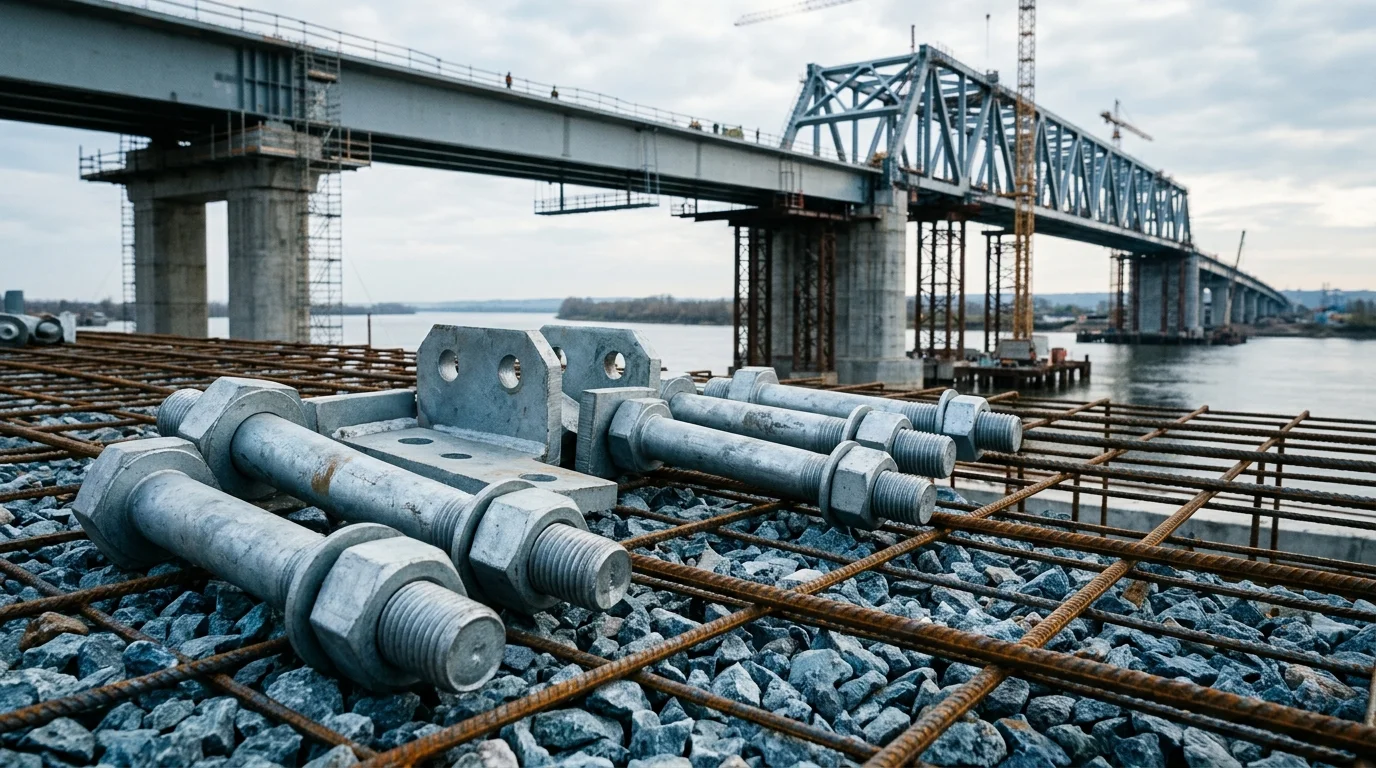
Greenhouse Film Fixing: Spring Clip, Slot, or Wind Clamp?
The fixing method directly affects wind resistance, service life, and maintenance costs. Based on public standards and technical literature, we compare key parameters of three common solutions to help you match project conditions.
RISK AUDIT // ENGINEERING DIAGNOSIS
Procurement Pitfall Guide
"Common pitfalls when sourcing greenhouse film clamps — and how to avoid them."
QC-AUDIT // REV.5
SCALE 1:1 · 03 ITEMS
RISK-01
Stress Corrosion Cracking of 65Mn Spring Clip in High Humidity Greenhouse Environment
Corrective Measures
RISK-02
Hydrogen Embrittlement of Spring Clip Due to Pickling Before Galvanizing — Sudden Fracture Without Warning
Corrective Measures
RISK-03
Slot Fixing Failure Under Strong Wind Load
Corrective Measures
FIELD-SPECIFIC INSIGHT
Critical Differences in Film Fixing Hardware
The choice between spring clip, slot, and wind clamp hinges on three often-overlooked factors: stress corrosion cracking of 65Mn spring steel in humid greenhouses, hydrogen embrittlement risk from pickling before galvanizing, and friction loss of slots under high wind. Each solution has a distinct failure mode that dictates its suitable environment.
WHAT TO CHECK
- 165Mn spring steel clip in >80%RH + pesticide spray: stress corrosion cracking risk after 2-3 years; hot-dip galvanized clips last 3-5 times longer.
- 2Hydrogen embrittlement from pickling before galvanizing: requires hydrogen release treatment at 190-210°C for 4-8 hours; demand temperature curve record from supplier.
- 3Aluminum slot under wind speed ≥24.5m/s: friction drops below 15N/cm², displacement reaches 8mm in 30 min; in coastal areas, slot life only 2-3 years.
- 4Stainless steel wind clamp with ground anchor: highest wind resistance, suitable for typhoon zones; 304 SS provides longer life.
| Check | Why it matters | What to specify |
|---|---|---|
| Corrosion resistance in humid greenhouse | 65Mn spring steel without galvanizing fails in 2-3 years due to stress corrosion cracking; galvanized layer extends life. | Require hot-dip galvanized coating per ISO 1461; for C4 environment, specify thicker coating. |
| Hydrogen embrittlement prevention | Pickling before galvanizing introduces hydrogen; without baking, clips may fracture suddenly without warning. | Supplier must provide temperature curve record of hydrogen release treatment (190-210°C, 4-8 hours). |
| Wind load capacity | Slots lose friction at wind speed ≥24.5m/s; wind clamps with ground anchors withstand extreme winds. | For high-wind zones, use stainless steel wind clamp + ground anchor; specify 304 SS and anchor length per project. |
| Maintenance interval | Spring clips need inspection every 6 months; slots require less maintenance but have shorter life in coastal areas. | Define inspection schedule per project: every 250 operating hours or 6 months; replace fasteners with corrosion >5% surface area. |
All data based on public standards and technical literature; actual performance depends on installation quality and environmental conditions.
Evidence level: source-page-only
INDUSTRY TECH REFERENCE
Clip Material, Four Tiers: Inland, Coastal, Multi-Span, and Livestock
Set the clip material tier by the corrosion environment first: galvanized 65Mn is enough inland, while coastal high-humidity, multi-span, and livestock greenhouses go straight to 304. A material swap is not a same-size substitution — 304's modulus is about 6% below 65Mn, so the wire diameter must be bumped on the order of φ3→φ3.2.
| Environment | Recommended material | Expected life | Cost multiplier |
|---|---|---|---|
| Inland dry zone (northwest, north China) | 65Mn + hot-dip galvanizing ≥15 μm + passivation | 5–8 years | 1× baseline |
| Coastal high-humidity zone (east/south China coast) | 304 stainless steel | 10–15 years | 2–3× |
| Multi-span greenhouse (high heat and humidity) | 304 stainless steel | 10–15 years | 2–3× |
| Livestock greenhouse (ammonia + humidity) | 304 stainless steel | 8–12 years | 2–3× |
The φ3→φ3.2 wire-diameter compensation is a magnitude estimate.
INDUSTRY TECH REFERENCE
A Clip Snaps Inside the Greenhouse: From One Micro-Crack to the Whole Film Lifted Away
Example: a galvanized 65Mn clip. A micro-crack left during installation does not break right away — the greenhouse environment pushes it, step by step, to sudden fracture.
- 1Hammering or bending during installation leaves micro-cracks in the zinc coating
- 2Greenhouse humidity (summer peak 40°C + 90%RH), plant organic acids (pH 3–5), and pesticide residue seep into the cracks
- 3A differential-aeration cell forms at the zinc/steel interface and the crack tip grows under residual stress
- 4Fracture comes without warning — spring force drops to zero in an instant and the clip lets go
- 5Wind tears the film open and the whole greenhouse stops for days to refilm — a structure worth over RMB 100,000 is ruined
This slot uses no magnitude estimates.
INDUSTRY TECH REFERENCE
Four Incoming Checks for Galvanized Clips
Clips are the cheapest and highest-volume fixing part on a greenhouse — run these four checks on arrival so a single bad piece does not keep failing across the whole structure.
- Sample 5% of each batch for hardness: HRC 42–47 — the signature range of 65Mn after quenching and mid-temperature tempering (in the GB/T 1222-2025 context)
- Measure the zinc coating with a magnetic gauge: ≥15 μm — below this the clip rusts early in greenhouse humidity
- Demand the hydrogen-relief record: baked at 190–210°C for 4 h or more — clips without it carry a delayed-fracture risk under high stress
- Bend 180° around a φ10 mm mandrel — the coating must not peel or flake
GB/T 1222-2025 (spring steel) is a public standard, referenced for 65Mn clip hardness and heat-treatment acceptance.
INDUSTRY TECH REFERENCE
The Slot Zinc Budget: Years Left Inland (C3) vs Coastal (C4–C5)
A galvanized slot's life is a zinc budget: read the grade first — Z275 is about 20 μm per side, Z140 only about 10 μm per side; divide by the environment's yearly zinc loss and the years left are plain to see.
| Environment (ISO 9223) | Slot zinc coating | Zinc loss per year | Life budget | Outcome |
|---|---|---|---|---|
| Inland C3 (northwest, north China) | Hot-dip galvanizing ≥20 μm per side (Z275) | 1–2 μm/yr | Depleted in 10–20 years | Outlasts the typical 5–8-year film cycle |
| Coastal C4–C5 (east/south China coast) | Hot-dip galvanizing ≥20 μm per side (Z275) | 3–5 μm/yr | Gone in 4–7 years | Steel base rusts → rusty water stains the film → lower transmittance → yield loss |
Coating grades convert on the GB/T 2518 two-sided coating-weight basis; yearly zinc loss and life figures follow the ISO 9223 corrosivity tiers.
INDUSTRY TECH REFERENCE
A 5-Cent Screw Seizes — How It Costs an Entire Arch Tube
The slot is fixed to the arch tube with self-tapping screws, 3–4 per meter, M4.2–M6.3. The cheapest screw on the greenhouse is exactly where an arch tube starts to die.
- 1Carbon-steel screws rust solid in 3–5 years in the hot, humid, pesticide-laden greenhouse air — the head will not turn
- 2At film replacement the slot has to come off, but the seized head will not undo
- 3An angle grinder cuts the head off — the original hole is dead
- 4A fresh hole is drilled nearby, leaving two rows of dead holes and a weakened tube section
- 5Under heavy snow load the arch tube bends and breaks at the hole line
- 6Fix: all screws in 304; install torque 3–5 N·m, tight until the slot seats — over-tightening deforms the slot mouth and the clip no longer snaps in
This slot uses no magnitude estimates.
PLAN COMPARISON
Three-Plan Core Parameter Comparison
Compare row by row. Click column headers to jump to plan details.
| A · Plan A · Galvanized Steel Wire Spring and Press Film Line | B · Plan B · Aluminum Alloy Slot and Spring Snap Clip | C · Plan C · Stainless Steel Wind Clamp and Ground Anchor Combination | |
|---|---|---|---|
| 1. SPRING STEEL CLIP | |||
| SPEC | L=2m, Φ2.5mm | 30×20×2mm | Width 50mm |
| MATERIAL | 65Mn Spring Steel Hot-Dip Galvanized ≥40μm | 6063-T5 Anodized | 304 Stainless Steel |
| FINISH | HDG >=55um per ISO 1461 | HDG >=55um per ISO 1461 | HDG >=55um per ISO 1461 |
| 2. PRESS FILM LINE | |||
| SPEC | Φ3mm | Matches Slot | L=600mm |
| MATERIAL | PVC+UV Stabilizer | 65Mn Spring Steel Galvanized | Q235B Hot-Dip Galvanized ≥65μm |
| FINISH | HDG >=55um per ISO 1461 | HDG >=55um per ISO 1461 | HDG >=55um per ISO 1461 |
| 3. U-SHAPED SNAP CLIP | |||
| SPEC | M6 | L-Shape/T-Shape | Φ4mm |
| MATERIAL | Q235B Hot-Dip Galvanized | Aluminum Alloy 6063 | 304 Stainless Steel |
| FINISH | HDG >=55um per ISO 1461 | HDG >=55um per ISO 1461 | HDG >=55um per ISO 1461 |
SELECTION GUIDE
How to Choose a Fixing Solution Based on Project Conditions?
| Operating condition | Recommended option | Key basis |
|---|---|---|
| Single-span / spring-autumn greenhouse, limited budget, short planting cycle | Plan A: 65Mn spring steel clip hot-dip galvanized ≥40μm (L=2m, Φ2.5mm) + press film line (Φ3mm, PVC+UV stabilizer) + U-shaped snap clip (M6, Q235B hot-dip galvanized) | Hot-dip galvanizing per GB/T 13912; zinc layer ≥8μm acts as physical barrier and sacrificial anode, extending stress corrosion life 3-5 times; hydrogen release treatment at 190-210°C for 4-8 hours required after pickling |
| Multi-span greenhouse, large-scale planting, low maintenance cost required | Plan B: 6063-T5 anodized aluminum alloy slot (30×20×2mm) + spring snap clip (65Mn spring steel galvanized) + L/T-shape connector (aluminum alloy 6063) | Good integrity and strong sealing with low maintenance cost; spring steel clips per GB/T 1222 |
| Coastal high wind area / typhoon-prone area, extreme wind resistance required | Plan C: 304 stainless steel wind clamp (width 50mm) + Q235B hot-dip galvanized ground anchor (L=600mm, ≥65μm) + 304 steel wire rope (Φ4mm) + 304 turnbuckle bolt (M8) | Slot friction drops below 15N/cm² at wind speed ≥24.5m/s (level 10) with 8mm displacement in 30 min; multi-point wind clamp + ground anchor anchoring provides the highest wind resistance |
Plan A · Galvanized Steel Wire Spring and Press Film Line
C3 (ISO 12944-2)
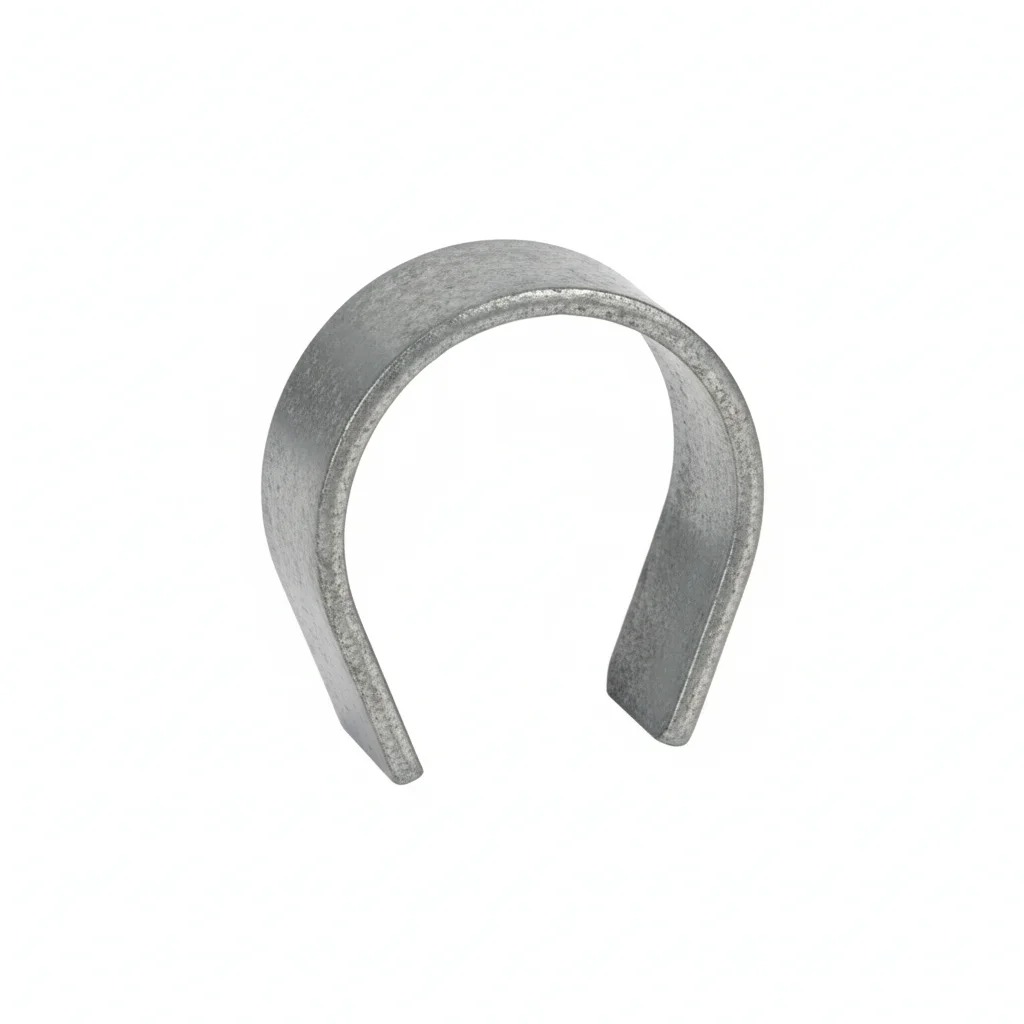
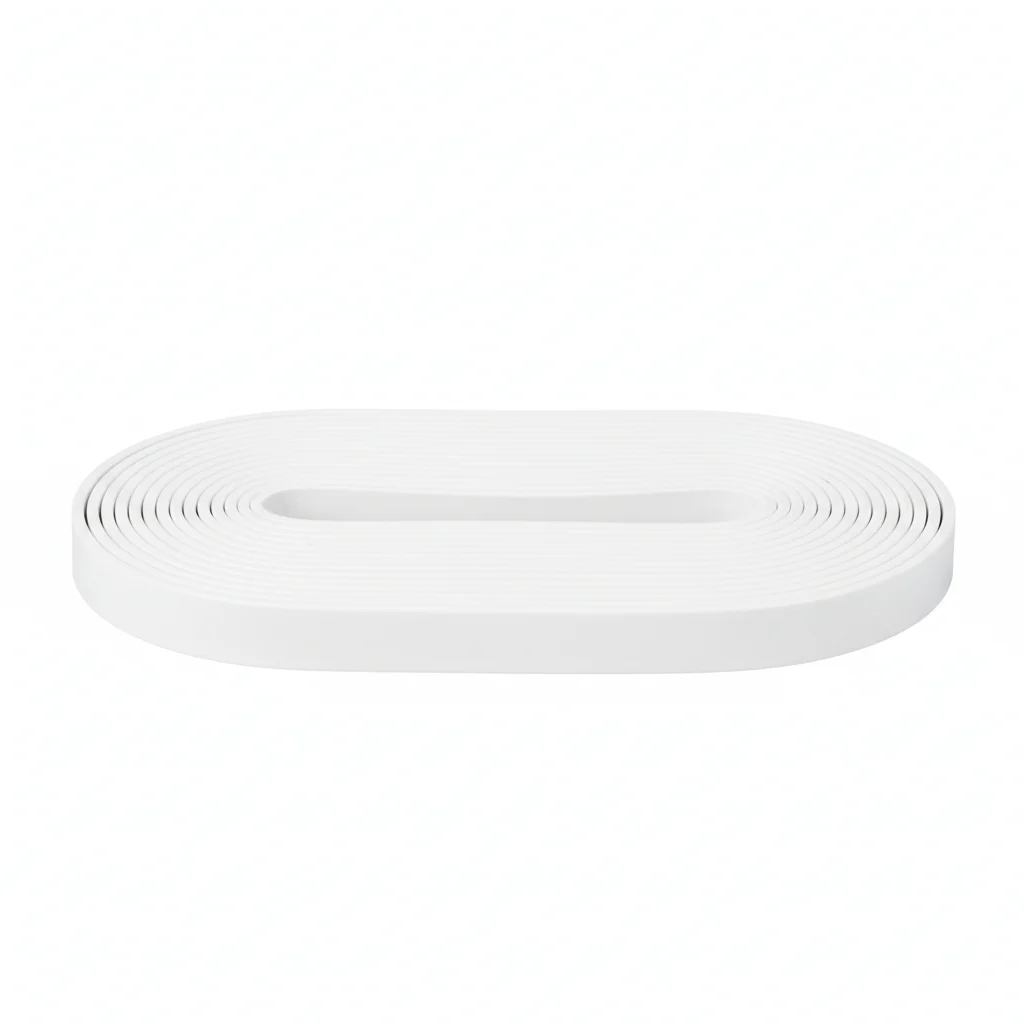
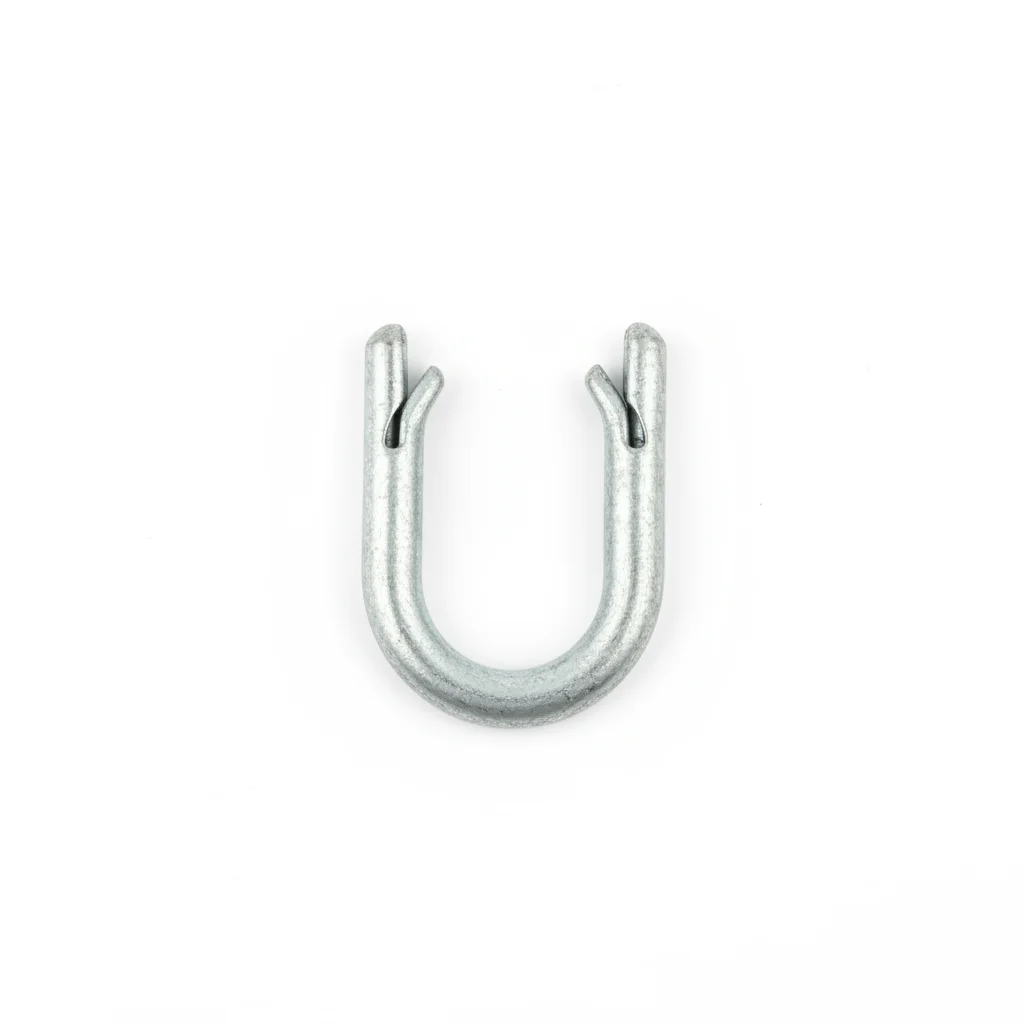
| Spring Steel Clip | Press Film Line | U-Shaped Snap Clip | |
|---|---|---|---|
| SPEC | L=2m, Φ2.5mm | Φ3mm | M6 |
| MATERIAL | 65Mn Spring Steel Hot-Dip Galvanized ≥40μm | PVC+UV Stabilizer | Q235B Hot-Dip Galvanized |
| GRADE | — | — | — |
| FINISH | HDG >=55um per ISO 1461 | HDG >=55um per ISO 1461 | HDG >=55um per ISO 1461 |
| CORROSION | C3 (ISO 12944-2) | C3 (ISO 12944-2) | C3 (ISO 12944-2) |
| TEMP | -20°C to +80°C | -20°C to +80°C | -20°C to +80°C |
| WEIGHT | ~0.5 kg/piece | ~0.5 kg/piece | ~0.5 kg/piece |
| MOQ | 100 pcs | 100 pcs | 100 pcs |
| PACK | VCI paper + carton | VCI paper + carton | VCI paper + carton |
| STD | ISO 898-1, GB/T 3098.1 | ISO 898-1, GB/T 3098.1 | ISO 898-1, GB/T 3098.1 |
| USE | Film pressing and fixing | Film transverse reinforcement | Spring clip end fixing |
PROCEDURE
- Lay the film smoothly over the arch, then align the 2m spring clip along the film edge, ensuring the Φ2.5mm wire sits flat against the film surface.
- Hook one end of the spring clip under the arch purlin, then press the clip over the film and snap it onto the opposite purlin, securing the film in place.
- Space clips at 0.5m intervals in gable ends and corners; for standard spans, maintain 0.5-0.8m spacing as per project wind load requirements.
- For film transverse reinforcement, run the Φ3mm press film line over the film and secure it with U-shaped snap clips (M6) at each arch intersection.
- After installation, check that the film is taut and free of wrinkles; adjust clip positions if any sagging is observed.
COMMON ERRORS
| ✕ WRONG | CONSEQUENCE | ✓ CORRECT |
|---|---|---|
| Using bare 65Mn spring steel clips without hot-dip galvanizing | In the humid greenhouse environment (>80%RH with pesticide spray), stress corrosion cracking can occur, leading to sudden clip fracture within 2-3 years and film tear at that point. | Select clips with hot-dip galvanized coating ≥40μm per ISO 1461; verify the coating thickness and supplier's hydrogen release treatment record. |
| Overtightening the press film line, causing film depression beyond 8cm | Excessive tension can tear the film at the clip contact points, especially during thermal expansion. | Adjust tension so that pressing the film with a finger creates a depression of 5-8cm; use a turnbuckle or tensioner to fine-tune. |
MAINTENANCE
Inspect spring clip elasticity and galvanized layer condition at each film replacement cycle (typically every 1-2 years) and after severe storms; replace any clips showing surface rust, deformation, or loss of tension. In high humidity environments, check for signs of stress corrosion cracking (e.g., surface cracks) and replace affected clips immediately.
Plan B · Aluminum Alloy Slot and Spring Snap Clip
C4 Harsh per ISO 12944-2
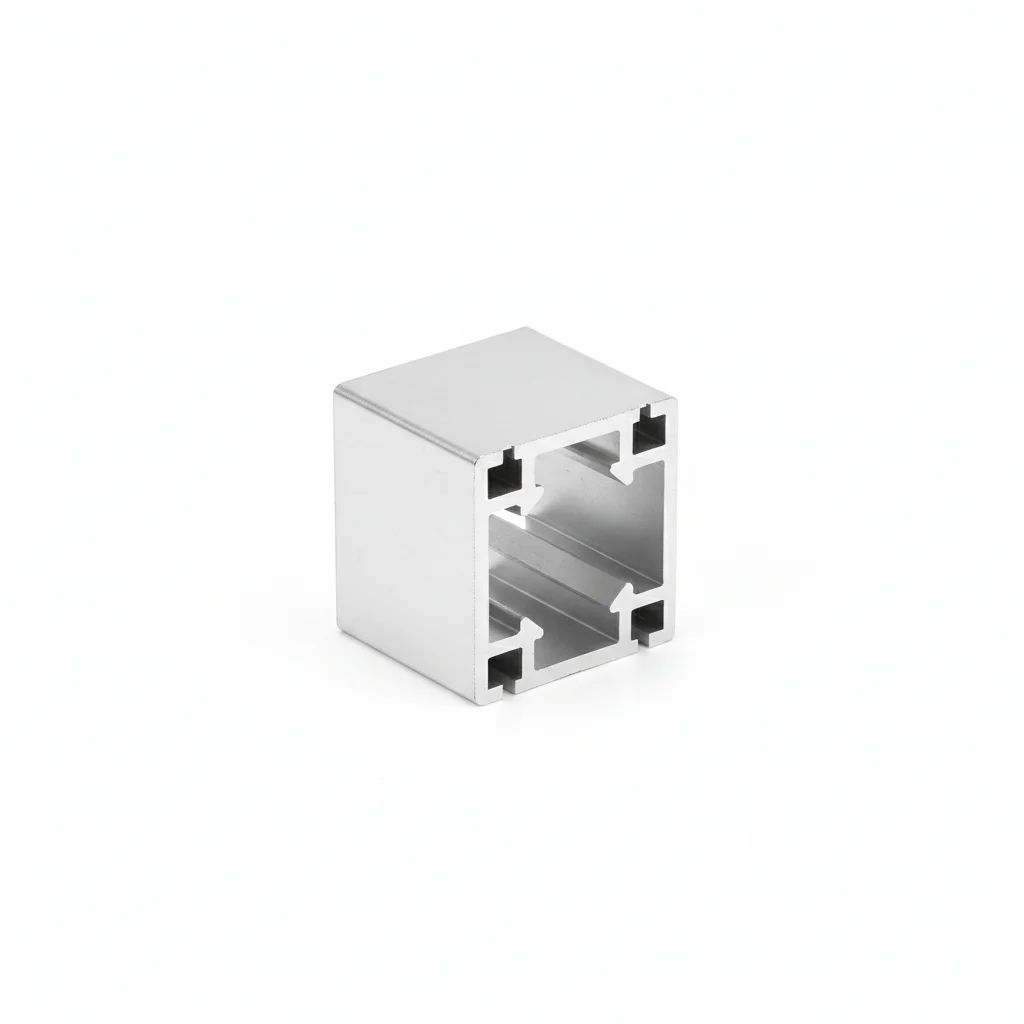
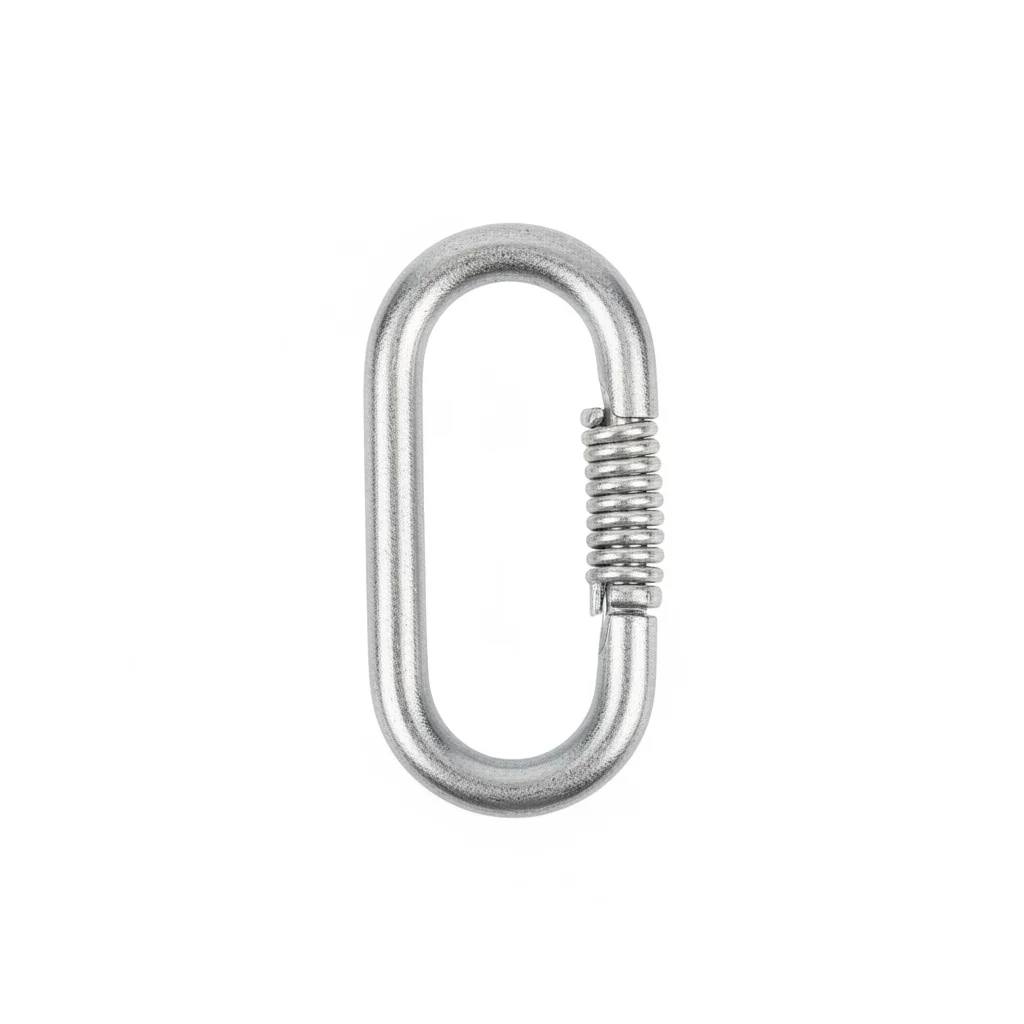
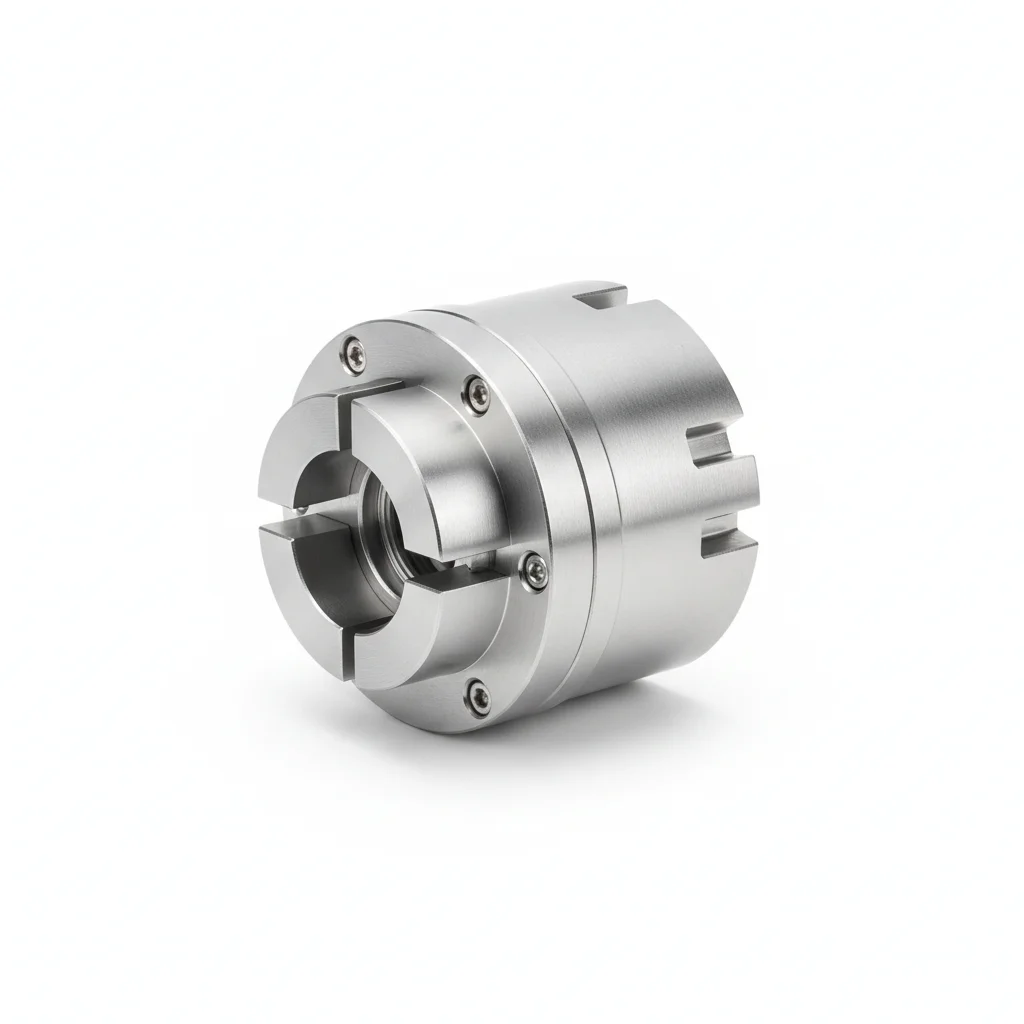
| Aluminum Alloy Slot | Spring Snap Clip | Connector | |
|---|---|---|---|
| SPEC | 30×20×2mm | Matches Slot | L-Shape/T-Shape |
| MATERIAL | 6063-T5 Anodized | 65Mn Spring Steel Galvanized | Aluminum Alloy 6063 |
| GRADE | — | — | — |
| FINISH | HDG >=55um per ISO 1461 | HDG >=55um per ISO 1461 | HDG >=55um per ISO 1461 |
| CORROSION | C3 (ISO 12944-2) | C3 (ISO 12944-2) | C3 (ISO 12944-2) |
| TEMP | -20°C to +80°C | -20°C to +80°C | -20°C to +80°C |
| WEIGHT | ~0.5 kg/piece | ~0.5 kg/piece | ~0.5 kg/piece |
| MOQ | 100 pcs | 100 pcs | 100 pcs |
| PACK | VCI paper + carton | VCI paper + carton | VCI paper + carton |
| STD | ISO 898-1, GB/T 3098.1 | ISO 898-1, GB/T 3098.1 | ISO 898-1, GB/T 3098.1 |
| USE | Film embedding and fixing | Locking film inside slot | Slot corner connection |
PROCEDURE
- Clean the aluminum alloy slot (30×20×2mm) and 65Mn spring clip mating surfaces with a solvent to remove any residual film or dirt.
- Slide the film into the slot, ensuring it is fully seated and free of wrinkles.
- Press the spring snap clip into the slot channel, starting from one end and working along the length to lock the film securely.
- At corners, use the L-shaped or T-shaped aluminum connectors to join slot sections, ensuring a continuous, leak-proof channel.
- Verify that the spring clip is fully engaged with the slot and that the film is held firmly without any gaps.
COMMON ERRORS
| ✕ WRONG | CONSEQUENCE | ✓ CORRECT |
|---|---|---|
| Using a galvanized steel clip instead of the specified spring snap clip for the aluminum slot | Galvanized steel can cause galvanic corrosion when in contact with aluminum, leading to premature failure of the slot and clip. | Use only the provided 65Mn spring snap clip, which is galvanized but designed for compatibility with the anodized aluminum slot. |
| Forcing the film into the slot without proper alignment | Misaligned film can be pinched or torn, creating weak points that may tear under wind load. | Align the film edge evenly with the slot opening before pressing the clip in, ensuring smooth insertion. |
MAINTENANCE
Inspect the spring snap clips and anodized aluminum slots seasonally for any signs of loosening or corrosion. Replace any spring clip that has lost its tension or shows rust. Check that the film remains securely locked in the slot, especially after high wind events.
Plan C · Stainless Steel Wind Clamp and Ground Anchor Combination
C5-M Extreme per ISO 12944-2
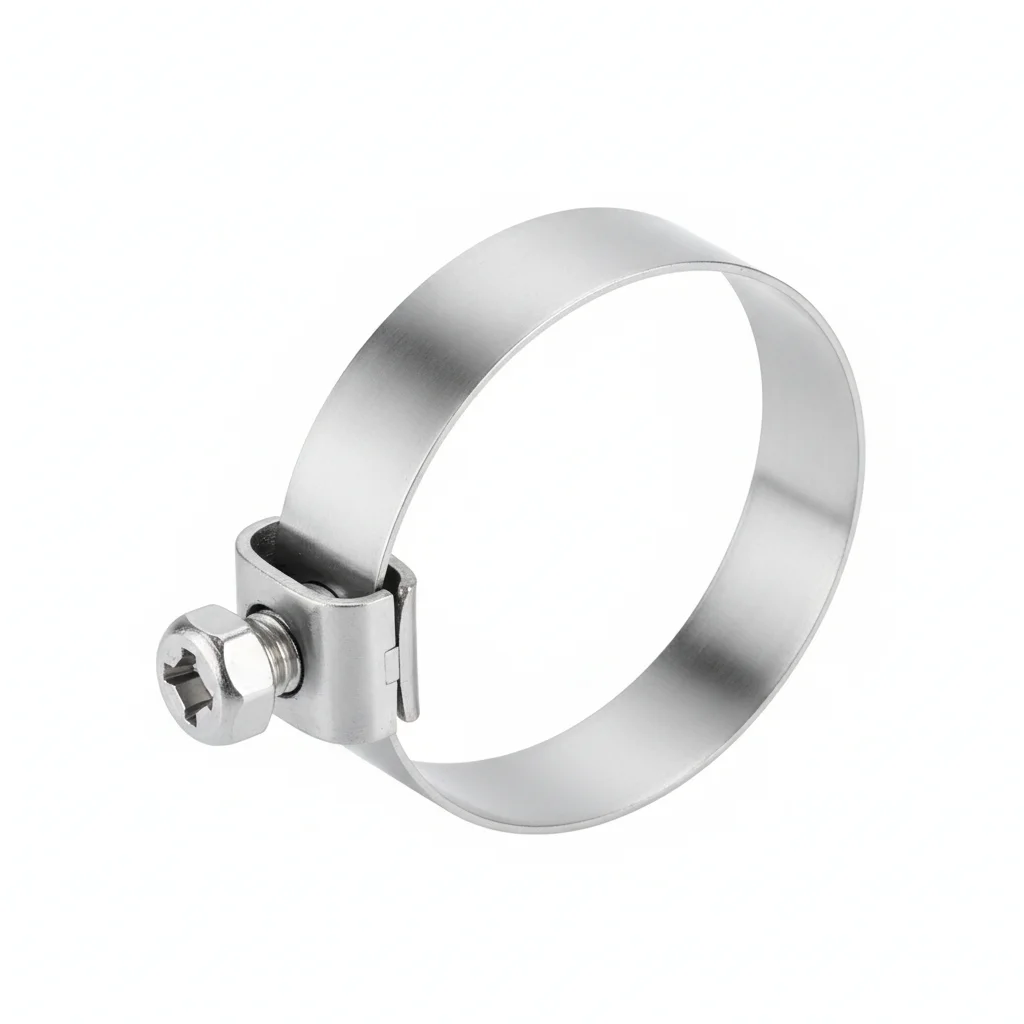
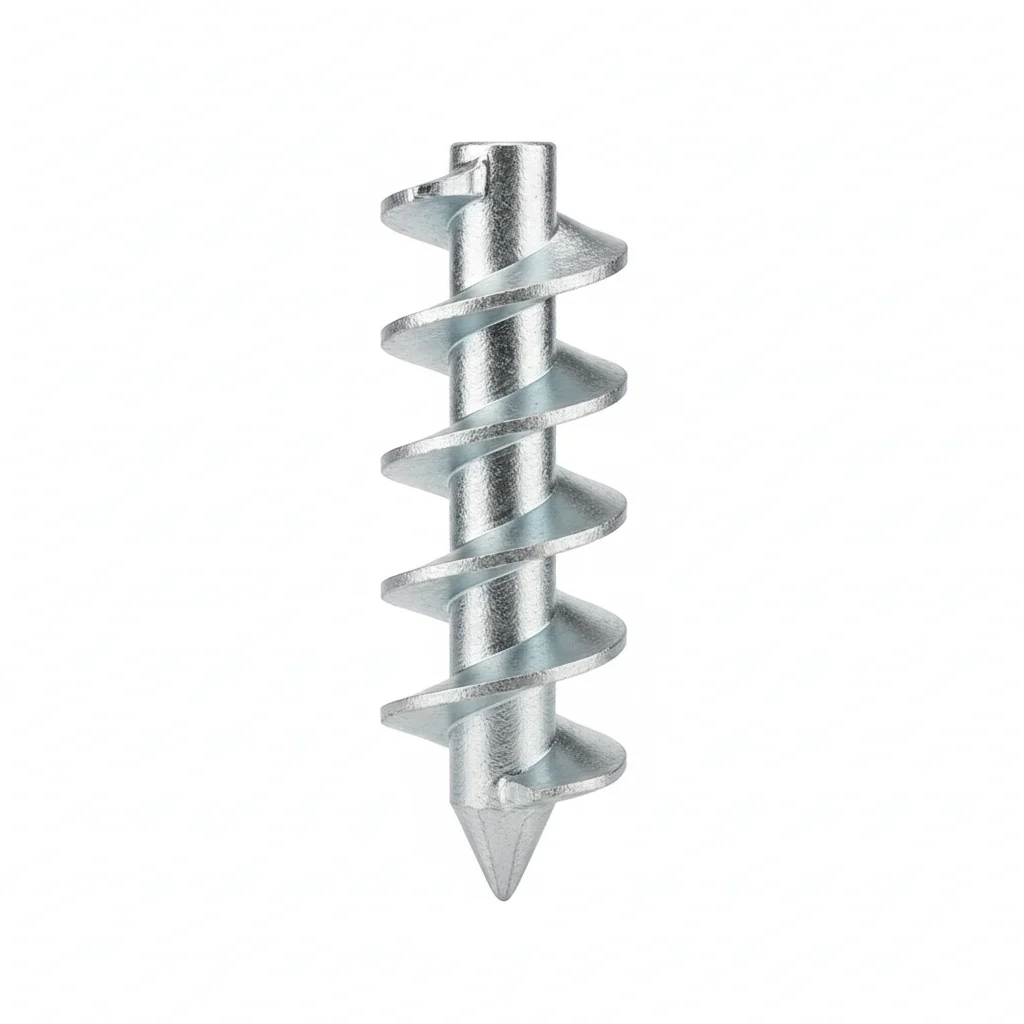
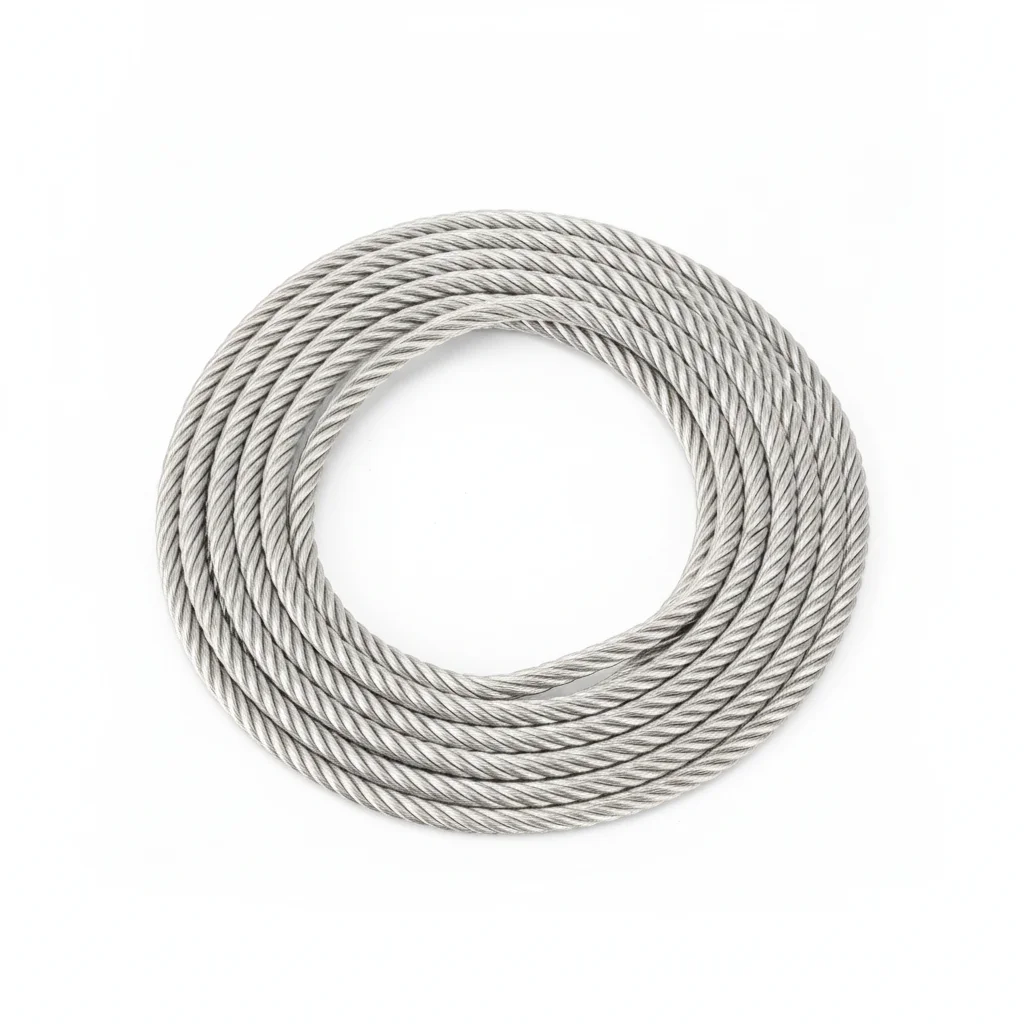
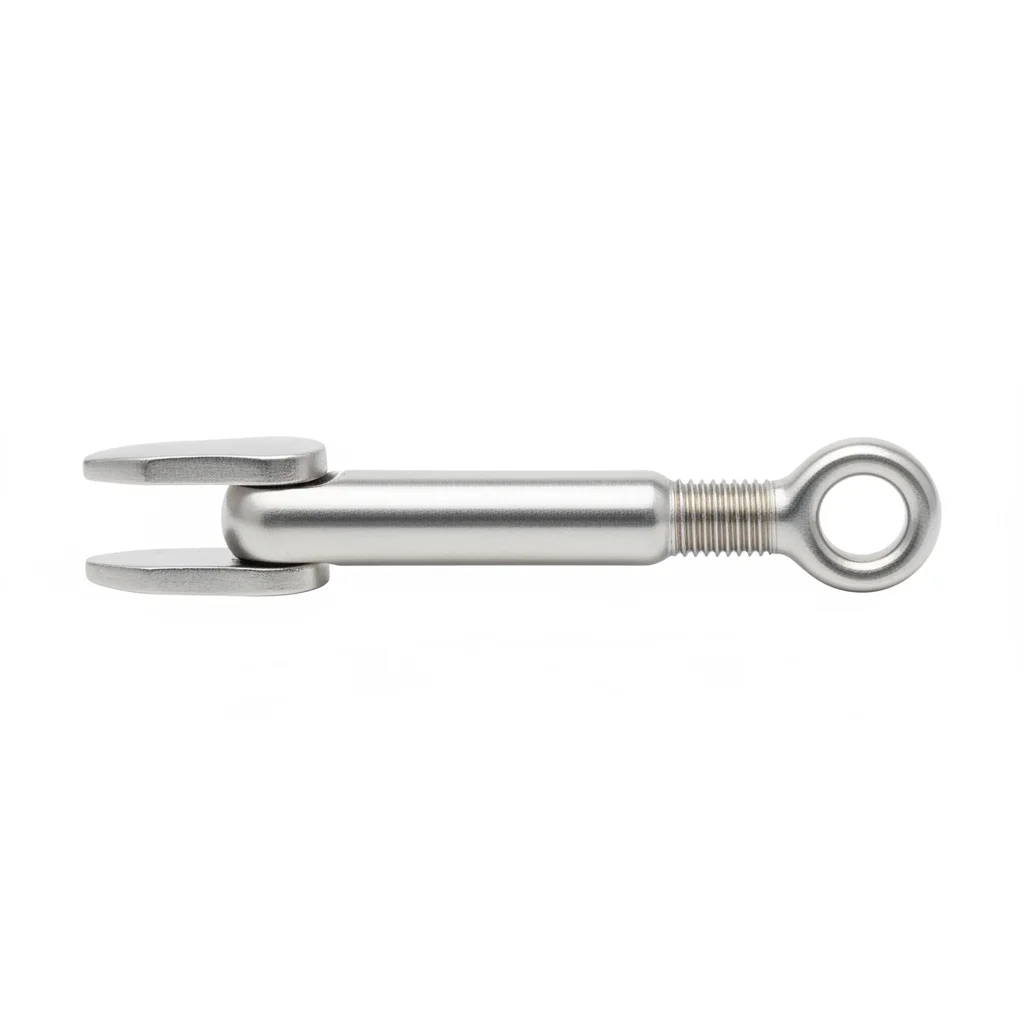
| Wind Clamp | Ground Anchor | Steel Wire Rope | Turnbuckle Bolt | |
|---|---|---|---|---|
| SPEC | Width 50mm | L=600mm | Φ4mm | M8 |
| MATERIAL | 304 Stainless Steel | Q235B Hot-Dip Galvanized ≥65μm | 304 Stainless Steel | 304 Stainless Steel |
| GRADE | — | — | — | — |
| FINISH | HDG >=55um per ISO 1461 | HDG >=55um per ISO 1461 | HDG >=55um per ISO 1461 | HDG >=55um per ISO 1461 |
| CORROSION | C3 (ISO 12944-2) | C3 (ISO 12944-2) | C3 (ISO 12944-2) | C3 (ISO 12944-2) |
| TEMP | -20°C to +80°C | -20°C to +80°C | -20°C to +80°C | -20°C to +80°C |
| WEIGHT | ~0.5 kg/piece | ~0.5 kg/piece | ~0.5 kg/piece | ~0.5 kg/piece |
| MOQ | 100 pcs | 100 pcs | 100 pcs | 100 pcs |
| PACK | VCI paper + carton | VCI paper + carton | VCI paper + carton | VCI paper + carton |
| STD | ISO 898-1, GB/T 3098.1 | ISO 898-1, GB/T 3098.1 | ISO 898-1, GB/T 3098.1 | ISO 898-1, GB/T 3098.1 |
| USE | Film edge clamping | Ground anchoring point | Connection between wind clamp and ground anchor | Tension adjustment for wire rope |
PROCEDURE
- Position the 304 stainless steel wind clamp along the film edge at the desired anchoring points, typically every 0.5m in high-wind zones.
- Secure the wind clamp to the greenhouse frame using the 304 stainless steel bolts, ensuring a tight grip on the film.
- Attach the 304 stainless steel wire rope (Φ4mm) to the wind clamp's eyelet, routing it down to the ground anchor.
- Install the Q235B hot-dip galvanized ground anchor (L=600mm) into the soil at a proper angle, ensuring it is firmly set.
- Use the M8 turnbuckle to adjust the tension of the wire rope, pulling the film taut and providing wind resistance.
COMMON ERRORS
| ✕ WRONG | CONSEQUENCE | ✓ CORRECT |
|---|---|---|
| Using a standard galvanized bolt instead of stainless steel for the wind clamp | Galvanized bolts will corrode in the marine environment, weakening the clamp and potentially causing failure during a storm. | Use the provided 304 stainless steel fasteners to ensure corrosion resistance and long-term reliability. |
| Not tensioning the wire rope enough or too much | Insufficient tension reduces wind resistance, while over-tensioning can deform the film or damage the clamp. | Adjust the turnbuckle so that the film is firm but not overstretched, following the recommended tension guidelines for the specific film type. |
MAINTENANCE
Before each typhoon season, inspect all wind clamps, wire ropes, and turnbuckles for any signs of wear or corrosion. Check the tension of the wire ropes and re-tighten as needed. Verify that ground anchors remain secure in the soil.
REFERENCED STANDARDS
Technical Basis and Reference Standards
Industry Standard for Plastic Film for Greenhouses
Metallic Coatings - Hot Dip Galvanized CoatingsNational Standard for Cold-Formed Steel Sections for Greenhouse Frames
Spring SteelLight Industry Standard for Plastic Film Fixing Parts for Greenhouses
Metallic Materials - Tensile TestingPlastics - Methods of Exposure to Laboratory Light Sources
Cold Rolled Spring SteelCode for Load Design of Greenhouse Structures
SUPPLIER CAPABILITY
Quality, Delivery & Customization
Quality Control
- ✓MTC material certificates with every batch
- ✓Key parts sampled for hardness/salt spray/torque coefficient
- ✓100% inspection or AQL sampling before shipment
Delivery
- ✓Standard parts made to order: 7-15 days
- ✓Custom parts: 25-45 days
- ✓FOB/CIF/DDP supported
Customization
- ✓Drawing review and material matching
- ✓Non-standard sizes/heads/threads
- ✓Small-batch prototyping supported
Certification
- ✓Material certificates (MTC)
- ✓Spectrographic analysis reports
- ✓Salt spray test reports (on request)
MOQ: No MOQ for standard parts; custom parts assessed by process complexity
FAQ
Frequently Asked Questions
RELATED READING
Keep Reading & Next Step
BEYOND TECHNICAL SPECS
Finding the right factory, controlling quality, delivering on time — that's the real challenge. We cover fasteners, rubber, plastics, industrial textiles. One team, end to end.
SEE CAPABILITIES →