Thread Rolling: Cold-Formed Threads for Higher Strength Fasteners
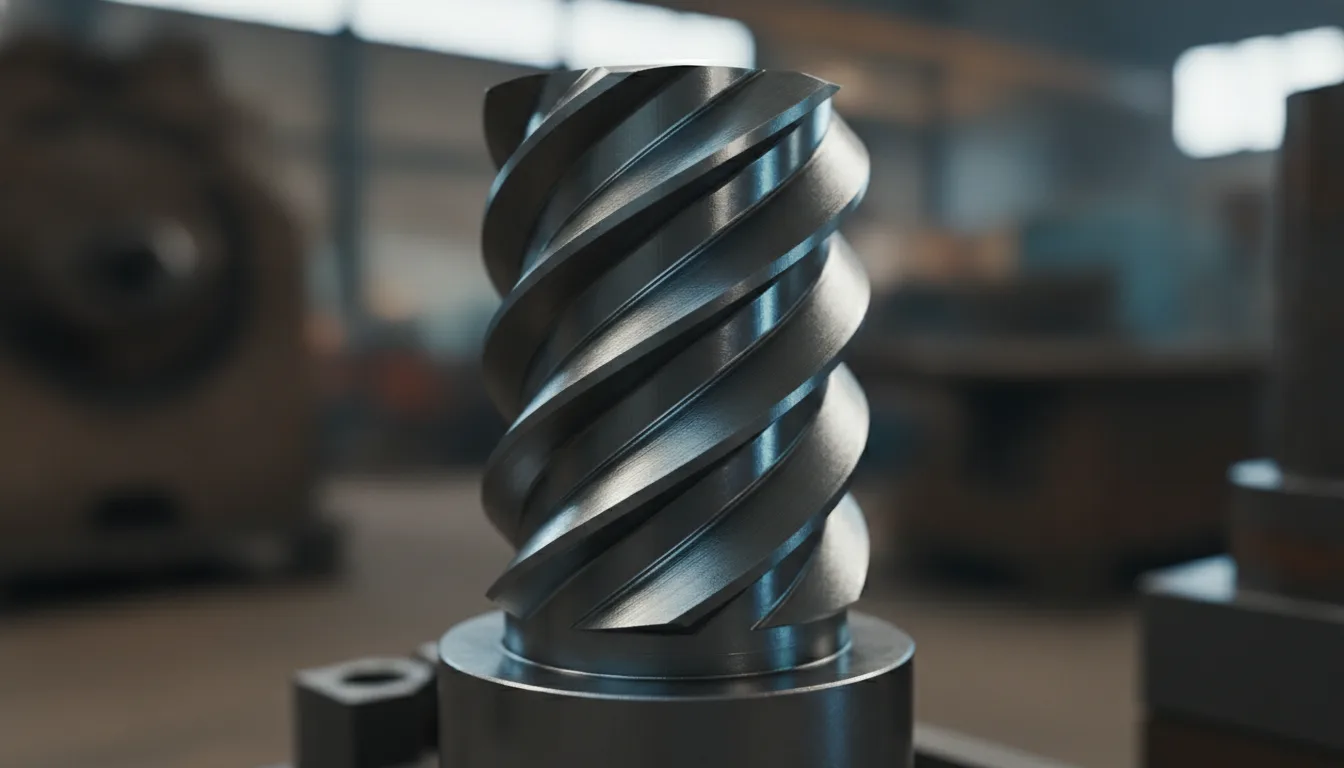
Thread rolling is a cold forming process that displaces metal to form the thread profile — no material is cut away. Rolled threads have continuous grain flow, giving higher fatigue and tensile strength than cut threads. Ideal for high-strength bolts, screws, and studs.
Send Drawings for a Quote →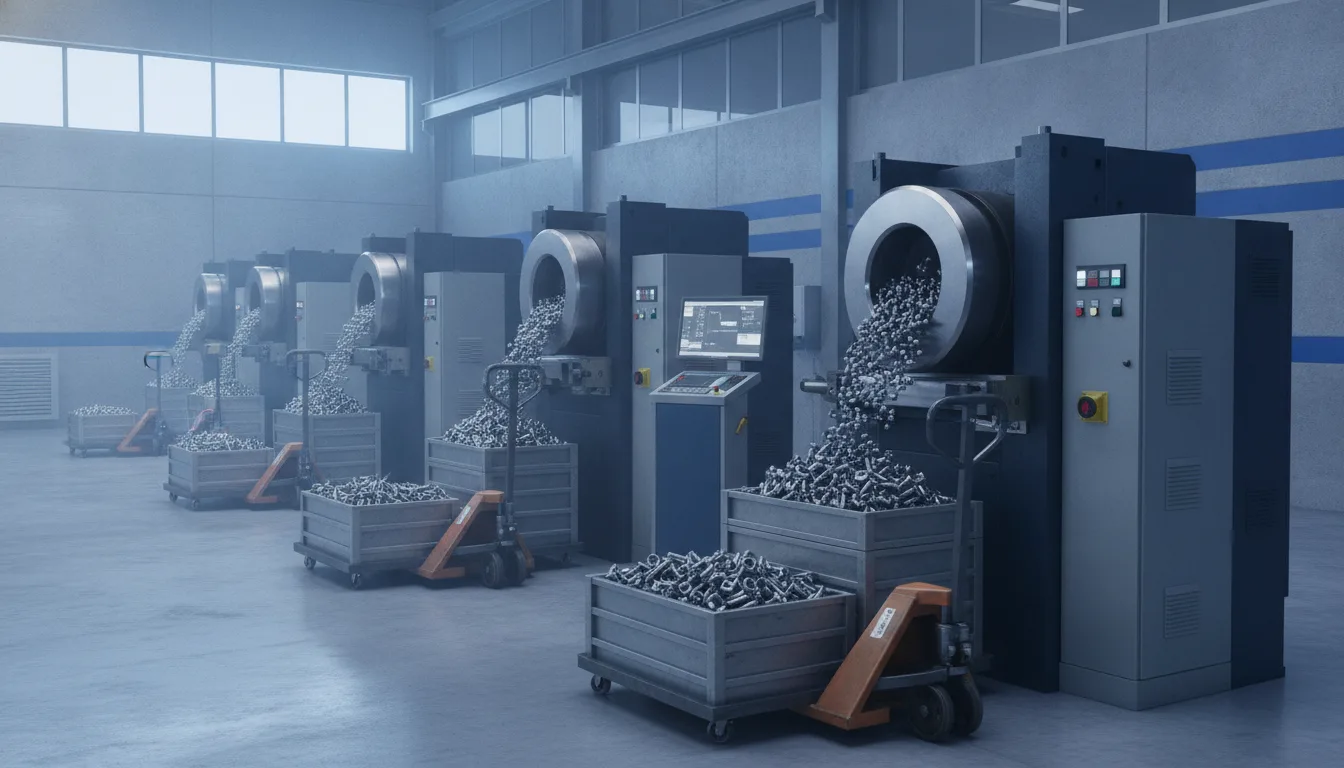
Process Overview
How It Works
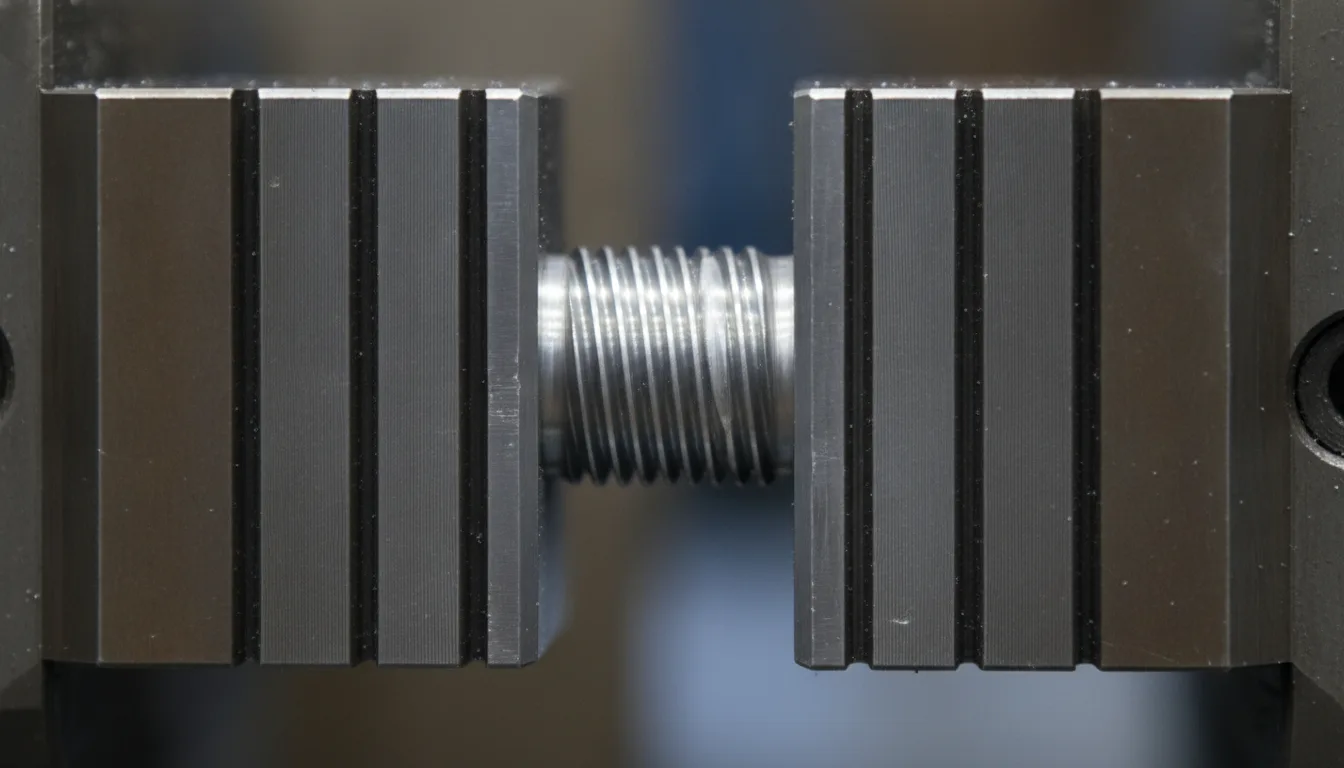
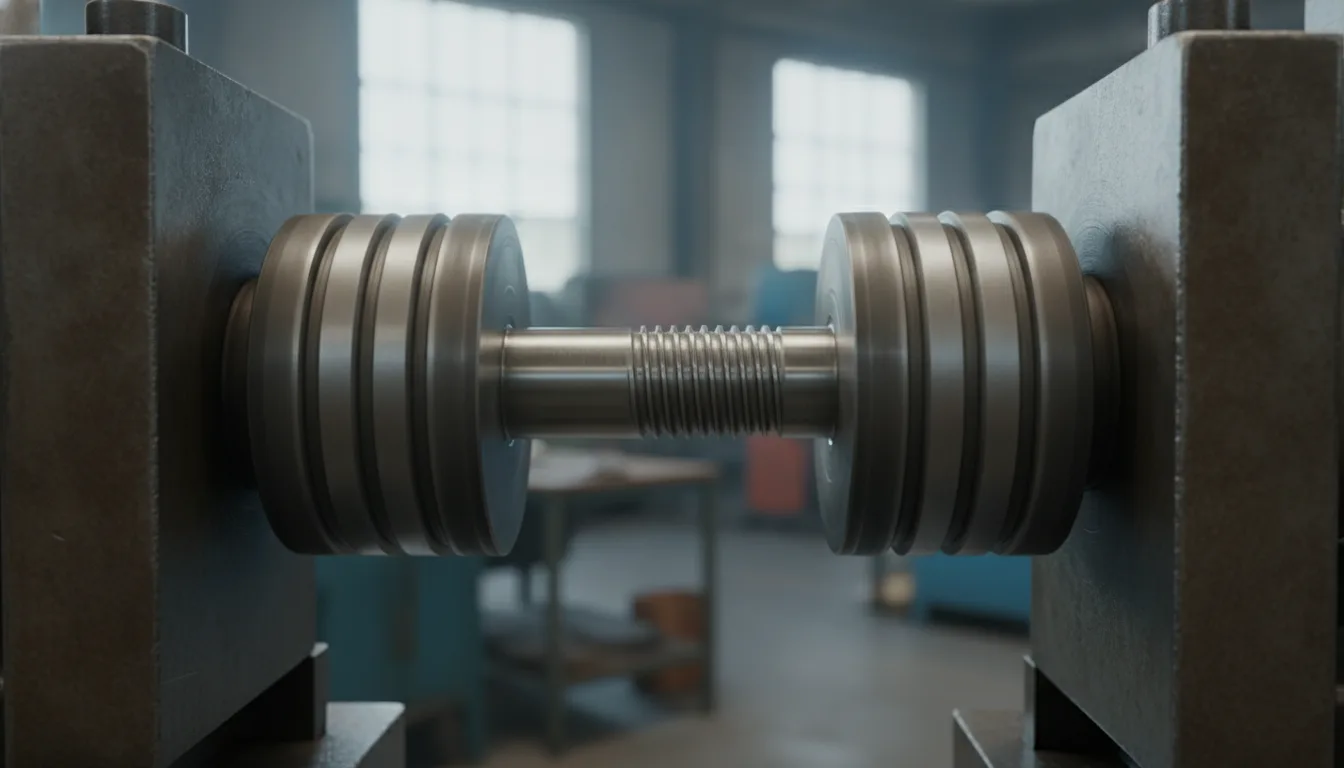
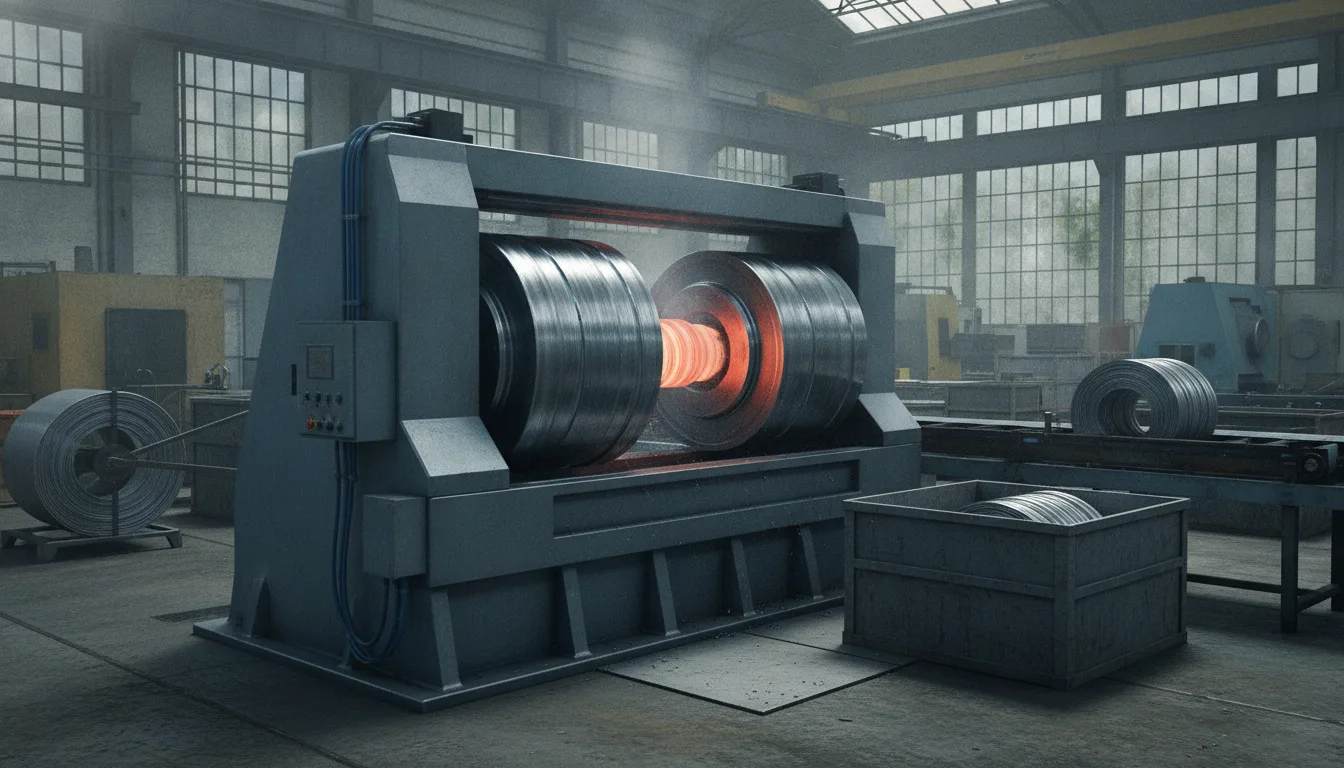
Thread rolling is a cold forming process: hardened dies (flat or cylindrical) displace metal under high pressure to form the thread profile — no material is cut away. Rolled threads have continuous grain flow, giving higher fatigue and tensile strength than cut threads. Key design input: blank diameter (material below pitch diameter is displaced during rolling).
Key Advantages
- ✓Higher fatigue and tensile strength due to continuous grain flow
- ✓No material waste — cold forming, not cutting
- ✓Smooth surface finish and improved thread accuracy
- ✓Faster production rates for high-volume fasteners
- ✓Suitable for high-strength property classes up to 12.9
Typical Applications
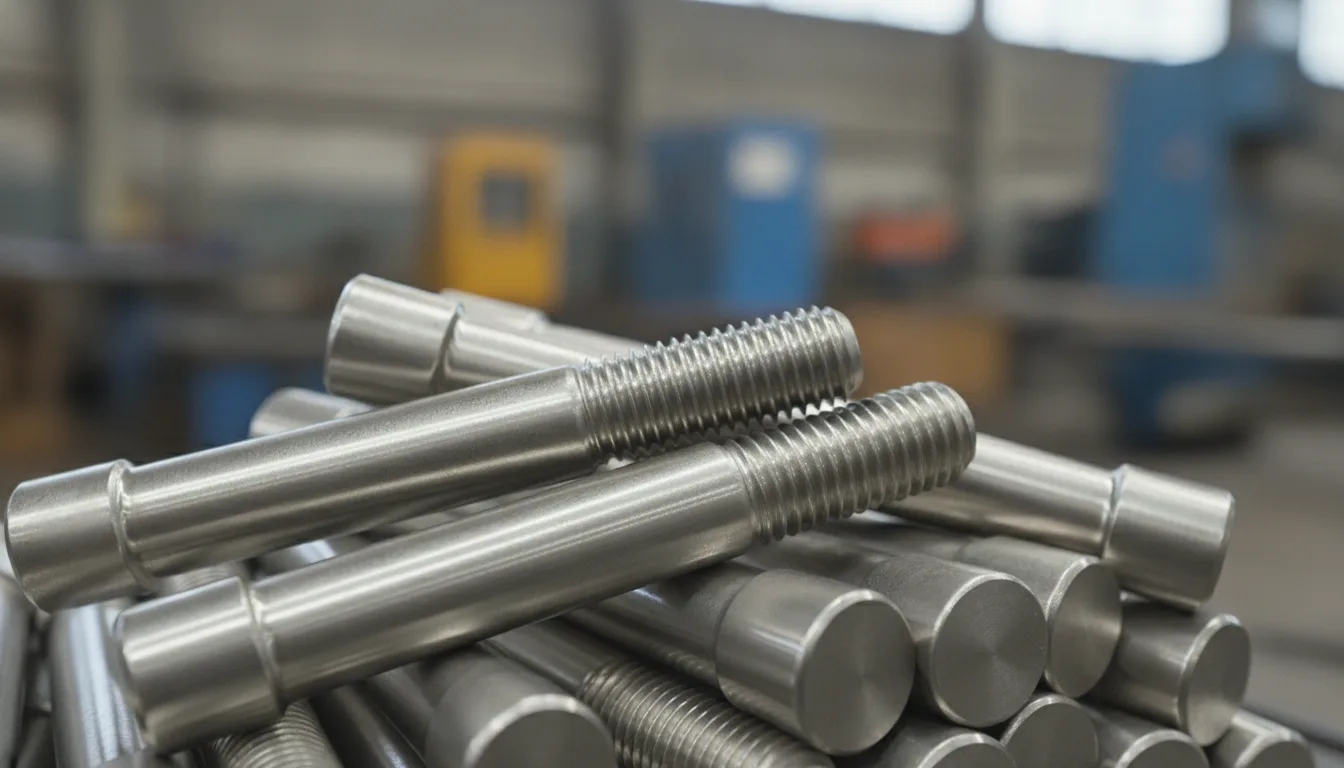
Thread rolling is used for high-strength bolts, screws, studs, and thread rolling screws that require superior mechanical performance. It is the preferred process for fasteners in automotive, construction, and industrial applications where fatigue resistance is critical.
Capability Envelope
| Diameter Range | M3–M36 (typical) |
| Property Classes | 4.8 / 8.8 (dominant) / 10.9 / 12.9 |
| Standards | ISO 898-1:2013, ISO 7085 |
| Thread Types | Metric coarse/fine, self-tapping (thread rolling screws) |
| Process Type | Cold forming (flat or cylindrical dies) |
| Surface Treatment | As-rolled, or with zinc plated per ISO 2081 / GB/T 9799 |
| SKU Volume | 3361 SKUs in live catalog |
| Lead Time | Confirmed by drawing review |
Typical capability ranges shown; final confirmation is subject to drawing review. We manufacture thread rolling fasteners, not thread rolling machines or thread rolling die head equipment. For thread rolling machine or thread rolling dies inquiries, please contact our sales team for fastener products.
Per ISO 898-1:2013 / ISO 7085 (drawing callouts take precedence)
Design & Cost Tips (DFM)
Leave tool radius on inside corners
Sharp internal corners are not machinable: R ≥ tool radius (R1.5–R3 typical). Smaller radii mean more tool changes and higher cost.
Thin walls and deep cavities
Wall thickness ≥per specification for aluminum and ≥per specification for steel is recommended. Cavities deeper than ~5× tool diameter need a drawing review first.
Tolerate only critical features
Tight tolerances everywhere means expensive everywhere. Put per drawing on mating features and leave the rest to ISO 2768-mK.
Rethink small threads
Deep blind tapped holes need runout allowance. Below M2, evaluate rivet nuts or wire thread inserts for better cost and consistency.
Finishing changes dimensions
Anodizing and plating add microns to surfaces. Mask precision fits or leave allowance — and state it on the drawing.
Cost structure and volume breaks
Material, machine time, finishing and inspection are quoted separately. Unit price breaks clearly at batch-dependent — tell us the target volume.
Selection Boundaries: When to Use, When Not
Good fit
- ✓High-strength fasteners requiring property classes 8.8, 10.9, or 12.9
- ✓Thread rolling screws (self-tapping type) that form mating threads in the workpiece
- ✓Applications demanding higher fatigue resistance than cut threads
- ✓Volume production of bolts, screws, and studs with consistent quality
Not recommended
- ✗Low-strength applications where cut threads are acceptable
- ✗Very large diameters beyond M36 (subject to machine capacity)
- ✗Threads requiring special forms not achievable by rolling (e.g., certain pipe threads)
- ✗Small quantities where thread cutting is more economical
Choosing between adjacent processes
Thread Cutting
Traditional machining process that cuts material to form threads. Suitable for low volumes or special thread forms, but lower fatigue strength.
Electro-Galvanizing
Surface finish option for rolled threads. Thickness specified by standard grades (e.g., Fe/Zn25/X). See whitepaper for corrosion comparison.
Process Flow
 1
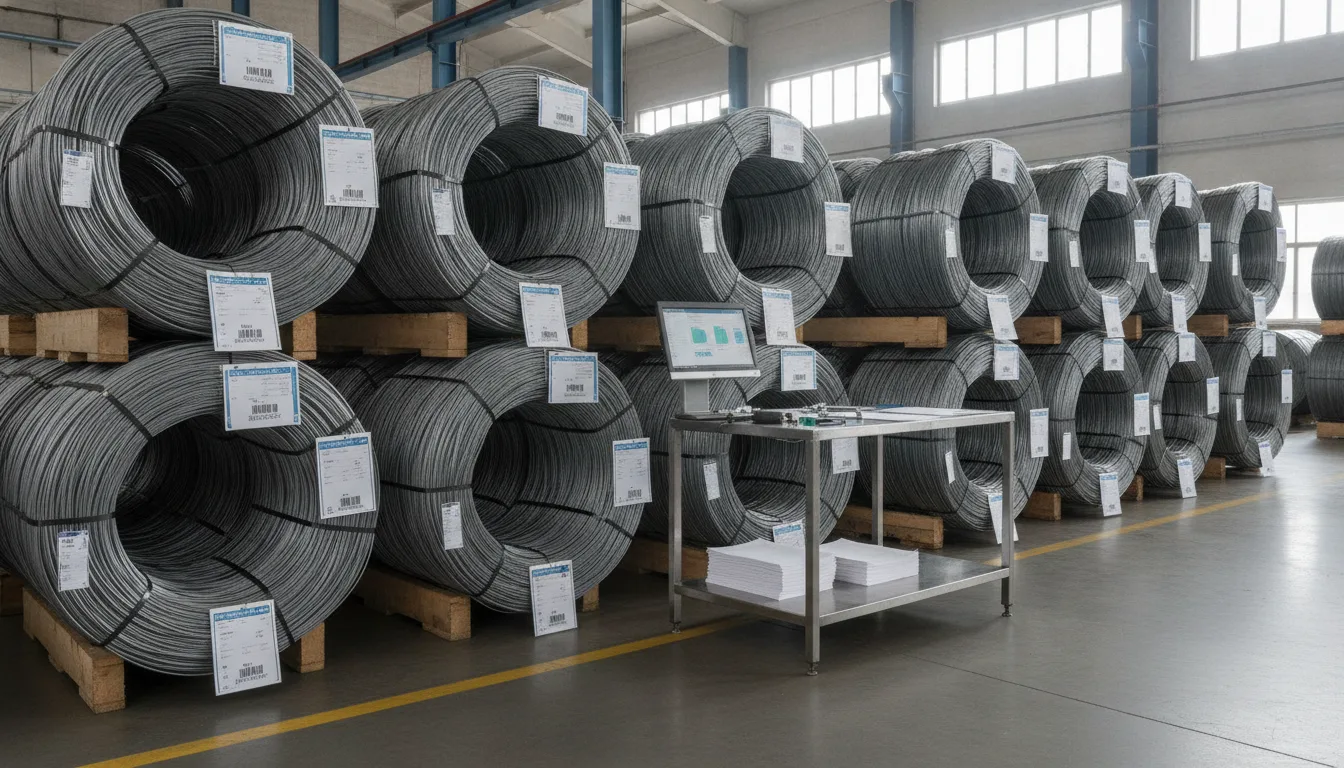
1Material Selection & Inspection
 2
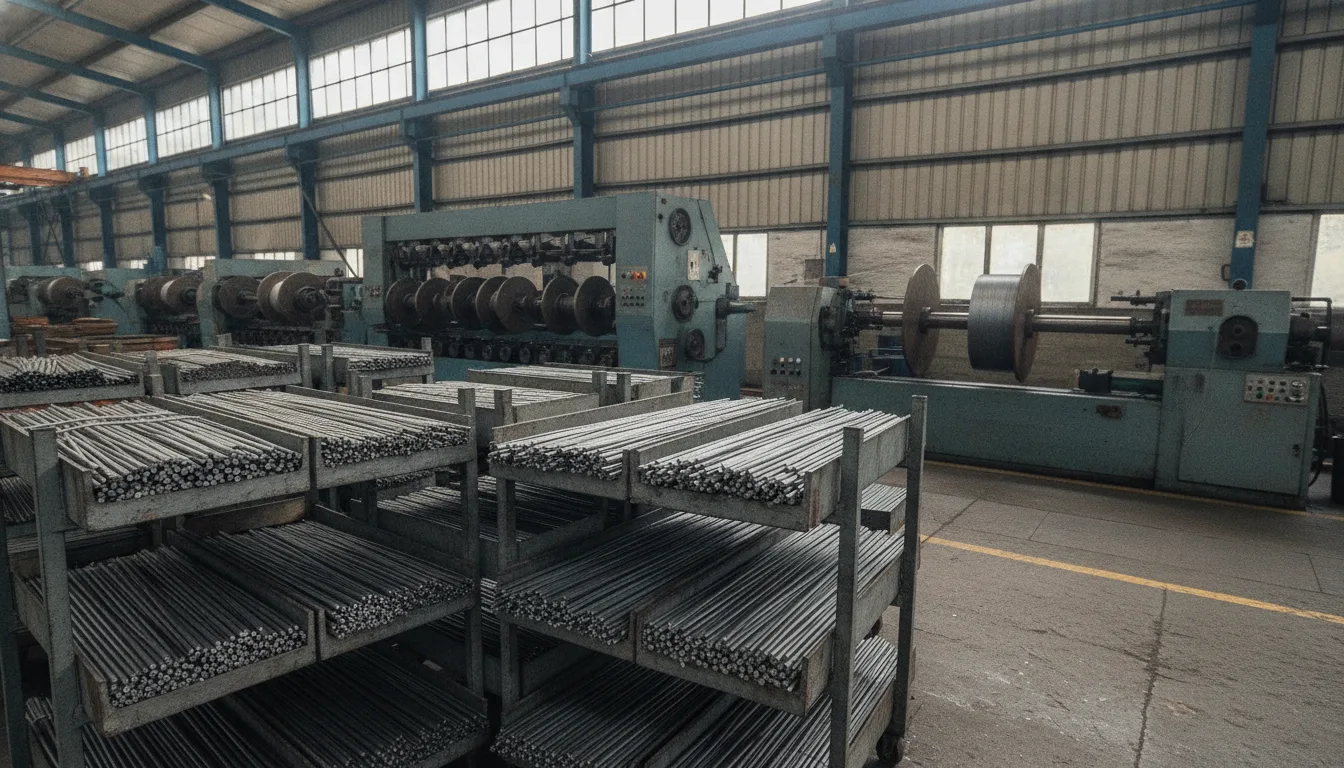
2Wire Drawing & Blank Preparation
 3
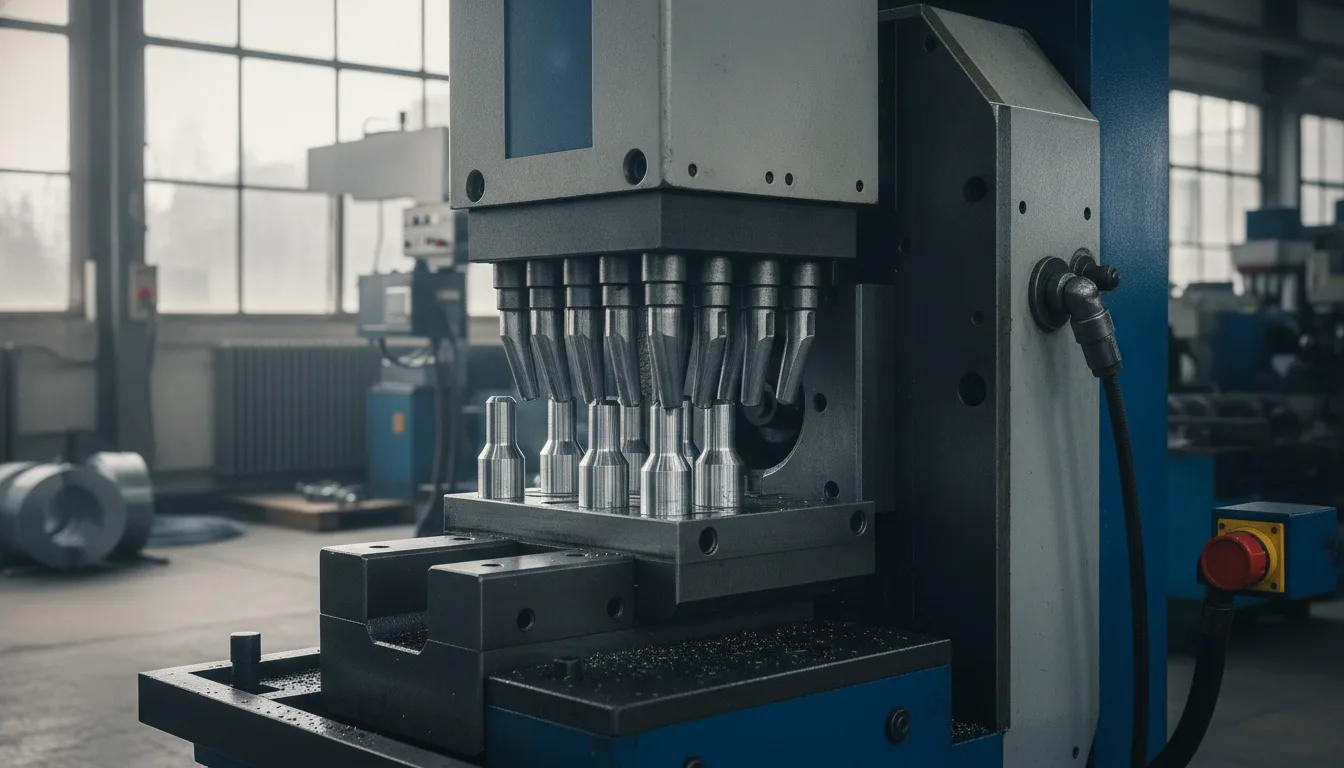
3Cold Heading (Forming Head Shape)
 4
4Thread Rolling (Flat or Cylindrical Dies)
 5
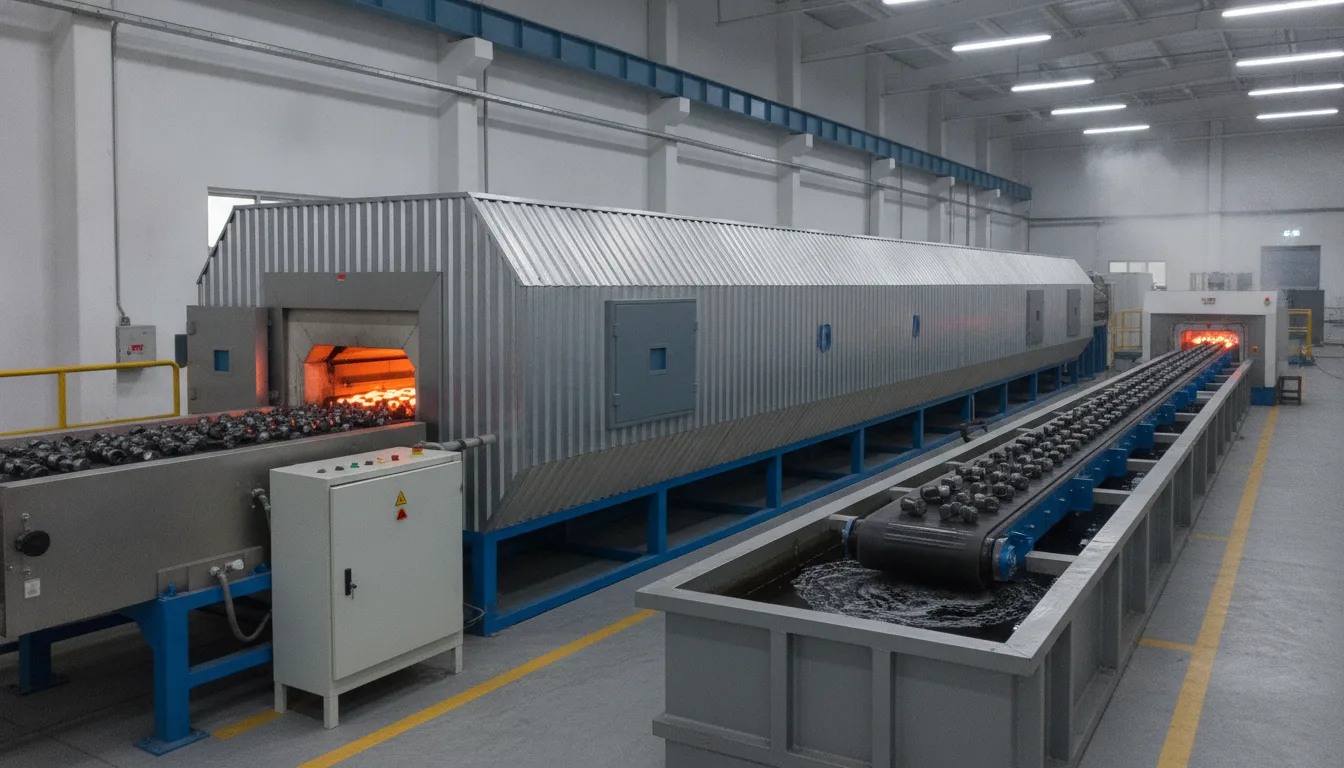
5Heat Treatment (for Property Classes 8.8 and Above)
 6
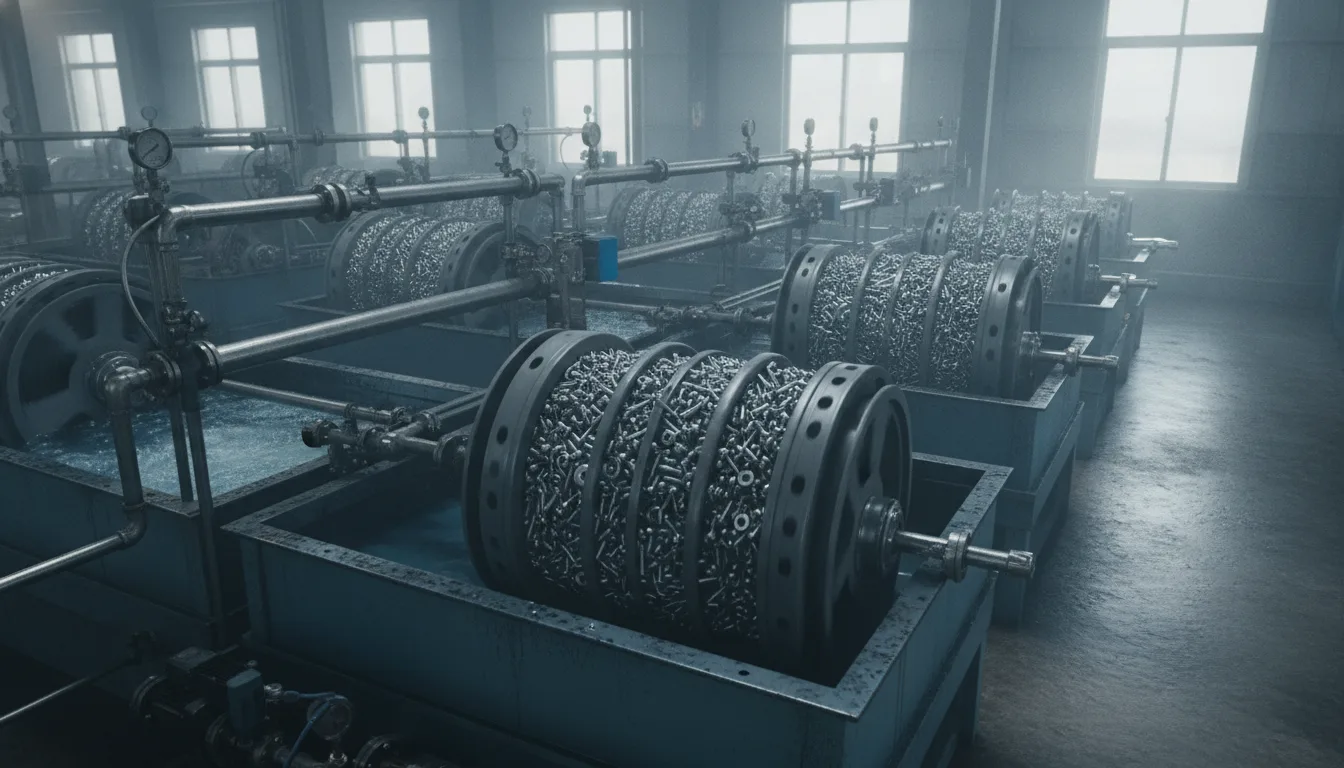
6Surface Finishing (e.g., Electro-Galvanizing)
 7
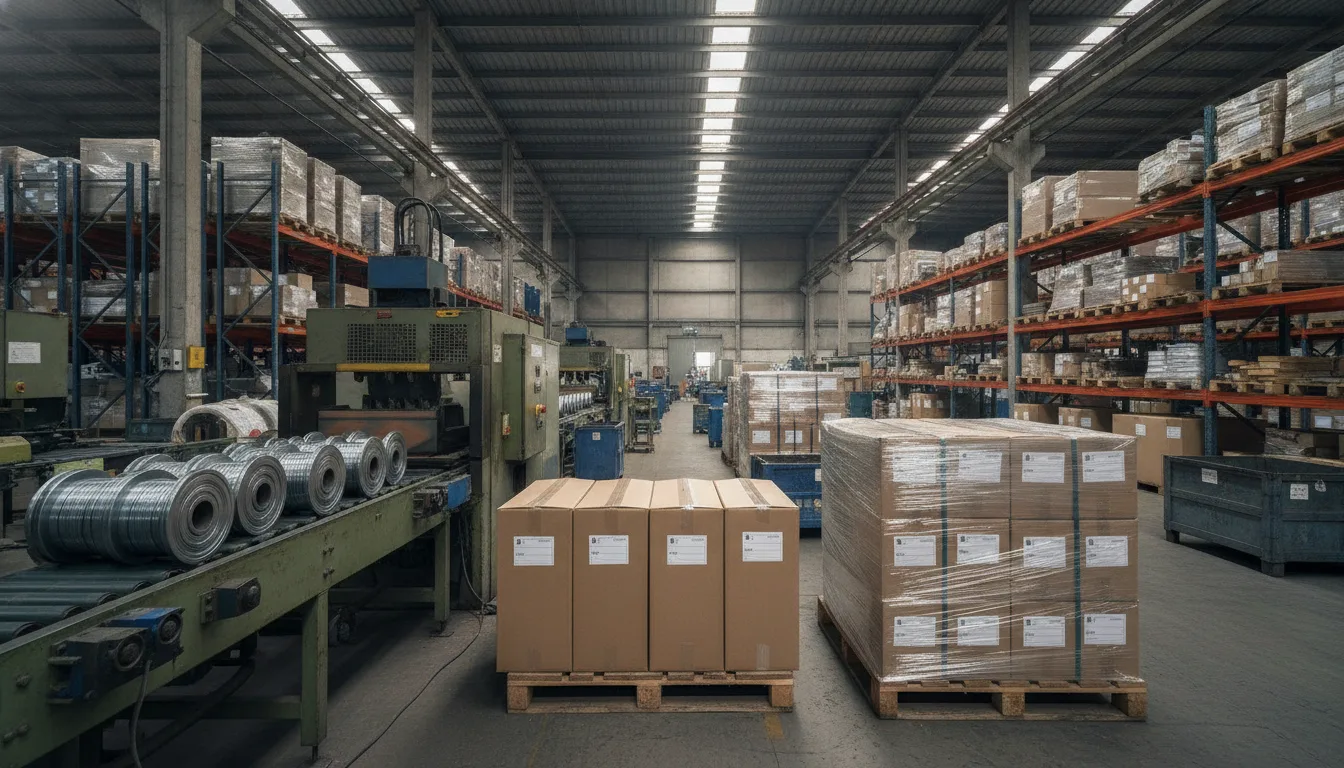
7Inspection & Packaging
Shop Floor & Inspection
Quality & Inspection

Inspection Capability
- •Quality & Inspection equipment per standard requirements
- •Hardness tester (Rockwell / Vickers)
- •Coating / dimension measurement instruments
- •Salt spray chamber (finish validation, per standard)
Available Reports
- •Full dimensional inspection report (FAI)
- •Material test certificate (MTC, lot traceable)
- •Process parameter records (heat treatment, surface finish)
- •Third-party testing (SGS/BV on request)
Industries & Typical Parts
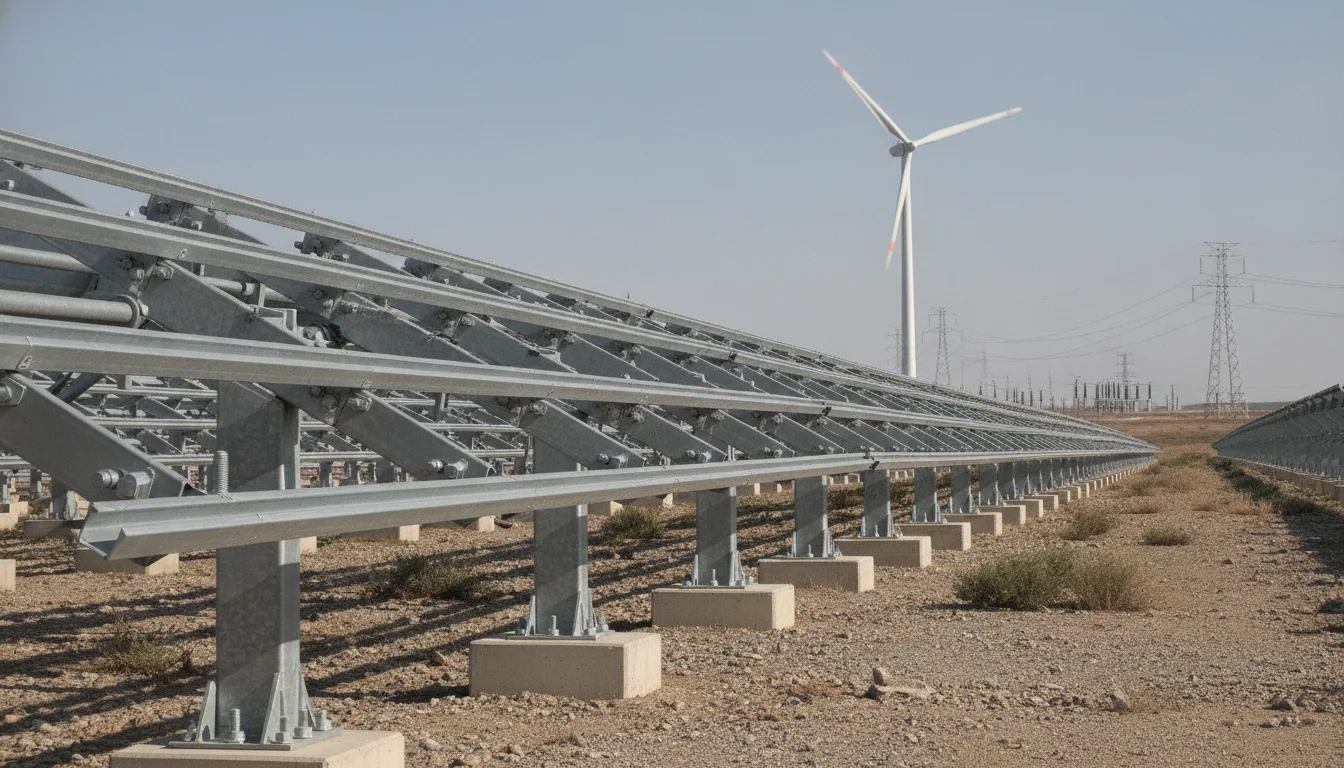
Power
- -Turbine foundation bolts
- -Transmission tower fasteners
- -Generator set studs

Agriculture
- -Tractor implement bolts
- -Harvester machine screws
- -Irrigation system fasteners
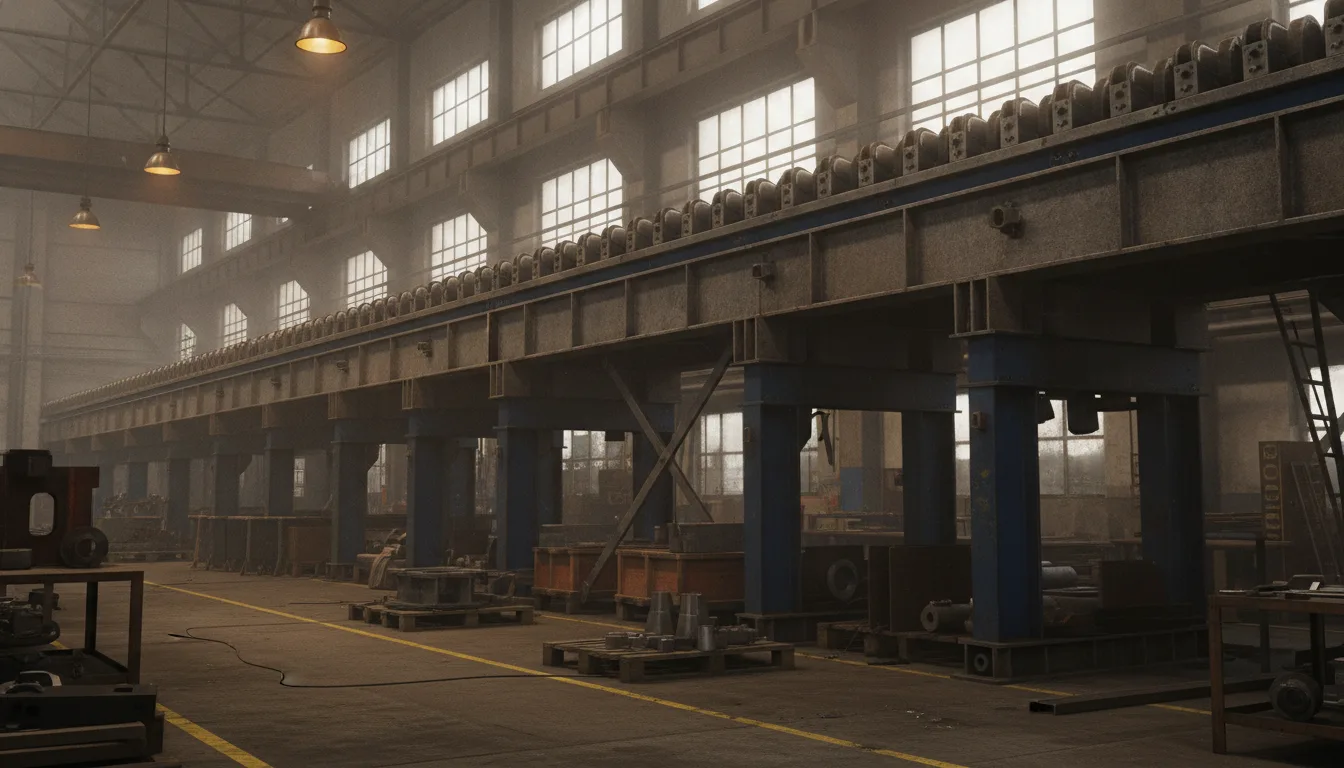
Industrial
- -Heavy machinery bolts
- -Conveyor system studs
- -Pump and valve fasteners

Municipal
- -Bridge structural bolts
- -Street lighting pole fasteners
- -Water treatment plant studs

Mining
- -Crusher bolts
- -Screen deck fasteners
- -Conveyor structure studs
FAQ
Need High-Strength Rolled Thread Fasteners?
Send us your drawings or specifications. Our engineers will review and provide a fast quote.
Send Drawings for a Quote →Related Processes
Precision CNC Machining
Milled/turned parts ready for further processing, tight tolerances
Related Whitepaper
Coating thickness vs salt spray hours — data for specification decisions
Fastener Catalog
Threaded fastener product line across diameter and property class options
Coastal Corrosion Selection
Stainless vs galvanized for coastal environments