
Preventing Eccentric Block Bolt Failure in Grain Screening
In grain processing, screening machine eccentric block bolts face alternating tensile loads. If an M10 8.8 grade bolt loosens, the eccentric block can fly out at 50-70 m/s, equivalent to a bullet. This page explains the failure chain and how to specify bolts with triple or quadruple locking to prevent accidents
RISK AUDIT // ENGINEERING DIAGNOSIS
Procurement Pitfall Guide
"In grain screening, a loosened eccentric block bolt can turn a several-kilogram block into a projectile at 50-70 m/s—here's how to prevent that failure."
QC-AUDIT // REV.5
SCALE 1:1 · 03 ITEMS
RISK-01
Screening machine eccentric block bolt loosens under alternating tensile load → eccentric block flies out → fatal accident
Corrective Measures
RISK-02
Pulse valve bolt loosens under high-pressure air pulse impact → filter bag damage + emissions exceed standards + environmental fines
Corrective Measures
RISK-03
Filter cloth batten bolts do not meet food-grade requirements → metal ion leaching → contaminates grain → product recall
Corrective Measures
FIELD-SPECIFIC INSIGHT
Critical Checks for Eccentric Block Bolt Safety
The most overlooked risk in grain screening is the eccentric block bolt. Under 960-1450 rpm, centrifugal force can reach several thousand Newtons, causing bolt loosening. A flying eccentric block can pierce the screen housing and cause fatal injury. Specify bolts with 8.8 grade or above, nylon lock nut, spring washer, and thread locking adhesive
WHAT TO CHECK
- 1Eccentric block bolt: M10 8.8 grade minimum, with triple locking (nylon nut + spring washer + adhesive) to prevent loosening under alternating load
- 2Pulse valve bolt: M8 8.8 grade, preload decays >40% after 100,000 pulses; use locking adhesive to maintain torque
- 3Filter cloth batten bolt: M6 316L stainless steel, food-grade per FDA or EU 1935/2004, to avoid nickel ion leaching into grain
- 4Replace if corrosion >5% surface area
| Check | Why it matters | What to specify |
|---|---|---|
| Bolt grade and locking method | Insufficient grade or locking leads to loosening and potential fatal accidents | 8.8 grade or above + nylon lock nut + spring washer + thread locking adhesive (triple locking) |
| Material for food contact | Non-food-grade stainless steel can leach nickel into grain, causing product recall | 316L stainless steel with passivation or electropolishing, FDA or EU 1935/2004 compliance |
| Pulse valve bolt preload retention | Preload decays >40% after 100,000 pulses, causing valve shift and filter bag damage | Use locking adhesive and specify re-torque interval per maintenance plan |
| Corrosion resistance | Corrosion weakens bolts and contaminates product | Hot-dip galvanizing >=55µm per ISO 1461 for carbon steel; 316L for high hygiene |
All torque values and inspection intervals should be confirmed with equipment manufacturer. Environmental conditions may require more frequent checks
Evidence level: source-page-only
INDUSTRY TECH REFERENCE
Food-Contact Fasteners: Three Hard Acceptance Rules
Filter cloth, screens, and their battens touch the grain directly — put these three rules into the acceptance spec; they beat a verbal "food grade".
All specs in this slot are hard requirements; no magnitude-estimate figures are used.
INDUSTRY TECH REFERENCE
Pulse-Valve Bolts: Torque, Locking, and Inspection Under Pulsed Impact
Pulse-valve bolts on a pulse dust collector take a beating from high-frequency air pulses — line up duty, torque, locking, and inspection against this table in one pass.
| Item | Spec | Basis / note |
|---|---|---|
| Pulse duty | 0.4–0.6 MPa (low-pressure pulse valve 0.2–0.3 MPa), 10–60 s intervals | Compressed-air pulses are the source of high-frequency impact |
| Size and locking | M8 grade 8.8; nylon-insert lock nut + thread-locking adhesive | Grade 8.8 per GB/T 3098.1 |
| Tightening torque | 23–26 N·m (75–80% of the 33 N·m ultimate torque) | Hand torque reaches only 2–3 N·m — nowhere near enough |
| Preload decay | >40% after about 100,000 pulses (engineering estimate) | Decay displaces the valve → misaligned injection → bags over-blasted or clogged → emissions out of spec |
| Inspection | Re-tighten quarterly | Paired with locking parts; never rely on initial torque alone |
Pulse pressure and intervals follow DMC series dust-collector sample data; M8 torque and ultimate torque follow the GB/T 3098.1 torque table; the >40% preload decay after ~100,000 pulses is a magnitude estimate.
INDUSTRY TECH REFERENCE
From Alternating Load to a Flying Eccentric Block: The Loosening Chain
Example: the fixing bolts of a screening-machine eccentric block — centrifugal force reverses direction every revolution, so the bolts carry an alternating pull, not a steady load. The chain runs:
- 1The motor spins the block at 960–1450 rpm; centrifugal force reaches several thousand newtons and changes direction every revolution — M10–M12 bolts carry an alternating tensile load
- 2With installation torque below spec, the alternating load hammers the joint and it backs off within hours
- 3Once preload is lost, the whole eccentric block works loose
- 4A flying eccentric block can pierce the housing and injure people
- 5Interception: grade 8.8 or higher + nylon-insert lock nut + spring washer; tighten M10 grade 8.8 with a torque wrench to 46–57 N·m (take 50 N·m); every week after shutdown, tap the head with a hammer — a dull thud means it is loose
"Backs off within hours" is qualitative wording with no separate figure, so no magnitude annotation applies; M10 torque follows the GB/T 3098.1 torque table.
INDUSTRY TECH REFERENCE
Three Grain-Room Bolt Groups: Inspection Rhythm and Criteria
The screener, pulse dust collector, and filter press each run on their own inspection rhythm — learn the cadence by location instead of waiting for a failure to report itself.
- Screener eccentric-block bolts: every week after shutdown, tap with a hammer — a dull thud means loose; re-tighten to spec immediately
- Pulse-valve bolts: re-tighten quarterly; check the locking parts (nylon-insert lock nut + thread-locking adhesive) at the same time — never rely on initial torque alone
- Filter-cloth batten bolts: check for rust and residue each time the cloth is changed — replace at once if rust appears; never grind it off (a roughened surface traps more)
- Sealing: pair the batten line with food-grade EPDM/PTFE gaskets (oil- and temperature-resistant), ordered together with the batten bolts
No magnitude-estimate figures are used.
INDUSTRY TECH REFERENCE
Screening, Dust Collection & Filtration: The Part-vs-Assembly Boundary
The most common mistake when buying fasteners for a grain-processing line is pricing the whole machine as a fastener — draw the line first.
In scope (small parts): screener eccentric-block bolts (grade 8.8 or higher + nylon-insert lock nut + spring washer), pulse-valve bolts (grade 8.8 + locking parts + thread-locking adhesive), filter-cloth batten bolts (304 stainless, M6–M8), and food-grade EPDM/PTFE gaskets. Out of scope: complete assemblies — screeners, pulse dust collectors, filter presses — supplied as packages by the OEM; only the small parts move through fastener procurement. Retrofits and spares can be ordered directly from the user side (the equipment departments of grain depots, mills, and feed plants); when ordering for a food plant, write the 304 mill sheet into the acceptance clause.
No figures require magnitude annotations.
PLAN COMPARISON
Three-Plan Core Parameter Comparison
Compare row by row. Click column headers to jump to plan details.
| A · Plan A · General Processing Workshop | B · Plan B · Export Processing Workshop | C · Plan C · Infant Food/High-End Export | |
|---|---|---|---|
| 1. ECCENTRIC BLOCK BOLT | |||
| SPEC | M10×40mm | M10×45mm | M10×45mm |
| MATERIAL | Carbon Steel + Hot-Dip Galvanized | Carbon Steel + Dacromet | 316L Stainless Steel |
| GRADE | 8.8 Grade | 10.9 Grade | A4-70 |
| FINISH | HDG >=55um per ISO 1461 | HDG >=55um per ISO 1461 | HDG >=55um per ISO 1461 |
| 2. PULSE VALVE BOLT | |||
| SPEC | M8×30mm | M8×35mm | M8×35mm |
| MATERIAL | Carbon Steel + Hot-Dip Galvanized | 304 Stainless Steel | 316L Stainless Steel |
| GRADE | 8.8 Grade | A2-70 | A4-70 |
| FINISH | HDG >=55um per ISO 1461 | HDG >=55um per ISO 1461 | HDG >=55um per ISO 1461 |
| 3. BATTEN BOLT | |||
| SPEC | M6×20mm | M6×25mm | M6×25mm |
| MATERIAL | 304 Stainless Steel | 316L Stainless Steel + Passivation | 316L Stainless Steel + Electropolishing Ra≤0.8μm |
| GRADE | A2-70 | A4-70 | A4-70 |
| FINISH | HDG >=55um per ISO 1461 | HDG >=55um per ISO 1461 | HDG >=55um per ISO 1461 |
SELECTION GUIDE
How to choose a fastener solution based on processing standards?
| Operating condition | Recommended option | Key basis |
|---|---|---|
| Domestic grain processing, no export requirements — general workshop (screening machine eccentric block at 960-1450 rpm; pulse valve at 0.4-0.6 MPa) | Plan A — 8.8 grade carbon steel (hot-dip galvanized) + double locking; eccentric block bolt with triple locking (nylon lock nut + spring washer + thread locking adhesive); batten bolt 304 (A2-70) | ISO 3506-1; ISO 12944-2 (C3); ISO 1461 hot-dip galvanizing >=55µm |
| Export processing workshop, requires food grade certification — food-contact batten bolts in weakly acidic grain (pH 4-5-6.5) | Plan B — 10.9 grade quadruple locking + 316L (A4-70) food grade batten with passivation + per-batch material certificate (third-party test report + traceability documents) | EU 1935/2004; ISO 3506-1; ISO 12944-2 (C4) |
| Infant food / EU organic certification — highest food hygiene standard | Plan C — full range 316L electropolished (Ra≤0.8µm) + FDA 21 CFR + EU 1935/2004 dual compliance declaration + test report | FDA 21 CFR 175.300; EU 1935/2004; ISO 12944-2 (C5-M) |
| Food-contact batten bolts — ordinary 304 contains about 8-10.5% nickel; weakly acidic grain (pH 4-5-6.5) can leach nickel ions; EU export detection of excessive nickel → entire batch rejected or destroyed | Require food grade: compliance declaration (FDA 21 CFR 175.300 or EU 1935/2004) + surface passivation + per-batch traceability + no sharp edges; preferably 316L; per-batch third-party test report for nickel/chromium/manganese leaching | FDA 21 CFR 175.300; EU 1935/2004 |
Plan A · General Processing Workshop
C3 (ISO 12944-2)
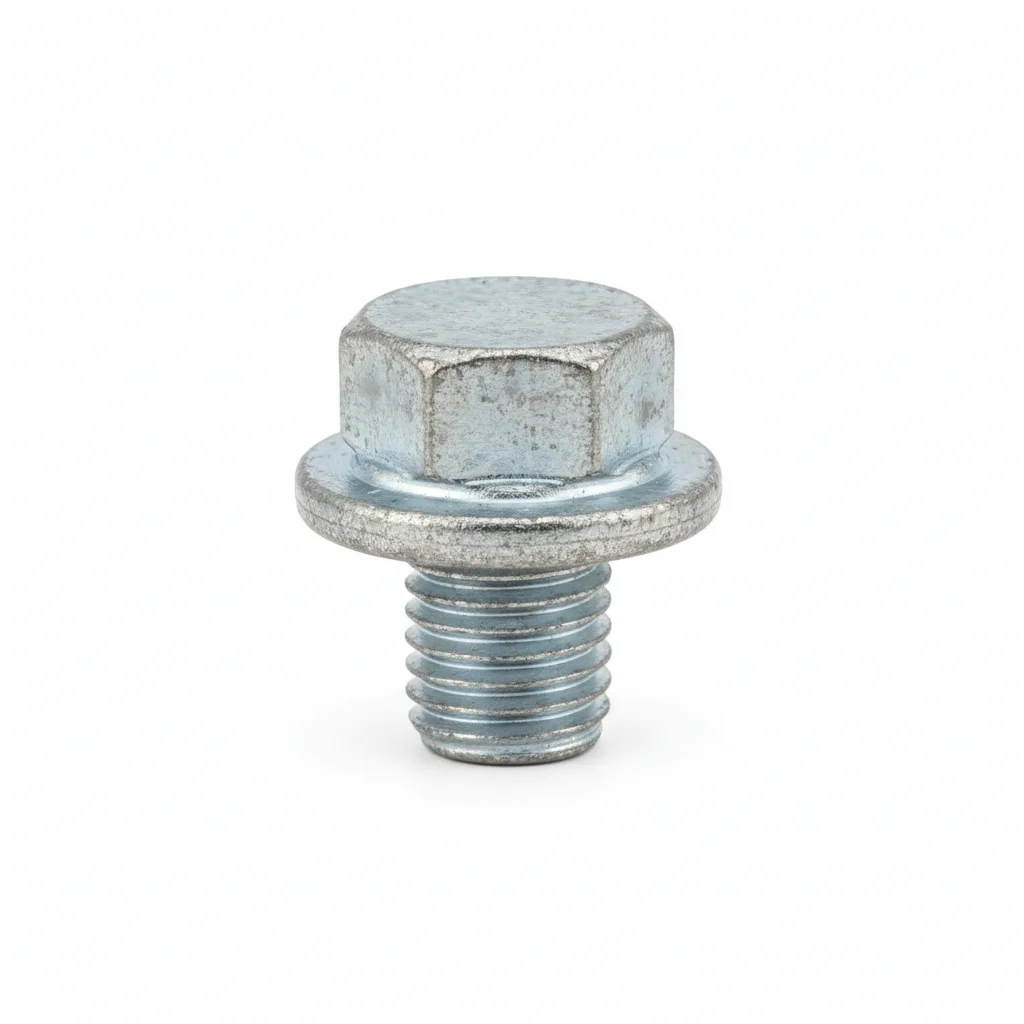
| Eccentric Block Bolt | Pulse Valve Bolt | Batten Bolt | |
|---|---|---|---|
| SPEC | M10×40mm | M8×30mm | M6×20mm |
| MATERIAL | Carbon Steel + Hot-Dip Galvanized | Carbon Steel + Hot-Dip Galvanized | 304 Stainless Steel |
| GRADE | 8.8 Grade | 8.8 Grade | A2-70 |
| FINISH | HDG >=55um per ISO 1461 | HDG >=55um per ISO 1461 | HDG >=55um per ISO 1461 |
| CORROSION | C3 (ISO 12944-2) | C3 (ISO 12944-2) | C3 (ISO 12944-2) |
| TEMP | -20°C to +80°C | -20°C to +80°C | -20°C to +80°C |
| WEIGHT | ~0.5 kg/piece | ~0.5 kg/piece | ~0.5 kg/piece |
| MOQ | 100 pcs | 100 pcs | 100 pcs |
| PACK | VCI paper + carton | VCI paper + carton | VCI paper + carton |
| STD | ISO 898-1, GB/T 3098.1 | ISO 898-1, GB/T 3098.1 | ISO 898-1, GB/T 3098.1 |
| USE | Screening machine eccentric block fixing + triple locking | Pulse dust collector valve body fixing | Filter cloth/screen batten fixing |
PROCEDURE
- Clean the eccentric block and housing mating surfaces, removing any debris or old adhesive residue.
- Apply thread locking adhesive (medium strength) to the M10×40mm bolt threads before insertion.
- Fit the spring washer and then the nylon lock nut; hand-tighten to seat the assembly.
- Use a calibrated torque wrench to tighten the M10 bolt to the nominal torque (approx. 50 N·m) specified for 8.8 grade.
- Mark the bolt head and nut with a paint stripe after torquing to visually indicate any loosening during shift checks.
COMMON ERRORS
| ✕ WRONG | CONSEQUENCE | ✓ CORRECT |
|---|---|---|
| Tightening the eccentric block bolt by feel or with an impact wrench without torque control. | Insufficient preload leads to loosening within hours; the eccentric block can fly out at 50-70 m/s, causing fatal injury. | Always use a calibrated torque wrench and tighten to the nominal torque (approx. 50 N·m) for M10 8.8 grade bolts. |
| Reusing an eccentric block bolt that has previously loosened, even after retightening. | Preload decay and possible micro-cracks at the thread root reduce reliability, risking catastrophic failure. | Replace any bolt that has loosened with a new one; do not reuse, as the original preload cannot be restored. |
MAINTENANCE
Inspect eccentric block bolts at each shift start after shutdown: tap the bolt head with a hammer and listen for a clear tone; if dull, retighten immediately to nominal torque. If loosening is detected, replace the bolt with a new one.
Plan B · Export Processing Workshop
C4 Harsh per ISO 12944-2
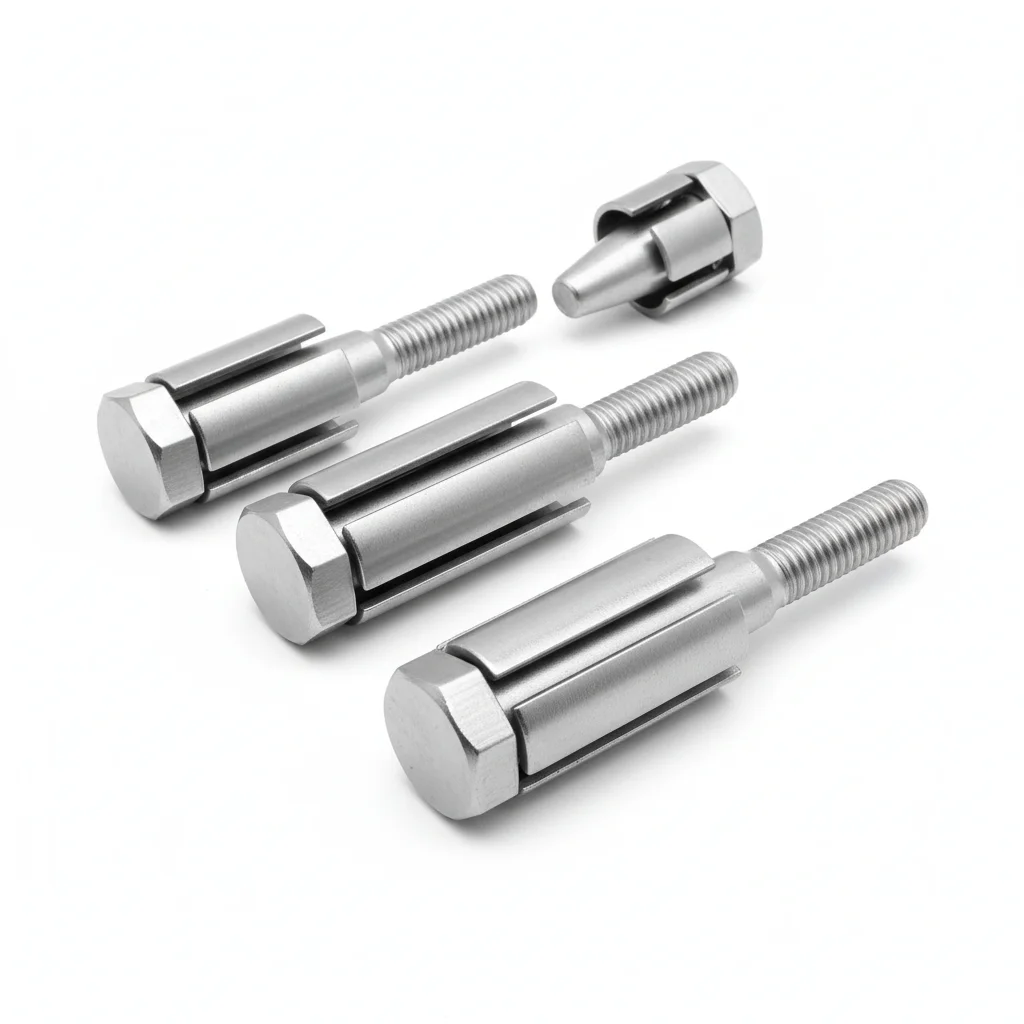
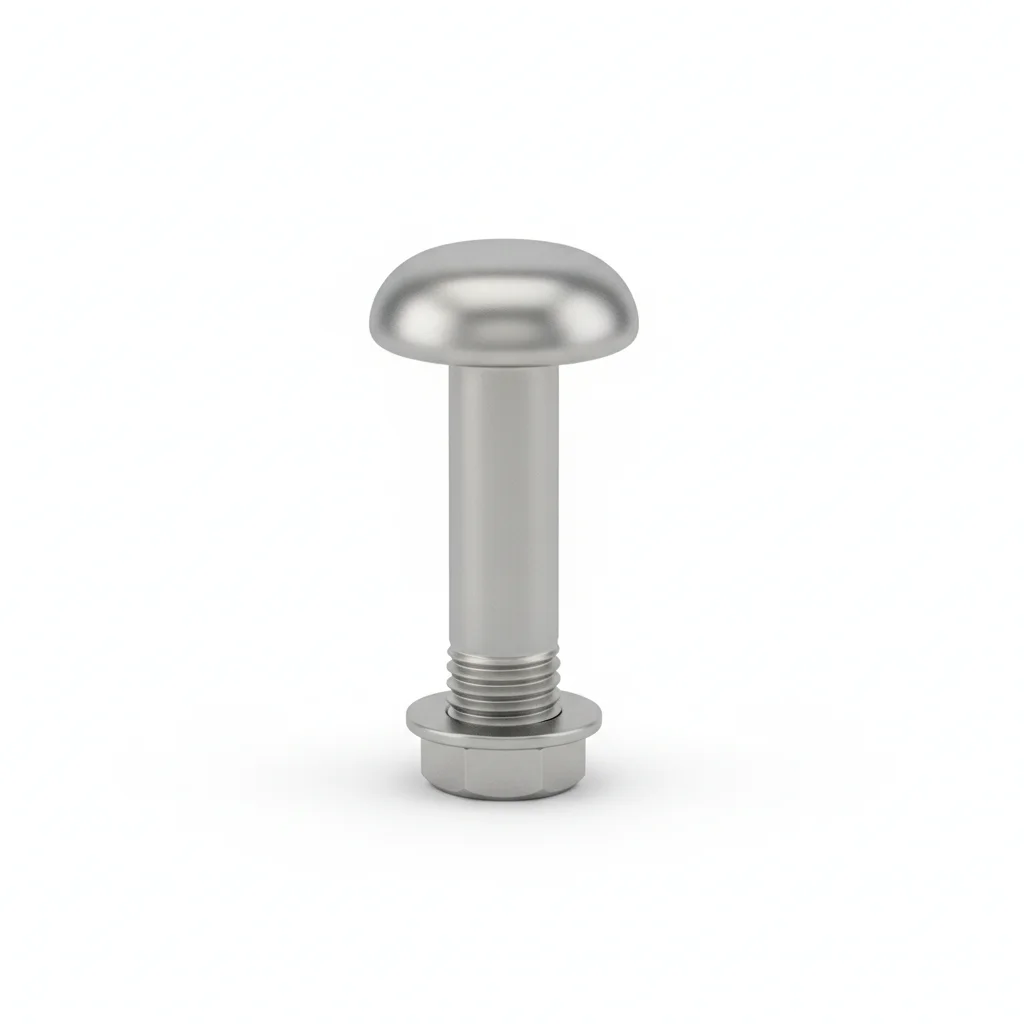
| Eccentric Block Bolt | Pulse Valve Bolt | Food Grade Batten Bolt | Food Grade Batten Bolt Material Certificate | |
|---|---|---|---|---|
| SPEC | M10×45mm | M8×35mm | M6×25mm | Provided per batch |
| MATERIAL | Carbon Steel + Dacromet | 304 Stainless Steel | 316L Stainless Steel + Passivation | — |
| GRADE | 10.9 Grade | A2-70 | A4-70 | — |
| FINISH | HDG >=55um per ISO 1461 | HDG >=55um per ISO 1461 | HDG >=55um per ISO 1461 | HDG >=55um per ISO 1461 |
| CORROSION | C3 (ISO 12944-2) | C3 (ISO 12944-2) | C3 (ISO 12944-2) | C3 (ISO 12944-2) |
| TEMP | -20°C to +80°C | -20°C to +80°C | -20°C to +80°C | -20°C to +80°C |
| WEIGHT | ~0.5 kg/piece | ~0.5 kg/piece | ~0.5 kg/piece | ~0.5 kg/piece |
| MOQ | 100 pcs | 100 pcs | 100 pcs | 100 pcs |
| PACK | VCI paper + carton | VCI paper + carton | VCI paper + carton | VCI paper + carton |
| STD | ISO 898-1, GB/T 3098.1 | ISO 898-1, GB/T 3098.1 | ISO 898-1, GB/T 3098.1 | ISO 898-1, GB/T 3098.1 |
| USE | Screening machine eccentric block + locking adhesive + nylon nut + spring washer | Rust prevention for pulse valve in high humidity/dust environment | Food contact surface fixing + EU 1935/2004 compliance | Third-party test report + traceability documents |
PROCEDURE
- Degrease mating surfaces with acetone; verify no residue remains before assembly.
- Apply thread locking adhesive (medium strength) to the M10 eccentric block bolt and M8 pulse valve bolt threads; for the food-grade batten bolt, use a food-safe anti-seize compound.
- Tighten eccentric block bolts to the specified torque using a calibrated wrench, then add a nylon lock nut and spring washer for quadruple locking.
- For the batten bolts, ensure they are seated flush with the batten surface; tighten evenly to avoid distorting the filter cloth frame.
- Verify all fasteners are correctly torqued with a torque wrench set to the nominal value; mark each bolt head with torque seal paint after inspection.
COMMON ERRORS
| ✕ WRONG | CONSEQUENCE | ✓ CORRECT |
|---|---|---|
| Using ordinary 304 stainless steel for batten bolts without passivation or food-grade certification. | Nickel ions can leach into grain under acidic conditions, leading to product rejection or export blacklisting. | Specify 316L stainless steel batten bolts with passivation and provide FDA or EU 1935/2004 compliance declarations per batch. |
| Retightening an eccentric block bolt that has loosened during operation without replacing it. | The bolt's preload has decayed and thread surfaces are worn; retightening may not restore reliability, risking eccentric block ejection. | Replace any eccentric block bolt that has loosened with a new one, and apply fresh thread locking adhesive. |
MAINTENANCE
Conduct a visual inspection of all eccentric block and pulse valve bolts seasonally, and after any major overhaul. Re-torque any bolt found loose to its specified torque; if loosening recurs, replace the bolt. For batten bolts, perform quarterly sampling of 10% with a torque wrench; if torque decay exceeds 20%, retighten the entire batch. Replace batten bolts whenever filter cloth or screens are changed, and collect used bolts for downgrade to non-food applications.
Plan C · Infant Food/High-End Export
C5-M Extreme per ISO 12944-2
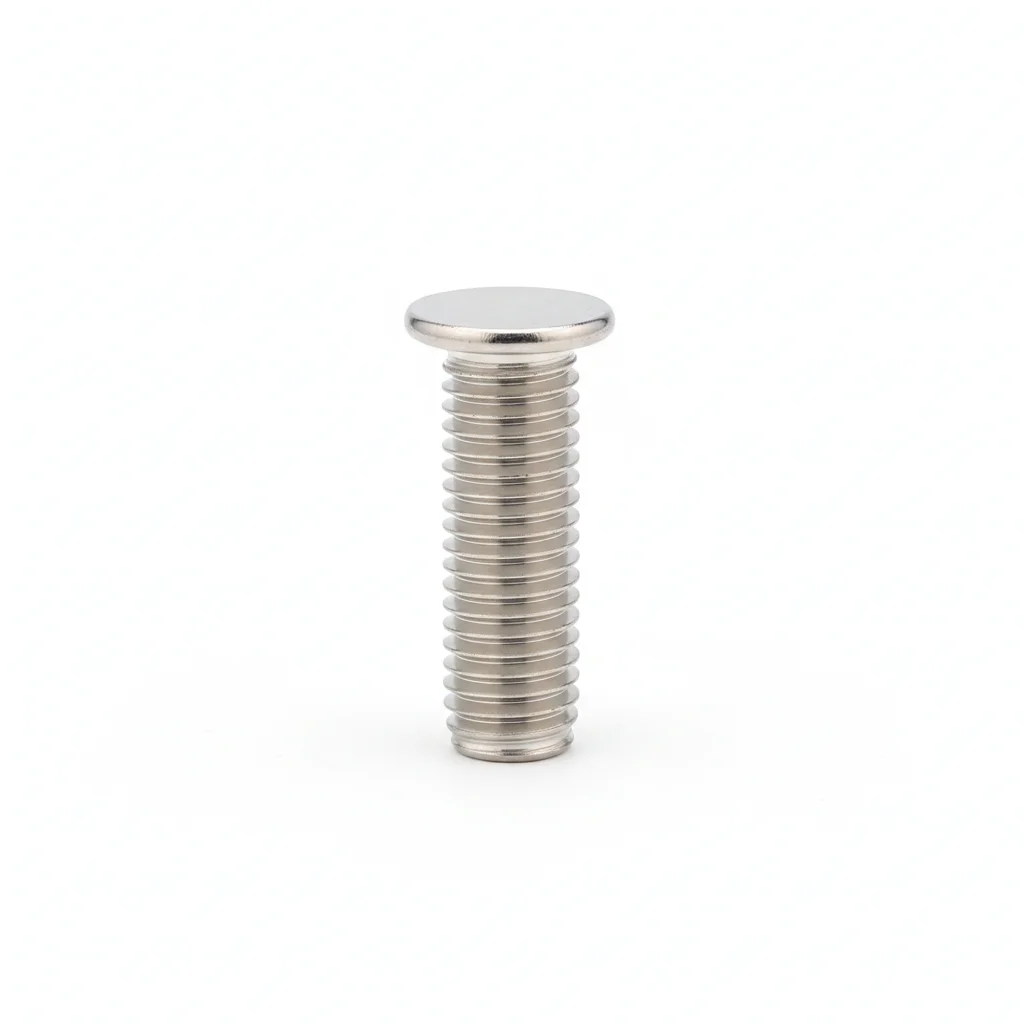
| Eccentric Block Bolt | Pulse Valve Bolt | Electropolished Food Grade Batten Bolt | Food Grade Dual Certification Documents (FDA | |
|---|---|---|---|---|
| SPEC | M10×45mm | M8×35mm | M6×25mm | Provided per batch |
| MATERIAL | 316L Stainless Steel | 316L Stainless Steel | 316L Stainless Steel + Electropolishing Ra≤0.8μm | — |
| GRADE | A4-70 | A4-70 | A4-70 | — |
| FINISH | HDG >=55um per ISO 1461 | HDG >=55um per ISO 1461 | HDG >=55um per ISO 1461 | HDG >=55um per ISO 1461 |
| CORROSION | C3 (ISO 12944-2) | C3 (ISO 12944-2) | C3 (ISO 12944-2) | C3 (ISO 12944-2) |
| TEMP | -20°C to +80°C | -20°C to +80°C | -20°C to +80°C | -20°C to +80°C |
| WEIGHT | ~0.5 kg/piece | ~0.5 kg/piece | ~0.5 kg/piece | ~0.5 kg/piece |
| MOQ | 100 pcs | 100 pcs | 100 pcs | 100 pcs |
| PACK | VCI paper + carton | VCI paper + carton | VCI paper + carton | VCI paper + carton |
| STD | ISO 898-1, GB/T 3098.1 | ISO 898-1, GB/T 3098.1 | ISO 898-1, GB/T 3098.1 | ISO 898-1, GB/T 3098.1 |
| USE | Eccentric block in high hygiene workshop + all stainless steel locking system | Pulse valve fixing for high hygiene requirements | Food contact surface + micro-pore-free surface, non-stick | FDA 21 CFR + EU 1935/2004 dual compliance declaration + test report |
PROCEDURE
- Clean all mating surfaces with MEK solvent and allow to dry completely; verify surface roughness Ra ≤0.8μm for electropolished batten bolts.
- For eccentric block and pulse valve bolts, apply thread locking adhesive (high strength) to threads; for batten bolts, use a food-grade anti-seize compound.
- Tighten eccentric block bolts with a torque wrench to the specified value, then install a nylon lock nut and spring washer; ensure the locking adhesive is fully cured.
- For batten bolts, use a cross-pattern tightening sequence to avoid warping the filter cloth frame; check that the bolt heads are smooth and free of burrs.
- After installation, perform a dye penetrant test on a 10% sample of critical bolts to detect any micro-cracks; document results for the compliance audit.
COMMON ERRORS
| ✕ WRONG | CONSEQUENCE | ✓ CORRECT |
|---|---|---|
| Using standard 316L bolts without electropolishing for food contact surfaces. | Micro-pores on the surface can harbor bacteria and increase metal ion migration, failing EU organic or infant food standards. | Specify electropolished 316L batten bolts with Ra ≤0.8μm to achieve a micro-pore-free, non-stick surface. |
| Assuming material grade alone ensures food safety; neglecting to request dual FDA and EU compliance documents. | Without batch-level traceability and third-party test reports, the exporter cannot prove compliance, risking rejection in high-end markets. | Request FDA 21 CFR and EU 1935/2004 dual compliance declarations and third-party test reports for each batch of food contact bolts. |
MAINTENANCE
Inspect all bolts visually at each overhaul window and seasonally for signs of corrosion or loosening. Re-torque any bolt that is loose to the specified value; if loosening recurs, replace the bolt. For batten bolts, perform quarterly torque sampling of 10% and replace any with torque decay exceeding 20%. Replace batten bolts whenever filter media is changed. Document all maintenance actions and retain material certificates for the compliance audit.
REFERENCED STANDARDS
Technical Basis & Reference Standards
US FDA food contact material standard — compliance basis for stainless steel fasteners used on food contact surfaces
Framework Regulation on Food Contact MaterialsEU regulation on food contact materials — requires metal ion migration not to exceed specific migration limits (SML)
Mechanical Properties of Stainless Steel FastenersBasis for material and strength selection of stainless steel fasteners
SUPPLIER CAPABILITY
Quality, Delivery & Customization
Quality Control
- ✓MTC material certificates with every batch
- ✓Key parts sampled for hardness/salt spray/torque coefficient
- ✓100% inspection or AQL sampling before shipment
Delivery
- ✓Standard parts made to order: 7-15 days
- ✓Custom parts: 25-45 days
- ✓FOB/CIF/DDP supported
Customization
- ✓Drawing review and material matching
- ✓Non-standard sizes/heads/threads
- ✓Small-batch prototyping supported
Certification
- ✓Material certificates (MTC)
- ✓Spectrographic analysis reports
- ✓Salt spray test reports (on request)
MOQ: No MOQ for standard parts; custom parts assessed by process complexity
FAQ
Frequently Asked Questions
RELATED READING
Keep Reading & Next Step
BEYOND TECHNICAL SPECS
Finding the right factory, controlling quality, delivering on time — that's the real challenge. We cover fasteners, rubber, plastics, industrial textiles. One team, end to end.
SEE CAPABILITIES →