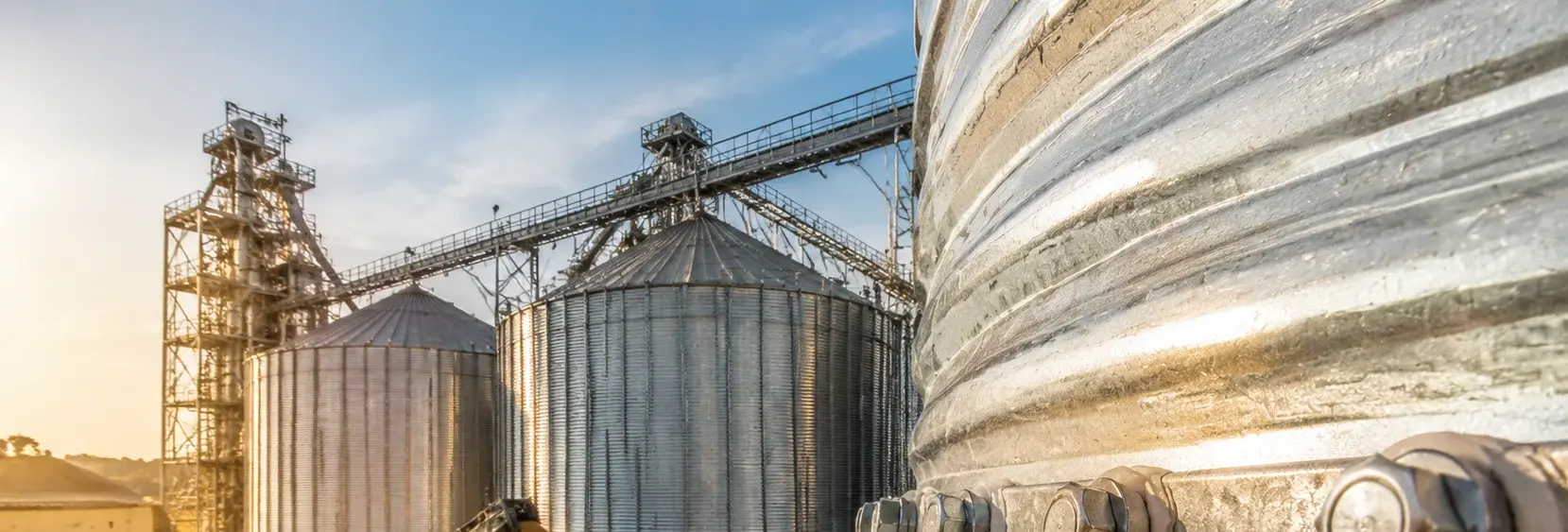
Grain Silo Wall Bolts: Organic Acid Corrosion Risk
Stored grain releases trace organic acids (fatty acids, lactic acid) that condense on silo walls at night, creating a pH 4-5 environment. Ordinary hot-dip galvanized bolts (zinc layer ≥8μm) can be penetrated in 2 years, leading to steel substrate corrosion, bolt diameter reduction, and eventual pull-out under wind load—causing silo collapse. This page explains the failure chain and how to specify corrosion-resistant fasteners.
RISK AUDIT // ENGINEERING DIAGNOSIS
Procurement Pitfall Guide
"The hidden cost of underestimating acid corrosion on silo fasteners."
QC-AUDIT // REV.5
SCALE 1:1 · 03 ITEMS
RISK-01
Grain organic acid corrosion → zinc plated layer penetrated in 1-2 years, hot-dip (≥40μm) in 4-10 years → steel substrate rusts → wall bolts pulled out → silo collapse risk
Corrective Measures
RISK-02
Hopper liner bolts loosen under grain impact → liner warps → jams the discharge gate
Corrective Measures
RISK-03
Roof ventilator fasteners loosen over time under wind vibration → rainwater seeps into the silo → grain mold
Corrective Measures
FIELD-SPECIFIC INSIGHT
Critical Checkpoints for Silo Fastener Corrosion Prevention
The most overlooked risk in grain silo fastener selection is the weak acid environment from grain respiration. Standard hot-dip galvanizing may fail within 2 years in pH 4-5 condensate. The table below outlines key inspection and specification points to prevent catastrophic failure.
WHAT TO CHECK
- 1Wall bolts in contact with grain condensate: specify 304 or 316L stainless steel (A2-70 or A4-70) for silos >500 tons to resist organic acid corrosion.
- 2Hopper liner bolts under impact: use countersunk bolts with grade 8.8 or stainless steel to prevent head sinking and liner warping.
- 3Roof ventilator bolts under wind vibration: apply lock nuts or thread-locking compound to maintain preload and prevent rainwater ingress.
- 4Sealant at ventilator base: use food-grade silicone to prevent water seepage that causes grain mold.
| Check | Why it matters | What to specify |
|---|---|---|
| Bolt material vs. environment | Grain condensate pH 4-5 consumes galvanized layer; standard HDG fails in 2 years. | For silos >500 tons or >10-year life, specify 304 SS (A2-70) or 316L (A4-70) per ISO 3506-1. |
| Bolt torque and preload retention | Wind vibration causes preload decay in M8 bolts, leading to gaps and water ingress. | Use lock nuts or torque recording labels; re-torque if below 80% of specified torque per maintenance schedule. |
| Liner bolt countersunk fit | Impact enlarges countersunk hole, bolt head sinks, liner warps, jams discharge gate. | Specify countersunk bolts with hardened washer or use stainless steel to resist deformation. |
| Ventilator base waterproofing | Loose bolts allow rainwater seepage, raising grain moisture and causing mold. | Apply food-grade silicone sealant between ventilator base and roof panel; inspect annually. |
All inspection intervals and torque values should be verified against the silo manufacturer's specifications. For existing silos, perform a bolt corrosion audit every 3 years.
Evidence level: source-page-only
INDUSTRY TECH REFERENCE
How Much a Silo Depends on Its Bolts
A steel silo is not welded into shape — it is assembled from thousands of bolts. Size up the structure and the inner-wall duty first, then talk coatings.
"Thousands of bolts" is order-of-magnitude wording, not flagged as an estimate.
INDUSTRY TECH REFERENCE
After the Zinc Penetrates: Failure Stages, Signals, and Intercepts
Zinc penetration is not the end — from rust and diameter loss to wall instability, each stage has a field signal and a criterion to act on.
| Failure stage | Field signal | Criterion / action |
|---|---|---|
| Zinc layer penetrated | Rust spots on the head and neck, neck diameter loss | Electroplated zinc penetrates in about 1 year; hot-dip zinc on threads ≥40 μm runs out in about 4–8 years — check every empty-silo period |
| Steel base rusting, section loss | Measure the bolt neck diameter with a caliper | Replace whole lots where the loss exceeds 15%; never bolt by bolt |
| Panel gaps widen → grain leaks | Grain seeps at the lap seam, panel gaps become visible | Replace the lot and reapply sealant in the bolt holes |
| Bolt pull-out under wind → local wall instability | Bolts fail one by one, the wall loses local stability | A structural event by then — repair costs far more than replacing bolts; intercept before the leak stage |
Penetration years (~1 year, ~4–8 years) are projected from the order-of-magnitude zinc consumption of 5–10 μm/yr and the coating thickness.
INDUSTRY TECH REFERENCE
The Acid Corrosion Chain: From Night Condensation to Wall Instability
Take the lap bolts of a steel silo — watch a weak-acid film eat through thousands of bolts and loosen the structure step by step. The chain runs:
- 1Stored grain keeps respiring, releasing trace organic acids — fatty acids and lactic acid
- 2At night the wall cools and the acid-laden moisture condenses at the panels and bolts into a weak-acid film at pH 4–5
- 3Zinc is amphoteric — it dissolves faster below pH 5; order-of-magnitude consumption 5–10 μm/yr
- 4Once the coating is penetrated, the steel base rusts, the bolt diameter shrinks, and the tension section gets smaller
- 5Gaps between panels widen and grain starts to leak
- 6As the gaps keep growing, wind loads pull the bolts out one by one and the wall loses local stability
- 7Intercept: put 304 (A2-70) on the inner-wall fasteners and stop the loss before the zinc penetrates
The 5–10 μm/yr zinc consumption is an order-of-magnitude estimate.
INDUSTRY TECH REFERENCE
The Annual Empty-Silo Window: Three Checks on Wall Bolts
Wall bolts can only be inspected when the silo is empty — once a year, do all three in one pass.
- Timing: the annual empty-silo window — grain-depot spare-part renewal concentrates in this window too
- Diameter criterion: measure the bolt neck with a caliper; replace whole lots once the loss passes 15%
- Bolt-hole sealing: pre-coat the hole with food-grade sealant during installation — drive the bolt in wet so the sealant fills the shaft-to-wall clearance and blocks condensate creeping down the shaft
- Rust signal: rust around a bolt head means water has already entered that hole — strip it, clean, reseal, and reinstall; do not wait for it to break
This slot uses no magnitude-estimate figures.
INDUSTRY TECH REFERENCE
Stocking Silo Spares: Batch, Timing, and the Material Sheet
Wall bolts are a standing consumable for grain depots — line up batch size, replacement timing, and material proof before you order.
- Batch by silo: wall bolts run into the thousands per silo — stock the whole silo in one order
- Align timing with the empty-silo window: replacement concentrates there; order with the annual service visit instead of waiting for a leak to force emergency stock
- Source straight from the user side: retrofits and spares can be ordered directly from the equipment department of a grain depot or mill, without going through the plant OEM
- Material proof: supply the 304 mill sheet with every batch — grain-processing plants hold material certification to a strict standard; put it in the acceptance clause
"In the thousands per silo" is order-of-magnitude wording, not flagged as an estimate.
PLAN COMPARISON
Three-Plan Core Parameter Comparison
Compare row by row. Click column headers to jump to plan details.
| A · Plan A · Small Silo Standard | B · Plan B · Large Grain Depot Enhanced | C · Plan C · Port Transfer Silo/Airtight Silo | |
|---|---|---|---|
| 1. HOT-DIP GALVANIZED WALL LAP BOLT | |||
| SPEC | M8-M12 | M10-M12 | M12 |
| MATERIAL | Carbon Steel + Hot-Dip Galvanized ≥85μm | 304 Stainless Steel | 316L Stainless Steel |
| GRADE | Grade 8.8 | A2-70 | A4-70 |
| FINISH | HDG >=55um per ISO 1461 | HDG >=55um per ISO 1461 | HDG >=55um per ISO 1461 |
| 2. GALVANIZED COUNTERSUNK LINER BOLT | |||
| SPEC | M10-M12 | M10-M12 | M12 |
| MATERIAL | Carbon Steel + Hot-Dip Galvanized | 304 Stainless Steel | 316L Stainless Steel |
| GRADE | Grade 8.8 | A2-70 | A4-70 |
| FINISH | HDG >=55um per ISO 1461 | HDG >=55um per ISO 1461 | HDG >=55um per ISO 1461 |
| 3. GALVANIZED VENTILATOR FASTENING BOLT | |||
| SPEC | M8×30mm | M8×35mm | M8×40mm |
| MATERIAL | Carbon Steel + Hot-Dip Galvanized | 304 Stainless Steel | 316L Stainless Steel + EPDM Airtight Gasket |
| GRADE | Grade 8.8 | A2-70 | A4-70 |
| FINISH | HDG >=55um per ISO 1461 | HDG >=55um per ISO 1461 | HDG >=55um per ISO 1461 |
| 4. SILICONE WEATHER-RESISTANT SEALANT | |||
| SPEC | Neutral Silicone | Neutral Silicone + Food Grade | Waterproof PET Label + Zinc-Rich Paint |
| MATERIAL | EPDM Rubber | EPDM Rubber | PET + Zinc-Rich Primer |
| FINISH | HDG >=55um per ISO 1461 | HDG >=55um per ISO 1461 | HDG >=55um per ISO 1461 |
SELECTION GUIDE
How to choose a bolt solution based on silo size?
| Operating condition | Recommended option | Key basis |
|---|---|---|
| Small temporary grain silo (<500 tons), limited budget | Plan A: hot-dip galvanized wall bolts (HDG ≥85 μm, Grade 8.8) + carbon steel liner bolts | ISO 1461 (HDG ≥85 μm); C3 per ISO 12944-2 |
| Large grain depot (500-5000 tons), organic acid corrosion from grain respiration (pH 4-5) | Plan B: 304 stainless steel wall bolts (A2-70) + 304 liner bolts + nylon lock nuts + food-grade sealant | ISO 3506-1 (A2-70); C4 Harsh per ISO 12944-2 |
| Port transfer/airtight/fumigation silo, airtight + high corrosion protection | Plan C: 316L stainless steel bolts (A4-70) + EPDM airtight gaskets + torque recording labels | ISO 3506-1 (A4-70); GB 50322 (grain steel silo design); C5-M per ISO 12944-2 |
Plan A · Small Silo Standard
C3 per ISO 12944-2; HDG ≥85 μm per ISO 1461
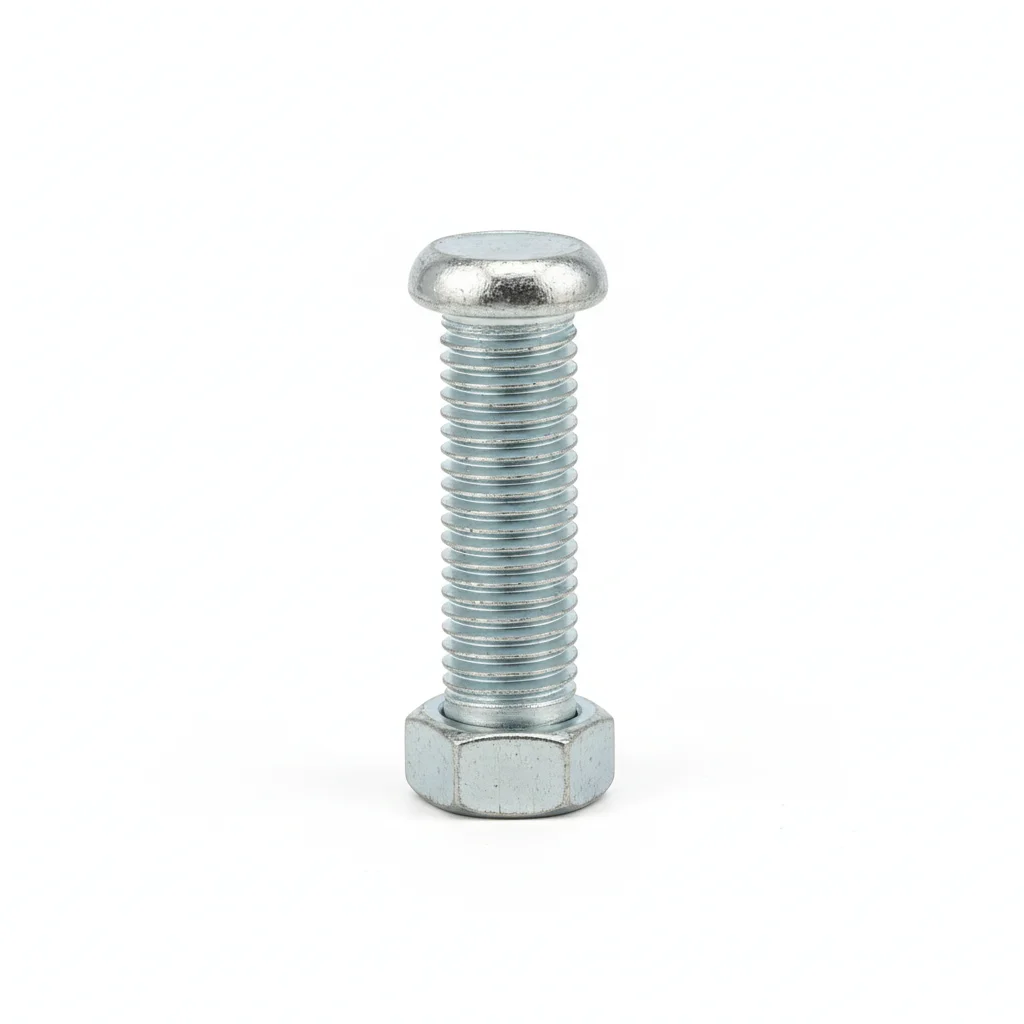
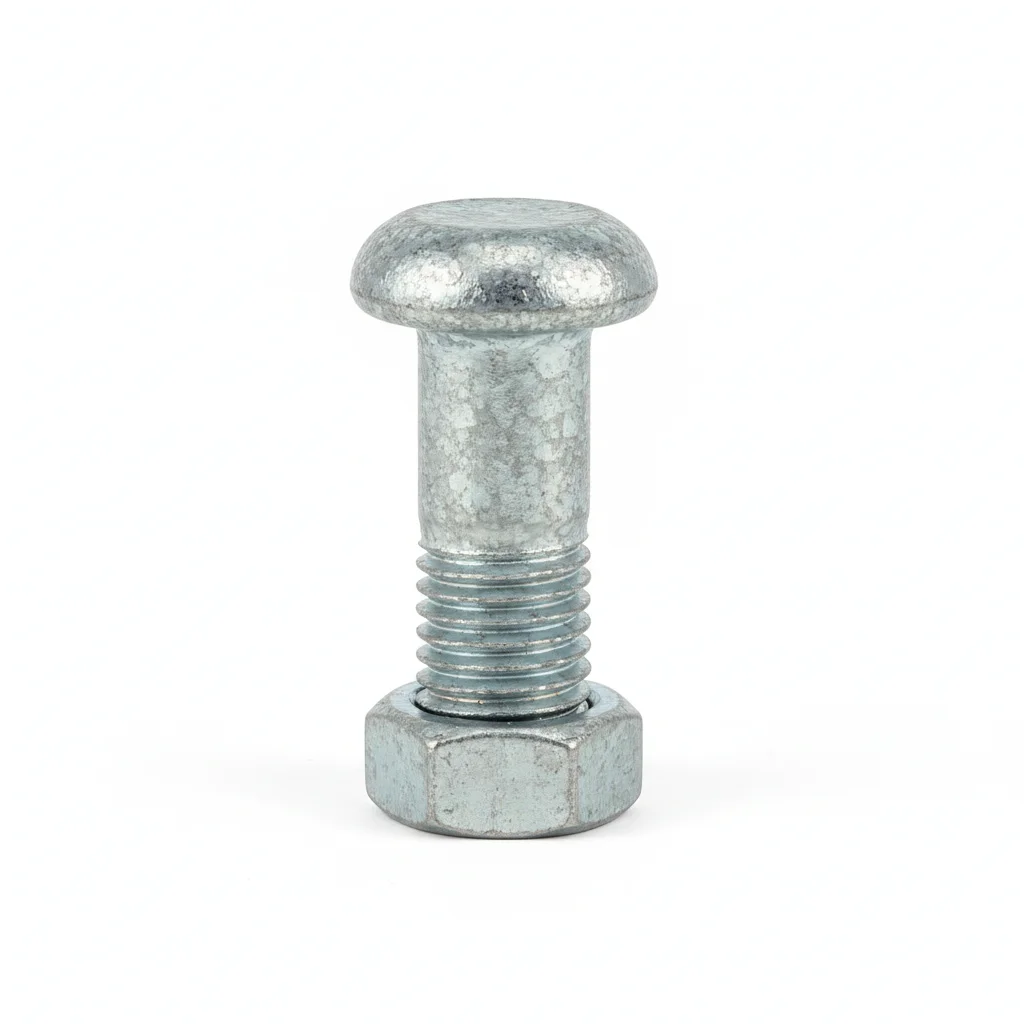
| Hot-Dip Galvanized Wall Lap Bolt | Galvanized Countersunk Liner Bolt | Galvanized Ventilator Fastening Bolt | Silicone Weather-Resistant Sealant | |
|---|---|---|---|---|
| SPEC | M8-M12 | M10-M12 | M8×30mm | Neutral Silicone |
| MATERIAL | Carbon Steel + Hot-Dip Galvanized ≥85μm | Carbon Steel + Hot-Dip Galvanized | Carbon Steel + Hot-Dip Galvanized | EPDM Rubber |
| GRADE | Grade 8.8 | Grade 8.8 | Grade 8.8 | — |
| FINISH | HDG >=55um per ISO 1461 | HDG >=55um per ISO 1461 | HDG >=55um per ISO 1461 | HDG >=55um per ISO 1461 |
| CORROSION | C3 (ISO 12944-2) | C3 (ISO 12944-2) | C3 (ISO 12944-2) | Not applicable (polymer) |
| TEMP | -20°C to +80°C | -20°C to +80°C | -20°C to +80°C | -20°C to +80°C |
| WEIGHT | ~0.5 kg/piece | ~0.5 kg/piece | ~0.5 kg/piece | ~0.5 kg/piece |
| MOQ | 100 pcs | 100 pcs | 100 pcs | 100 pcs |
| PACK | VCI paper + carton | VCI paper + carton | VCI paper + carton | VCI paper + carton |
| STD | ISO 898-1, GB/T 3098.1 | ISO 898-1, GB/T 3098.1 | ISO 898-1, GB/T 3098.1 | ISO 898-1, GB/T 3098.1 |
| USE | Silo wall corrugated panel lap connection | Hopper wear-resistant liner fixation | Roof ventilator base fixation | Ventilator base waterproof sealing |
PROCEDURE
- Drill bolt holes in wall panels to match M8–M12 diameters; deburr edges to avoid damaging the zinc coating.
- Apply a bead of neutral silicone sealant around the hole perimeter on the inner wall before inserting the bolt.
- Insert hot-dip galvanized bolt (Grade 8.8) through the panel; add a flat washer and nut on the opposite side.
- Tighten to snug, then torque to the value specified by the silo designer (e.g., for M10, about 35 N·m); avoid over-torquing which can strip galvanized threads.
- Inspect the zinc coating for scratches after installation; touch up any damaged areas with zinc-rich paint.
COMMON ERRORS
| ✕ WRONG | CONSEQUENCE | ✓ CORRECT |
|---|---|---|
| Using ordinary zinc-plated bolts (5-8 μm) on the inner wall where organic acid condensate forms. | Zinc layer penetrates within 1-2 years, exposing steel substrate to pH 4-5 acid, leading to rapid corrosion and bolt pull-out. | Specify hot-dip galvanized bolts with ≥85 μm coating (per ISO 1461) for outer wall; on inner wall, use 304 stainless steel (A2-70) even in Plan A for areas with condensate contact. |
| Installing bolts without sealing the hole against condensate seepage. | Moisture and organic acids wick along the bolt shaft, accelerating corrosion from the inside and weakening the joint unseen. | Pre-apply food-grade sealant inside the bolt hole and around the head to block moisture ingress. |
MAINTENANCE
When the silo is empty, inspect wall bolts at least annually; measure the bolt neck diameter with a caliper and replace the entire batch if any layer shows >15% reduction. Check liner bolts for looseness by tapping with a hammer; replace any that sound dull. Before typhoon season, verify ventilator bolts are tight and reapply silicone sealant if aged (2-3 years).
Plan B · Large Grain Depot Enhanced
C4 Harsh per ISO 12944-2
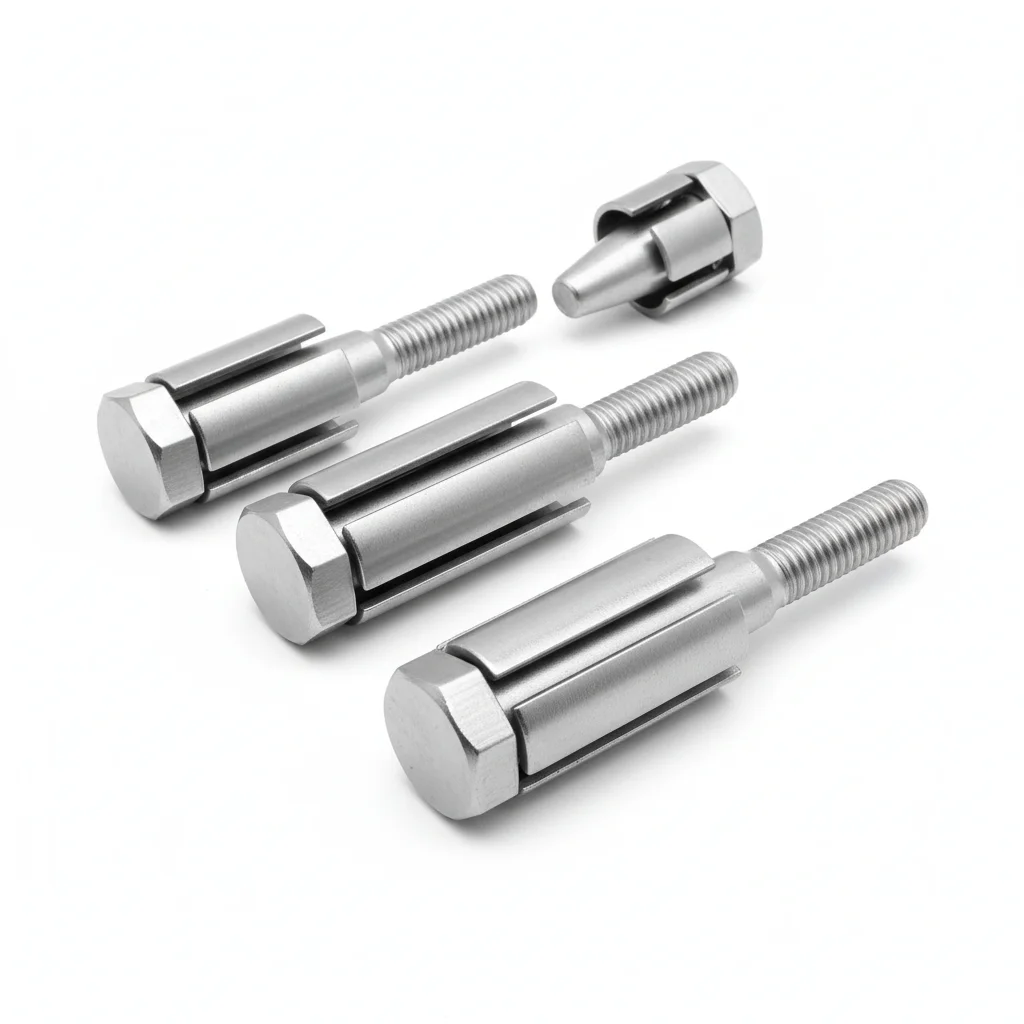
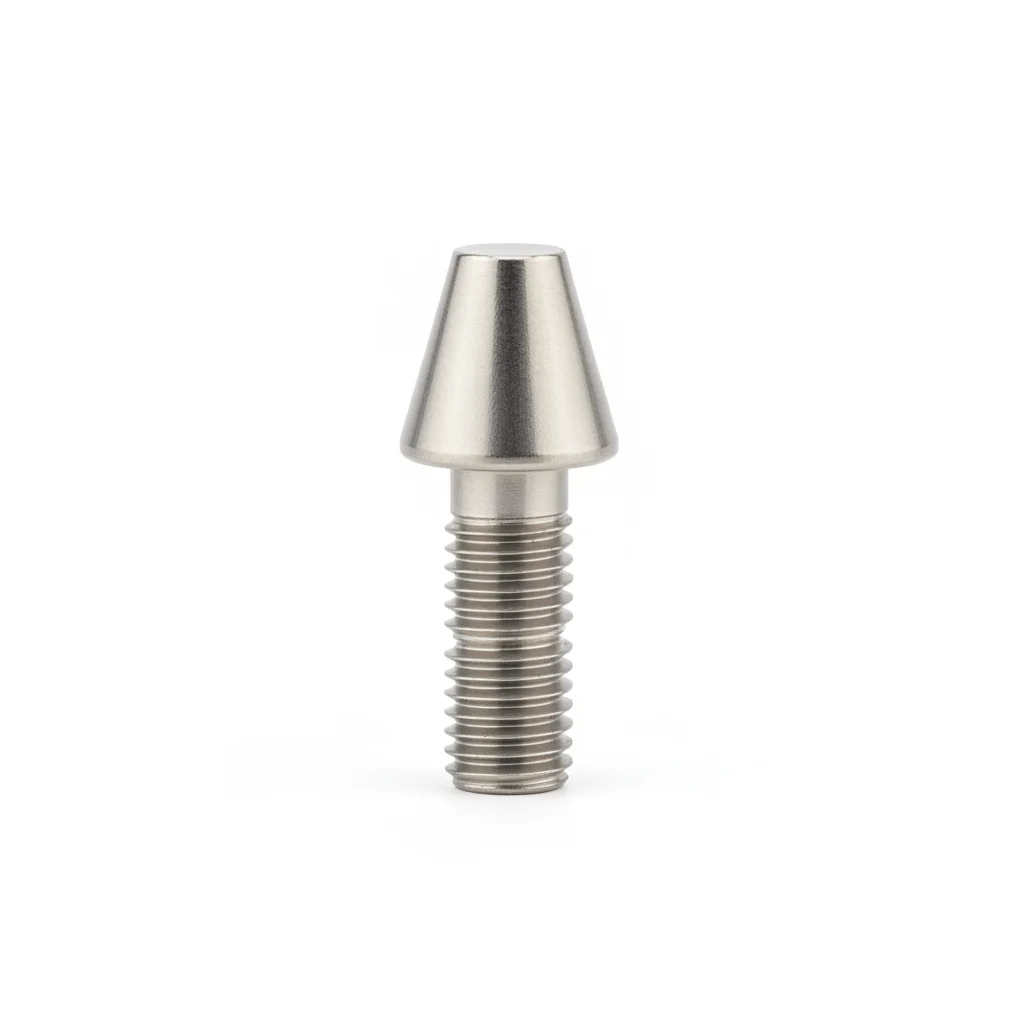
| Wall Lap Bolt | Countersunk Liner Bolt | Ventilator Fastening Bolt | Silicone Weather-Resistant Sealant | |
|---|---|---|---|---|
| SPEC | M10-M12 | M10-M12 | M8×35mm | Neutral Silicone + Food Grade |
| MATERIAL | 304 Stainless Steel | 304 Stainless Steel | 304 Stainless Steel | EPDM Rubber |
| GRADE | A2-70 | A2-70 | A2-70 | — |
| FINISH | HDG >=55um per ISO 1461 | HDG >=55um per ISO 1461 | HDG >=55um per ISO 1461 | HDG >=55um per ISO 1461 |
| CORROSION | C3 (ISO 12944-2) | C3 (ISO 12944-2) | C3 (ISO 12944-2) | Not applicable (polymer) |
| TEMP | -20°C to +80°C | -20°C to +80°C | -20°C to +80°C | -20°C to +80°C |
| WEIGHT | ~0.5 kg/piece | ~0.5 kg/piece | ~0.5 kg/piece | ~0.5 kg/piece |
| MOQ | 100 pcs | 100 pcs | 100 pcs | 100 pcs |
| PACK | VCI paper + carton | VCI paper + carton | VCI paper + carton | VCI paper + carton |
| STD | ISO 898-1, GB/T 3098.1 | ISO 898-1, GB/T 3098.1 | ISO 898-1, GB/T 3098.1 | ISO 898-1, GB/T 3098.1 |
| USE | Silo wall connection + organic acid corrosion protection + anti-loosening | Hopper liner fixation + impact absorption | Roof ventilator anti-vibration loosening | Ventilator waterproofing + bolt hole anti-seepage |
PROCEDURE
- Clean the bolt holes and surrounding wall panels with acetone to remove any residue from grain dust or moisture.
- Apply food-grade silicone sealant into each bolt hole before inserting the 304 stainless steel bolt, ensuring a wet seal around the shaft.
- Fit an EPDM sealing gasket under the bolt head on the outer wall, then tighten the bolt with a calibrated torque wrench to the specified value (M10: ~35 N·m, M12: ~60 N·m).
- Secure the nut with a nylon lock nut to resist vibration, and verify that the bolt head is fully seated against the gasket without gaps.
- After installation, apply a bead of food-grade silicone sealant around the bolt head on the outer wall to create a moisture barrier.
- Inspect each installed bolt for proper torque by marking the head and nut alignment; record the torque value in the maintenance log.
COMMON ERRORS
| ✕ WRONG | CONSEQUENCE | ✓ CORRECT |
|---|---|---|
| Using a galvanized bolt on the inner wall where organic acid condensate forms | The zinc layer is consumed within 2 years, leading to steel corrosion, bolt diameter reduction, and potential pull-out under wind load. | Specify 304 stainless steel (A2-70) for all inner-wall fasteners to resist the pH 4-5 organic acid environment. |
| Overtightening the liner bolts beyond the specified torque (M10: 35 N·m, M12: 60 N·m) | The liner material may crack under excessive stress, leading to premature failure and liner detachment. | Use a calibrated torque wrench and follow the specified torque values; check the liner for any signs of cracking after tightening. |
| Skipping the food-grade sealant in the bolt holes | Condensate seeps along the bolt shaft, causing hidden corrosion that is not visible until the bolt fails. | Always pre-apply food-grade sealant inside the bolt hole before inserting the bolt, ensuring a complete seal around the shaft. |
MAINTENANCE
Inspect all wall and liner bolts annually when the silo is empty; measure the bolt neck diameter with a caliper and replace any bolt showing a reduction >15%. For ventilator bolts, check for looseness by hand-pushing the ventilator—if wobble exceeds 2mm, retighten and reapply sealant. Reapply sealant around bolt heads every 2-3 years or when signs of aging appear.
Plan C · Port Transfer Silo/Airtight Silo
C5-M Extreme per ISO 12944-2
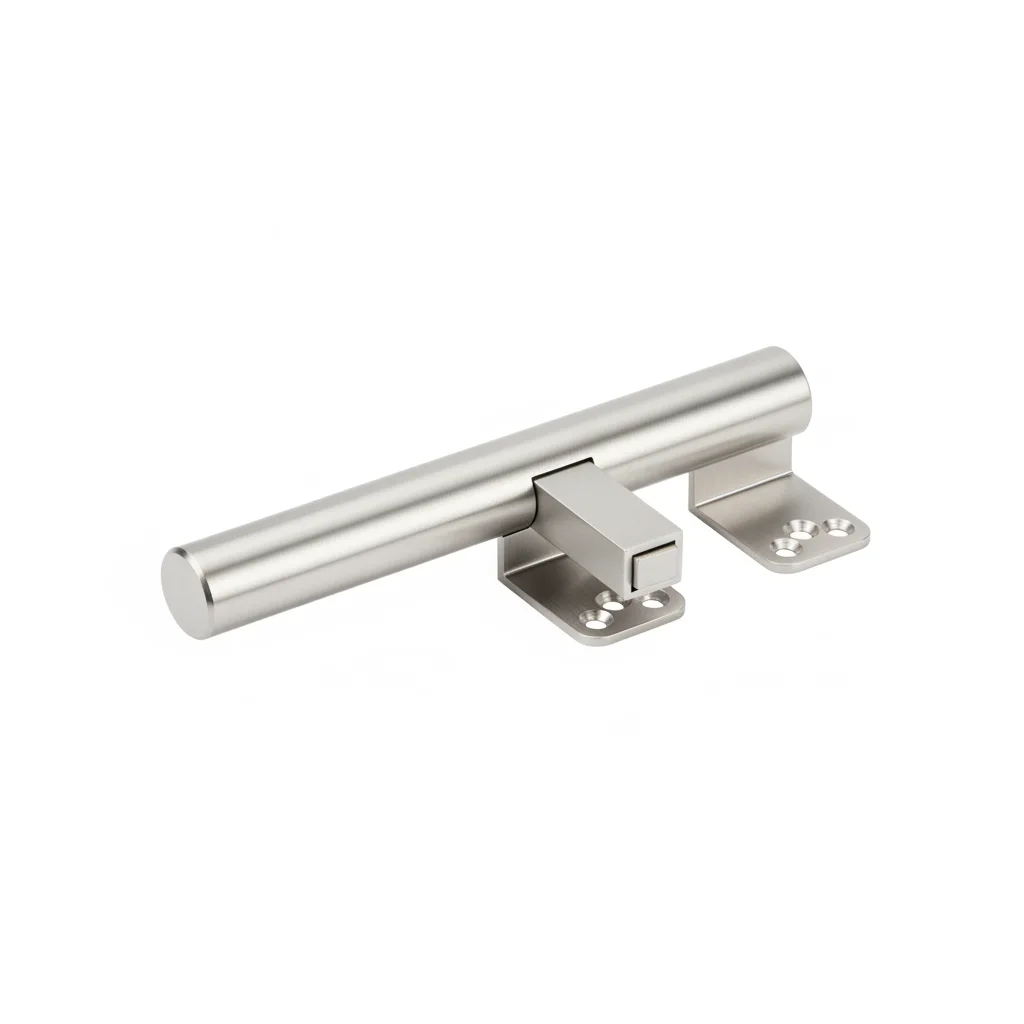
| Wall Lap Bolt | Countersunk Liner Bolt | Ventilator Bolt | Bolt Installation Torque Recording Label | |
|---|---|---|---|---|
| SPEC | M12 | M12 | M8×40mm | Waterproof PET Label + Zinc-Rich Paint |
| MATERIAL | 316L Stainless Steel | 316L Stainless Steel | 316L Stainless Steel + EPDM Airtight Gasket | PET + Zinc-Rich Primer |
| GRADE | A4-70 | A4-70 | A4-70 | — |
| FINISH | HDG >=55um per ISO 1461 | HDG >=55um per ISO 1461 | HDG >=55um per ISO 1461 | HDG >=55um per ISO 1461 |
| CORROSION | C3 (ISO 12944-2) | C3 (ISO 12944-2) | C3 (ISO 12944-2) | C3 (ISO 12944-2) |
| TEMP | -20°C to +80°C | -20°C to +80°C | -20°C to +80°C | -20°C to +80°C |
| WEIGHT | ~0.5 kg/piece | ~0.5 kg/piece | ~0.5 kg/piece | ~0.5 kg/piece |
| MOQ | 100 pcs | 100 pcs | 100 pcs | 100 pcs |
| PACK | VCI paper + carton | VCI paper + carton | VCI paper + carton | VCI paper + carton |
| STD | ISO 898-1, GB/T 3098.1 | ISO 898-1, GB/T 3098.1 | ISO 898-1, GB/T 3098.1 | ISO 898-1, GB/T 3098.1 |
| USE | Airtight silo wall connection + fumigation airtight requirements | High-impact hopper liner + organic acid resistance | Airtight silo ventilator + waterproof + airtight | Torque traceability for each bolt + external anti-corrosion maintenance |
PROCEDURE
- Degrease all bolt holes and contact surfaces with MEK solvent to ensure a clean, oil-free substrate for sealing.
- Apply a marine-grade anti-corrosion compound to the bolt threads and inside the holes, rated for the silo's operating temperature range.
- Insert the 316L stainless steel bolt with an EPDM airtight gasket under the head; tighten using a hydraulic tensioner to achieve precise preload without galling.
- Verify the airtight seal by performing a pressure test on the joint, ensuring no leakage path for fumigation gases.
- Apply a protective zinc-rich paint over the bolt head and gasket area to provide additional corrosion resistance and UV protection.
- Attach a waterproof torque recording label to each bolt, documenting the installation date, torque value, and inspector ID for traceability.
COMMON ERRORS
| ✕ WRONG | CONSEQUENCE | ✓ CORRECT |
|---|---|---|
| Using 304 stainless steel in a fumigation silo where sulfur-based fumigants create a more aggressive acidic environment | 304 may experience pitting or stress corrosion cracking under prolonged exposure, leading to premature failure. | Specify 316L stainless steel (A4-70) for its higher molybdenum content, which provides superior resistance to chloride and acid attack. |
| Tightening bolts without a torque recording label, losing traceability | Without documented torque values, it is impossible to verify proper preload or detect loosening trends over time. | Use torque recording labels on every critical bolt and maintain a log with installation date, torque, and inspection results. |
| Neglecting to replace the EPDM gasket when re-tightening a bolt | A compressed or aged gasket may fail to maintain an airtight seal, allowing moisture or fumigant leakage. | Inspect the gasket condition during each maintenance; replace it if it shows signs of cracking, compression set, or loss of elasticity. |
MAINTENANCE
Conduct a full inspection of all fasteners at each silo overhaul window, typically every 5 years, or after any major structural event. Check the torque recording labels for signs of tampering or peeling; measure bolt neck diameter and replace any bolt with a reduction >15%. For ventilator bolts, inspect the EPDM gaskets for deterioration and replace if cracked or brittle. Reapply protective coating on bolt heads if any rust spots appear.
REFERENCED STANDARDS
Technical Basis and Reference Standards
Material selection basis for 304/316L stainless steel grain silo wall bolts
Code for design of grain steel silosSilo structural design standard—mechanical calculation and safety factor requirements for wall bolts
Hot dip galvanized coatings on fabricated iron and steel articlesZinc coating thickness standard for wall bolts—≥85μm for general environments
SUPPLIER CAPABILITY
Quality, Delivery & Customization
Quality Control
- ✓MTC material certificates with every batch
- ✓Key parts sampled for hardness/salt spray/torque coefficient
- ✓100% inspection or AQL sampling before shipment
Delivery
- ✓Standard parts made to order: 7-15 days
- ✓Custom parts: 25-45 days
- ✓FOB/CIF/DDP supported
Customization
- ✓Drawing review and material matching
- ✓Non-standard sizes/heads/threads
- ✓Small-batch prototyping supported
Certification
- ✓Material certificates (MTC)
- ✓Spectrographic analysis reports
- ✓Salt spray test reports (on request)
MOQ: No MOQ for standard parts; custom parts assessed by process complexity
FAQ
Frequently Asked Questions
RELATED READING
Keep Reading & Next Step
BEYOND TECHNICAL SPECS
Finding the right factory, controlling quality, delivering on time — that's the real challenge. We cover fasteners, rubber, plastics, industrial textiles. One team, end to end.
SEE CAPABILITIES →