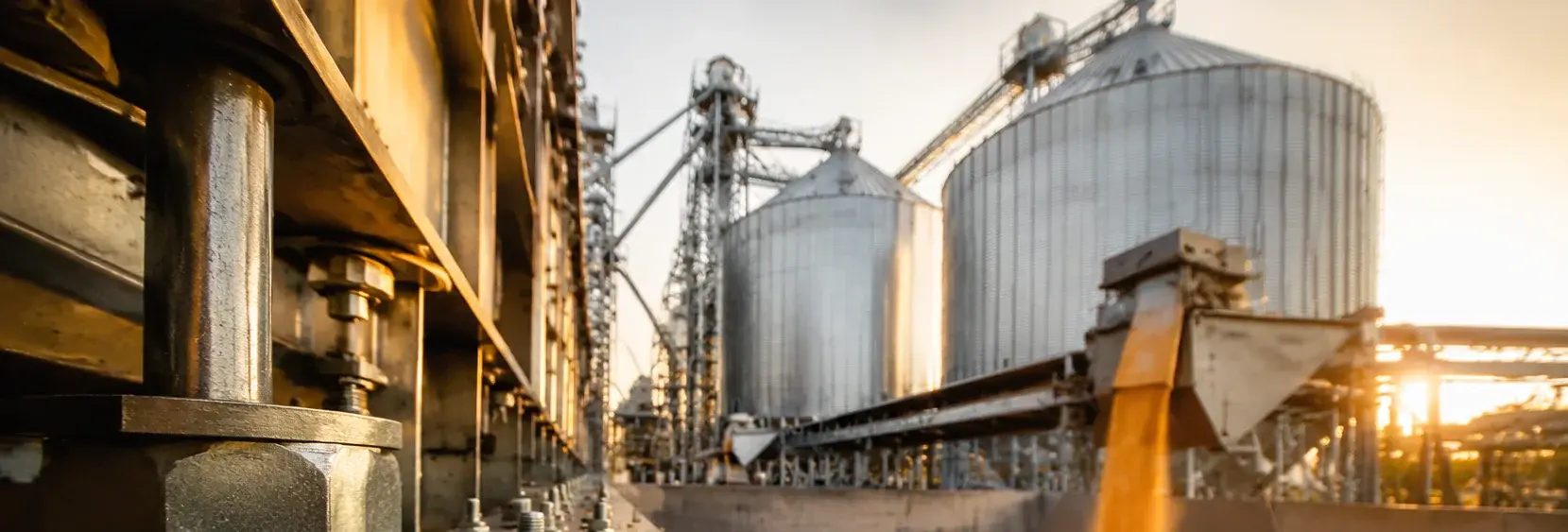
Preventing Grain Elevator Failures: Fastener Wear & Loosening
In bucket elevators, chain pins operate under unlubricated + grain dust abrasive wear—wear rate 0.05-0.15 mm/thousand hours. After 3-6 months, M16 pin diameter wear reaches 1-2 mm → chain elongation 2-3% → sprocket jumping → chain break. Bucket bolts under impact + centrifugal load loosen in 2-3 months → bucket detachment → downstream jam. Auger blade bolt loosening reduces gap from 5 mm to 2 mm → grain jamming → motor burnout. Choose pin material and bolt grade to match your operation intensity.
RISK AUDIT // ENGINEERING DIAGNOSIS
Procurement Pitfall Guide
"The usual suspects behind grain elevator downtime and repair bills"
QC-AUDIT // REV.5
SCALE 1:1 · 03 ITEMS
RISK-01
Chain pins wear rapidly under unlubricated + grain dust abrasive wear → chain elongation → sprocket jumping → elevator jam
Corrective Measures
RISK-02
Bucket bolts loosen under grain impact + vibration → bucket detachment → jams downstream equipment → entire line paralyzed
Corrective Measures
RISK-03
Auger blade connecting bolts loosen → gap between blade and casing wall decreases → grain particles jam → motor overload burns out
Corrective Measures
FIELD-SPECIFIC INSIGHT
Critical Checkpoints for Grain Elevator Fastener Procurement
The most overlooked engineering difference in grain elevator fasteners is the pin surface hardness vs. core toughness balance. Carburized pins (HRC58-62) resist abrasive wear but may crack under impact; nitrided pins (HV1000+) offer higher surface hardness but thinner case. For bucket bolts, the locking method (nylon insert vs. prevailing torque) determines retention under vibration. Specify pin hardness, bolt grade, and locking feature based on your grain type and operating hours.
WHAT TO CHECK
- 1Chain pin: specify surface hardness ≥HRC58 for abrasive wear resistance; for continuous operation, require nitriding (HV1000+) to extend life beyond 5 years.
- 2Bucket bolt: use Grade 8.8 with nylon lock for general conveying; switch to A4-70 (316L) with chemical threadlocker for wash-down or high humidity environments.
- 3Auger blade bolt: countersunk head must be flush with blade surface to avoid grain accumulation; specify torque + threadlocker to prevent loosening under vibration.
- 4Lubrication: food-grade NSF H1 automatic lubricant (0.5 ml/8h) reduces pin wear without contaminating grain; manual lubrication risks under-lubrication and accelerated wear.
- 5Monitoring: for 24h operation, install online chain elongation sensor (laser ranging) with PLC alarm to trigger shutdown before chain jump occurs.
| Check | Why it matters | What to specify |
|---|---|---|
| Pin surface hardness | Determines wear rate under abrasive grain dust; insufficient hardness leads to rapid diameter loss and chain elongation. | Specify HRC58-62 for carburized pins or HV1000+ for nitrided pins; request hardness test report per batch. |
| Bolt locking mechanism | Impact and vibration cause preload loss; loose bolts lead to bucket detachment or blade deflection. | Specify nylon insert lock nut (ISO 2320) or chemical threadlocker (medium strength); require prevailing torque test. |
| Bolt material for corrosion | Grain dust + humidity cause carbon steel corrosion; rust reduces bolt strength and contaminates grain. | For C4 or higher environment, specify 304 (A2-70) or 316L (A4-70) stainless steel; verify with ISO 3506-1. |
| Auger blade gap tolerance | Blade bolt loosening reduces gap from 5 mm to 2 mm, causing grain jamming and motor overload. | Specify bolt torque + threadlocker; require gap inspection after installation (5-8 mm per design). |
All wear rates and failure timelines are based on typical grain elevator operation (1.5-2.5 m/s chain speed, 10-50 kN tension). Actual performance depends on grain type, moisture, and maintenance frequency. Verify pin and bolt specifications with your equipment OEM.
Evidence level: source-page-only
INDUSTRY TECH REFERENCE
Bucket Elevator Chain Selection: Speed Tiers for Chain-Type vs Belt-Type
Chain speed is not arbitrary — match the tier to the chain type first, then talk pins and bucket bolts. The tier sets the wear pace, so state it up front when you inquire.
| Chain type | Speed tier | Application / note |
|---|---|---|
| Chain-type elevator (plate link) | 0.5 m/s | Standard tier (JB/T 3926-2014) |
| Chain-type elevator, high-speed variant | ≥1.0 m/s | High-speed tier (JB/T 3926-2014) |
| Belt-type elevator | 1–2.5 m/s | Belt type for grain conveying (JB/T 3926-2014) |
| Chain tension | 10–50 kN, order of magnitude | Reference band for pin and link checks |
Speed tiers follow JB/T 3926-2014; the 10–50 kN tension is an order-of-magnitude estimate.
INDUSTRY TECH REFERENCE
When a Chain Must Run Dry: Micro-Oiling on an 8-Hour Cycle
Elevator chains run dry by default: a lubricant that touches the grain is a contamination incident. The answer is not to skip lubrication — go food-grade and dose small, on a cycle.
- Why these chains run dry: the pin rides on sliding friction inside the bushing, and a conventional lubricant that touches the grain is a contamination incident — so chains default to no oil, and dust works into the clearance to grind the metal directly
- The fix is not to abandon lubrication: fit an automatic micro-oiling unit dosing once every 8 hours with food-grade lubricant — it lubricates without entering the grain (NSF H1 is one such food-grade certification)
- Give the pin a wear-resistant base first: 20CrMnTi, carburized and quenched to HRC 58–62 on the surface — oiling isolates the abrasive, hardness decides how long the pin lasts
- Watch total chain length to catch a lube failure: measure it every quarter and retension or remove a link once elongation passes 2% — when the oiling unit fails, elongation is the first visible sign
This slot uses no magnitude-estimate figures.
PLAN COMPARISON
Three-Plan Core Parameter Comparison
Compare row by row. Click column headers to jump to plan details.
| A · Plan A · General Grain Conveying | B · Plan B · High Capacity/Hard Grains | C · Plan C · Port Transfer/24h Continuous Operation | |
|---|---|---|---|
| 1. CARBURIZED AND QUENCHED CHAIN PIN | |||
| SPEC | M16, HRC58-62 | M16, HRC60-64 + Chrome Plated | M16, Surface HV1000+ |
| MATERIAL | 20CrMnTi + Carburizing and Quenching | 20CrMnTi + Carburizing + Hard Chrome Plating | 38CrMoAl + Gas Nitriding |
| GRADE | HRC58-62 | HRC60-64 | HV1000+ |
| FINISH | HDG >=55um per ISO 1461 | HDG >=55um per ISO 1461 | HDG >=55um per ISO 1461 |
| 2. BUCKET BOLT | |||
| SPEC | M10×35mm | M10×35mm | M12×40mm |
| MATERIAL | Carbon Steel + Hot-Dip Galvanized | 304 Stainless Steel | 316L Stainless Steel |
| GRADE | Grade 8.8 | A2-70 | A4-70 |
| FINISH | HDG >=55um per ISO 1461 | HDG >=55um per ISO 1461 | HDG >=55um per ISO 1461 |
| 3. COUNTERSUNK AUGER BLADE BOLT | |||
| SPEC | M10×30mm | M10×30mm | M12×35mm |
| MATERIAL | Carbon Steel + Hot-Dip Galvanized | 304 Stainless Steel | 316L Stainless Steel |
| GRADE | Grade 8.8 | A2-70 | A4-70 |
| FINISH | HDG >=55um per ISO 1461 | HDG >=55um per ISO 1461 | HDG >=55um per ISO 1461 |
| 4. FOOD-GRADE AUTOMATIC LUBRICANT (NSF H1) | |||
| SPEC | NLGI 2 | Timed and quantified 0.5ml/8h | Laser ranging + PLC alarm |
| MATERIAL | Food-Grade Lubricating Oil | — | EPDM Rubber |
| GRADE | NSF H1 Certified | — | IP67 |
| FINISH | HDG >=55um per ISO 1461 | HDG >=55um per ISO 1461 | HDG >=55um per ISO 1461 |
SELECTION GUIDE
Which fastener package fits your conveying duty?
| Operating condition | Recommended option | Key basis |
|---|---|---|
| General grain processing — soft grains (rice/wheat), non-continuous operation | Plan A — carburized and quenched pins (20CrMnTi, surface HRC 58-62) + Grade 8.8 bolts (nylon lock nut) + manual lubrication with food-grade NSF H1 lubricant (NLGI 2) | DIN 8187; GB/T 12718; ISO 3506-1; ISO 12944-2 (C3) |
| High capacity workshop / hard grains (corn/soybeans) | Plan B — carburized + hard chrome plated pins (20CrMnTi, HRC 60-64) + 304 bolts (A2-70) + automatic micro lubrication (0.5 ml/8 h) | ISO 3506-1; DIN 8187; ISO 12944-2 (C4) |
| Port transfer warehouse / 24-hour continuous operation | Plan C — nitrided pins (38CrMoAl, surface HV1000+) + 316L bolts (A4-70) + online chain elongation monitoring (laser ranging + PLC alarm) + redundant lubrication | ISO 3506-1; DIN 8187; ISO 12944-2 (C5-M) |
| Elevator chain pins in unlubricated + grain dust abrasive wear (dust Mohs hardness 2-3): wear rate 0.05-0.15 mm/1000 h; after 3-6 months M16 pin wear 1-2 mm → chain elongation 2-3% → sprocket jump → chain break | 20CrMnTi carburizing + quenching (surface HRC 58-62, tough core); automatic micro lubrication (food-grade NSF H1, 0.5-1 ml every 8 h); weekly chain length check — adjust tension if elongation >1%, remove links if >2% | DIN 8187; GB/T 12718 |
| Bucket bolts under impact + centrifugal alternating load (loosen after 2-3 months → bucket detachment → jam in auger inlet → full line stopped about 1 day); auger blade bolts loosen → blade-to-casing gap 5 mm→2 mm (design 5-8 mm) → grain jam → motor burnout | Bucket bolts: M10 Grade 8.8 + nylon lock nut + spring washer + medium-strength thread locking compound (blue), torque 20-25 N·m with torque wrench; auger blade bolts: M10 Grade 8.8 countersunk + nylon lock nuts, torque 25-30 N·m; weekly checks — wobble >3 mm → retighten, min gap <3 mm → adjust blade; always replace bolts with buckets, never reuse | ISO 2320; ISO 3506-1; DIN 8187 |
Plan A · General Grain Conveying
C3 (ISO 12944-2)
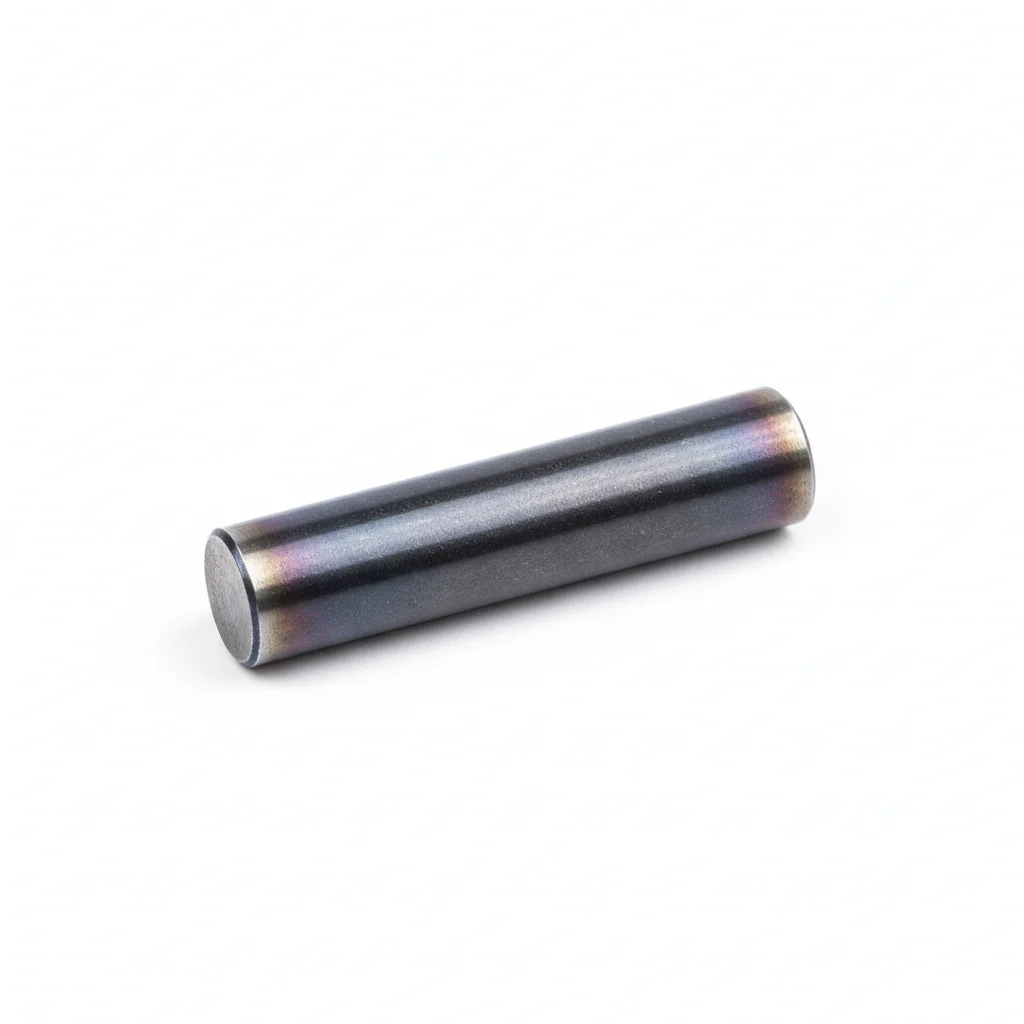
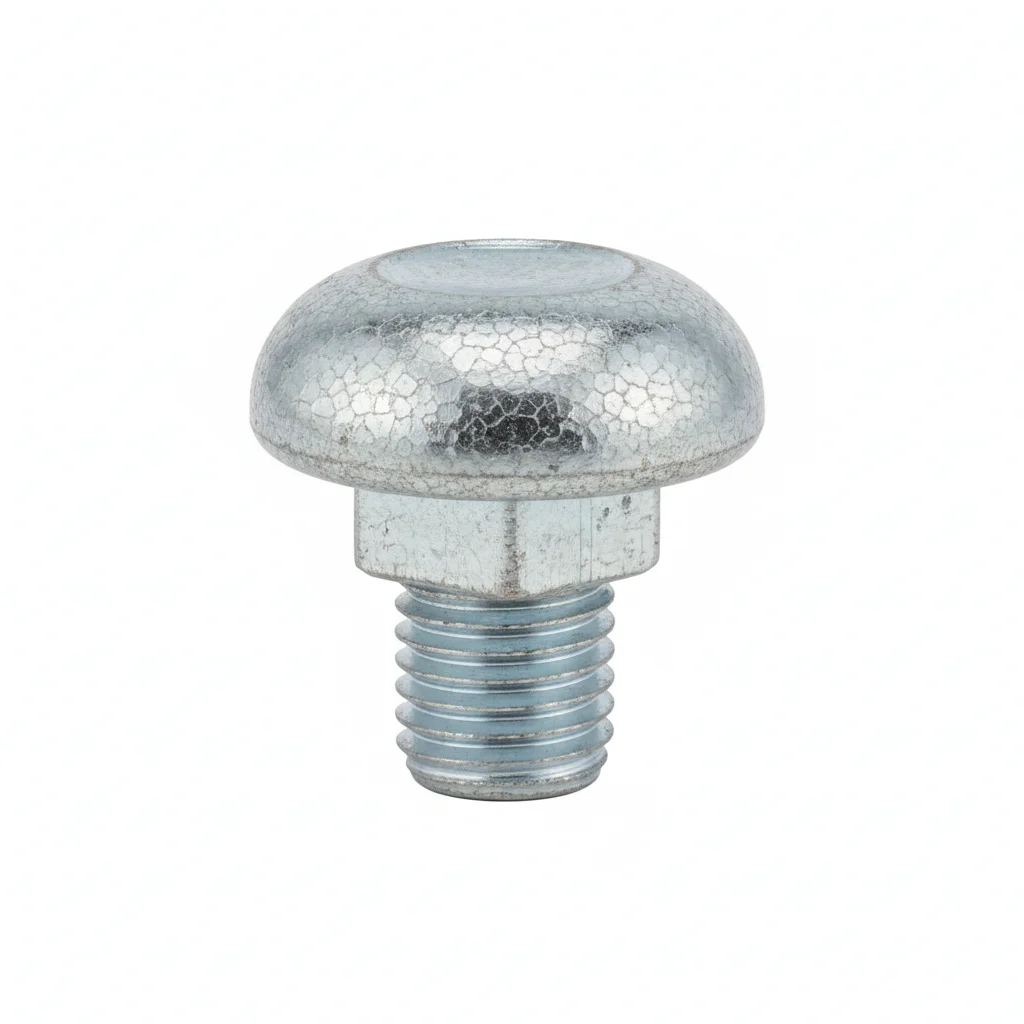
| Carburized and Quenched Chain Pin | Bucket Bolt | Countersunk Auger Blade Bolt | Food-Grade Automatic Lubricant (NSF H1) | |
|---|---|---|---|---|
| SPEC | M16, HRC58-62 | M10×35mm | M10×30mm | NLGI 2 |
| MATERIAL | 20CrMnTi + Carburizing and Quenching | Carbon Steel + Hot-Dip Galvanized | Carbon Steel + Hot-Dip Galvanized | Food-Grade Lubricating Oil |
| GRADE | HRC58-62 | Grade 8.8 | Grade 8.8 | NSF H1 Certified |
| FINISH | HDG >=55um per ISO 1461 | HDG >=55um per ISO 1461 | HDG >=55um per ISO 1461 | HDG >=55um per ISO 1461 |
| CORROSION | C3 (ISO 12944-2) | C3 (ISO 12944-2) | C3 (ISO 12944-2) | C3 (ISO 12944-2) |
| TEMP | -20°C to +80°C | -20°C to +80°C | -20°C to +80°C | -20°C to +80°C |
| WEIGHT | ~0.5 kg/piece | ~0.5 kg/piece | ~0.5 kg/piece | ~0.5 kg/piece |
| MOQ | 100 pcs | 100 pcs | 100 pcs | 100 pcs |
| PACK | VCI paper + carton | VCI paper + carton | VCI paper + carton | VCI paper + carton |
| STD | ISO 898-1, GB/T 3098.1 | ISO 898-1, GB/T 3098.1 | ISO 898-1, GB/T 3098.1 | ISO 898-1, GB/T 3098.1 |
| USE | Elevator chain pin + wear resistance against abrasive wear | Connection between bucket and chain attachment plate | Connection between auger blade and central shaft | micro lubrication of pins + does not contaminate grain |
PROCEDURE
- Clean the pin and bolt mating surfaces to remove grain dust and oil residue, then verify the M16 pin and M10 bolt holes align without binding.
- Apply NSF H1 food-grade lubricant to the pin shank before insertion, and apply medium-strength (blue) threadlocker to the M10 bucket and auger bolts.
- Torque bucket bolts to 20-25 N·m and auger blade bolts to 25-30 N·m using a calibrated torque wrench.
- After installation, mark each bolt head with a torque seal paint line for visual verification of loosening during weekly inspections.
- Record installation torque values and batch numbers in the maintenance log for traceability.
COMMON ERRORS
| ✕ WRONG | CONSEQUENCE | ✓ CORRECT |
|---|---|---|
| Reusing old bucket bolts without checking wear or thread condition | Preload decays faster, leading to nut loosening within weeks and bucket detachment. | Always use new Grade 8.8 bolts with nylon lock nuts for bucket replacement; never reuse bolts. |
| Installing auger blade bolts without threadlocker or with protruding heads | Vibration loosens the bolts, blade deflects, and the gap to the casing narrows from 5 mm to 2 mm, causing grain jamming and motor overload. | Use countersunk M10 Grade 8.8 bolts with nylon lock nuts and apply medium-strength threadlocker; ensure the head is flush with the blade surface. |
| Forgetting to apply food-grade lubricant to the chain pin during assembly | Unlubricated operation accelerates abrasive wear from grain dust, leading to chain elongation and sprocket jumping. | Apply NSF H1 food-grade lubricant to the pin shank before installation and set up an automatic micro-lubrication system spraying 0.5-1 ml every 8 hours. |
MAINTENANCE
Weekly: check total chain length and tensioner position; retighten any bucket bolts showing wobble >3 mm. Monthly: measure auger blade-to-casing gap with a feeler gauge; if minimum gap <3 mm, adjust and retighten. At each overhaul window, torque-check 10% of bucket bolts and replace any pin with diameter wear >0.8 mm or chain elongation >2%.
Plan B · High Capacity/Hard Grains
C4 Harsh per ISO 12944-2
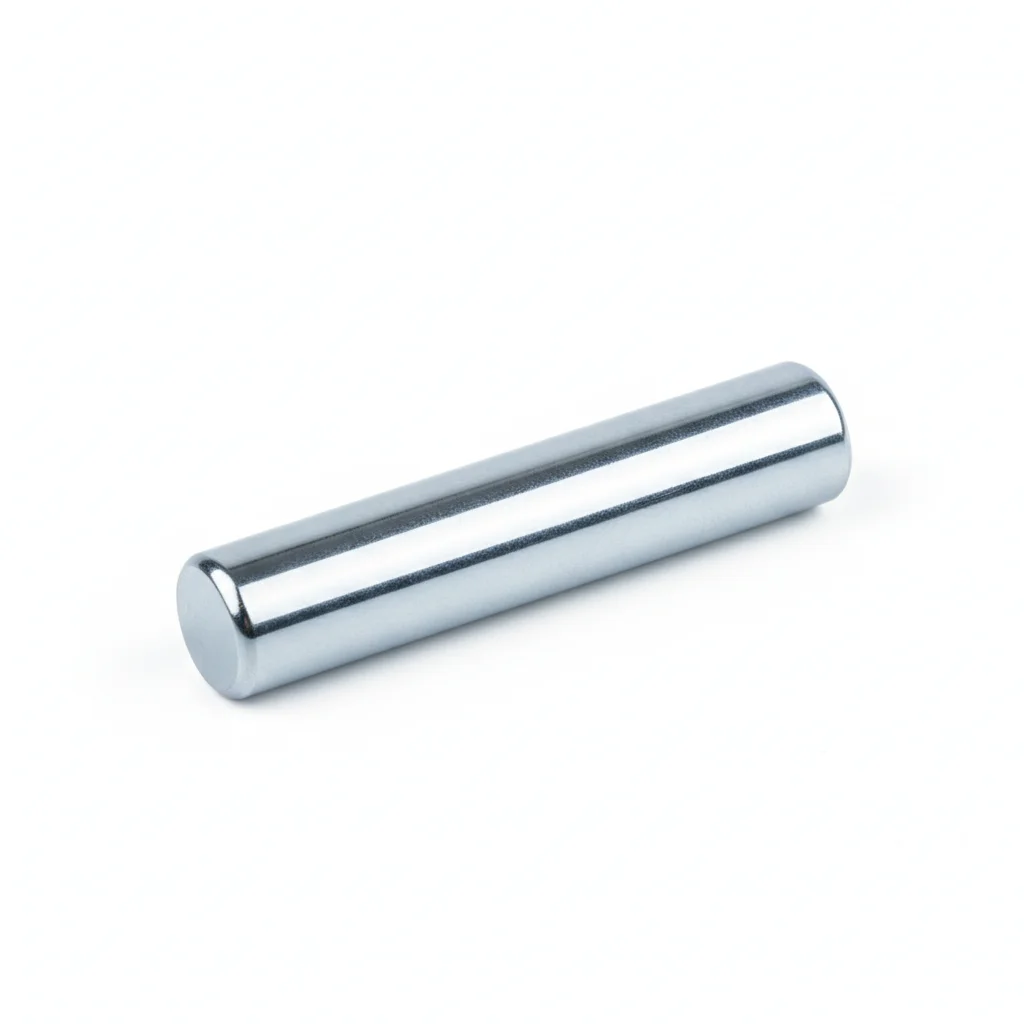
| Carburized and Quenched + Hard Chrome Plated Pin | Bucket Bolt | Countersunk Auger Blade Bolt | Automatic micro Lubrication System | |
|---|---|---|---|---|
| SPEC | M16, HRC60-64 + Chrome Plated | M10×35mm | M10×30mm | Timed and quantified 0.5ml/8h |
| MATERIAL | 20CrMnTi + Carburizing + Hard Chrome Plating | 304 Stainless Steel | 304 Stainless Steel | — |
| GRADE | HRC60-64 | A2-70 | A2-70 | — |
| FINISH | HDG >=55um per ISO 1461 | HDG >=55um per ISO 1461 | HDG >=55um per ISO 1461 | HDG >=55um per ISO 1461 |
| CORROSION | C3 (ISO 12944-2) | C3 (ISO 12944-2) | C3 (ISO 12944-2) | C3 (ISO 12944-2) |
| TEMP | -20°C to +80°C | -20°C to +80°C | -20°C to +80°C | -20°C to +80°C |
| WEIGHT | ~0.5 kg/piece | ~0.5 kg/piece | ~0.5 kg/piece | ~0.5 kg/piece |
| MOQ | 100 pcs | 100 pcs | 100 pcs | 100 pcs |
| PACK | VCI paper + carton | VCI paper + carton | VCI paper + carton | VCI paper + carton |
| STD | ISO 898-1, GB/T 3098.1 | ISO 898-1, GB/T 3098.1 | ISO 898-1, GB/T 3098.1 | ISO 898-1, GB/T 3098.1 |
| USE | High capacity elevator + extreme wear resistance | Bucket rust prevention in high humidity/wash-down workshops | Auger rust prevention in high humidity environments | Automatic pin lubrication + reduces labor |
PROCEDURE
- Clean the pin bores and bucket bolt holes with a dry cloth to remove grain dust and old grease; confirm the M16 pin diameter is within tolerance before assembly.
- Insert the carburized and hard chrome plated pins (HRC60-64) through the chain links, aligning the bushing bores; for bucket bolts, use 304 stainless steel A2-70 bolts with nylon lock nuts.
- Tighten bucket bolts to the specified torque for M10 Grade A2-70, using a torque wrench; apply medium-strength threadlocker (blue) to prevent loosening under impact.
- Set the automatic micro lubrication system to deliver 0.5 ml of food-grade NSF H1 lubricant every 8 hours to each pin; verify the nozzles are aimed at the pin-bushing interface.
- After installation, rotate the chain manually one full revolution to check for smooth movement and confirm no binding or misalignment.
COMMON ERRORS
| ✕ WRONG | CONSEQUENCE | ✓ CORRECT |
|---|---|---|
| Reusing old bucket bolts that show wear or corrosion | Old bolts may have reduced preload capability, leading to loosening within weeks and potential bucket detachment, jamming downstream equipment. | Always install new Grade A2-70 stainless steel bolts with fresh nylon lock nuts; never reuse bolts from a previous assembly. |
| Skipping the automatic lubrication system setup or using non-food-grade grease | Without proper NSF H1 lubrication, the pin wear rate accelerates, causing chain elongation and sprocket jumping; non-food-grade oil contaminates grain. | Configure the automatic micro lubrication system to spray 0.5 ml of NSF H1 oil every 8 hours; verify the system operates before starting the elevator. |
MAINTENANCE
Inspect the chain weekly for elongation by marking the tensioning device; if elongation exceeds 1%, adjust tension, and if over 2%, remove links and check pin wear. During each overhaul, randomly check 10% of bucket bolt torque and retighten if decay exceeds 20%. Replace pins when diameter wear exceeds 0.8 mm (5% of M16 diameter).
Plan C · Port Transfer/24h Continuous Operation
C5-M Extreme per ISO 12944-2
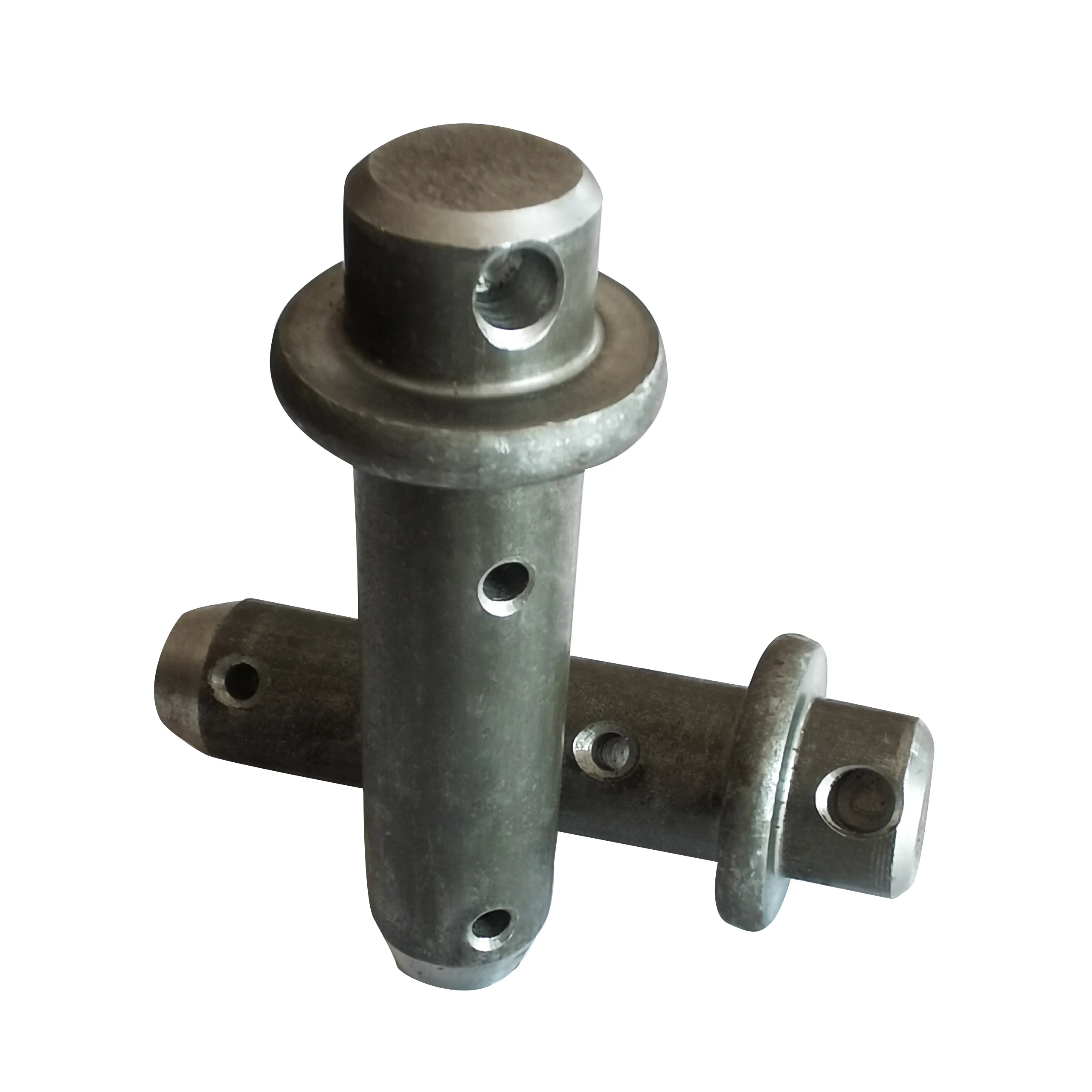
| Nitrided Alloy Steel Pin | Bucket Bolt | Countersunk Auger Blade Bolt | Online Chain Elongation Monitoring Sensor | |
|---|---|---|---|---|
| SPEC | M16, Surface HV1000+ | M12×40mm | M12×35mm | Laser ranging + PLC alarm |
| MATERIAL | 38CrMoAl + Gas Nitriding | 316L Stainless Steel | 316L Stainless Steel | EPDM Rubber |
| GRADE | HV1000+ | A4-70 | A4-70 | IP67 |
| FINISH | HDG >=55um per ISO 1461 | HDG >=55um per ISO 1461 | HDG >=55um per ISO 1461 | HDG >=55um per ISO 1461 |
| CORROSION | C3 (ISO 12944-2) | C3 (ISO 12944-2) | C3 (ISO 12944-2) | Not applicable (polymer) |
| TEMP | -20°C to +80°C | -20°C to +80°C | -20°C to +80°C | -20°C to +80°C |
| WEIGHT | ~0.5 kg/piece | ~0.5 kg/piece | ~0.5 kg/piece | ~0.5 kg/piece |
| MOQ | 100 pcs | 100 pcs | 100 pcs | 100 pcs |
| PACK | VCI paper + carton | VCI paper + carton | VCI paper + carton | VCI paper + carton |
| STD | ISO 898-1, GB/T 3098.1 | ISO 898-1, GB/T 3098.1 | ISO 898-1, GB/T 3098.1 | ISO 898-1, GB/T 3098.1 |
| USE | Continuous operation elevator + maximum wear life | Continuous operation + redundant locking + high corrosion resistance | 24h continuous auger + high corrosion resistance | Real-time monitoring of chain elongation + automatic shutdown if limit exceeded |
PROCEDURE
- Clean the pin and bolt contact surfaces with a solvent to remove any oil or debris; verify the M12 bolt holes are free of grain dust.
- Insert the nitrided alloy steel pins (surface HV1000+) through the chain links; use 316L stainless steel A4-70 bolts for bucket and auger blade connections, with nylon lock nuts.
- Tighten M12 bolts to the specified torque for Grade A4-70 using a calibrated torque wrench; apply high-strength threadlocker (red) for critical joints.
- Install the online chain elongation monitoring sensor (laser ranging with PLC alarm) at the tensioning end; set the alarm threshold at 1% elongation.
- Set up a redundant lubrication system: the automatic micro lubrication delivers 0.5 ml every 8 hours, with a backup manual lubrication schedule in case of system failure.
- After installation, run a slow test cycle to verify the sensor readings and confirm the chain tracks properly on the sprockets.
COMMON ERRORS
| ✕ WRONG | CONSEQUENCE | ✓ CORRECT |
|---|---|---|
| Using carbon steel bolts in a wash-down or high-humidity environment | Corrosion initiates rapidly, reducing bolt strength and contaminating grain; rust particles accelerate wear on pins and chain. | Select 316L stainless steel (A4-70) bolts for all bucket and auger connections; verify material with PMI testing if required. |
| Neglecting to calibrate the online elongation sensor after installation | False readings may not trigger shutdown when elongation exceeds 1%, allowing chain jump and catastrophic failure. | Calibrate the laser sensor according to the manufacturer's instructions; set the PLC alarm to trigger at 1% elongation and test the alarm system regularly. |
MAINTENANCE
Monitor chain elongation continuously with the online sensor; if elongation exceeds 1%, schedule shutdown for inspection. At each overhaul window, check pin surface hardness and replace pins if diameter wear exceeds 0.8 mm. Inspect bolts for corrosion and retorque any that are below 80% of specified torque. Replace all critical fasteners every 5 years regardless of condition.
REFERENCED STANDARDS
Technical Basis and Reference Standards
Basis for selecting stainless steel material for bucket bolts and auger bolts
Bucket elevator chain standardStandard for pin dimensions and allowable wear limits for elevator chains
High-tensile round link chains for miningFatigue life and tensile strength test standard for chain pins—referenced for elevator chain evaluation
SUPPLIER CAPABILITY
Quality, Delivery & Customization
Quality Control
- ✓MTC material certificates with every batch
- ✓Key parts sampled for hardness/salt spray/torque coefficient
- ✓100% inspection or AQL sampling before shipment
Delivery
- ✓Standard parts made to order: 7-15 days
- ✓Custom parts: 25-45 days
- ✓FOB/CIF/DDP supported
Customization
- ✓Drawing review and material matching
- ✓Non-standard sizes/heads/threads
- ✓Small-batch prototyping supported
Certification
- ✓Material certificates (MTC)
- ✓Spectrographic analysis reports
- ✓Salt spray test reports (on request)
MOQ: No MOQ for standard parts; custom parts assessed by process complexity
FAQ
Frequently Asked Questions
RELATED READING
Keep Reading & Next Step
BEYOND TECHNICAL SPECS
Finding the right factory, controlling quality, delivering on time — that's the real challenge. We cover fasteners, rubber, plastics, industrial textiles. One team, end to end.
SEE CAPABILITIES →