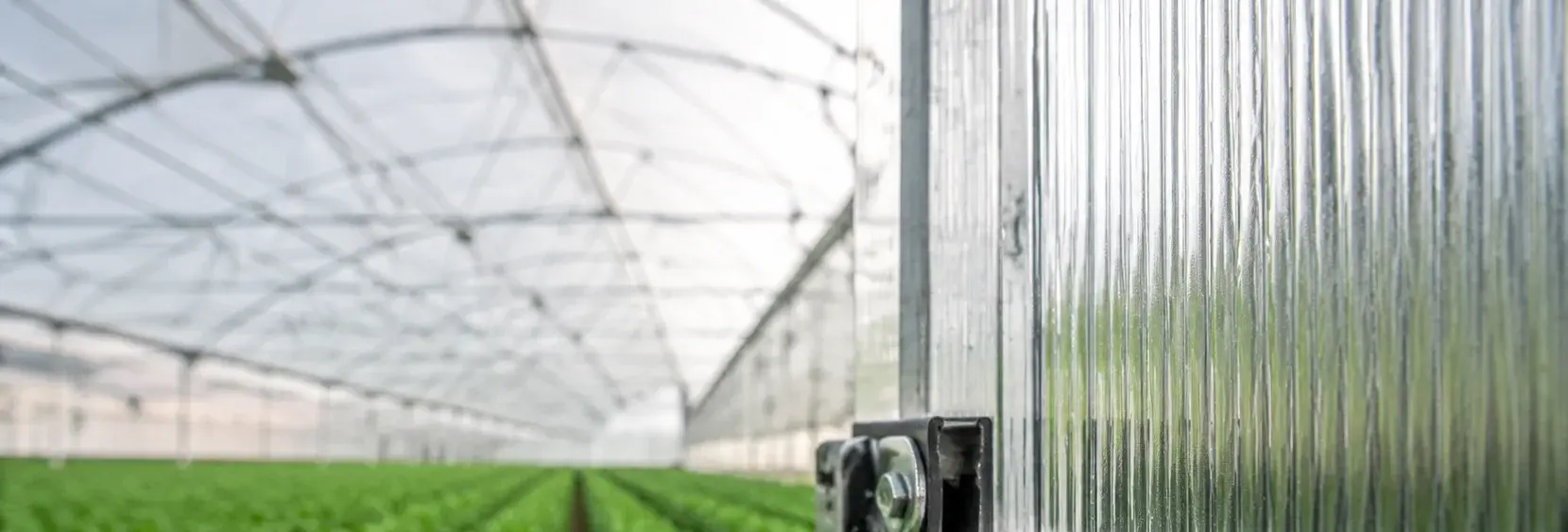
Greenhouse Sealing Strips and Clamping Springs: Material Comparison
The seal between greenhouse film and frame relies on clamping springs and sealing strips. Wrong material leads to spring rust, film loosening, and sealing strip cracking. Compare 65Mn vs 304 vs 316L clamping springs and EPDM vs silicone vs fluorosilicone sealing strips to match your greenhouse type and climate
RISK AUDIT // ENGINEERING DIAGNOSIS
Procurement Pitfall Guide
"When greenhouse seals fail, the losses compound quickly."
QC-AUDIT // REV.5
SCALE 1:1 · 03 ITEMS
RISK-01
Clamping spring elasticity declines → film loosens → wind friction → film tears → cold air rushes in → vegetables freeze and are lost
Corrective Measures
RISK-02
Sealing strip UV aging and hardening → becomes brittle and cracks → gaps leak air → hard to maintain greenhouse temperature in winter → fuel costs skyrocket
Corrective Measures
RISK-03
Ventilation seal brush bristle loss → poor seal → cold air backflow in winter → localized low temperature → crop frost damage
Corrective Measures
FIELD-SPECIFIC INSIGHT
How to Choose Sealing Strip and Clamping Spring Material
The most overlooked difference is the combined effect of UV and humidity on sealing strip life and spring corrosion. EPDM fails in 2-3 years under UV, while silicone lasts 5-8 years. 65Mn springs rust in high humidity, reducing clamping force and causing film tear
WHAT TO CHECK
- 1EPDM sealing strip: UV resistance up to 2-3 years in greenhouse; suitable for spring/autumn sheds with film replacement every 1-2 years
- 2Silicone rubber sealing strip: UV resistance up to 5-8 years; for winter warm sheds where insulation and fuel savings are critical
- 3Fluorosilicone rubber sealing strip: UV resistance up to 10-15 years; for multi-span greenhouses with 20-year maintenance-free expectation
- 465Mn clamping spring with Dacromet coating: rusts in RH>80% within 2-3 years, reducing elasticity by 30-40%; for short-cycle sheds
- 5304 stainless steel clamping spring: corrosion-free in high humidity; maintains elasticity for 5-8 years; for flower/seedling sheds
- 6316L stainless steel clamping spring: lifetime corrosion resistance; for multi-span greenhouses with extreme humidity and chemical exposure
| Check | Why it matters | What to specify |
|---|---|---|
| Sealing strip material | UV exposure through film degrades EPDM in 2-3 years, causing brittleness and air leaks | Confirm UV resistance per ASTM D2000 |
| Clamping spring material | 65Mn rusts in high humidity, losing clamping force and causing film tear | Specify 304 or 316L stainless steel for humid greenhouses; avoid carbon steel |
| Seal brush bristle retention | Nylon bristles wear from repeated skylight opening, reducing seal thickness from 20mm to 5mm | Specify double-row reinforced nylon or stainless steel base for longer life |
| Corrosion protection level | Greenhouse interior RH>80% accelerates corrosion of unprotected fasteners | Specify coating per ISO 12944-2: C3 for spring/autumn sheds, C4 for winter warm, C5-M for multi-span |
Material life estimates are based on typical greenhouse conditions. Actual life depends on local UV index, temperature range, and maintenance frequency
Evidence level: source-page-only
INDUSTRY TECH REFERENCE
Clamping-Spring Relaxation: From a Loose Film to Frost-Lost Crops
A clamping spring costs pennies yet locks the whole film into the channel. Inside a greenhouse it peaks at 40°C and 90% RH, with organic acids from pesticides and fertilizers (pH 3-5) — once the spring force decays, the film seal loses its first line of defense.
- 1A clamping spring grips the film into the channel by springback: φ2-4mm spring-steel wire, one per meter of channel; ordinary carbon steel relaxes within half a year, while 65Mn quenched and tempered (HRC 42-47) keeps its force far longer
- 2Once the force drops, the film is no longer pressed tight — in the wind it wobbles and flaps against the channel edge
- 3Flapping rubs holes through the film, wind tears the holes wider, and on a stormy day the whole sheet is ripped off
- 4With the film broken, cold air pours in, temperature crashes, and crops freeze; re-skinning the greenhouse means days of shutdown
- 5Treat clamping springs as consumables: replace them in batches on the film-replacement cycle (5-8 years), and check spring force before winter — one batch relaxes together, so when one is slack, replace the whole row
This slot uses no magnitude estimates.
INDUSTRY TECH REFERENCE
Greenhouse Film Seal Parts: Size, Volume, and Replacement Rhythm
The spring presses the film, the channel anchors it, and press strips with buckles finish the edges — the whole greenhouse seal rests on these small parts. Check size, volume, and replacement rhythm against this table before ordering.
| Part | Size / material | Volume per greenhouse | Key specs | Replacement rhythm |
|---|---|---|---|---|
| Clamping spring | φ2-4mm spring wire, 65Mn galvanized or 304 | 2,000-3,000 m | HRC 42-47, coating ≥15μm | Batch replace on film cycle (annual buying) |
| Channel | 15-25mm wide, Q235B HDG or 304 | 200-400 m | Zinc ≥20μm per face (Z275) | With the film replacement cycle |
| Press strip + buckle | Strip 15-20mm × 1-2mm galvanized steel; buckle 65Mn galvanized or ABS | 500-1,000 pcs | One buckle per 0.5 m, UV brittle in 2-3 years | Replace when brittle (as-needed buying) |
Volumes per greenhouse are order-of-magnitude estimates.
INDUSTRY TECH REFERENCE
Press Strips and Buckles: The UV-Aging Check Rhythm
The other half of the seal is at the edges: press strips hold the film border, with a buckle every 0.5 m fixing each strip. The plastic buckle's UV life is the weak link of this line.
- Check the spec: press strips 15-20mm wide × 1-2mm thick galvanized steel, one buckle every 0.5 m — verify this configuration on the quotation first
- Plastic (ABS) buckles grow brittle under UV in 2-3 years: check for cracks and whitening before winter; a brittle buckle no longer holds the strip, and the strip slackens
- Install press strips with elastic allowance so the film can move and release stress — don't pull them taut; over-tension accelerates slackening
- Buying rhythm: 500-1,000 buckles/strips per greenhouse, purchased as-needed, topped up yearly within the film replacement cycle
The 500–1,000 pieces per greenhouse is a magnitude estimate.
INDUSTRY TECH REFERENCE
Four Hard Duty Conditions for Greenhouse Seal Parts
Know the duty first, then talk material and life expectancy — the four conditions greenhouse seal parts must pass.
This slot uses no magnitude estimates.
PLAN COMPARISON
Three-Plan Core Parameter Comparison
Compare row by row. Click column headers to jump to plan details.
| A · Plan A · Spring/Autumn Shed / Vegetable Shed | B · Plan B · Winter Warm Shed / Flower Shed | C · Plan C · Multi-Span Greenhouse / High-End Flower Shed | |
|---|---|---|---|
| 1. DACROMET COATED CLAMPING SPRING | |||
| SPEC | Fits standard channel | Fits standard channel | Fits standard channel |
| MATERIAL | 65Mn + Dacromet coating | 304 Stainless Steel | 316L Stainless Steel |
| GRADE | HRC42-48 | — | — |
| FINISH | HDG >=55um per ISO 1461 | HDG >=55um per ISO 1461 | HDG >=55um per ISO 1461 |
| 2. SEALING STRIP (CARBON BLACK FILLED, UV RESISTANT) | |||
| SPEC | D-shaped / P-shaped cross-section | D-shaped / P-shaped cross-section | D-shaped / P-shaped cross-section |
| MATERIAL | EPDM Rubber | EPDM Rubber | EPDM Rubber |
| GRADE | — | -60°C to +200°C | -70°C to +250°C |
| FINISH | HDG >=55um per ISO 1461 | HDG >=55um per ISO 1461 | HDG >=55um per ISO 1461 |
| 3. NYLON SEAL BRUSH | |||
| SPEC | Bristle length 20mm, aluminum alloy base | Bristle length 25mm, stainless steel base | Bristle length 30mm, 316L base |
| MATERIAL | EPDM Rubber | EPDM Rubber | EPDM Rubber |
| FINISH | HDG >=55um per ISO 1461 | HDG >=55um per ISO 1461 | HDG >=55um per ISO 1461 |
SELECTION GUIDE
How to choose a sealing solution based on greenhouse type?
| Operating condition | Recommended option | Key basis |
|---|---|---|
| Spring/Autumn shed or vegetable shed, film replaced every 1-2 years | Plan A: Dacromet-coated 65Mn clamping spring (HRC42-48) + carbon-black-filled EPDM sealing strip (D/P cross-section) + nylon seal brush (20mm bristle, aluminum alloy base) | ISO 12944-2 (C3); DIN 17222 |
| Winter warm shed / flower / seedling shed with high insulation and fuel-saving requirements | Plan B: 304 stainless steel clamping spring + silicone rubber sealing strip (D/P cross-section, -60°C to +200°C, 10-year replacement-free) + double-row PA66 reinforced brush (25mm bristle, stainless steel base) + M8 electric actuator fixing bolt (A2-70) | ISO 12944-2 (C4); ASTM D2000 |
| Multi-span greenhouse / high-end flower shed / research greenhouse (20-year maintenance-free expectation) | Plan C: 316L stainless steel clamping spring + fluorosilicone rubber sealing strip (D/P cross-section, -70°C to +250°C, 20-year maintenance-free) + 316L-base double-row seal brush (30mm bristle) + skylight seal status online monitoring (gap sensor + IoT, IP65) | ISO 12944-2 (C5-M); ASTM D2000 |
| High-humidity greenhouse interior (RH>80%) where carbon steel clamping springs rust | Choose 304 or 316L stainless steel clamping springs (corrosion-free, elasticity maintained 5-8 years); 65Mn with Dacromet coating loses 30-40% of elasticity within 2-3 years at RH>80%, causing film loosening | ISO 12944-2 (C4); DIN 17222 |
| Skylight (roof vent) perimeter seal under repeated opening/closing cycles | Specify reinforced nylon (PA66 + UV stabilizer) seal brush with aluminum alloy or stainless steel base — carbon steel bases rust within 2 years; replace bristles when length drops below 10mm — a worn brush leaves a 5-10mm gap and local cold air backflow | ISO 12944-2 (C3); ASTM D2000 |
Plan A · Spring/Autumn Shed / Vegetable Shed
C3 (ISO 12944-2)
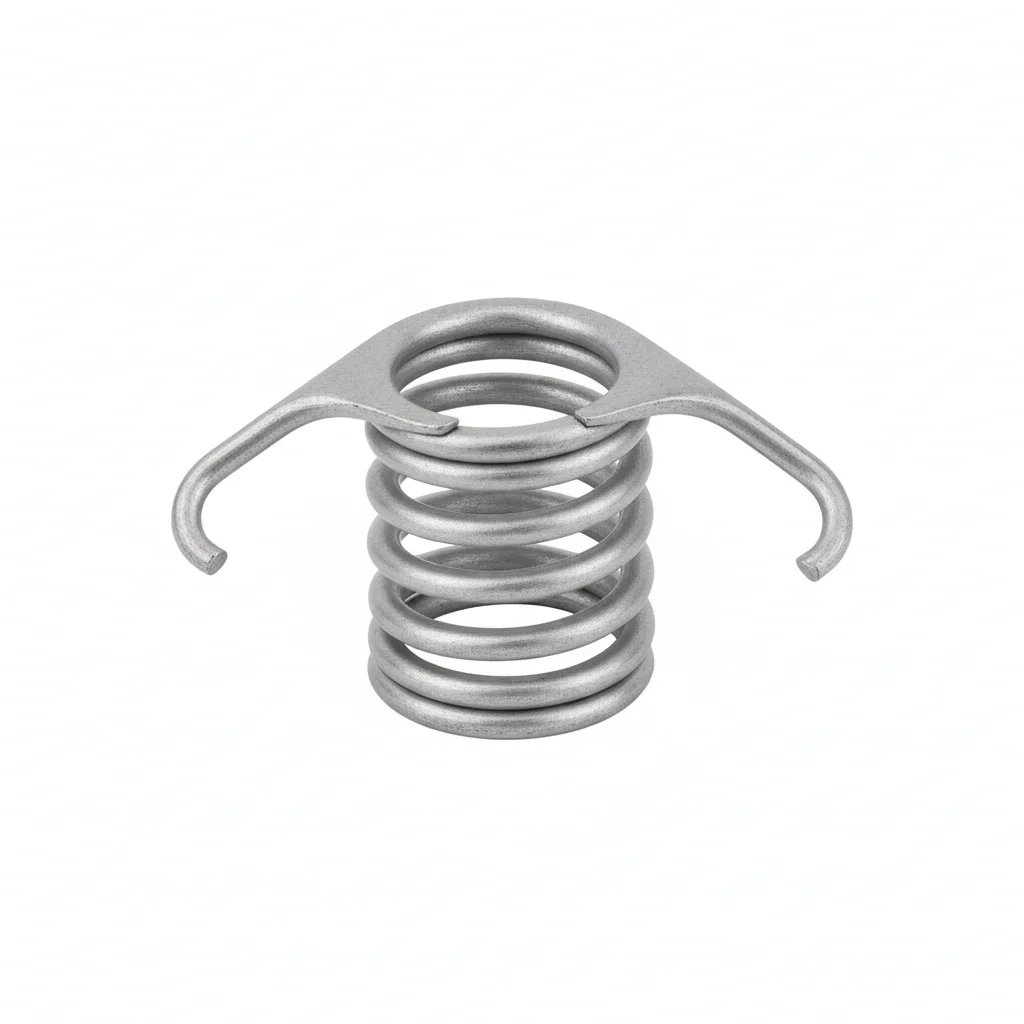
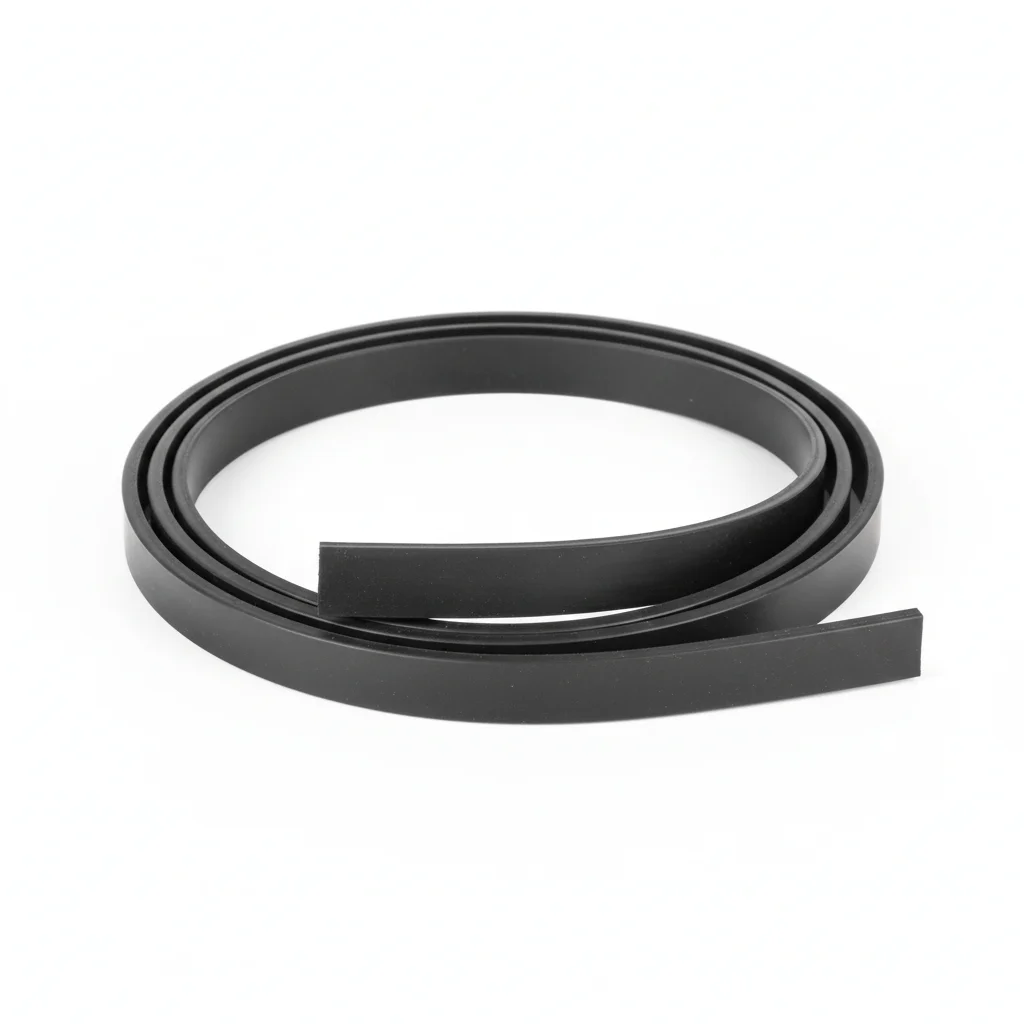
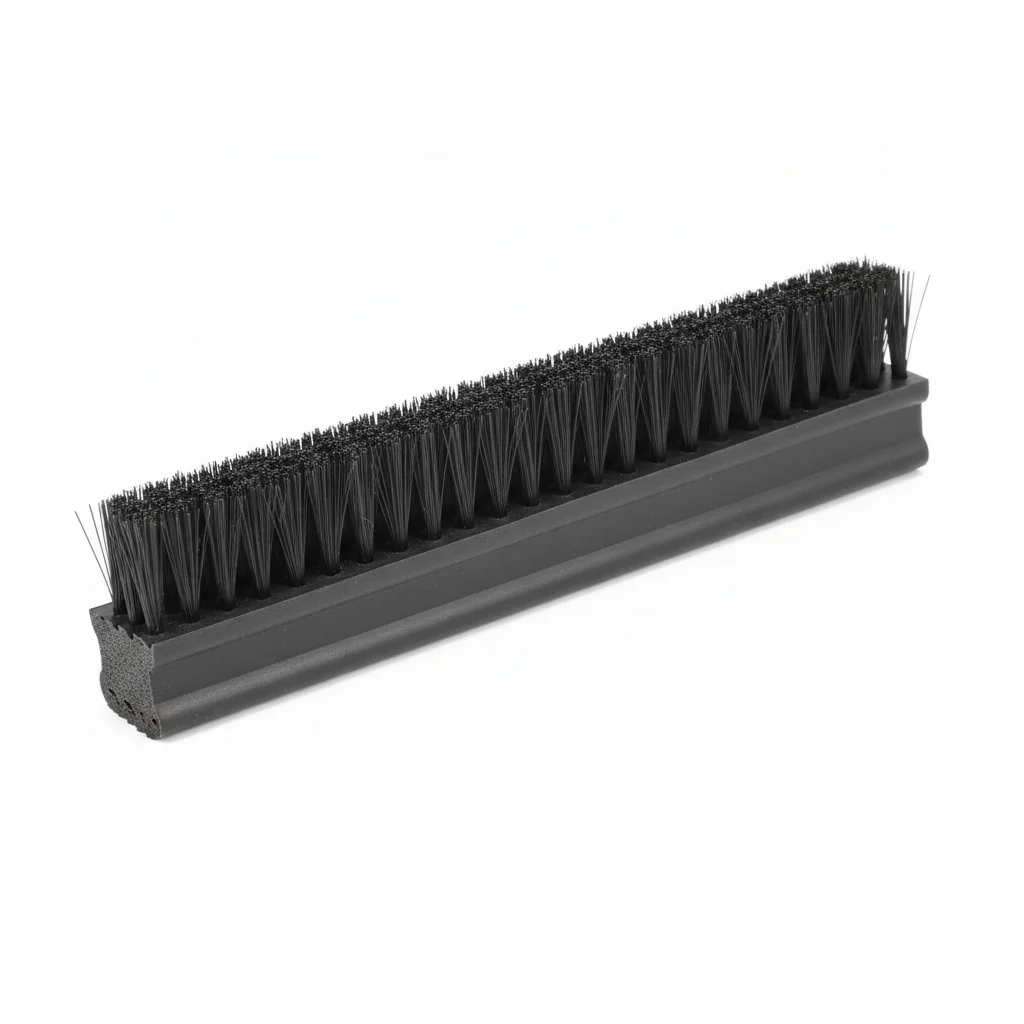
| Dacromet Coated Clamping Spring | Sealing Strip (Carbon Black Filled, UV Resistant) | Nylon Seal Brush | |
|---|---|---|---|
| SPEC | Fits standard channel | D-shaped / P-shaped cross-section | Bristle length 20mm, aluminum alloy base |
| MATERIAL | 65Mn + Dacromet coating | EPDM Rubber | EPDM Rubber |
| GRADE | HRC42-48 | — | — |
| FINISH | HDG >=55um per ISO 1461 | HDG >=55um per ISO 1461 | HDG >=55um per ISO 1461 |
| CORROSION | C3 (ISO 12944-2) | Not applicable (polymer) | Not applicable (polymer) |
| TEMP | -20°C to +80°C | -20°C to +80°C | -20°C to +80°C |
| WEIGHT | ~0.5 kg/piece | ~0.5 kg/piece | ~0.5 kg/piece |
| MOQ | 100 pcs | 100 pcs | 100 pcs |
| PACK | VCI paper + carton | VCI paper + carton | VCI paper + carton |
| STD | ISO 898-1, GB/T 3098.1 | ISO 898-1, GB/T 3098.1 | ISO 898-1, GB/T 3098.1 |
| USE | Presses and fixes greenhouse film to channel | Seals gap between film and frame | Seals edge of ventilation skylight |
PROCEDURE
- Clean the channel and film contact area; ensure the film is evenly tensioned without wrinkles.
- Insert the Dacromet-coated 65Mn clamping spring into the channel, pressing firmly until you hear a 'click' indicating full engagement.
- Run your hand along the entire spring to check for any lifted sections; re-press any that are not fully seated.
- Fit the D-shaped EPDM sealing strip into the gap between film and frame without stretching; let it sit naturally.
- Install the nylon seal brush along the skylight edge, ensuring the 20mm bristles fully contact the closing surface.
COMMON ERRORS
| ✕ WRONG | CONSEQUENCE | ✓ CORRECT |
|---|---|---|
| Stretching the EPDM sealing strip during installation to force it into a tighter gap | Stretched installation halves the lifespan under the combined effect of retraction force and UV aging, leading to premature cracking and air leaks. | Let the sealing strip naturally fit into the gap; choose a D-shaped or P-shaped cross-section for a larger sealing area without stretching. |
| Reusing old clamping springs that show signs of rust or reduced elasticity | Elasticity decline is irreversible; reused springs will fail to press the film tightly, causing loosening and eventual tearing. | Replace old springs with new Dacromet-coated 65Mn springs; inspect each spring by pressing it—if it moves easily, replace it along with the two adjacent ones. |
| Installing the clamping spring incorrectly so it is not fully embedded at the bottom of the channel | A partially embedded spring cannot maintain proper pressure on the film, leading to wind-induced flapping and film wear at the channel edge. | Press the spring manually until you hear a click, then check along the entire length by hand and re-press any lifted sections. |
MAINTENANCE
Inspect clamping springs and sealing strips seasonally—before winter and after summer—pressing springs by hand to check for elasticity; replace any that press down easily. Check seal brush bristle length quarterly, replacing if below 10mm. Replace all sealing strips in the entire greenhouse every two years to prevent gaps from forming. Verify the torque of electric actuator fixing bolts at each seasonal inspection to ensure proper skylight closure.
Plan B · Winter Warm Shed / Flower Shed
C4 Harsh per ISO 12944-2
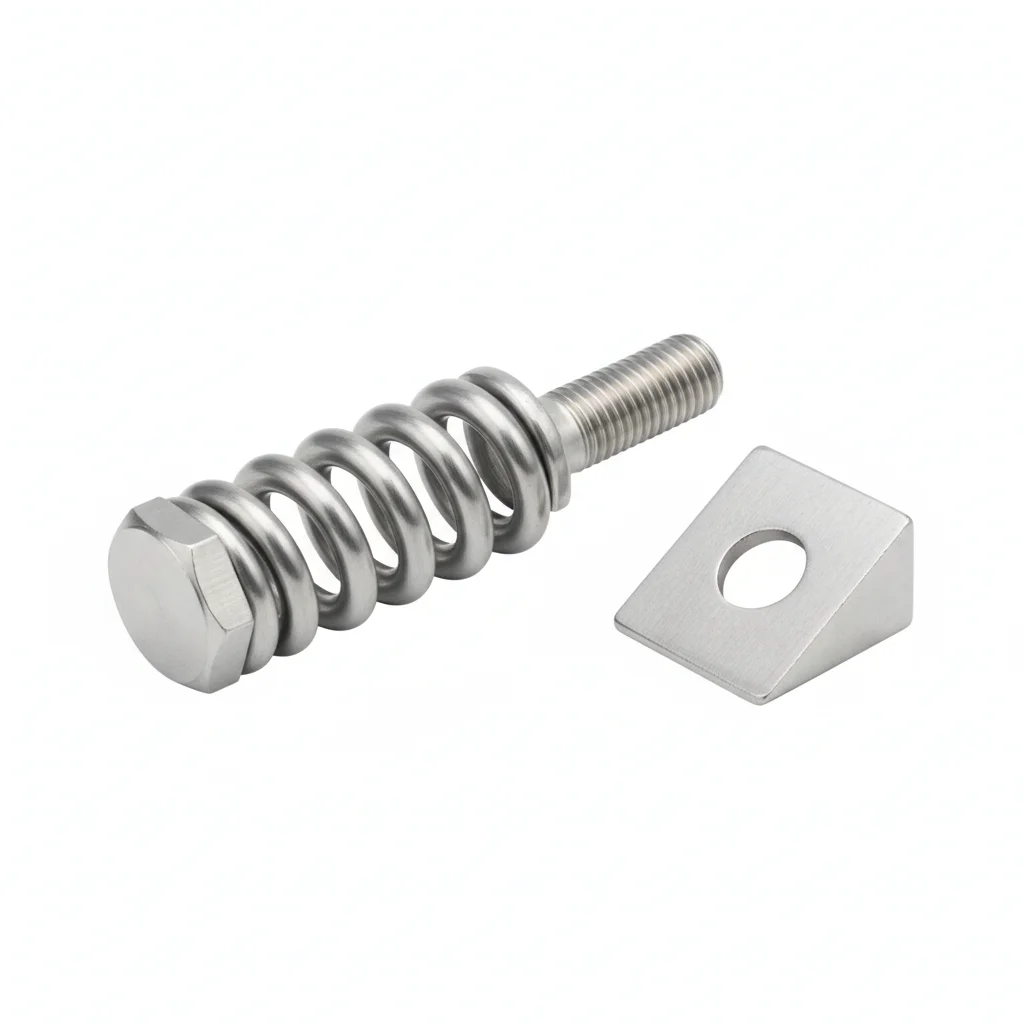
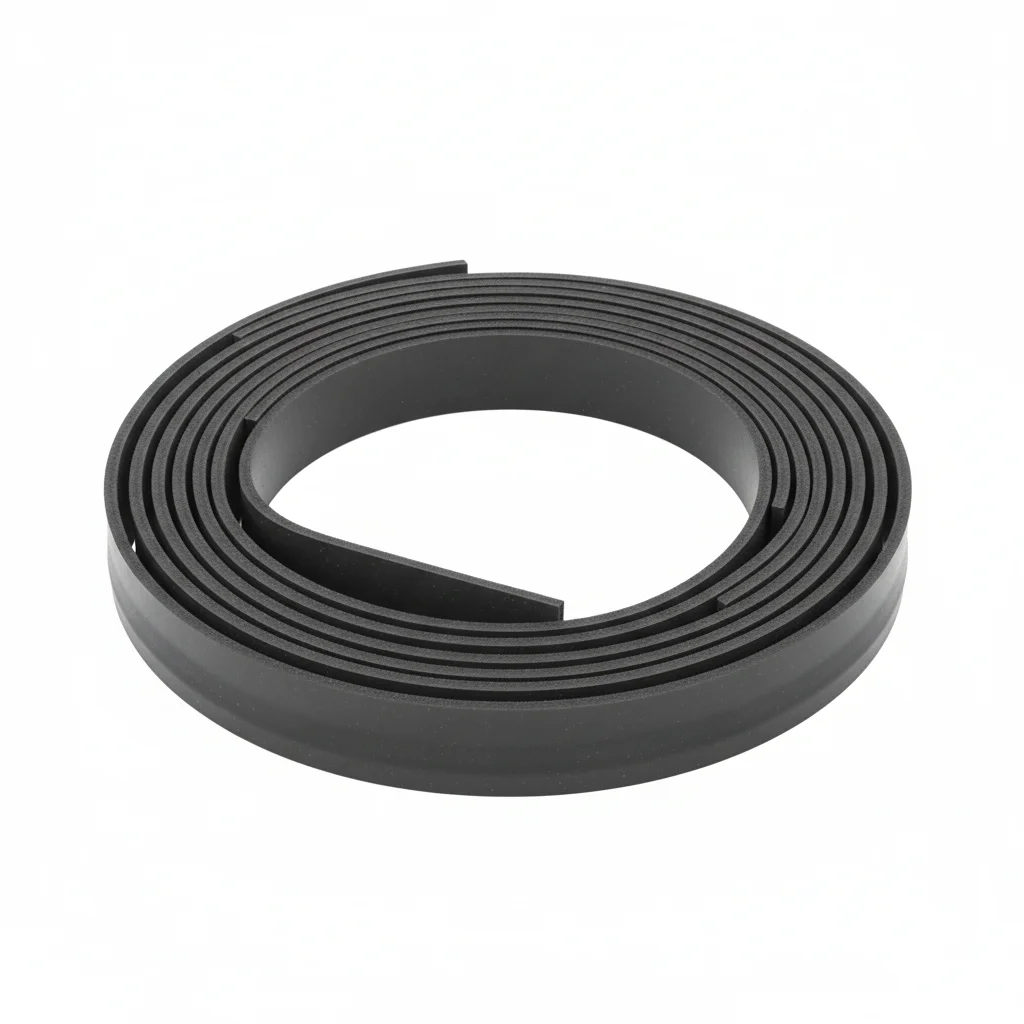
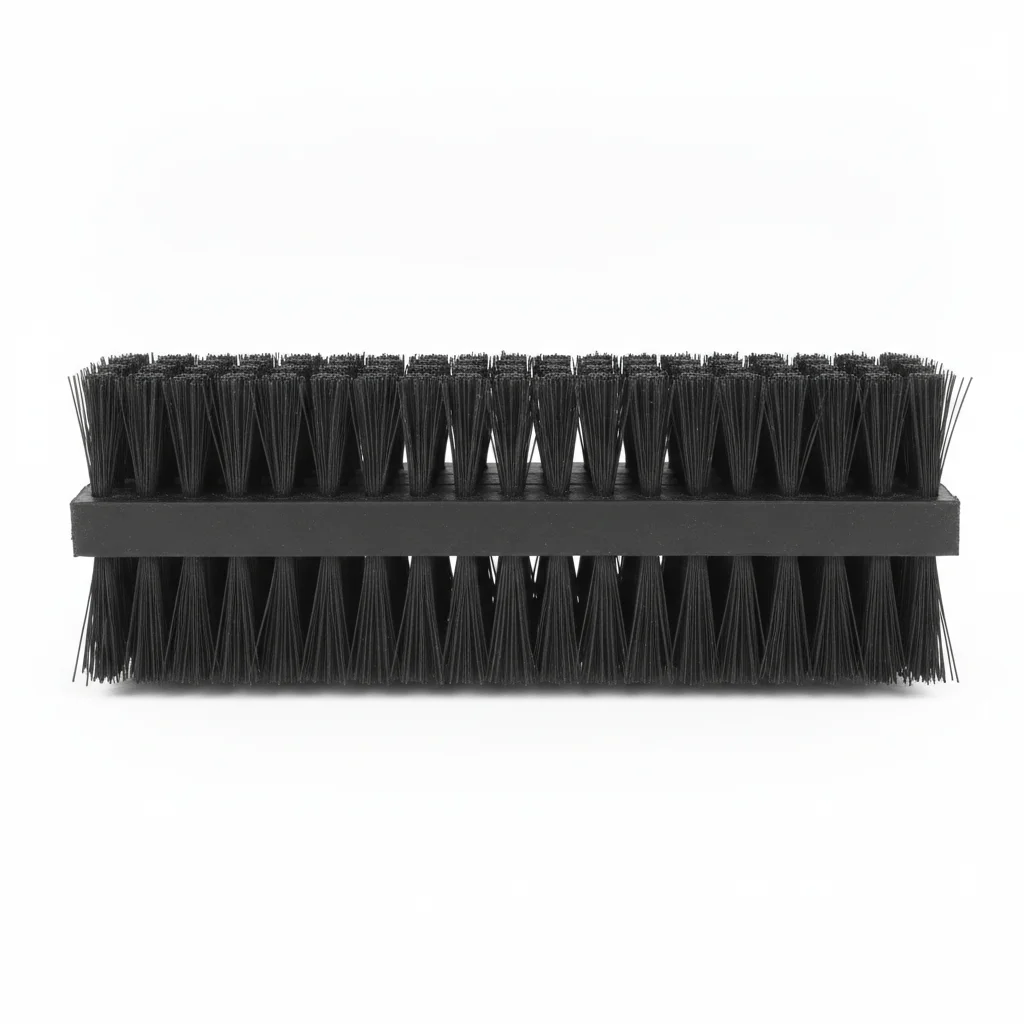
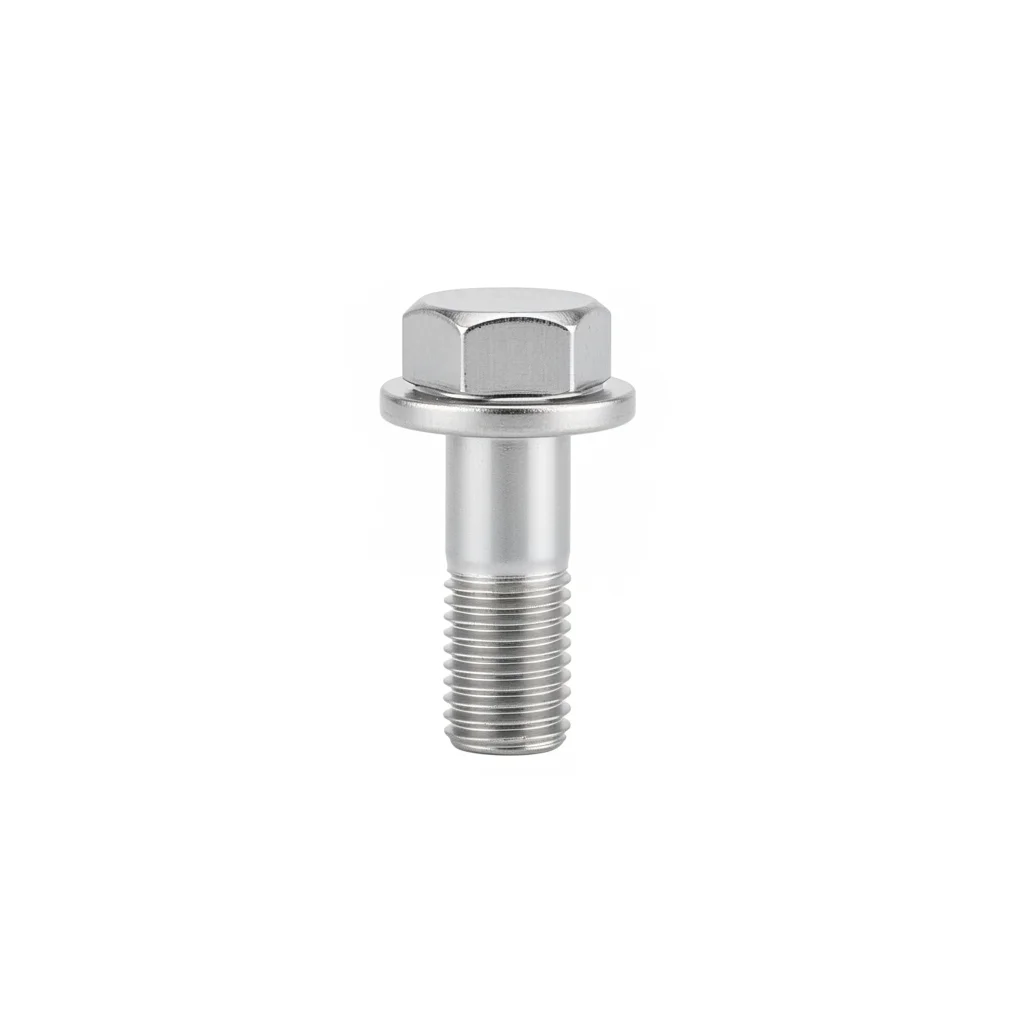
| Clamping Spring | Silicone Rubber Sealing Strip (Ultimate UV Resistance) | Reinforced Nylon Seal Brush (Double Row Bristles) | Electric Actuator Fixing Bolt | |
|---|---|---|---|---|
| SPEC | Fits standard channel | D-shaped / P-shaped cross-section | Bristle length 25mm, stainless steel base | M8 |
| MATERIAL | 304 Stainless Steel | EPDM Rubber | EPDM Rubber | 304 Stainless Steel |
| GRADE | — | -60°C to +200°C | — | A2-70 |
| FINISH | HDG >=55um per ISO 1461 | HDG >=55um per ISO 1461 | HDG >=55um per ISO 1461 | HDG >=55um per ISO 1461 |
| CORROSION | C3 (ISO 12944-2) | Not applicable (polymer) | Not applicable (polymer) | C3 (ISO 12944-2) |
| TEMP | -20°C to +80°C | -20°C to +80°C | -20°C to +80°C | -20°C to +80°C |
| WEIGHT | ~0.5 kg/piece | ~0.5 kg/piece | ~0.5 kg/piece | ~0.5 kg/piece |
| MOQ | 100 pcs | 100 pcs | 100 pcs | 100 pcs |
| PACK | VCI paper + carton | VCI paper + carton | VCI paper + carton | VCI paper + carton |
| STD | ISO 898-1, GB/T 3098.1 | ISO 898-1, GB/T 3098.1 | ISO 898-1, GB/T 3098.1 | ISO 898-1, GB/T 3098.1 |
| USE | Non-corrosive clamping spring for high humidity + long-term elasticity retention | Seals gaps in high-insulation greenhouses + 10-year replacement-free | High-seal requirement skylight edge + stainless steel rust-proof base | Fixes skylight actuator + anti-loosening |
PROCEDURE
- Degrease channel surfaces with acetone to remove any residual film lubricant, then verify a clean, dry contact area for the 304 stainless steel spring legs.
- Press the 304 clamping spring into the channel until it clicks, ensuring full embedment at the bottom; then run a hand along the entire length to confirm no spring is lifted.
- Fit the silicone rubber sealing strip without stretching—let it settle naturally into the gap so its -60°C to +200°C elasticity is preserved against UV aging.
- Mount the double-row PA66 seal brush (25mm bristle length) on its stainless steel base, aligning it with the skylight edge so bristles contact evenly when closed.
- Secure the electric actuator fixing bolt (A2-70) with a calibrated wrench, checking that the skylight closes flush against the brush and the seal is continuous.
COMMON ERRORS
| ✕ WRONG | CONSEQUENCE | ✓ CORRECT |
|---|---|---|
| Stretching the silicone sealing strip during installation to force it into a tight gap | The induced retraction force accelerates UV aging and halves the strip's life, causing premature cracking and air leaks within 2-3 years. | Let the strip naturally conform to the gap without tension; use a D- or P-shaped profile for a larger sealing surface without overstretching. |
| Using a carbon steel base for the seal brush in the high-humidity (RH>80%) greenhouse environment | The base rusts within 2 years, causing the entire brush to detach and leaving a 5-10mm gap that lets cold air backflow in winter. | Choose a stainless steel base (as specified) for the brush to resist corrosion and maintain bristle retention over the 5-8 year life. |
MAINTENANCE
Inspect clamping springs and sealing strips before each winter heating season; press springs by hand to check for elasticity—replace any that depress easily, along with adjacent ones. Check seal brush bristle length quarterly and replace if worn below 10mm. Verify actuator bolt torque at each overhaul window to prevent skylight misalignment.
Plan C · Multi-Span Greenhouse / High-End Flower Shed
C5-M Extreme per ISO 12944-2
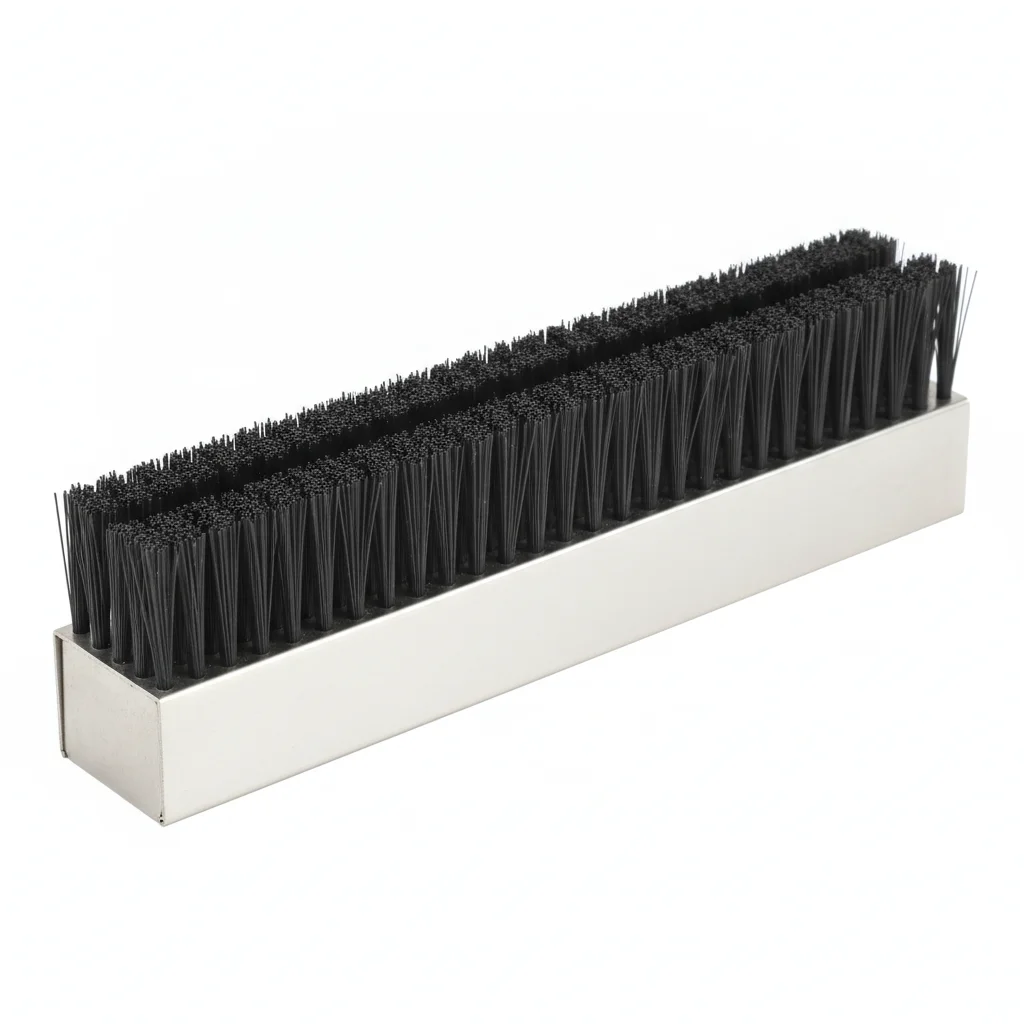
| Clamping Spring | Fluorosilicone Rubber Sealing Strip | Stainless Steel Base Double Row Seal Brush | Skylight Seal Status Online Monitoring | |
|---|---|---|---|---|
| SPEC | Fits standard channel | D-shaped / P-shaped cross-section | Bristle length 30mm, 316L base | Gap sensor + IoT |
| MATERIAL | 316L Stainless Steel | EPDM Rubber | EPDM Rubber | EPDM Rubber |
| GRADE | — | -70°C to +250°C | — | IP65 |
| FINISH | HDG >=55um per ISO 1461 | HDG >=55um per ISO 1461 | HDG >=55um per ISO 1461 | HDG >=55um per ISO 1461 |
| CORROSION | C3 (ISO 12944-2) | Not applicable (polymer) | Not applicable (polymer) | Not applicable (polymer) |
| TEMP | -20°C to +80°C | -20°C to +80°C | -20°C to +80°C | -20°C to +80°C |
| WEIGHT | ~0.5 kg/piece | ~0.5 kg/piece | ~0.5 kg/piece | ~0.5 kg/piece |
| MOQ | 100 pcs | 100 pcs | 100 pcs | 100 pcs |
| PACK | VCI paper + carton | VCI paper + carton | VCI paper + carton | VCI paper + carton |
| STD | ISO 898-1, GB/T 3098.1 | ISO 898-1, GB/T 3098.1 | ISO 898-1, GB/T 3098.1 | ISO 898-1, GB/T 3098.1 |
| USE | Lifetime corrosion-resistant clamping spring + high investment protection for multi-span greenhouses | Ultimate weather-resistant sealing strip + 20-year maintenance-free | Highest seal requirement skylight + lifetime corrosion-resistant base | Real-time monitoring of gap after skylight closure → automatic alarm on seal failure |
PROCEDURE
- Clean the channel with MEK solvent to remove all organic residues, ensuring a pristine surface for the 316L spring's corrosion-free contact.
- Snap the 316L clamping spring into the channel, pressing down until you hear a click; then visually confirm each spring is seated at the bottom and not tilted.
- Install the fluorosilicone rubber sealing strip without stretching—its -70°C to +250°C range handles extreme thermal cycling, but tension would shorten its 20-year maintenance-free life.
- Position the stainless steel base double-row seal brush (30mm bristle length) along the skylight perimeter, ensuring the 316L base is fully supported and bristles compress evenly on closure.
- Mount the skylight seal status online monitoring system's gap sensor per its IP65 rating, then test that the skylight closes flush and the sensor reports zero gap.
COMMON ERRORS
| ✕ WRONG | CONSEQUENCE | ✓ CORRECT |
|---|---|---|
| Using ordinary EPDM sealing strip in a multi-span greenhouse where the chimney effect amplifies any leak | EPDM cracks under UV in 2-3 years, causing air leaks that escalate fuel costs by 40-50% and create localized frost damage across the entire span. | Select fluorosilicone rubber for its 10-15 year UV resistance, matching the multi-span greenhouse's longer design life and higher sealing demands. |
| Neglecting to calibrate the skylight actuator so the vent closes at an angle, leaving a gap that even a new brush cannot seal | The gap allows cold air backflow, freezing crops within a 3-5m radius, and the misalignment may go undetected without monitoring. | After installing the actuator bolt, verify the skylight closes parallel to the frame; use the online gap sensor to confirm zero clearance and alert on any future misalignment. |
MAINTENANCE
Annually before winter, inspect all clamping springs and sealing strips; replace any spring that shows loss of elasticity (presses down easily) and any strip with surface cracks. Monitor skylight seal status via the online system continuously; investigate any gap alarm immediately. At each major overhaul, replace all sealing strips and springs regardless of condition to maintain the 10-15 year integrity.
REFERENCED STANDARDS
Technical Basis and Reference Standards
Classification standard for UV resistance and high-temperature performance of EPDM/Silicone Rubber/Fluorosilicone Rubber sealing strips
Metal-faced sandwich panels for buildingsThermal performance test standard for greenhouse sealing materials—referenced for evaluating the insulation performance of sealing strips
Cold rolled spring steel stripStandard for spring steel strip used for 65Mn clamping springs—heat treatment process and elasticity performance requirements
SUPPLIER CAPABILITY
Quality, Delivery & Customization
Quality Control
- ✓MTC material certificates with every batch
- ✓Key parts sampled for hardness/salt spray/torque coefficient
- ✓100% inspection or AQL sampling before shipment
Delivery
- ✓Standard parts made to order: 7-15 days
- ✓Custom parts: 25-45 days
- ✓FOB/CIF/DDP supported
Customization
- ✓Drawing review and material matching
- ✓Non-standard sizes/heads/threads
- ✓Small-batch prototyping supported
Certification
- ✓Material certificates (MTC)
- ✓Spectrographic analysis reports
- ✓Salt spray test reports (on request)
MOQ: No MOQ for standard parts; custom parts assessed by process complexity
FAQ
Frequently Asked Questions
RELATED READING
Keep Reading & Next Step
BEYOND TECHNICAL SPECS
Finding the right factory, controlling quality, delivering on time — that's the real challenge. We cover fasteners, rubber, plastics, industrial textiles. One team, end to end.
SEE CAPABILITIES →