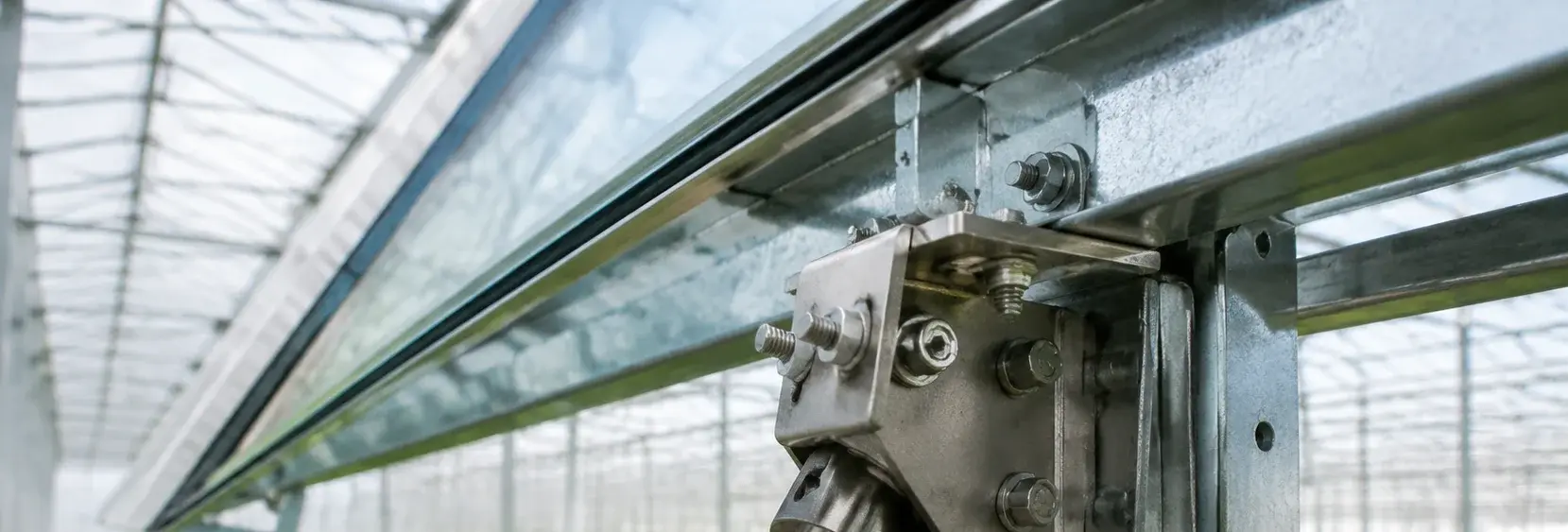
Greenhouse Vent Window & Skylight Hardware: Preventing Seizure and Loosening
In high temperature and humidity, carbon steel hinges start rusting within 3 months and seize within 1 year, causing skylight failure. Electric actuator bracket bolts lose preload after many cycles, leading to uneven ventilation. This page compares material and coating options to prevent these failure chains
RISK AUDIT // ENGINEERING DIAGNOSIS
Procurement Pitfall Guide
"In the humid heat of a working greenhouse, fastener failure is not a matter of if, but when."
QC-AUDIT // REV.5
SCALE 1:1 · 03 ITEMS
RISK-01
Skylight hinges rust and seize in high temperature and humidity → Skylight opening/closing fails → Cold drafts in winter / Excessive greenhouse temperature in summer
Corrective Measures
RISK-02
Electric actuator bracket bolts loosen under repeated push/pull forces → Actuator tilts → Skylight opening angles differ on both sides → Uneven ventilation
Corrective Measures
RISK-03
Linkage pins corrode in alternating humidity → Pin-to-hole clearance increases → Skylight louvers become unsynchronized → Ventilation efficiency drops by 40%
Corrective Measures
FIELD-SPECIFIC INSIGHT
3 Failure Points Often Missed in Skylight Hardware Procurement
Greenhouse skylight hardware operates in a unique environment: high temperature, high humidity, and frequent cycling. Standard carbon steel fasteners fail rapidly, but even stainless steel can suffer from galling or crevice corrosion if not properly specified. The following table highlights critical checks for procurement
WHAT TO CHECK
- 1Hinge material: Carbon steel hinges rust and seize within 1 year in greenhouse conditions; specify 304 or 316L stainless steel with PTFE bushing for maintenance-free operation
- 2Bolt preload retention: Actuator bracket bolts under alternating loads lose preload after many cycles; use M10 bolts with nylon nut + spring washer + threadlocker to maintain clamping force
- 3Pin clearance: Linkage pins corrode in alternating humidity, increasing clearance and causing unsynchronized louvers; specify nitrided 304/316L pins with high surface hardness to resist wear
| Check | Why it matters | What to specify |
|---|---|---|
| Hinge corrosion resistance | Carbon steel hinges seize within 1 year, causing skylight failure and actuator overload | 304 or 316L stainless steel hinge with PTFE bushing; verify material certificate per ISO 3506-1 |
| Bolt locking method | Standard bolts loosen under cyclic loads, leading to actuator tilt and uneven ventilation | M10 bolt with nylon insert lock nut, spring washer, and threadlocker; torque to spec per VDI 2230 |
| Pin surface hardness | Soft pins wear quickly, increasing clearance and causing louver asynchrony | Nitrided 304/316L pin with high surface hardness; verify hardness test report |
| Spherical plain bearing at actuator ends | Without bearing, installation misalignment creates bending moment on bolt, accelerating loosening | M10 spherical plain bearing with 304 + PTFE liner to absorb misalignment |
All torque values and preload specifications should be verified against the actuator manufacturer's requirements. Maintenance intervals: inspect every 250 operating hours or 6 months
Evidence level: source-page-only
INDUSTRY TECH REFERENCE
Actuator Bracket Bolts: How Preload Decays Until the Skylight Tilts
Actuator bracket bolts belong to the same class as multi-span gutter joint bolts — long-term, high-stress bolts in a greenhouse. Preload decays along the same path; here it is traced on an electric skylight actuator bracket:
- 1Bracket bolts are loaded every time the skylight opens and closes, sitting in a high-stress state with no chance to unload
- 2Under sustained high stress the bolt relaxes (a room-temperature mechanism — relaxation, not creep) — magnitude estimate: roughly 0.1–0.2 mm equivalent elongation over 5 years
- 3Preload erodes year by year: residual preload can drop to about 40% of the initial value after 3 years (magnitude estimate) — micro-gaps open at the joint faces
- 4Moisture seeps into the micro-gaps, the threads corrode faster and the effective cross-section shrinks — preload falls further, a vicious cycle
- 5With insufficient preload the actuator shifts under load, and the two skylight sides open to increasingly different angles
- 6Countermeasures: nylon-insert lock nuts plus wedge locking washers to hold preload; retorque every year before winter, and check joint-face gaps with a feeler gauge
“0.1–0.2 mm equivalent elongation over 5 years” and “residual preload down to about 40% after 3 years” are magnitude estimates.
INDUSTRY TECH REFERENCE
The Galvanized-Hinge Seizure Chain: From a Scratch to a Seized Joint
A skylight hinge is one of the few moving joints in a greenhouse — it rotates on every open/close cycle. Once a scratch exposes bare steel, the end of the corrosion story is not ugliness; it is seizure.
- 1Handling and installation scratch the hinge; the zinc coating is locally damaged and bare steel is exposed
- 2Coastal and multi-span greenhouse humidity puts the site at ISO 9223 C4–C5: zinc is consumed at roughly 3–5 μm/year, so a galvanized layer runs out in about 4–7 years (inland C3 consumes 1–2 μm/year, lasting 10–20 years)
- 3Once the zinc is gone the steel base corrodes, and corrosion products pile up between the hinge faces and the pin
- 4The gap fills with corrosion products, turning resistance climbs until the hinge seizes — it will not open when it should open, nor close when it should close
- 5Countermeasure: specify 304 hinges in humid zones outright (10–15 years in the same environment, roughly 2–3× cost); galvanized hardware belongs in dry inland zones
Yearly zinc loss and coating-life figures follow the ISO 9223 corrosivity tiers (C3/C4–C5).
INDUSTRY TECH REFERENCE
The Skylight Hardware Boundary: What Counts as Fasteners
Fix the supply scope before ordering: small metal parts are in the fastener range; motors, extrusions and glazing are not.
In scope: metal small parts and fasteners such as skylight hinges (hot-dip galvanized/304), actuator bracket bolts, linkage pins, tie-rod ends, and washers. Out of scope: the electric actuator and gearbox, aluminum linkage arms and skylight extrusions, glazing (PC sheets/glass), and seal strips — source those as greenhouse equipment and structural parts, not as fasteners.
This slot uses no magnitude estimates.
PLAN COMPARISON
Three-Plan Core Parameter Comparison
Compare row by row. Click column headers to jump to plan details.
| A · Plan A · Single Span Greenhouse / Manual Skylight | B · Plan B · Multi-Span Greenhouse / Electric Skylight | C · Plan C · High-End Multi-Span / Research Greenhouse | |
|---|---|---|---|
| 1. HOT-DIP GALVANIZED SKYLIGHT HINGE | |||
| SPEC | 50×50mm | 60×60mm | 70×70mm |
| MATERIAL | Carbon Steel + Hot-Dip Galvanized ≥85μm | 304 Stainless Steel + PTFE | 316L Stainless Steel + PTFE |
| FINISH | HDG >=55um per ISO 1461 | HDG >=55um per ISO 1461 | HDG >=55um per ISO 1461 |
| 2. GALVANIZED ACTUATOR BRACKET BOLT | |||
| SPEC | M8×30mm | M10×35mm | M10×40mm |
| MATERIAL | Carbon Steel + Hot-Dip Galvanized | 304 Stainless Steel | 316L Stainless Steel |
| GRADE | Grade 8.8 | A2-70 | A4-70 |
| FINISH | HDG >=55um per ISO 1461 | HDG >=55um per ISO 1461 | HDG >=55um per ISO 1461 |
| 3. GALVANIZED LINKAGE PIN | |||
| SPEC | φ8×40mm | φ10×50mm | φ12×60mm |
| MATERIAL | Carbon Steel + Hot-Dip Galvanized | 304 Stainless Steel + Nitrided | 316L Stainless Steel + Nitrided |
| GRADE | — | Surface HV800+ | Surface HV1000+ |
| FINISH | HDG >=55um per ISO 1461 | HDG >=55um per ISO 1461 | HDG >=55um per ISO 1461 |
Plan A · Single Span Greenhouse / Manual Skylight
C3 (ISO 12944-2)
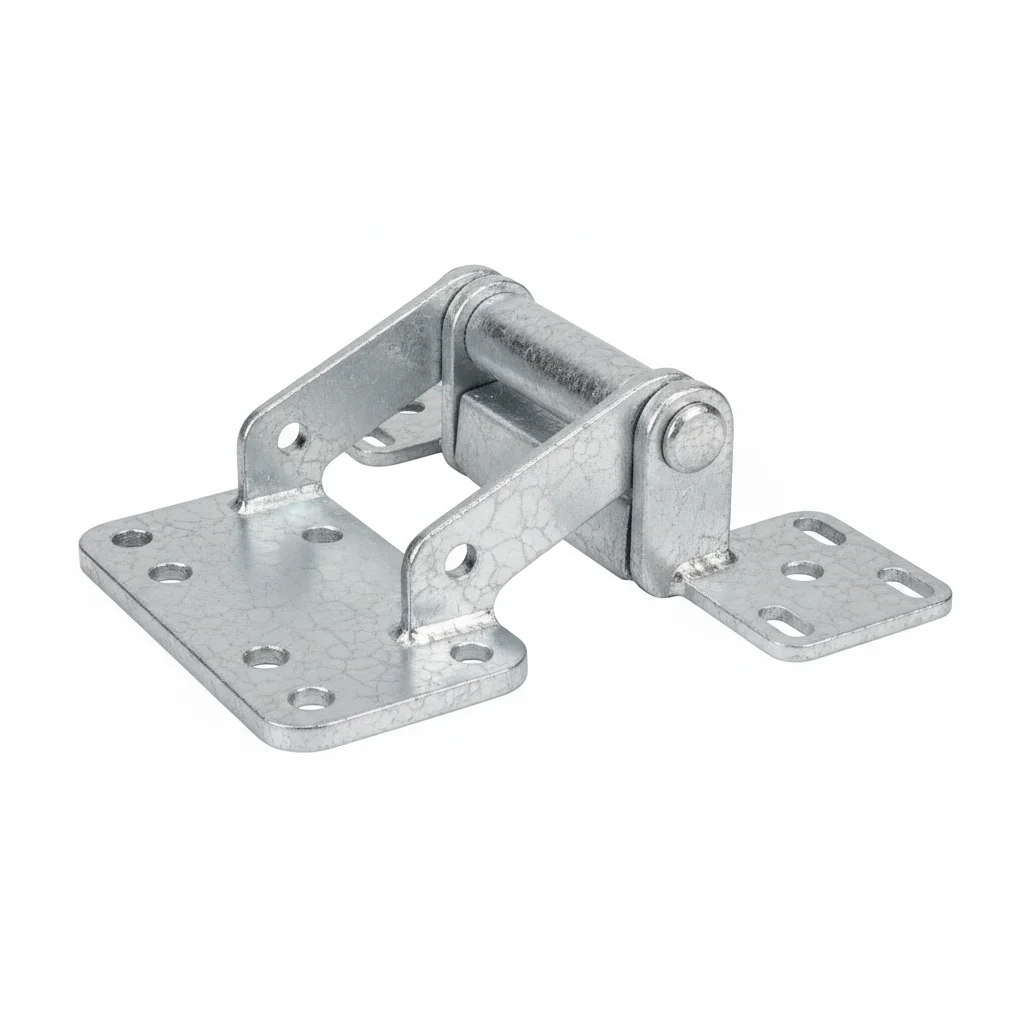
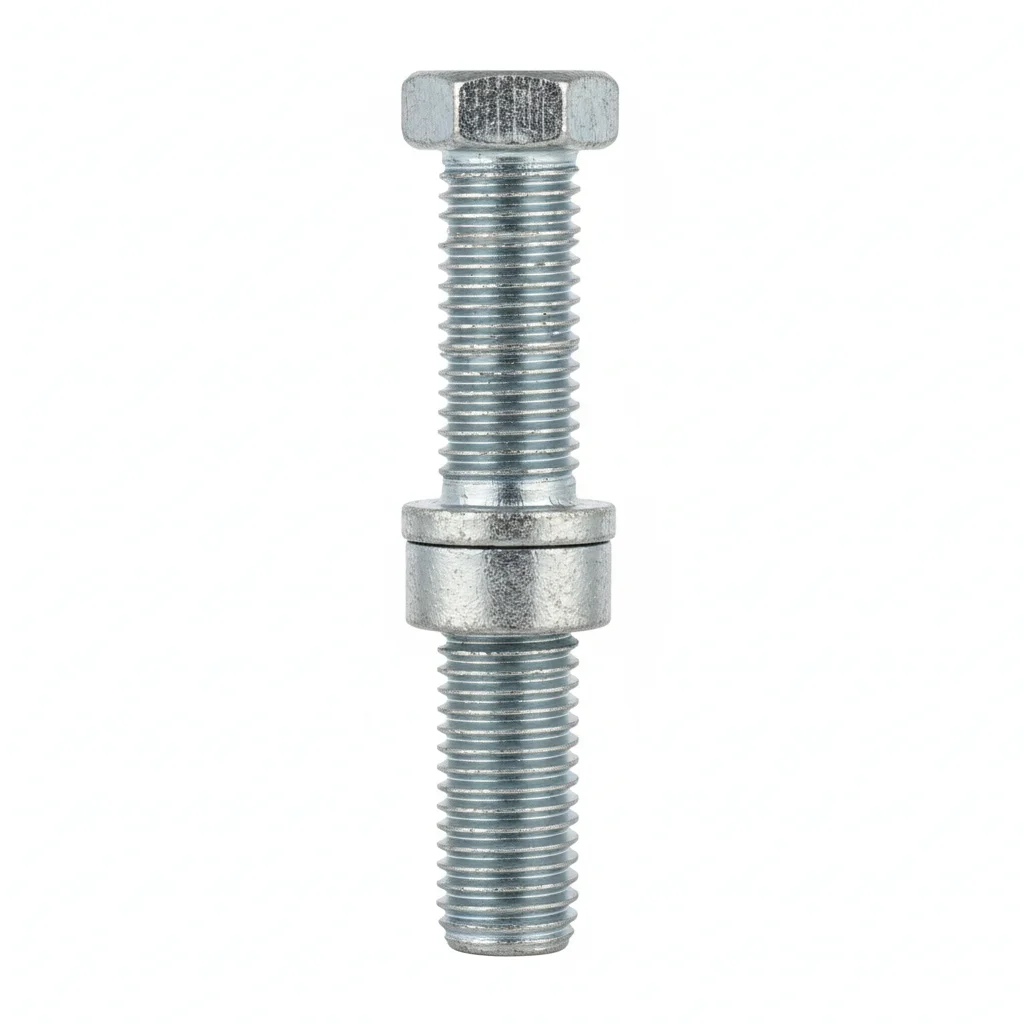
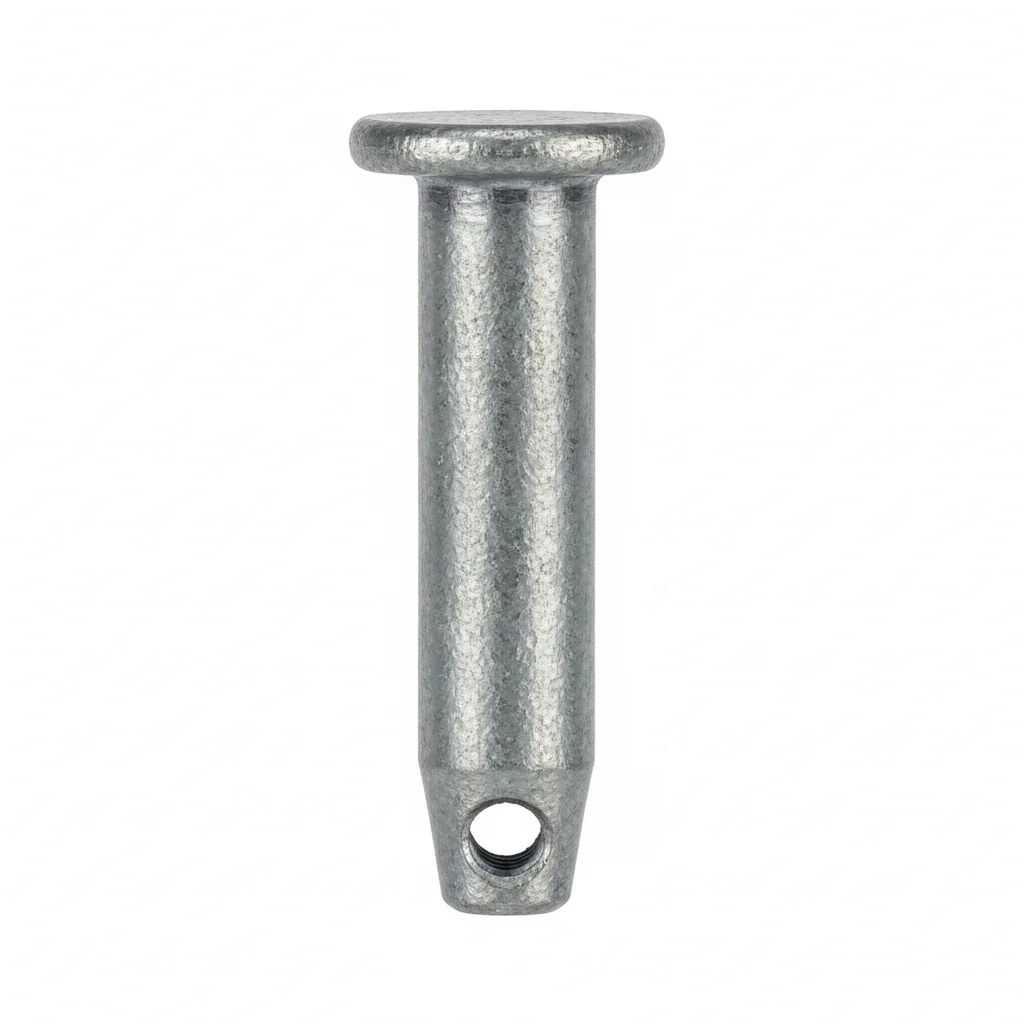
| Hot-Dip Galvanized Skylight Hinge | Galvanized Actuator Bracket Bolt | Galvanized Linkage Pin | |
|---|---|---|---|
| SPEC | 50×50mm | M8×30mm | φ8×40mm |
| MATERIAL | Carbon Steel + Hot-Dip Galvanized ≥85μm | Carbon Steel + Hot-Dip Galvanized | Carbon Steel + Hot-Dip Galvanized |
| GRADE | — | Grade 8.8 | — |
| FINISH | HDG >=55um per ISO 1461 | HDG >=55um per ISO 1461 | HDG >=55um per ISO 1461 |
| CORROSION | C3 (ISO 12944-2) | C3 (ISO 12944-2) | C3 (ISO 12944-2) |
| TEMP | -20°C to +80°C | -20°C to +80°C | -20°C to +80°C |
| WEIGHT | ~0.5 kg/piece | ~0.5 kg/piece | ~0.5 kg/piece |
| MOQ | 100 pcs | 100 pcs | 100 pcs |
| PACK | VCI paper + carton | VCI paper + carton | VCI paper + carton |
| STD | ISO 898-1, GB/T 3098.1 | ISO 898-1, GB/T 3098.1 | ISO 898-1, GB/T 3098.1 |
| USE | Skylight hinge + rust prevention | Electric actuator bracket fixation | Skylight louver linkage connection |
PROCEDURE
- Clean hinge mounting surfaces with solvent; ensure flatness within 0.1mm per 100mm.
- Position the galvanized hinge (50×50mm) and secure with M8×30mm bracket bolts, verifying alignment within 0.5mm.
- Tighten bolts in a cross pattern to the specified torque using a calibrated wrench; record values in the QA log.
- Check hinge pin levelness; adjust shims if needed to avoid axial load on the pin.
- Apply torque seal paint and photograph the assembly for documentation.
COMMON ERRORS
| ✕ WRONG | CONSEQUENCE | ✓ CORRECT |
|---|---|---|
| Using non-galvanized carbon steel fasteners for outdoor greenhouse exposure | Surface rust appears within 3 months, leading to hinge seizure and actuator overload within 1 year. | Specify hot-dip galvanized fasteners with ≥55μm coating per ISO 1461 for C3 environments. |
| Installing hinge pin at an angle, causing axial stress on the pin | Accelerated pin wear and premature hinge failure, leading to uneven skylight operation. | Ensure hinge pin is perfectly level during installation; use a spirit level and adjust mounting brackets as needed. |
| Skipping surface preparation before installation | Contaminants under the bolt head cause preload loss and corrosion initiation within months. | Clean all contact surfaces with solvent and verify cleanliness before assembly. |
MAINTENANCE
Inspect skylight opening/closing quarterly; manually push skylight to check smoothness. Re-torque actuator bracket bolts if below 80% of nominal torque. Replace any hinge showing rust or sticking; use rust remover lubricant (not WD-40) on PTFE-bushed hinges. Verify louver synchronization and pin clearance seasonally.
Plan B · Multi-Span Greenhouse / Electric Skylight
C4 Harsh per ISO 12944-2
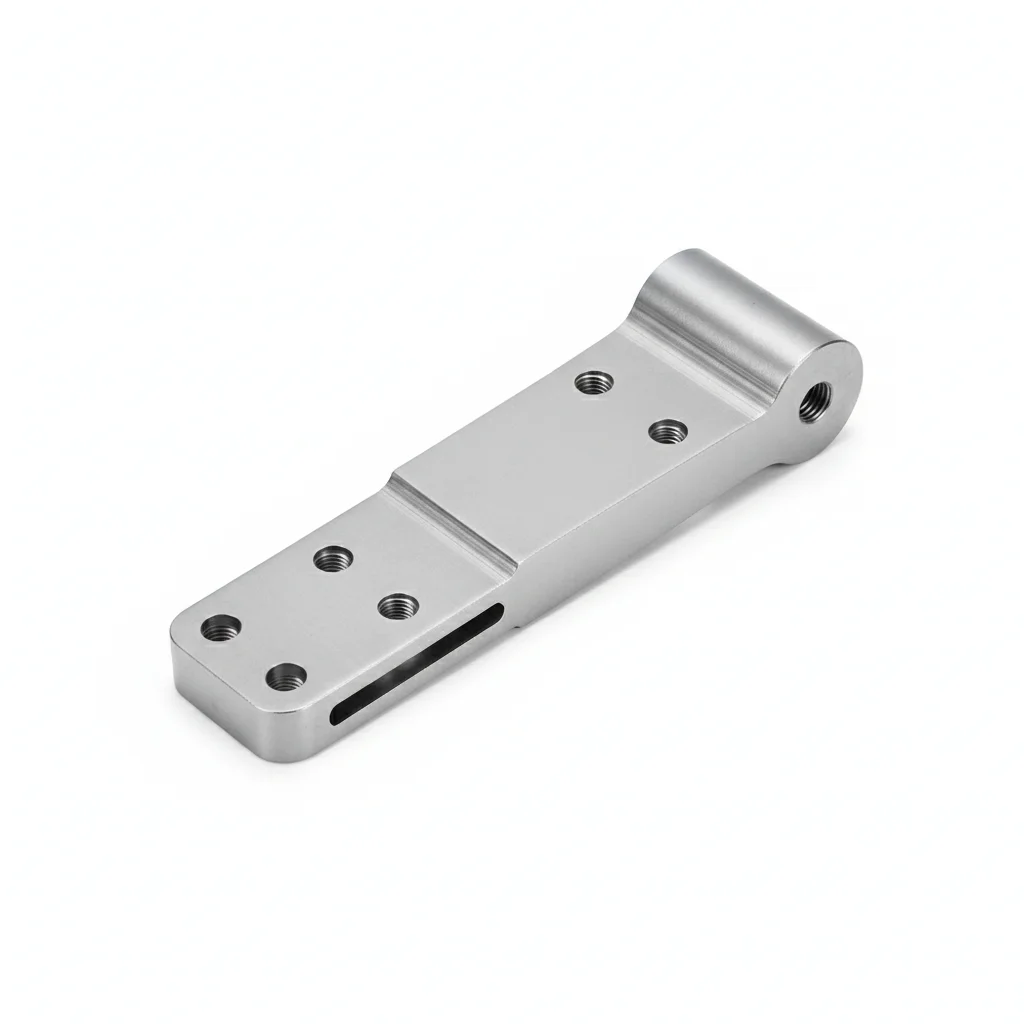
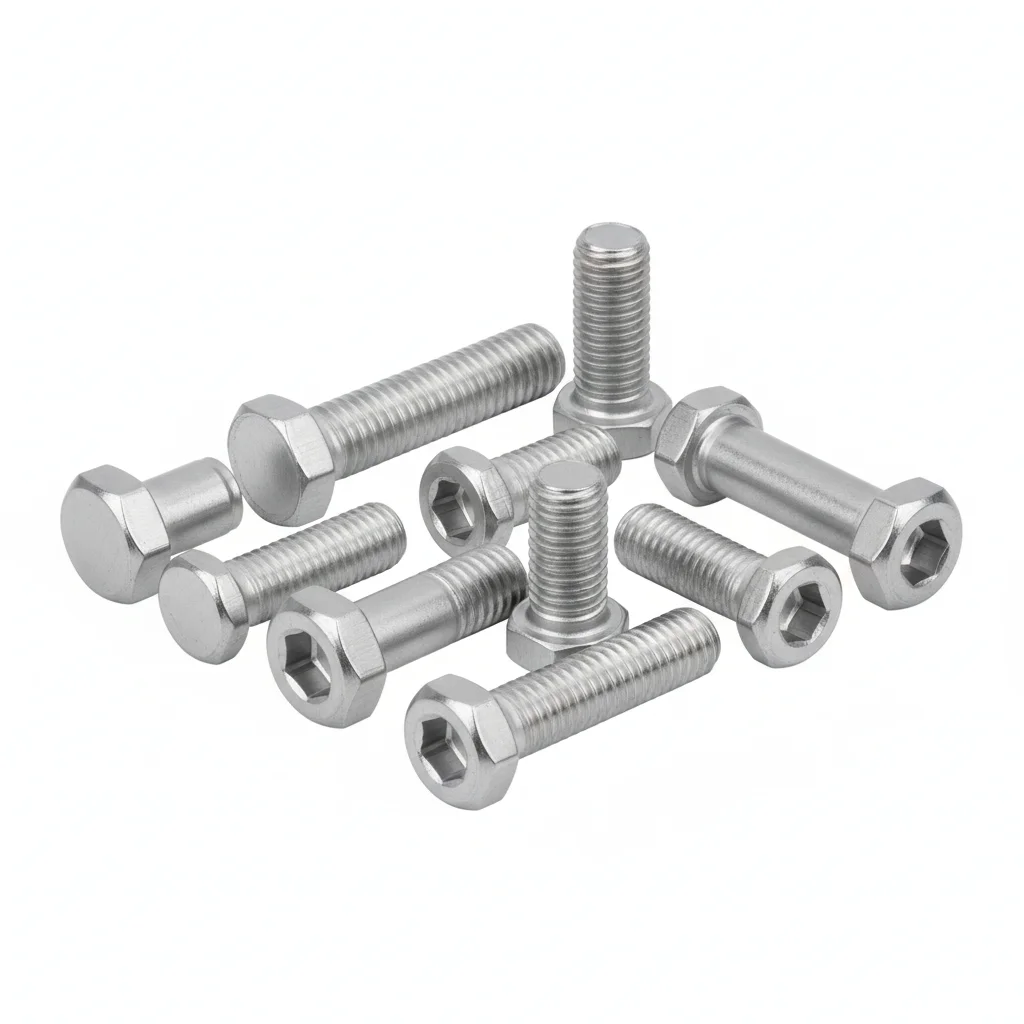
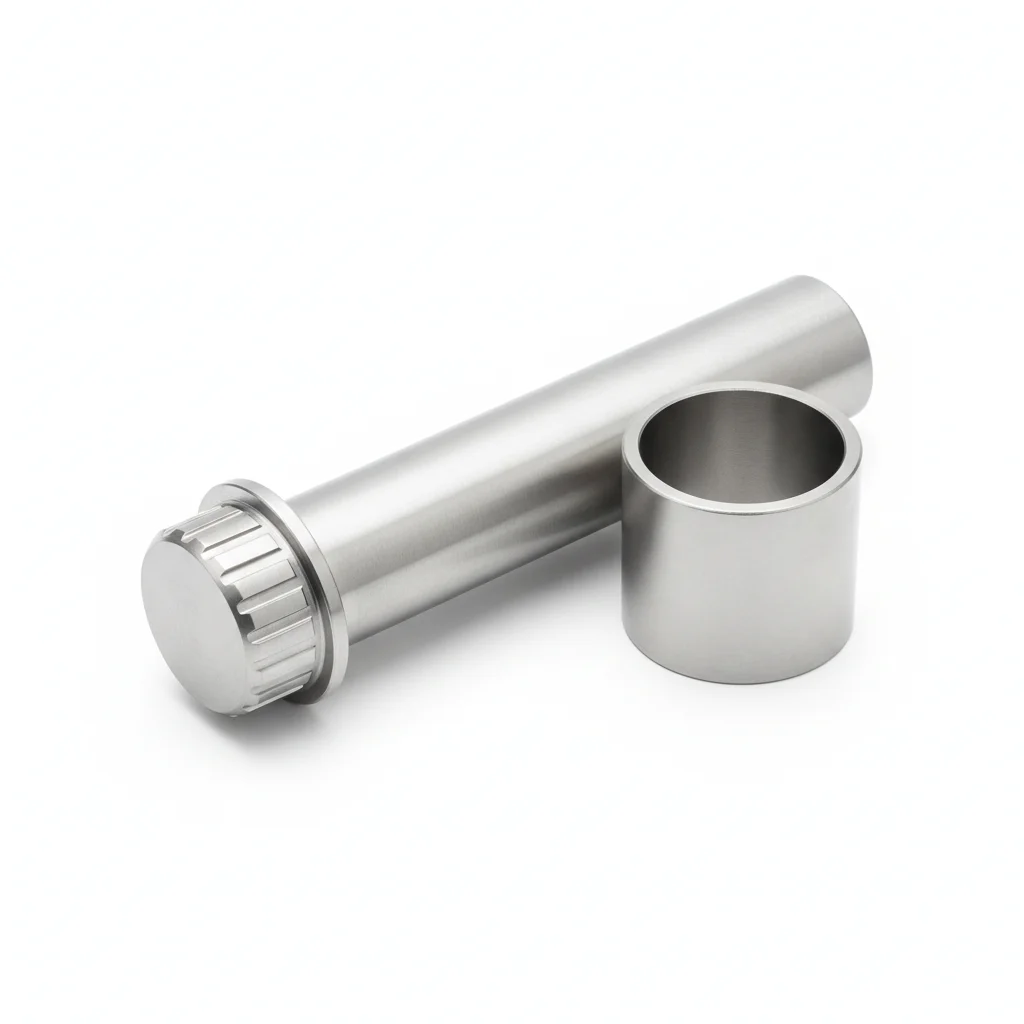
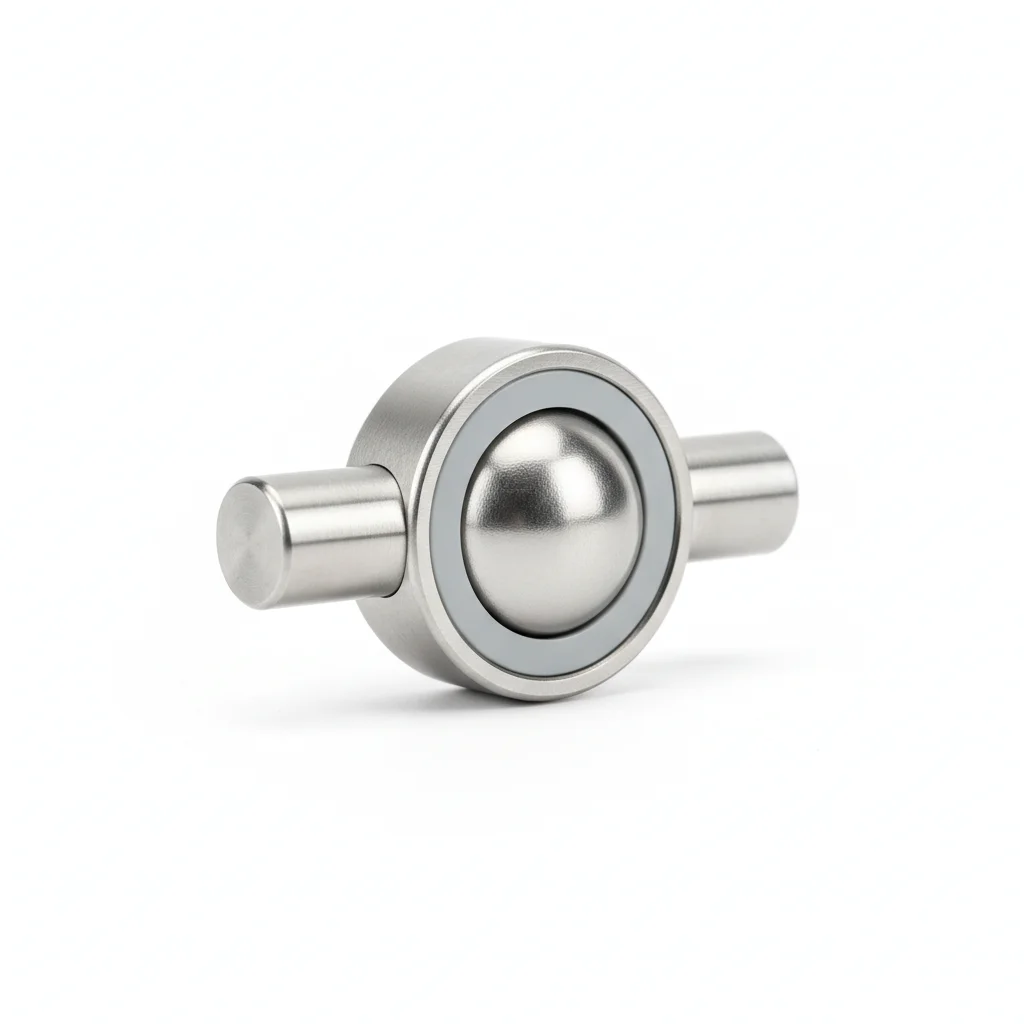
| Skylight Hinge | Actuator Bracket Bolt | Nitrided Linkage Pin | Spherical Plain Bearing (Actuator Ends) | |
|---|---|---|---|---|
| SPEC | 60×60mm | M10×35mm | φ10×50mm | M10 Spherical |
| MATERIAL | 304 Stainless Steel + PTFE | 304 Stainless Steel | 304 Stainless Steel + Nitrided | 304 + PTFE |
| GRADE | — | A2-70 | Surface HV800+ | — |
| FINISH | HDG >=55um per ISO 1461 | HDG >=55um per ISO 1461 | HDG >=55um per ISO 1461 | HDG >=55um per ISO 1461 |
| CORROSION | C3 (ISO 12944-2) | C3 (ISO 12944-2) | C3 (ISO 12944-2) | C3 (ISO 12944-2) |
| TEMP | -20°C to +80°C | -20°C to +80°C | -20°C to +80°C | -20°C to +80°C |
| WEIGHT | ~0.5 kg/piece | ~0.5 kg/piece | ~0.5 kg/piece | ~0.5 kg/piece |
| MOQ | 100 pcs | 100 pcs | 100 pcs | 100 pcs |
| PACK | VCI paper + carton | VCI paper + carton | VCI paper + carton | VCI paper + carton |
| STD | ISO 898-1, GB/T 3098.1 | ISO 898-1, GB/T 3098.1 | ISO 898-1, GB/T 3098.1 | ISO 898-1, GB/T 3098.1 |
| USE | Skylight hinge + maintenance-free + rust-proof | Electric actuator bracket + nylon nut + spring washer + threadlocker | Skylight linkage + wear-resistant + rust-proof | Actuator connection + absorbs installation deviation + reduces bolt bending moment |
PROCEDURE
- Degrease hinge and bracket surfaces with acetone to remove any film that could block the PTFE bushing from seating.
- Mount the 304 skylight hinge (60×60mm) with the PTFE bushing aligned to the pin axis; hand-start the M10×35mm A2-70 actuator bracket bolt.
- Add the nylon lock nut and spring washer, then torque in a cross pattern to the value specified in the actuator manual.
- Fit the nitrided linkage pin (φ10×50mm) with a PTFE bushing in the connecting rod hole; check free rotation before securing.
- Install the spherical plain bearing (M10) at each actuator end to absorb any angular misalignment.
- Verify all fasteners are seated and the skylight moves smoothly through a full open/close cycle before connecting the actuator.
COMMON ERRORS
| ✕ WRONG | CONSEQUENCE | ✓ CORRECT |
|---|---|---|
| Using a plain carbon steel bolt instead of the specified 304 A2-70 for the actuator bracket | Corrosion starts within months in the humid greenhouse, and the bolt seizes or loses clamping force, leading to actuator tilt and uneven venting. | Use the 304 stainless A2-70 M10×35mm bolt with nylon lock nut and spring washer; confirm the grade mark before assembly. |
| Forgetting the PTFE bushing on the linkage pin | The pin and rod hole wear quickly, clearance grows, and the louvers become unsynchronized. | Always insert the PTFE bushing between the nitrided pin and the connecting rod hole; replace bushing and pin together if worn. |
| Tightening the bracket bolts without the spherical plain bearing in place | Any misalignment creates a bending moment on the bolt, accelerating loosening and fatigue. | Install the spherical plain bearing at both actuator ends before final torque; this absorbs installation deviations. |
MAINTENANCE
At each seasonal check, push the skylight by hand to confirm smooth motion; listen for squeaks from the PTFE bushings. Inspect the actuator bracket bolts with a torque wrench—if any bolt has lost more than 20% of its specified preload (per VDI 2230), retighten it to the required value. Check the linkage pins for radial play; if clearance exceeds 1mm, replace the pin and PTFE bushing as a pair. Verify the opening angles on both sides of the skylight are within 5° of each other; if not, inspect the linkage and actuator stroke limits.
Plan C · High-End Multi-Span / Research Greenhouse
C5-M Extreme per ISO 12944-2
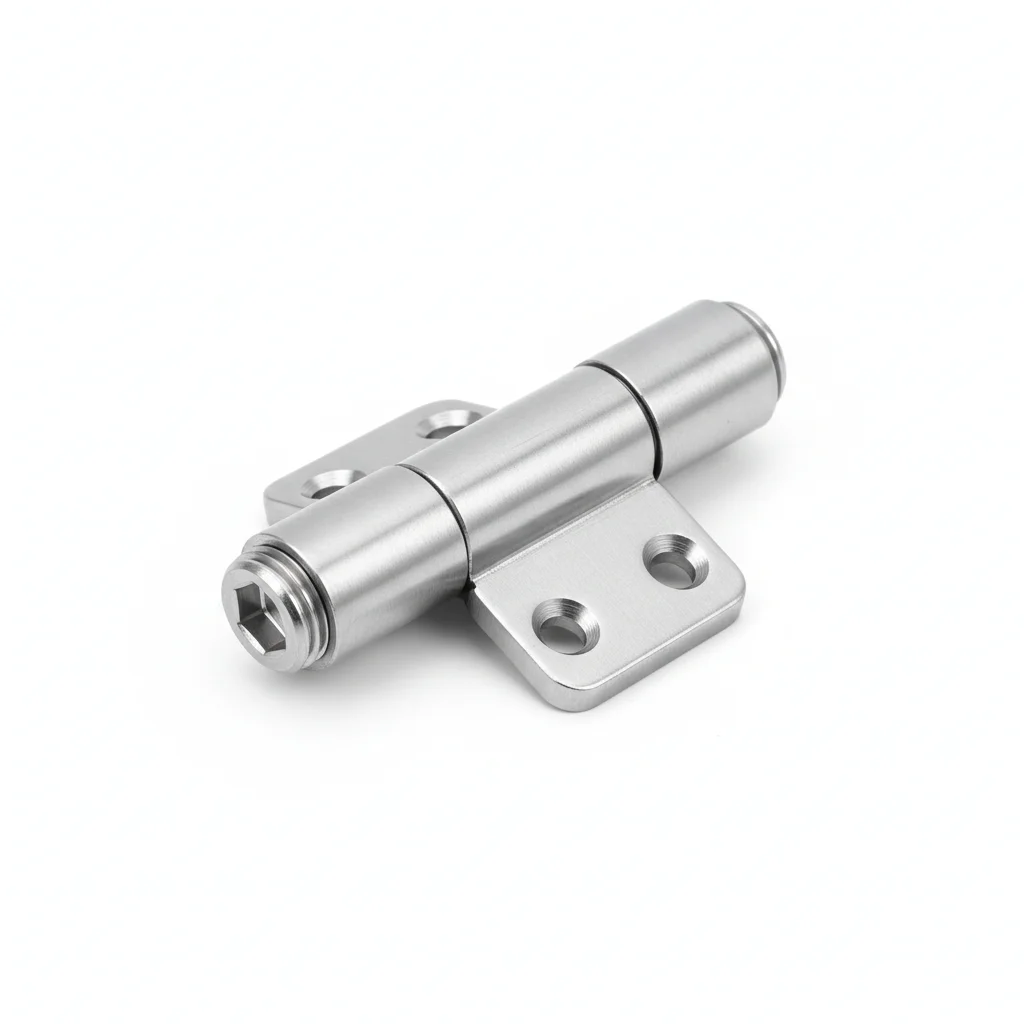
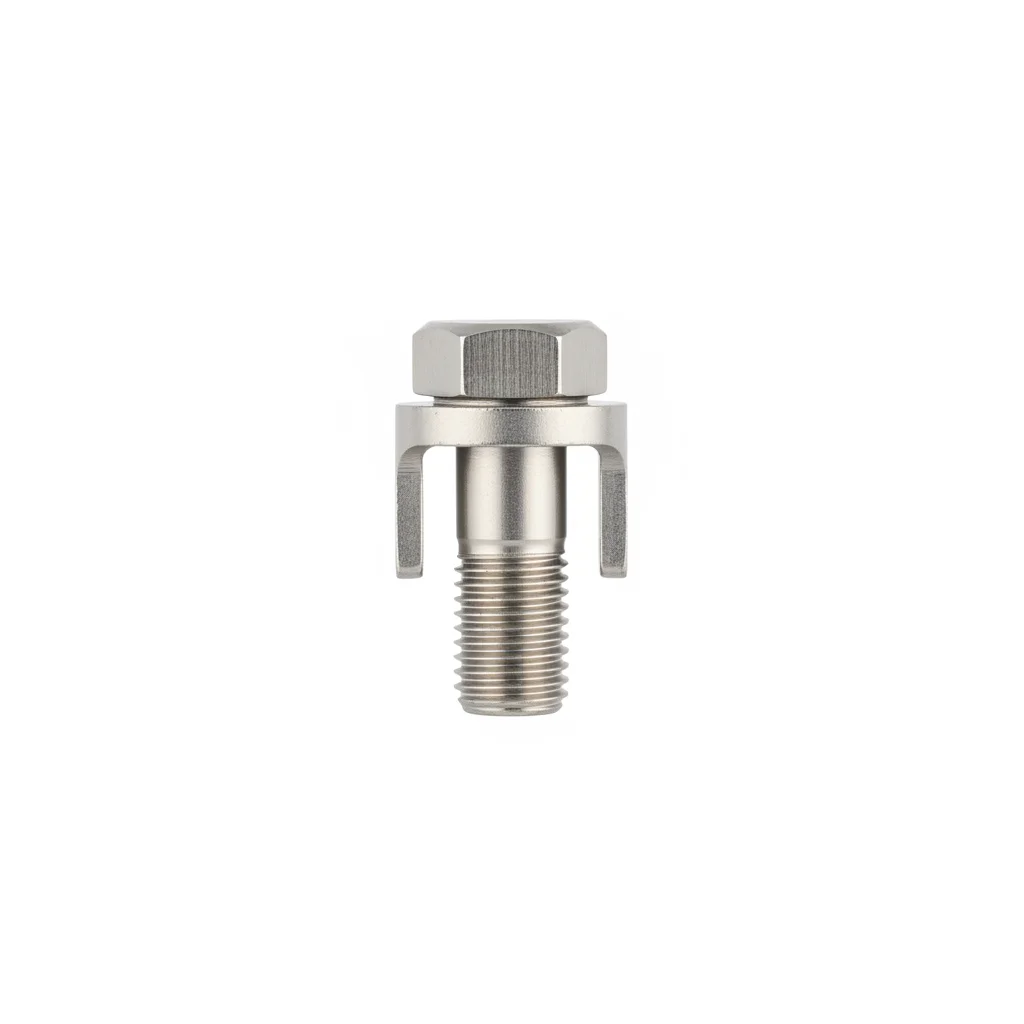
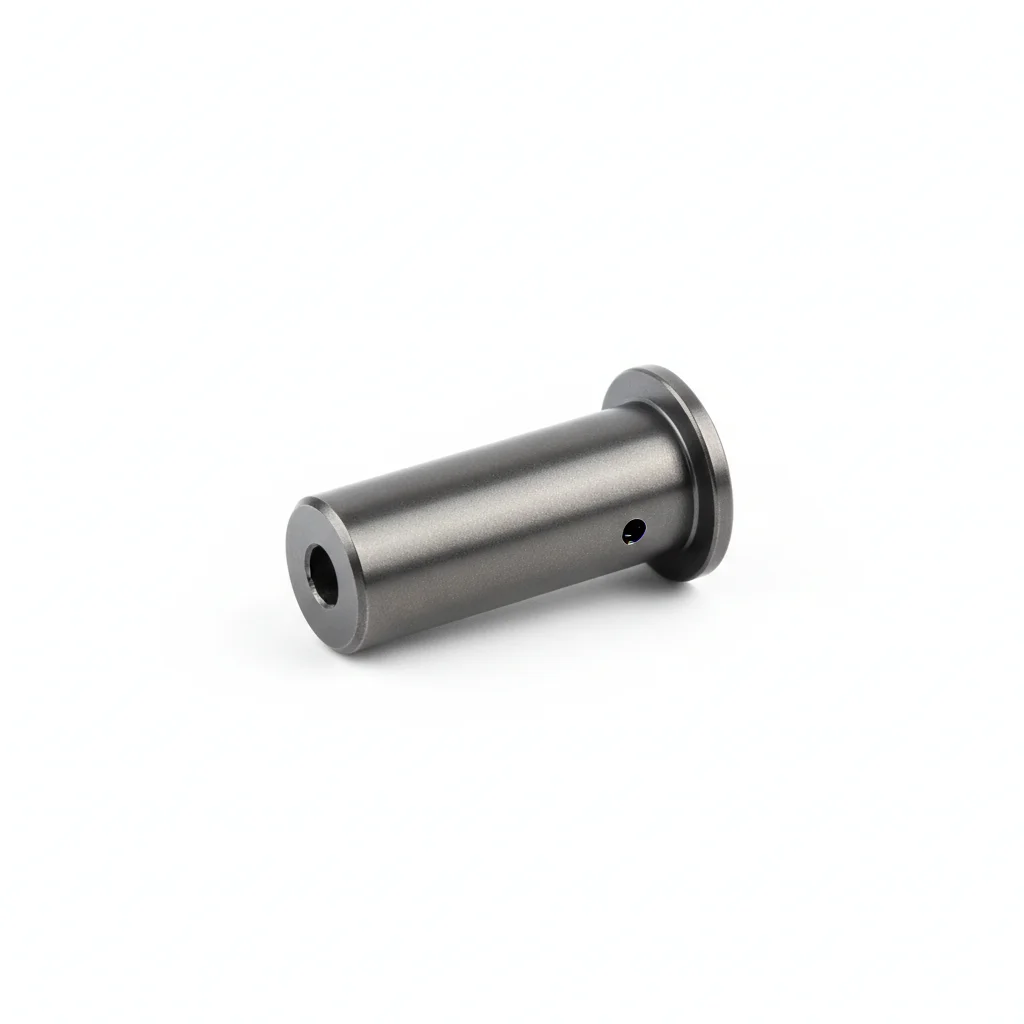
| Skylight Hinge | Actuator Bracket Bolt | Nitrided Linkage Pin | Skylight Synchronization Monitoring System | |
|---|---|---|---|---|
| SPEC | 70×70mm | M10×40mm | φ12×60mm | Angle Sensor + IoT |
| MATERIAL | 316L Stainless Steel + PTFE | 316L Stainless Steel | 316L Stainless Steel + Nitrided | EPDM Rubber |
| GRADE | — | A4-70 | Surface HV1000+ | IP65 |
| FINISH | HDG >=55um per ISO 1461 | HDG >=55um per ISO 1461 | HDG >=55um per ISO 1461 | HDG >=55um per ISO 1461 |
| CORROSION | C3 (ISO 12944-2) | C3 (ISO 12944-2) | C3 (ISO 12944-2) | Not applicable (polymer) |
| TEMP | -20°C to +80°C | -20°C to +80°C | -20°C to +80°C | -20°C to +80°C |
| WEIGHT | ~0.5 kg/piece | ~0.5 kg/piece | ~0.5 kg/piece | ~0.5 kg/piece |
| MOQ | 100 pcs | 100 pcs | 100 pcs | 100 pcs |
| PACK | VCI paper + carton | VCI paper + carton | VCI paper + carton | VCI paper + carton |
| STD | ISO 898-1, GB/T 3098.1 | ISO 898-1, GB/T 3098.1 | ISO 898-1, GB/T 3098.1 | ISO 898-1, GB/T 3098.1 |
| USE | High humidity + chemical agent environment skylight + lifetime rust-proof | High-reliability actuator bracket + double nut + spring washer + threadlocker | Maximum wear resistance + maximum corrosion resistance linkage pin | Real-time monitoring of each skylight louver angle → automatic alarm for asynchrony → remote adjustment |
PROCEDURE
- Clean all mating surfaces with MEK to ensure no contamination that could initiate crevice corrosion on the 316L hardware.
- Position the 70×70mm 316L hinge with PTFE bushing; align the M10×40mm A4-70 actuator bracket bolt with the double-nut and spring washer arrangement.
- Torque the bracket bolts in a cross pattern to the actuator manufacturer's specified value; apply threadlocker to the outer nut to secure the double-nut lock.
- Insert the nitrided φ12×60mm 316L linkage pin with PTFE bushing; verify the connecting rod moves without binding.
- Calibrate the angle sensors of the synchronization monitoring system on each louver; confirm the IoT gateway is reporting.
- Run a full open/close cycle manually, then electrically; watch the motor current for any spikes that indicate sticking.
COMMON ERRORS
| ✕ WRONG | CONSEQUENCE | ✓ CORRECT |
|---|---|---|
| Using 304 instead of 316L for hinges or bolts in a research greenhouse with chemical agents | 304 can suffer pitting or crevice corrosion in aggressive chemical environments, leading to premature failure. | Specify 316L stainless steel (A4-70 for bolts) and verify the material certificate per ISO 3506-1. |
| Skipping the PTFE bushing on the linkage pin to save time | The high-hardness nitrided pin will wear the softer rod hole, increasing clearance and causing louver asynchrony. | Always insert the PTFE bushing; it provides a low-friction interface that protects both the pin and the rod. |
| Installing the synchronization monitoring system after the linkage is already misaligned | The system will record faulty baseline angles, and alarms may trigger falsely or miss real issues. | Calibrate the angle sensors after the linkage is properly aligned and all fasteners are torqued; record baseline angles for each louver. |
MAINTENANCE
At each overhaul window, perform a full visual inspection of all 316L hinges and bolts for any signs of pitting or crevice corrosion, especially around the PTFE bushings. Verify the actuator bracket bolts retain at least 80% of their specified preload (per VDI 2230); retighten if below. Check the synchronization monitoring system for any angle deviation alarms; if a louver deviates more than 3° from its baseline, inspect the linkage pin and bushing for wear and replace as a pair if clearance exceeds 1mm. Lubrication is not required for the PTFE bushings, but keep the hinge surfaces clean to maintain the self-lubricating film.
SELECTION GUIDE
How to choose a skylight hardware plan based on greenhouse type?
| Operating condition | Recommended option | Key basis |
|---|---|---|
| Single-span greenhouse / manual skylight (2-3 span multi-span), limited budget | Plan A: hot-dip galvanized skylight hinge (50×50mm, carbon steel + hot-dip galvanized ≥85μm) + galvanized actuator bracket bolt (M8×30mm, Grade 8.8) + galvanized linkage pin (φ8×40mm) | ISO 12944-2 (C3); ISO 3506-1 |
| Multi-span greenhouse / electric skylight / automatic control | Plan B: 304 stainless steel skylight hinge (60×60mm, 304 + PTFE bushing) + 304 actuator bracket bolt (M10×35mm, A2-70, nylon lock nut + spring washer + threadlocker) + nitrided linkage pin (φ10×50mm, surface HV800+) + M10 spherical plain bearing (304 + PTFE) at actuator ends | ISO 12944-2 (C4); ISO 3506-1; VDI 2230 |
| High-end multi-span / research greenhouse, year-round automatic control (chemical agent environment) | Plan C: 316L stainless steel skylight hinge (70×70mm, 316L + PTFE) + 316L actuator bracket bolt (M10×40mm, A4-70, double nut + spring washer + threadlocker) + nitrided linkage pin (φ12×60mm, surface HV1000+) + skylight synchronization monitoring system (angle sensor + IoT, EPDM, IP65) | ISO 12944-2 (C5-M); ISO 3506-1; GB/T 18622 |
| Electric actuator bracket bolts under repeated push/pull forces (dozens of cycles daily) — M8 bolts lose >30% preload after 20,000-30,000 cycles → bracket loosens, actuator tilts, opening angles go from synchronized to one side 30° and the other 10° → uneven ventilation, crop growth rate difference exceeds 30% | M8-M10 304 stainless steel bolts + nylon lock nut + spring washer (triple locking); spherical plain bearings at the bracket-actuator connection absorb installation deviation and reduce bolt bending moment; re-tighten actuator bracket bolts quarterly with a torque wrench — torque below 80% of nominal value → tighten immediately; opening angle deviation >5° → adjust actuator stroke limit | VDI 2230; ISO 3506-1 |
| High temperature and humidity (40-50°C, RH>80%) — carbon steel hinges rust within 3 months and seize within 1 year → skylight stuck, actuator overload / motor burns out; linkage pins corrode in alternating humidity (RH near 100% after rain/irrigation) — pin-to-hole clearance grows from 0.2mm to 1-2mm → louvers unsynchronized, effective ventilation area 20-40% below design | Specify 304/316L stainless steel hinges with PTFE self-lubricating bushing (no oil needed; quarterly manual push test — do not use WD-40 on PTFE bushings); nitrided 304/316L linkage pins (surface HV800+/HV1000+) + PTFE bushing between pin and connecting rod hole (extends pin life 3-5 times); replace pin + bushing as a pair when clearance >1mm; louver angle difference >3° → inspect that connecting rod | ISO 3506-1; GB/T 18622 |
REFERENCED STANDARDS
Technical Basis and Reference Standards
Material selection basis for 304/316L skylight hinges and bracket bolts
Standard for design loads of greenhouse structuresDesign standard for skylight wind load and actuator thrust
Systematic calculation of high duty bolted jointsPreload design standard for actuator bracket bolts under alternating loads
SUPPLIER CAPABILITY
Quality, Delivery & Customization
Quality Control
- ✓MTC material certificates with every batch
- ✓Key parts sampled for hardness/salt spray/torque coefficient
- ✓100% inspection or AQL sampling before shipment
Delivery
- ✓Standard parts made to order: 7-15 days
- ✓Custom parts: 25-45 days
- ✓FOB/CIF/DDP supported
Customization
- ✓Drawing review and material matching
- ✓Non-standard sizes/heads/threads
- ✓Small-batch prototyping supported
Certification
- ✓Material certificates (MTC)
- ✓Spectrographic analysis reports
- ✓Salt spray test reports (on request)
MOQ: No MOQ for standard parts; custom parts assessed by process complexity
FAQ
Frequently Asked Questions
RELATED READING
Keep Reading & Next Step
NEXT: SELECTION & RFQ
Greenhouse Film Fixing ClampsFollow this page's selection path to the same-scenario RFQ page.
RELATED TOPIC
Greenhouse Seals and Retaining SpringsBEYOND TECHNICAL SPECS
Finding the right factory, controlling quality, delivering on time — that's the real challenge. We cover fasteners, rubber, plastics, industrial textiles. One team, end to end.
SEE CAPABILITIES →