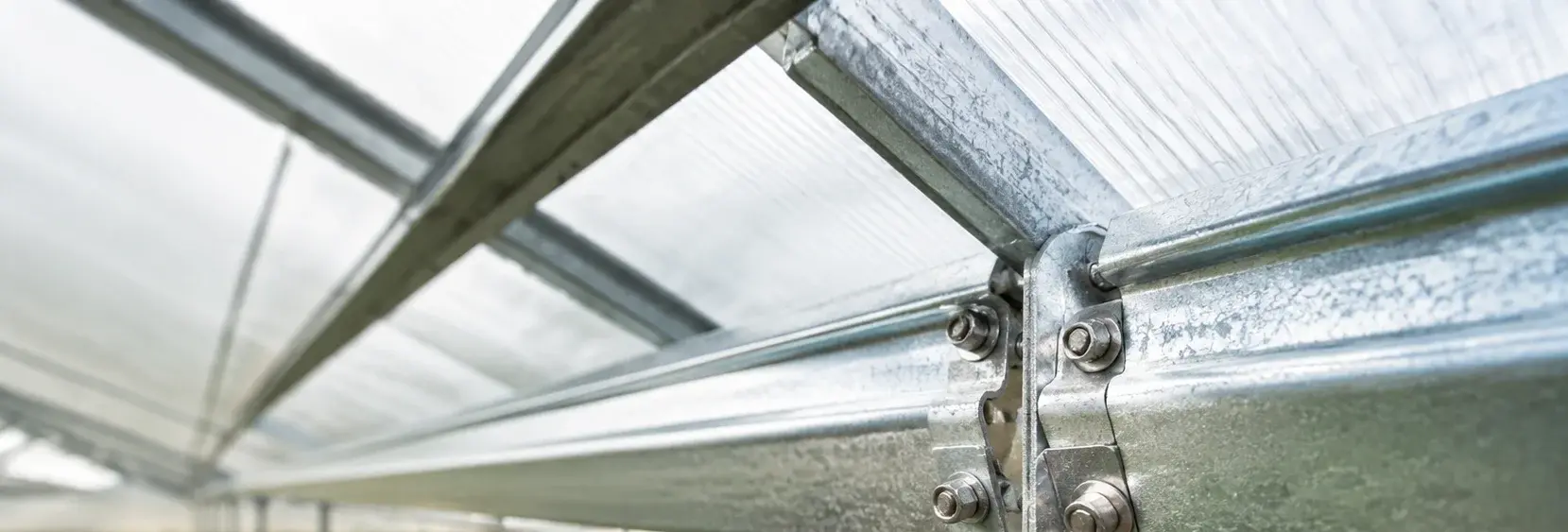
Gutter Joint Bolt Failure: Leaks and Structural Collapse
In multi-span greenhouses, gutter joint bolts serve dual critical functions: draining rainwater and connecting adjacent spans. When M10-M12 bolts loosen over 3-5 years, 1-3mm gaps appear, causing water leaks that trigger gray mold and downy mildew. More critically, loose joints reduce lateral frame stiffness by 15-20%, leading to chain collapse under heavy snow or typhoon. This page explains the failure chain and how to specify the right fasteners.
RISK AUDIT // ENGINEERING DIAGNOSIS
Procurement Pitfall Guide
"Gutter joint bolts are the hidden weak link in multi-span greenhouses: what seems like a minor leak can silently erode the frame's lateral stiffness until a snowstorm turns it into a chain collapse."
QC-AUDIT // REV.5
SCALE 1:1 · 03 ITEMS
RISK-01
Loose Gutter Joint Bolts → Joint Leaks → Crop Disease + Reduced Lateral Frame Stiffness → Collapse in Wind/Snow
Corrective Measures
RISK-02
Corroded and Loose Downspout Clamp Bolts → Downspout Detachment → Rainwater Pours from Mid-Air → Destroys Crops and Soil Below
Corrective Measures
RISK-03
Gutter Bracket U-Bolts Fatigue Under Cyclic Loads → Bracket Tilts → Gutter Slope Changes → Water Pooling → Joint Soaking → Freeze Cracking in Winter
Corrective Measures
FIELD-SPECIFIC INSIGHT
Critical Inspection Points for Gutter Fastener Procurement
The most overlooked engineering difference in multi-span greenhouse gutter fasteners is the dual role of joint bolts: they must seal against water leakage AND maintain lateral frame stiffness. A bolt that meets tensile strength may still fail in preload retention under cyclic roof loads. The table below highlights the key checkpoints for procurement and acceptance.
WHAT TO CHECK
- 1Gutter joint bolt preload: M10-M12 bolts under alternating rain/snow loads lose preload over 3-5 years → 1-3mm gaps → leaks and stiffness loss. Specify locking features (e.g., nylon insert lock nuts) or periodic re-torque schedule.
- 2Downspout clamp bolt corrosion: Carbon steel clamps rust in 2-3 years outdoors → rust expansion loosens clamp → downspout detaches at 5-6m height → crop damage. Specify 304 or 316L stainless steel clamps for C4/C5 environments.
- 3U-bolt fatigue life: Gutter bracket U-bolts experience one load cycle per year (snow loading/unloading) → low-cycle fatigue fracture after 10-15 years → bracket tilts → gutter slope changes from 1% to 0% → water pooling → freeze cracking. Specify U-bolt material and grade for 20+ year life.
- 4Gasket material compatibility: EPDM gaskets for gutter joints must resist UV and ozone. In heavy snow zones, silicone sealant provides better UV resistance and flexibility at low temperatures.
| Check | Why it matters | What to specify |
|---|---|---|
| Bolt material and coating | Carbon steel HDG bolts corrode in C3-C5 environments; rust reduces preload and causes joint gaps. | For C3: HDG ≥85μm per ISO 1461; for C4: 304 SS A2-70; for C5-M: 316L SS A4-70. |
| Bolt grade and preload | Grade 8.8 bolts provide higher preload; insufficient preload leads to loosening under cyclic loads. | Grade 8.8 or higher; specify torque value and re-torque interval (e.g., every 6 months). |
| Clamp bolt corrosion resistance | Outdoor exposure causes rapid rusting of carbon steel clamps; clamp failure leads to downspout detachment. | 304 or 316L stainless steel clamps for outdoor use; avoid carbon steel even with HDG. |
| U-bolt fatigue strength | U-bolts under cyclic snow loads can fracture after 10-15 years; bracket tilt changes gutter slope. | Specify U-bolt material and grade for 20+ year fatigue life; consider 316L for heavy snow zones. |
| Gasket UV and temperature resistance | EPDM degrades under UV; silicone lasts longer in extreme temperatures. | For heavy snow/typhoon zones: silicone sealant; for standard: EPDM gasket with UV stabilizers. |
All torque and preload values must be verified against the greenhouse manufacturer's specifications. For existing greenhouses, inspect joint gaps annually and re-torque bolts below 80% of specified torque.
Evidence level: source-page-only
INDUSTRY TECH REFERENCE
Snow-Load Zoning and Gutter Joint Bolt Sizing
A multi-span gutter collects rainwater from both roof slopes and carries the roof snow load — so joint bolts are sized by the local basic snow pressure. Single-bolt shear is roughly 29 kN for an M10 grade-8.8, about 110 kN for four (unreduced) — the baseline a joint carries snow on; at the GB 50009-2012 Annex E.5 snow-pressure values for the northeast, a fully snow-loaded 1,000 m² multi-span greenhouse holds roughly 35–50 t.
| Reference | Basic snow pressure (kN/m²) | Bolts per joint |
|---|---|---|
| Changchun | 0.35 | ≥4 × M10–M12, grade 8.8 |
| Harbin | 0.45 | ≥4 × M10–M12, grade 8.8 |
| Shenyang | 0.50 | ≥4 × M10–M12, grade 8.8 |
| High-snow zones (basic snow pressure >0.5) | — | 6 × M12 |
City snow pressures follow GB 50009-2012 (Annex E.5); the 29 kN single-bolt shear (M10 grade 8.8) is a 0.6×σb×As calculated value; the 35–50 t snow mass is converted from the snow pressure.
INDUSTRY TECH REFERENCE
A Gutter Joint After Water Gets In: How Freeze–Thaw Cracks It Open, Step by Step
Water inside a joint is not the end of it — northern winters deliver roughly 50–80 freeze–thaw cycles a year, and those cycles are what pry the joint open, little by little. Traced on a multi-span gutter joint, the chain runs like this:
- 1Preload in the joint bolts decays under long-term load, micro-gaps open between the flanges, and rainwater seeps in
- 2When winter comes, water trapped in the gap freezes and thaws again and again — roughly 50–80 freeze–thaw cycles a year in the north
- 3Ice expands as it freezes, and frost action pries the micro-gaps wider with every cycle — wider gaps let in more water
- 4Water in the gap never drains, so the joint bolts stay soaked: corrosion accelerates and the effective thread section shrinks
- 5A smaller section drops preload further and the gap grows again — the spiral runs until the bolts can be turned by hand and the gutter loses stability under snow load
- 6The fix is to keep water out of the gap in the first place: seal the joint properly, then re-torque and check the gaps every year before winter — do not let a full winter of freeze–thaw run its course first
The figure of roughly 50–80 freeze–thaw cycles per year in the north is a magnitude estimate.
INDUSTRY TECH REFERENCE
Before Winter, Check Gutter Joints: Gaps, Torque, Lap, and Locking
The maintenance window for gutter joints is before winter — once snow and freeze–thaw arrive, it is too late to check. Run these four checks in one pass, per the KB solution paragraph.
- Run a feeler gauge across every joint flange face — if it can enter, a gap already exists, and that joint must be re-torqued that year, not after it starts leaking
- Re-torque every joint to its spec (M10–M12, grade 8.8) — do not only tighten the one joint already found leaking
- Measure the lap at every joint: ≥100 mm is the pass line
- Verify the locking set is in place — nylon-insert lock nuts and wedge locking washers, none missing
- In high-snow zones (basic snow pressure >0.5 kN/m²), confirm joints were upgraded to 6 × M12 rather than the usual 4 bolts
This slot uses no magnitude estimates.
INDUSTRY TECH REFERENCE
Ordering Gutter Bolts: Who Decides, the Material Rule, and the Rhythm
Gutter bolts are not bought on unit price — they are bought by who is ordering and at which project stage. Identify the decision side first, then match the material tier.
This slot uses no magnitude estimates.
PLAN COMPARISON
Three-Plan Core Parameter Comparison
Compare row by row. Click column headers to jump to plan details.
| A · Plan A · Single Span / Simple Multi-Span | B · Plan B · Multi-Span Greenhouse / Heavy Rain & Snow Regions | C · Plan C · Heavy Snow / Typhoon Zone Multi-Span Greenhouse | |
|---|---|---|---|
| 1. HOT-DIP GALVANIZED GUTTER JOINT BOLT | |||
| SPEC | M10-M12 | M12 | M12-M14 |
| MATERIAL | Carbon Steel + Hot-Dip Galvanized ≥85μm | 304 Stainless Steel | 316L Stainless Steel |
| GRADE | Grade 8.8 | A2-70 | A4-70 |
| FINISH | HDG >=55um per ISO 1461 | HDG >=55um per ISO 1461 | HDG >=55um per ISO 1461 |
| 2. HOT-DIP GALVANIZED DOWNSPOUT CLAMP | |||
| SPEC | DN75-DN110 | DN75-DN110 | DN75-DN110 |
| MATERIAL | Carbon Steel + Hot-Dip Galvanized | 304 Stainless Steel | 316L Stainless Steel |
| FINISH | HDG >=55um per ISO 1461 | HDG >=55um per ISO 1461 | HDG >=55um per ISO 1461 |
| 3. HOT-DIP GALVANIZED GUTTER BRACKET U-BOLT | |||
| SPEC | M10×80mm | M12×100mm | M12×120mm |
| MATERIAL | Carbon Steel + Hot-Dip Galvanized | 304 Stainless Steel | 316L Stainless Steel |
| GRADE | Grade 8.8 | A2-70 | A4-70 |
| FINISH | HDG >=55um per ISO 1461 | HDG >=55um per ISO 1461 | HDG >=55um per ISO 1461 |
| 4. WATERPROOF SEALING GASKET | |||
| SPEC | For M10-M12 | Neutral Silicone | Strain Gauge + IoT |
| MATERIAL | EPDM Rubber | EPDM Rubber | EPDM Rubber |
| GRADE | — | — | IP67 |
| FINISH | HDG >=55um per ISO 1461 | HDG >=55um per ISO 1461 | HDG >=55um per ISO 1461 |
SELECTION GUIDE
How to choose a gutter fastener solution based on greenhouse type and climate?
| Operating condition | Recommended option | Key basis |
|---|---|---|
| Single-span or 2-3 span simple multi-span greenhouse (light load) | Plan A: hot-dip galvanized gutter joint bolts (M10-M12, carbon steel + HDG ≥85μm, grade 8.8) + HDG downspout clamps (DN75-DN110) + HDG gutter bracket U-bolts (M10×80mm, grade 8.8) + EPDM waterproof sealing gasket | ISO 12944-2 (C3); ISO 1461; GB 50009 |
| Multi-span greenhouse / heavy rain & snow regions | Plan B: 304 stainless steel gutter joint bolts (M12, A2-70) + 304 downspout clamps (DN75-DN110) + 304 U-bolts (M12×100mm, A2-70) + neutral silicone weatherproof sealant; bolt torque M10 approx. 30N·m, M12 approx. 50N·m | ISO 3506-1; ISO 12944-2 (C4); GB/T 18622 |
| Heavy snow zone / typhoon-prone area / high-end multi-span greenhouse | Plan C: 316L stainless steel gutter joint bolts (M12-M14, A4-70) + 316L downspout clamps (DN75-DN110) + 316L U-bolts (M12×120mm, A4-70, dual locking) + gutter structural load online monitoring (strain gauge + IoT, IP67) | ISO 3506-1; ISO 12944-2 (C5-M); GB 50009 |
| Gutter joint bolts under long-term alternating roof loads (rain/snow loading and unloading) | Specify grade 8.8 or higher with locking features (e.g., nylon insert lock nuts); loose joints open 1-3mm gaps after 3-5 years, leaking water and cutting lateral frame stiffness by 15-20%; re-torque periodically (e.g., every 6 months) | GB 50009; GB/T 18622; ISO 3506-1 |
| Gutter bracket U-bolts in snow zones (one loading/unloading cycle per year) | Specify 304 (A2-70) or, for heavy snow zones, 316L (A4-70) U-bolts for 20+ year fatigue life; maintain gutter longitudinal slope ≥1% (drop ≥1cm per meter); correct bracket tilt with stainless steel shims (0.5-1mm each) | GB 50009; GB/T 18622; ISO 3506-1 |
Plan A · Single Span / Simple Multi-Span
C3 (ISO 12944-2)
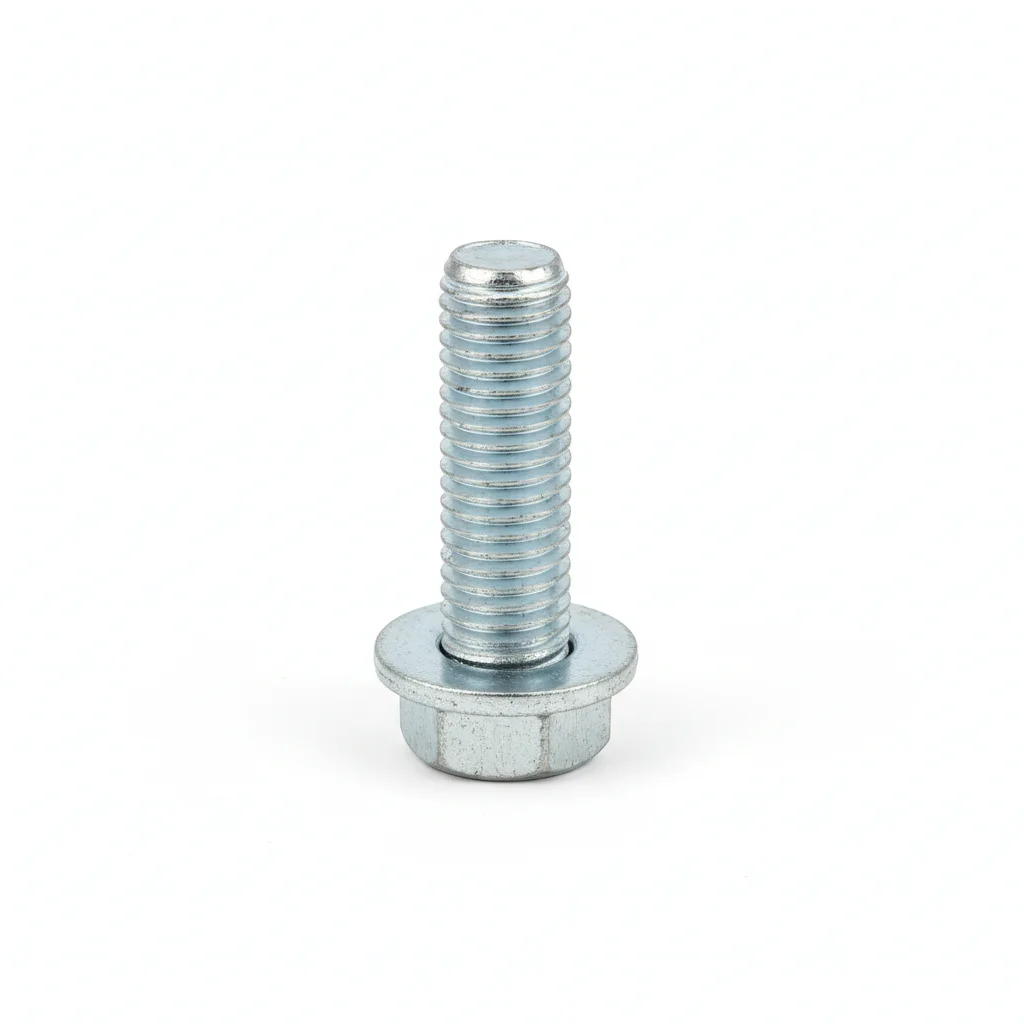
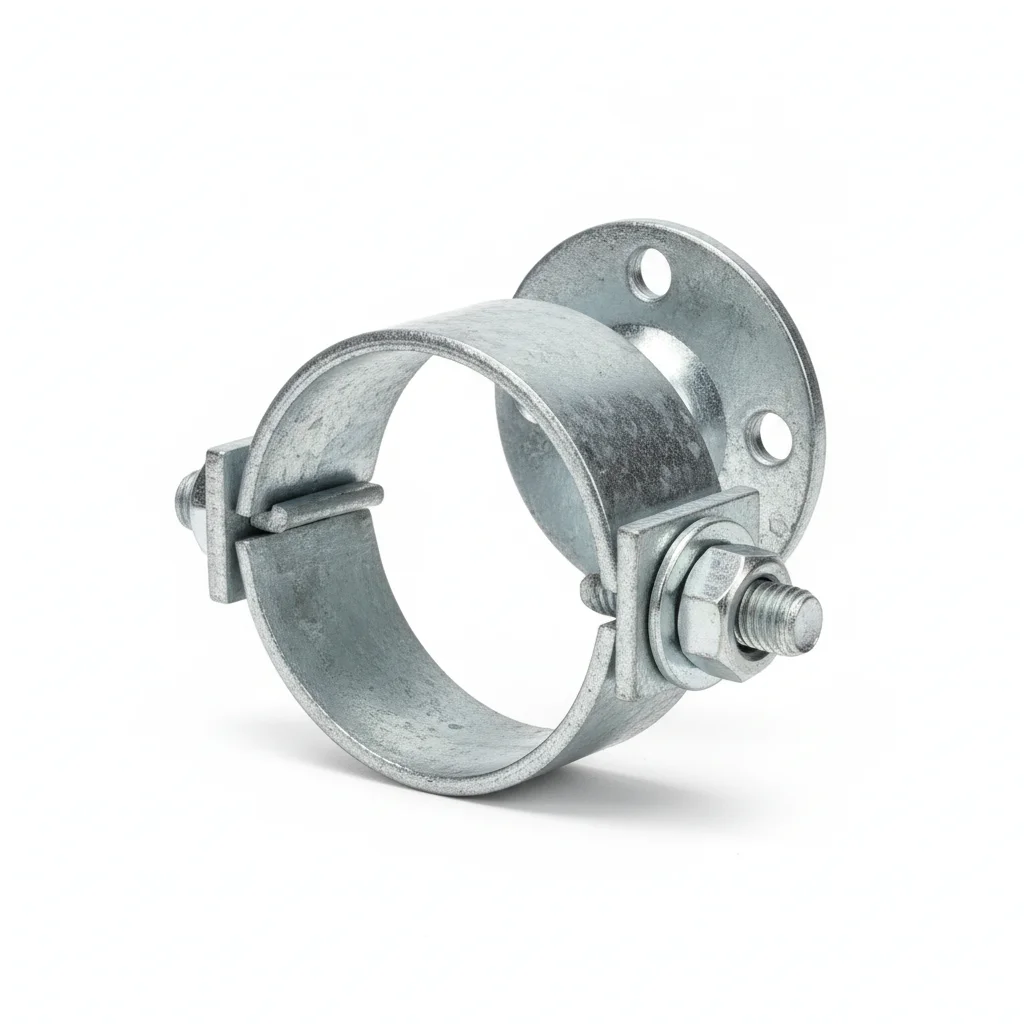
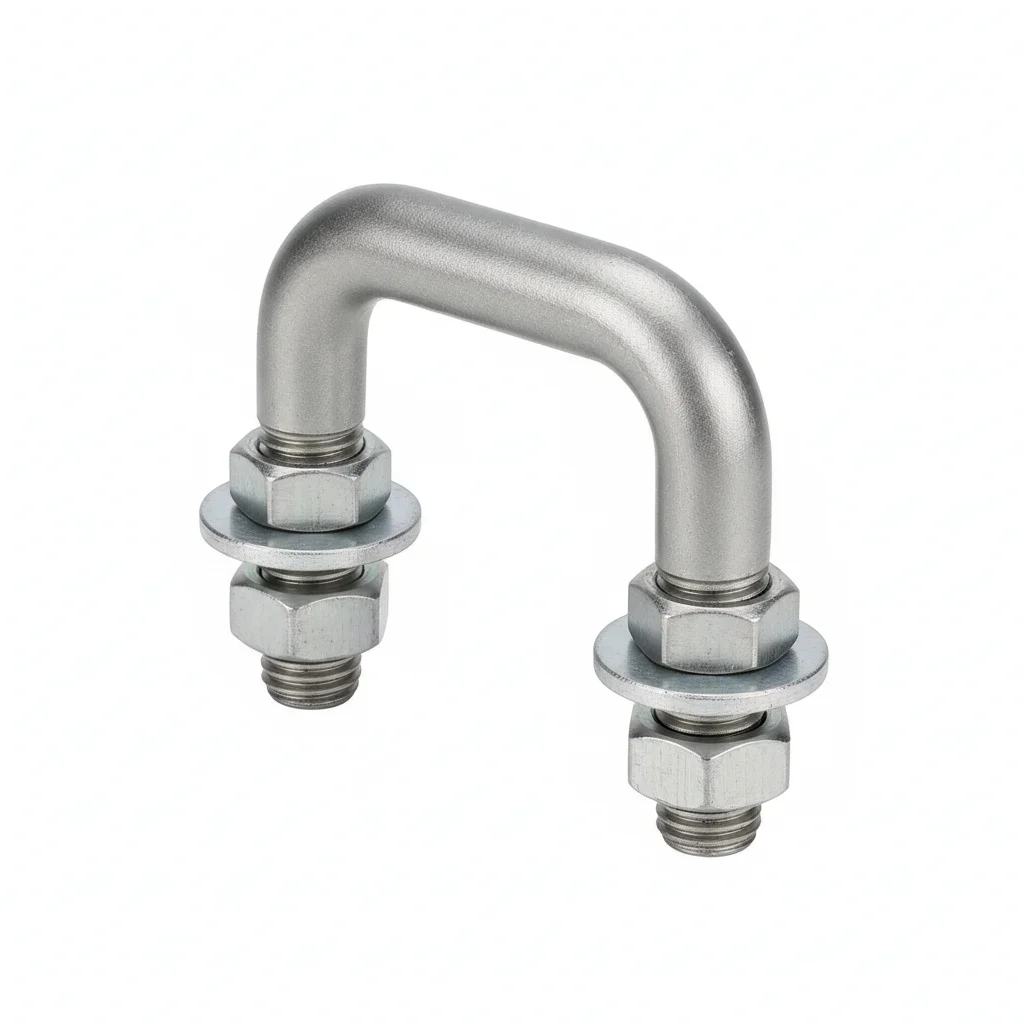
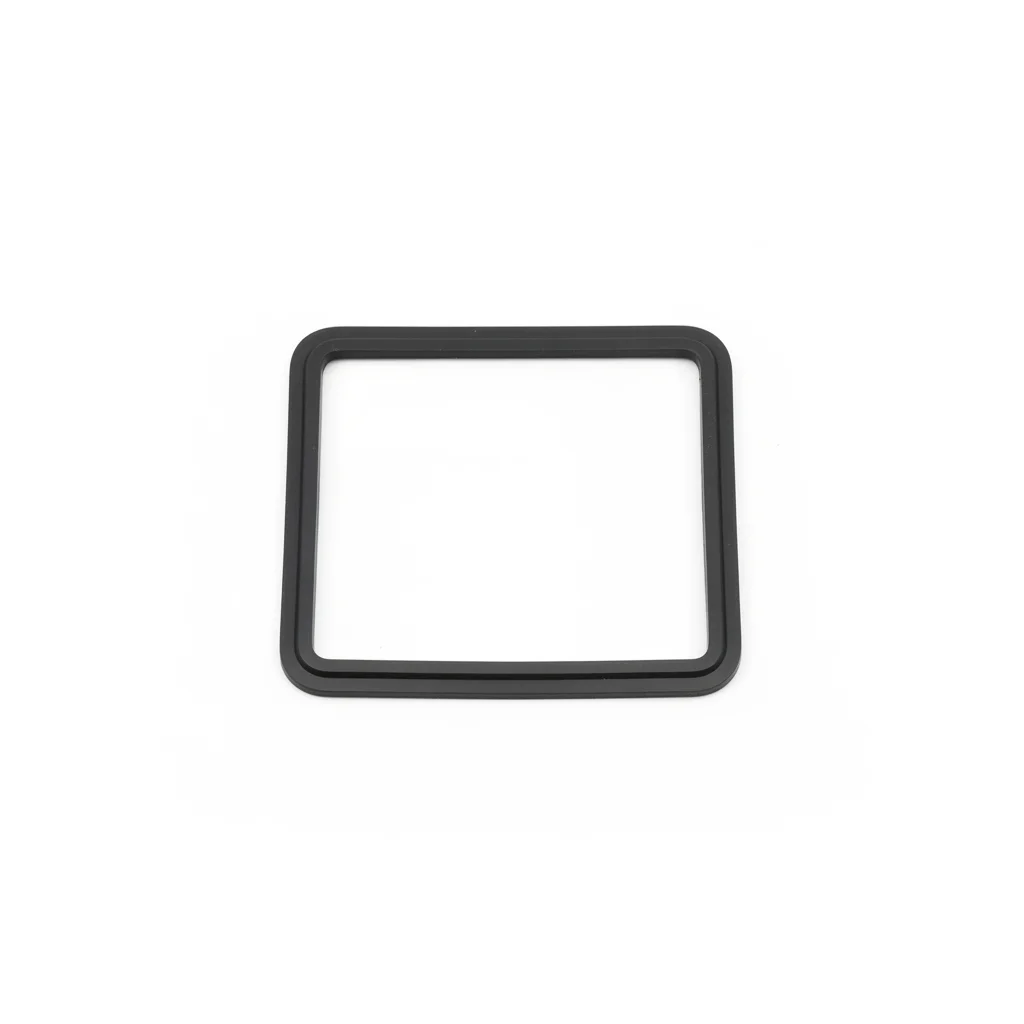
| Hot-Dip Galvanized Gutter Joint Bolt | Hot-Dip Galvanized Downspout Clamp | Hot-Dip Galvanized Gutter Bracket U-Bolt | Waterproof Sealing Gasket | |
|---|---|---|---|---|
| SPEC | M10-M12 | DN75-DN110 | M10×80mm | For M10-M12 |
| MATERIAL | Carbon Steel + Hot-Dip Galvanized ≥85μm | Carbon Steel + Hot-Dip Galvanized | Carbon Steel + Hot-Dip Galvanized | EPDM Rubber |
| GRADE | Grade 8.8 | — | Grade 8.8 | — |
| FINISH | HDG >=55um per ISO 1461 | HDG >=55um per ISO 1461 | HDG >=55um per ISO 1461 | HDG >=55um per ISO 1461 |
| CORROSION | C3 (ISO 12944-2) | C3 (ISO 12944-2) | C3 (ISO 12944-2) | Not applicable (polymer) |
| TEMP | -20°C to +80°C | -20°C to +80°C | -20°C to +80°C | -20°C to +80°C |
| WEIGHT | ~0.5 kg/piece | ~0.5 kg/piece | ~0.5 kg/piece | ~0.5 kg/piece |
| MOQ | 100 pcs | 100 pcs | 100 pcs | 100 pcs |
| PACK | VCI paper + carton | VCI paper + carton | VCI paper + carton | VCI paper + carton |
| STD | ISO 898-1, GB/T 3098.1 | ISO 898-1, GB/T 3098.1 | ISO 898-1, GB/T 3098.1 | ISO 898-1, GB/T 3098.1 |
| USE | Gutter joint connection + locking | Fixing downspout to column | Fixing gutter to bracket | Waterproof sealing for gutter joint |
PROCEDURE
- Clean the gutter joint contact surfaces and confirm the 1% longitudinal slope with a level before placing the EPDM gasket.
- Align the M10–M12 hot-dip galvanized joint bolts with the pre-drilled holes and insert them from the inside of the gutter.
- Tighten the bolts in a diagonal sequence using a torque wrench to the specified value (M10 ~30 N·m, M12 ~50 N·m).
- After tightening, apply waterproof sealant over the bolt heads and around the joint edges to close any residual capillary paths.
- Verify the final slope with a level; if any local dip exceeds 0.3%, add a stainless steel shim under the bracket U-bolt to correct it.
COMMON ERRORS
| ✕ WRONG | CONSEQUENCE | ✓ CORRECT |
|---|---|---|
| Mixing new hot-dip galvanized bolts with reused, corroded nuts from the old joint | The thread fit is inconsistent, leading to uneven preload and early loosening within 1–2 seasons. | Use the complete bolt–nut–washer set from the same batch and replace all fasteners at the joint in one operation. |
| Tightening the joint bolts in a circular order around the flange | One side of the gasket compresses more than the other, leaving a 1–3 mm gap that leaks and reduces lateral stiffness. | Tighten in a diagonal cross pattern, then make a second pass at the specified torque to seat the gasket evenly. |
| Skipping the waterproof sealant inside the bolt holes before insertion | Water migrates along the bolt threads into the joint, accelerating corrosion and causing hidden leaks. | Pre-apply a bead of waterproof sealant inside each bolt hole and around the shank before driving the bolt. |
MAINTENANCE
Before each rainy season, visually inspect every gutter joint for gaps or light leakage; if found, disassemble, clean, replace with new bolts and sealing gaskets, and re-torque to the specified values. Also check the gutter's longitudinal slope with a level and clean out silt annually so the added weight does not accelerate U-bolt fatigue.
Plan B · Multi-Span Greenhouse / Heavy Rain & Snow Regions
C4 Harsh per ISO 12944-2
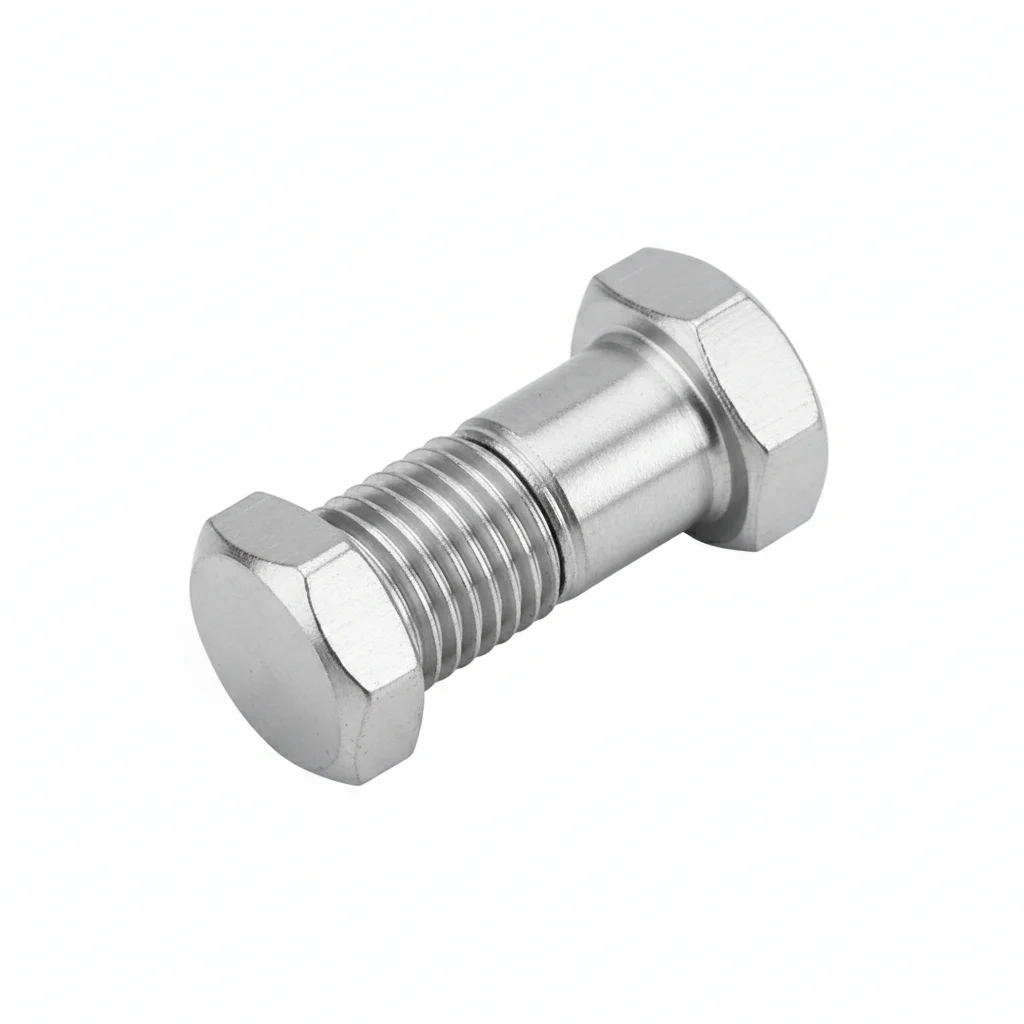
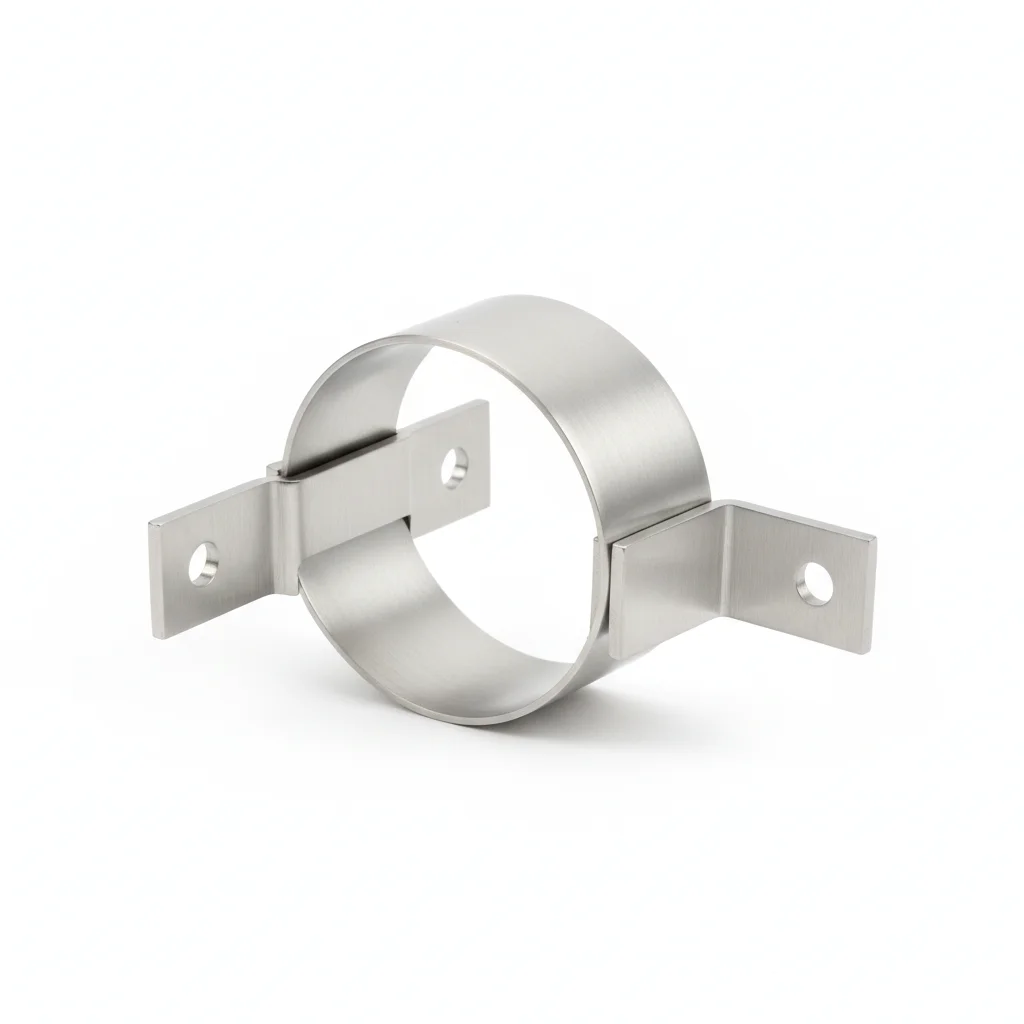
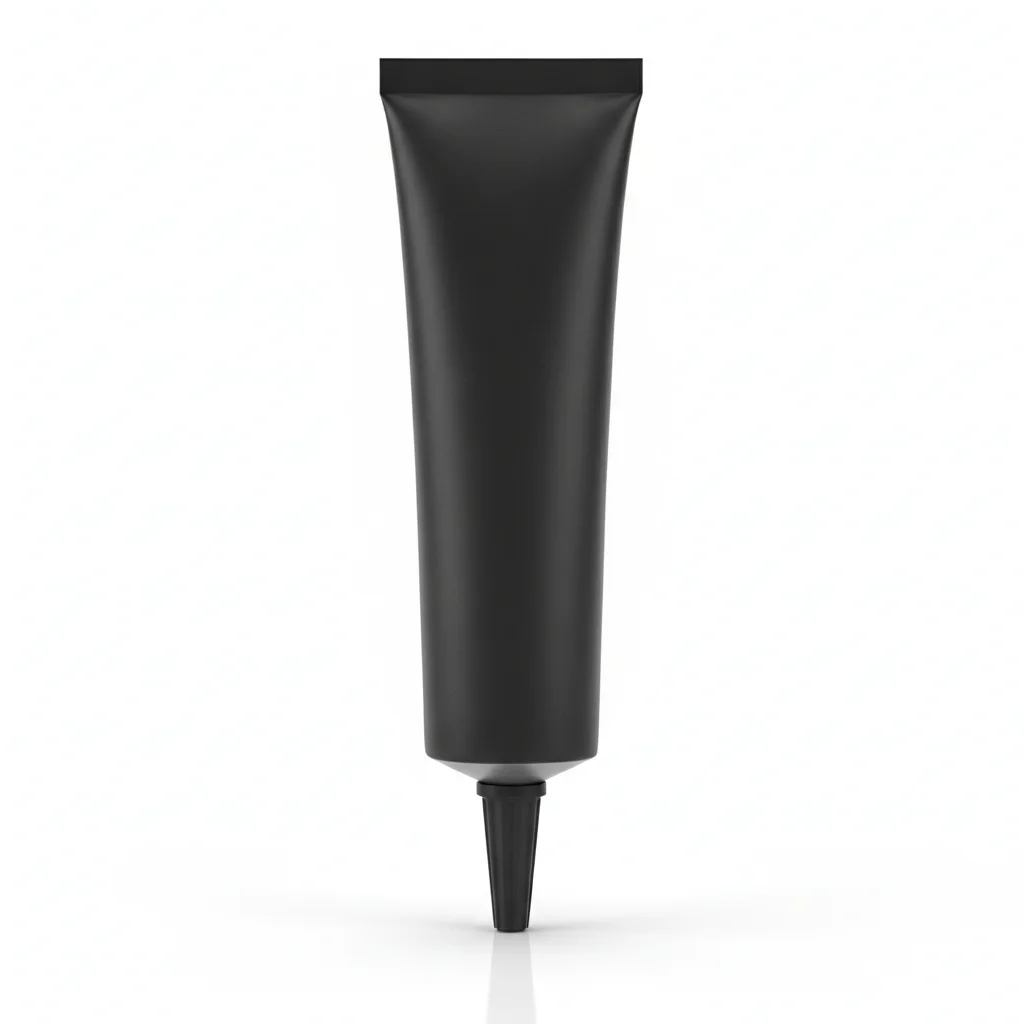
| Gutter Joint Bolt | Downspout Clamp | Gutter Bracket U-Bolt | Silicone Weatherproof Sealant | |
|---|---|---|---|---|
| SPEC | M12 | DN75-DN110 | M12×100mm | Neutral Silicone |
| MATERIAL | 304 Stainless Steel | 304 Stainless Steel | 304 Stainless Steel | EPDM Rubber |
| GRADE | A2-70 | — | A2-70 | — |
| FINISH | HDG >=55um per ISO 1461 | HDG >=55um per ISO 1461 | HDG >=55um per ISO 1461 | HDG >=55um per ISO 1461 |
| CORROSION | C3 (ISO 12944-2) | C3 (ISO 12944-2) | C3 (ISO 12944-2) | Not applicable (polymer) |
| TEMP | -20°C to +80°C | -20°C to +80°C | -20°C to +80°C | -20°C to +80°C |
| WEIGHT | ~0.5 kg/piece | ~0.5 kg/piece | ~0.5 kg/piece | ~0.5 kg/piece |
| MOQ | 100 pcs | 100 pcs | 100 pcs | 100 pcs |
| PACK | VCI paper + carton | VCI paper + carton | VCI paper + carton | VCI paper + carton |
| STD | ISO 898-1, GB/T 3098.1 | ISO 898-1, GB/T 3098.1 | ISO 898-1, GB/T 3098.1 | ISO 898-1, GB/T 3098.1 |
| USE | Multi-span greenhouse gutter + lifetime rust prevention + high strength | Rust-proof clamp + wind vibration resistance | High load bracket + locking | Waterproof sealing for gutter joint + UV resistant |
PROCEDURE
- Clean the 304 stainless steel gutter joint bolts and M12 threads with a lint-free cloth and solvent to remove any residual oil or debris from packaging.
- Apply a bead of neutral silicone weatherproof sealant around the bolt hole on the gutter flange before inserting the M12 bolt to create a watertight seal.
- Fit the 304 downspout clamp around the DN75-DN110 downspout, ensuring the EPDM liner sits flush against the pipe to dampen vibration and prevent slipping.
- Hand-tighten the 304 U-bolt nuts on the M12×100mm bracket U-bolt, then use a torque wrench to tighten in a cross-pattern sequence to the specified torque for 304 stainless steel.
- After all bolts are tightened, wipe off any excess silicone sealant and inspect the joint for gaps; the 1-3mm gap that causes leaks should be completely closed.
- Mark each bolt head and nut with a torque seal paint line to indicate proper tightening and enable visual inspection of any loosening during routine checks.
COMMON ERRORS
| ✕ WRONG | CONSEQUENCE | ✓ CORRECT |
|---|---|---|
| Using carbon steel bolts instead of 304 stainless steel for gutter joints in a multi-span greenhouse. | Carbon steel bolts rust within 2-3 years in the humid greenhouse environment, causing preload loss and joint gaps that lead to water leaks and crop disease. | Use 304 stainless steel bolts (A2-70) which are corrosion-resistant and maintain preload for the 15-20 year design life. |
| Tightening the M12 bolts without applying silicone sealant around the bolt hole. | Water seeps through the bolt hole even with a gasket, leading to corrosion of the bolt and joint, and eventual leakage. | Apply a continuous bead of neutral silicone sealant around the bolt hole before insertion to create a watertight seal. |
| Overtightening the 304 U-bolts on the gutter bracket, causing deformation of the gutter or stripping of threads. | Overtightening can deform the gutter, change the slope, and cause water pooling, or strip the threads, leading to premature failure. | Tighten the U-bolts to the manufacturer's specified torque using a calibrated torque wrench, following a cross-pattern sequence. |
MAINTENANCE
At each pre-rainy-season inspection, visually check all gutter joint bolts for loosening or corrosion, and re-torque any bolt that has lost more than 20% of its specified torque. Replace any 304 stainless steel bolt showing signs of pitting or surface corrosion. Clean gutter interiors of silt annually to prevent additional permanent load on the U-bolts.
Plan C · Heavy Snow / Typhoon Zone Multi-Span Greenhouse
C5-M Extreme per ISO 12944-2
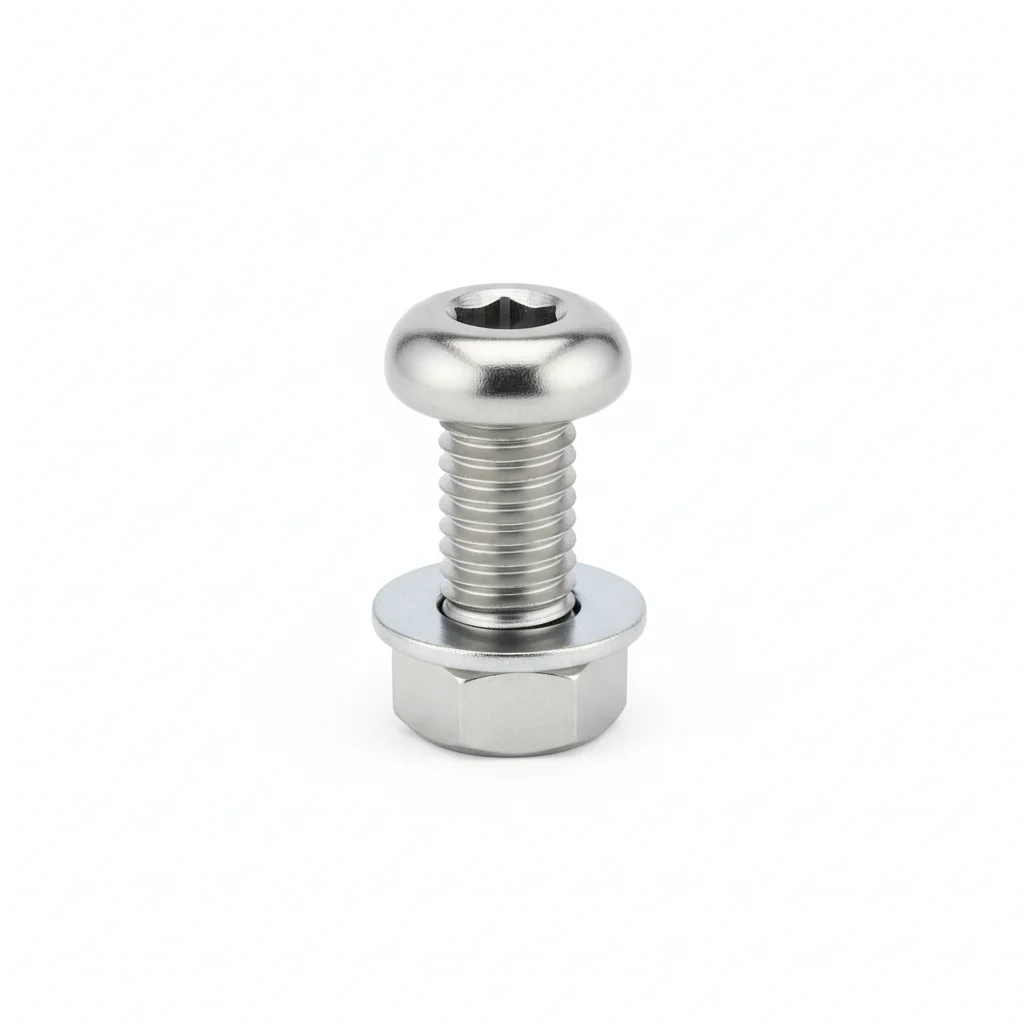
| Gutter Joint Bolt | Downspout Clamp | Gutter Bracket U-Bolt | Gutter Structural Load Online Monitoring | |
|---|---|---|---|---|
| SPEC | M12-M14 | DN75-DN110 | M12×120mm | Strain Gauge + IoT |
| MATERIAL | 316L Stainless Steel | 316L Stainless Steel | 316L Stainless Steel | EPDM Rubber |
| GRADE | A4-70 | — | A4-70 | IP67 |
| FINISH | HDG >=55um per ISO 1461 | HDG >=55um per ISO 1461 | HDG >=55um per ISO 1461 | HDG >=55um per ISO 1461 |
| CORROSION | C3 (ISO 12944-2) | C3 (ISO 12944-2) | C3 (ISO 12944-2) | Not applicable (polymer) |
| TEMP | -20°C to +80°C | -20°C to +80°C | -20°C to +80°C | -20°C to +80°C |
| WEIGHT | ~0.5 kg/piece | ~0.5 kg/piece | ~0.5 kg/piece | ~0.5 kg/piece |
| MOQ | 100 pcs | 100 pcs | 100 pcs | 100 pcs |
| PACK | VCI paper + carton | VCI paper + carton | VCI paper + carton | VCI paper + carton |
| STD | ISO 898-1, GB/T 3098.1 | ISO 898-1, GB/T 3098.1 | ISO 898-1, GB/T 3098.1 | ISO 898-1, GB/T 3098.1 |
| USE | Extreme load gutter + redundant locking | Extreme environment clamp + lifetime rust prevention | Extreme load bracket + dual locking | Real-time monitoring of snow load → automatic alarm on overload → proactive snow removal |
PROCEDURE
- Clean the 316L stainless steel bolts and M12-M14 threads with acetone to remove all contaminants; verify surface roughness is suitable for a marine-grade environment.
- Apply a marine-grade anti-corrosion compound to the threads and under the bolt head, and use PTFE-encapsulated washers to prevent galvanic corrosion between dissimilar metals.
- Align the gutter joint precisely (within 0.3mm) and insert the 316L bolts; tighten with a hydraulic tensioner to achieve the required preload for A4-70 grade bolts.
- Verify the preload on a 10% sample using a calibrated torque wrench or ultrasonic tension monitor, and document the results for compliance audits.
- Install the strain gauge and IoT load monitoring system on the gutter bracket to continuously track snow load and structural stress.
- After installation, apply a protective sealant over the bolt heads and nuts to shield against moisture and corrosive atmospheres, and ensure the monitoring system is calibrated.
COMMON ERRORS
| ✕ WRONG | CONSEQUENCE | ✓ CORRECT |
|---|---|---|
| Substituting 304 stainless steel bolts for 316L in a typhoon-prone or heavy snow zone. | 304 stainless steel is less resistant to chloride-induced corrosion and may pit in coastal or de-icing salt environments, reducing fatigue life and leading to joint failure under extreme loads. | Use 316L stainless steel (A4-70) for maximum corrosion resistance and fatigue strength in C5-M environments. |
| Tightening the M12-M14 bolts without using a hydraulic tensioner, relying instead on a manual torque wrench. | Manual torque wrenches may not achieve the precise preload required for structural integrity under extreme loads, leading to uneven stress and premature loosening. | Use a hydraulic tensioner to achieve the specified preload consistently, and verify with a calibrated torque wrench on a sample. |
| Failing to install the structural load monitoring system on the gutter bracket. | Without real-time snow load monitoring, the greenhouse operator cannot receive early warnings of overload, increasing the risk of collapse during heavy snow or typhoon events. | Install the strain gauge and IoT monitoring system to provide real-time data and automatic alarms for proactive snow removal. |
MAINTENANCE
Seasonally, before the snow or typhoon season, inspect the 316L bolts and U-bolts for any signs of loosening or corrosion, and verify the load monitoring system is functional. Re-torque any bolt that has lost more than 20% of specified torque. Replace any bolt showing pitting or stress corrosion cracking. Monitor the strain gauge readings continuously and set alarms for preload loss or excessive load.
REFERENCED STANDARDS
Technical Basis and Reference Standards
Design standard for snow and wind loads on greenhouse gutters — mechanical calculation basis for joint bolts
Load Standard for Greenhouse Structure DesignDesign standard for structural loads and drainage slope of multi-span greenhouses
Mechanical Properties of Corrosion-Resistant Stainless Steel FastenersMaterial selection basis for 304/316L gutter joint bolts
SUPPLIER CAPABILITY
Quality, Delivery & Customization
Quality Control
- ✓MTC material certificates with every batch
- ✓Key parts sampled for hardness/salt spray/torque coefficient
- ✓100% inspection or AQL sampling before shipment
Delivery
- ✓Standard parts made to order: 7-15 days
- ✓Custom parts: 25-45 days
- ✓FOB/CIF/DDP supported
Customization
- ✓Drawing review and material matching
- ✓Non-standard sizes/heads/threads
- ✓Small-batch prototyping supported
Certification
- ✓Material certificates (MTC)
- ✓Spectrographic analysis reports
- ✓Salt spray test reports (on request)
MOQ: No MOQ for standard parts; custom parts assessed by process complexity
FAQ
Frequently Asked Questions
RELATED READING
Keep Reading & Next Step
BEYOND TECHNICAL SPECS
Finding the right factory, controlling quality, delivering on time — that's the real challenge. We cover fasteners, rubber, plastics, industrial textiles. One team, end to end.
SEE CAPABILITIES →