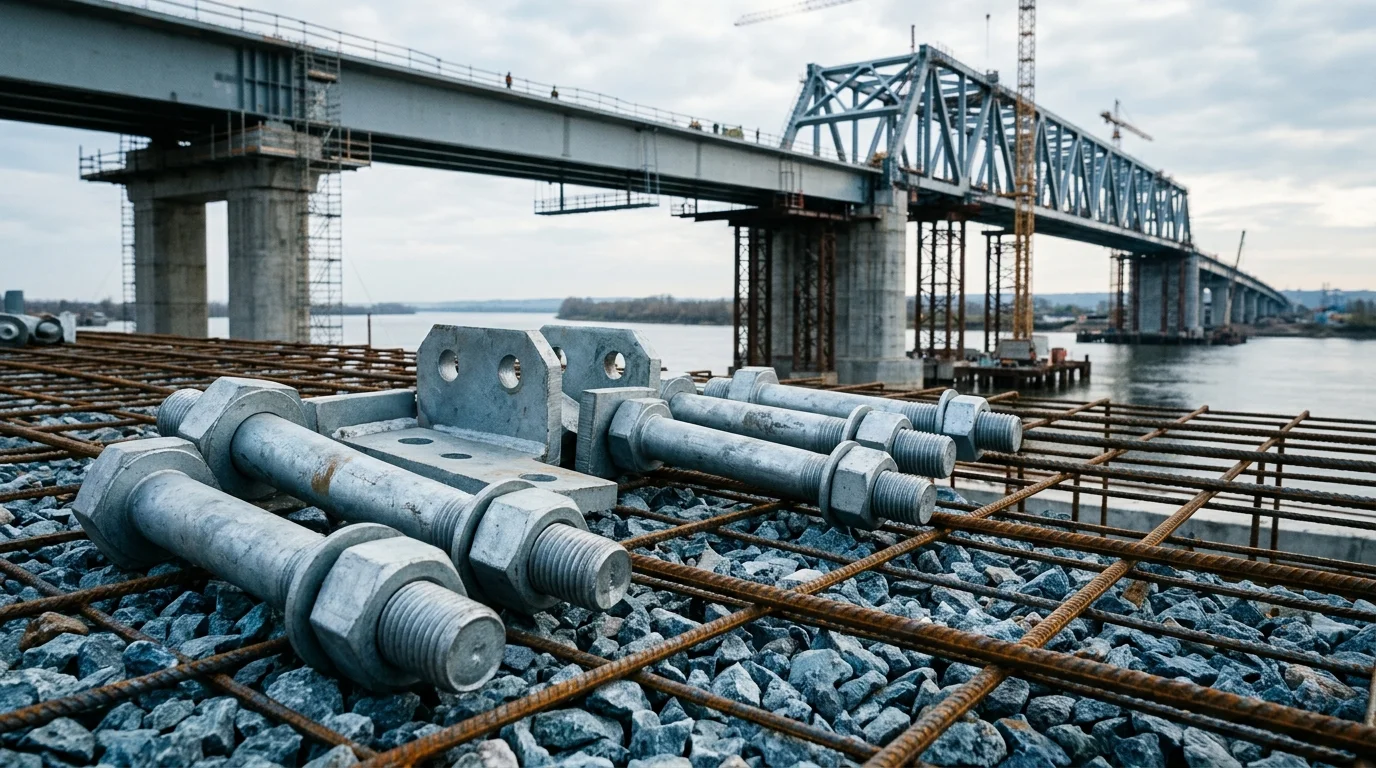
Hydraulic Turbine Fasteners: 316L vs 2205 Duplex for Sandy/Acidic Water
Selecting the right fastener material for hydraulic turbines in sandy or acidic water (pH < 6, sand > 5 kg/m³) is critical to avoid crevice corrosion and fatigue fracture. This comparison 316L (A4-70) and 2205 duplex stainless steel, referencing ISO 3506 and IEC 60193 for corrosion resistance and fatigue performance
FIELD-SPECIFIC INSIGHT
Material Selection Checkpoints for Turbine Fasteners in Sandy/Acidic Water
When water pH drops below 6 or sand content exceeds 5 kg/m³, standard 316L fasteners may suffer accelerated crevice corrosion and reduced fatigue life. Upgrading to 2205 duplex stainless steel improves resistance but requires verification of hardness and preload to avoid hydrogen embrittlement. Use the table below to specify the right material and inspection criteria
WHAT TO CHECK
- 1For pH < 6: Specify 2205 duplex stainless steel (PREN ≥ 35) to resist crevice corrosion; 316L (PREN ~ 25) may pit within 3 years
- 2For sand > 5 kg/m³: Upgrade to 2205 for higher hardness to reduce abrasive wear; 316L may lose cross-section faster
- 3Fatigue life: 2205 duplex has higher fatigue strength; request fatigue test data at 10^7 cycles per IEC 60193
- 4Hydrogen embrittlement risk: For high-strength bolts in acidic water, specify hardness ≤ HRC 22 per NACE MR0175; duplex stainless steel is generally immune
| Check | Why it matters | What to specify |
|---|---|---|
| Water pH and sand content | PH < 6 or sand > 5 kg/m³ accelerates crevice corrosion and wear, reducing fastener life below design | Request water analysis report; if pH < 6 or sand > 5 kg/m³, specify 2205 duplex instead of 316L |
| Material PREN (Pitting Resistance Equivalent Number) | PREN > 35 indicates better pitting resistance; 316L has PREN ~ 25, 2205 has PREN ~ 35 | Require material certificate with PREN calculation per ASTM G48; minimum PREN 35 for acidic water |
| Fatigue test certification | IEC 60193 requires no failure at 10^7 cycles; 2205 has higher endurance limit than 316L | Request fatigue test data at 10^7 cycles for runner bolt material |
| Hardness and hydrogen embrittlement | Hardness > HRC 22 in acidic water risks hydrogen-induced cracking per NACE MR0175 | For high-strength bolts (≥10.9) in acidic water, specify hardness ≤ HRC 22 and confirm with test report |
All material grades and standards are from the page data. Actual performance depends on specific water chemistry and operating conditions; consult a materials engineer for final selection
Evidence level: standard-backed
RISK AUDIT // ENGINEERING DIAGNOSIS
Procurement Pitfall Guide
"Common failures in hydropower turbine fastening and how to avoid them"
QC-AUDIT // REV.5
SCALE 1:1 · 03 ITEMS
RISK-01
Crevice corrosion of underwater bolts leads to sudden fracture
Corrective Measures
RISK-02
Fatigue fracture of turbine runner blade bolts
Corrective Measures
RISK-03
Hydrogen-induced cracking in acidic river water
Corrective Measures
INDUSTRY TECH REFERENCE
Turbine Support Fasteners: Plant Scale Decides the Size Tier
From micro to medium plants, main and flange bolt sizes step up while the supply scope narrows — check the tier before ordering.
| Plant scale | Runner diameter | Main bolt sizes | Flange bolts | What we can supply |
|---|---|---|---|---|
| Micro (<100 kW) | 0.3–0.8 m | M8–M16 | M12–M20 | Full range |
| Small (100 kW–10 MW) | 0.8–3 m | M12–M30 | M20–M36 | Most items |
| Medium (10–50 MW) | 3–6 m | M24–M48 | M36–M48 | Auxiliary parts only |
Plant-scale tiers (<100 kW / 100 kW–10 MW / 10–50 MW) are verified industry norms; runner diameters and bolt sizes are magnitude estimates.
INDUSTRY TECH REFERENCE
Condensation Corrosion: From Surface Film to a Seized Guide-Vane Linkage
Example: guide-vane linkages and head-cover bolts in an underground powerhouse.
- 1Powerhouse air — underground plant rooms especially — stays at 80–95% RH year-round, so metal surfaces keep condensing
- 2Bare carbon steel corrodes badly within six months; rust piles up in bolt threads and linkage pivots
- 3Corrosion products work into clearances, fretting at mating faces worsens, and guide-vane adjustment turns stiff
- 4If maintenance lags, the end state is lost preload, seized pivots, or loosening
- 5Response: specify 304/316L or hot-dip galvanizing + sealing wax for exposed hardware; for acidic water (pH 4–6) move straight to 316L or higher
INDUSTRY TECH REFERENCE
Bolt Supply Scope for Micro to Medium Turbine Projects
Align the plant scale with the supply scope before ordering so nothing is missing on arrival.
Micro plants (<100 kW) can be fully covered; small plants (100 kW–10 MW) are mostly covered — trash-rack fixing bolts, small-plant penstock flange bolts, valve flange bolts, and turbine auxiliary bolts are all in scope. Medium plants (10–50 MW) get auxiliary parts only: large turbine bodies, penstock shells, and generating units stay out. For remote plants, oversize critical fixings and keep an on-site spares set.
PLAN COMPARISON
Three-Plan Core Parameter Comparison
Compare row by row. Click column headers to jump to plan details.
| A · Plan A · Standard Type for Clean Water Hydropower Station | B · Plan B · Enhanced Type for Sandy/Acidic Water | C · Plan C · Enhanced Type for Sandy/Acidic Water | |
|---|---|---|---|
| 1. RUNNER BOLT | |||
| SPEC | M20-M36 | M24-M36 | M12×40 ~ M30×120 |
| MATERIAL | 316L | 2205 Duplex Stainless Steel | 316L Stainless Steel |
| GRADE | A4-70 | — | A4-70 |
| FINISH | HDG >=55um per ISO 1461 | HDG >=55um per ISO 1461 | HDG >=55um per ISO 1461 |
| 2. HEAD COVER BOLT | |||
| SPEC | M30-M48 | M36-M56 | M16 ~ M36 |
| MATERIAL | 35CrMo | 42CrMoA | 316L Stainless Steel |
| GRADE | Grade 10.9 | Grade 12.9 | A4-80 |
| FINISH | HDG >=55um per ISO 1461 | HDG >=55um per ISO 1461 | HDG >=55um per ISO 1461 |
| 3. WEDGE LOCK WASHER | |||
| SPEC | NL20-NL36 | NL24-NL36 | Matching |
| MATERIAL | EN 1.7182 | 316L | — |
| GRADE | Dacromet | — | — |
| FINISH | HDG >=55um per ISO 1461 | HDG >=55um per ISO 1461 | HDG >=55um per ISO 1461 |
Plan A · Standard Type for Clean Water Hydropower Station
C3 Standard per ISO 12944-2
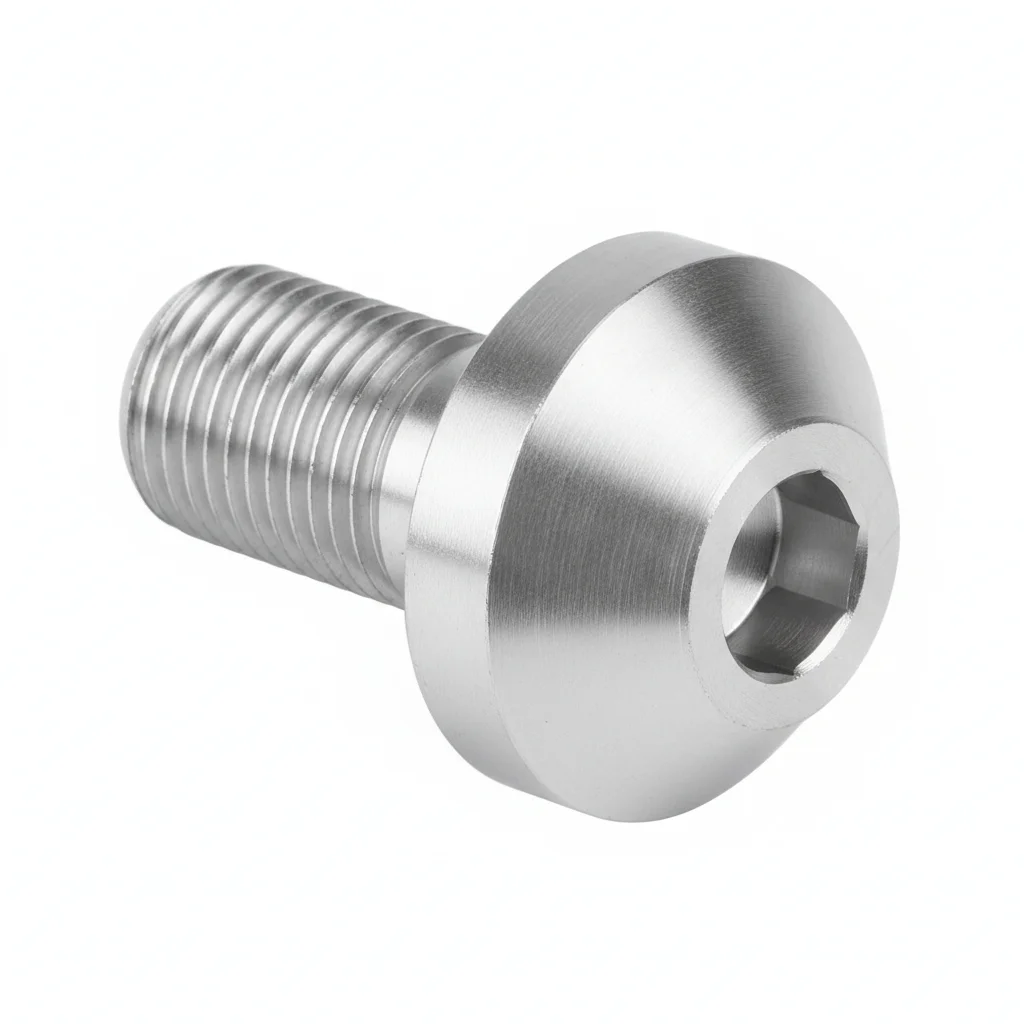
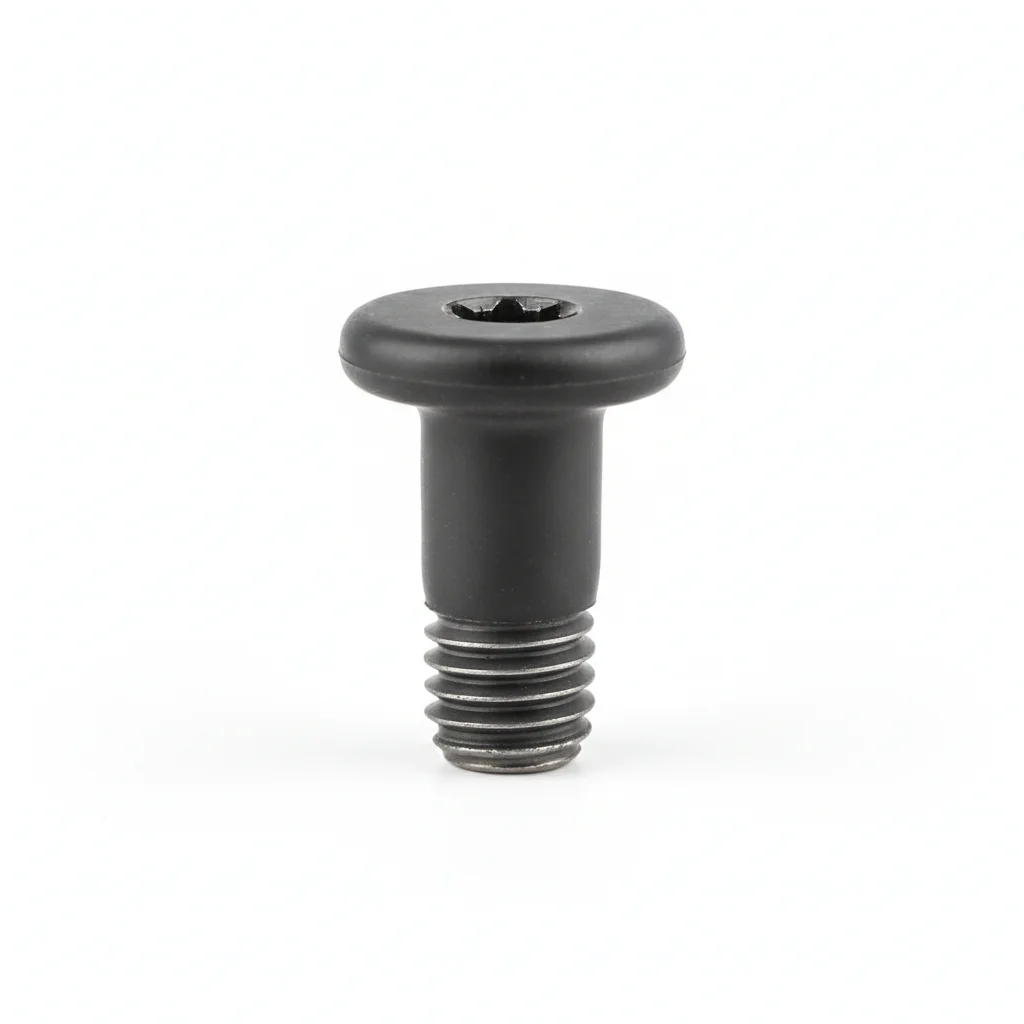
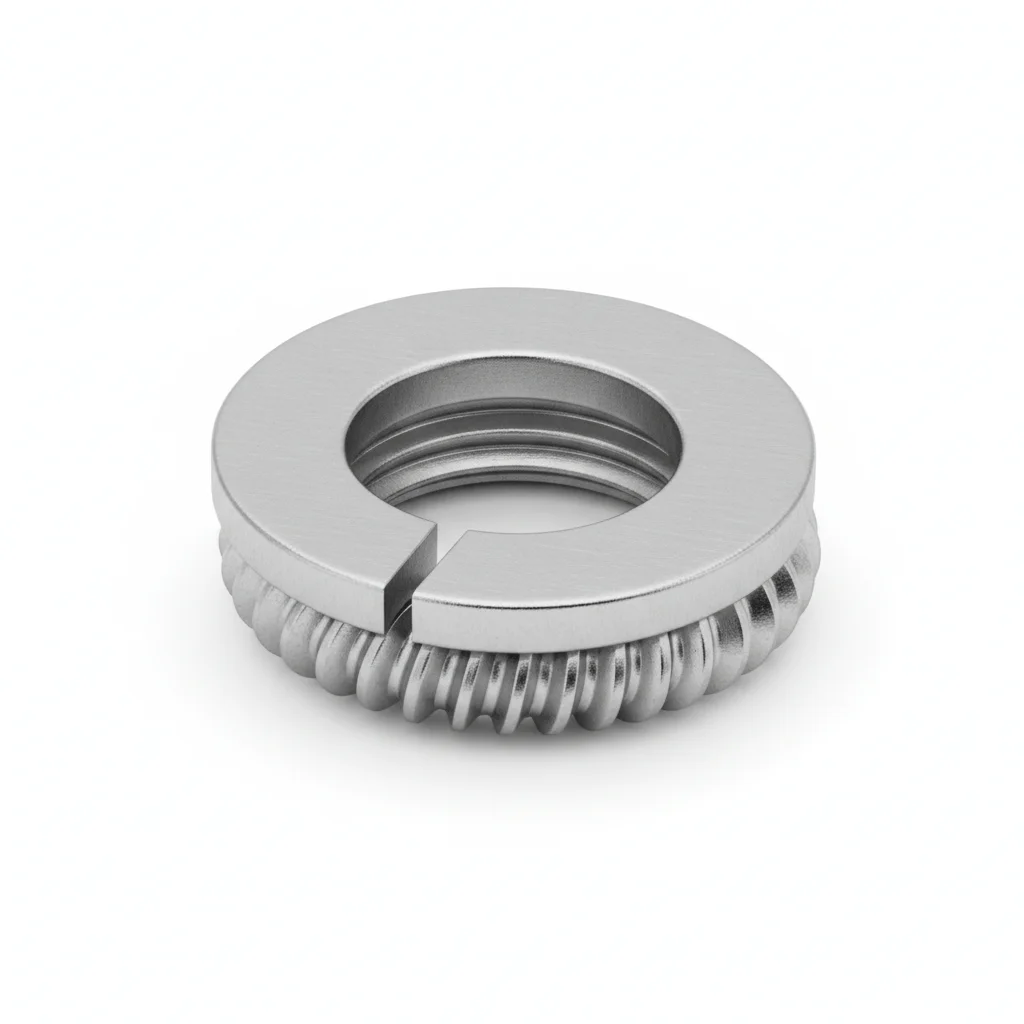
| Runner Bolt | Head Cover Bolt | Wedge Lock Washer | |
|---|---|---|---|
| SPEC | M20-M36 | M30-M48 | NL20-NL36 |
| MATERIAL | 316L | 35CrMo | EN 1.7182 |
| GRADE | A4-70 | Grade 10.9 | Dacromet |
| FINISH | HDG >=55um per ISO 1461 | HDG >=55um per ISO 1461 | HDG >=55um per ISO 1461 |
| CORROSION | C3 (ISO 12944-2) | C3 (ISO 12944-2) | C3 (ISO 12944-2) |
| TEMP | -20°C to +80°C | -20°C to +80°C | -20°C to +80°C |
| WEIGHT | ~0.5 kg/piece | ~0.5 kg/piece | ~0.5 kg/piece |
| MOQ | 100 pcs | 100 pcs | 100 pcs |
| PACK | VCI paper + carton | VCI paper + carton | VCI paper + carton |
| STD | ISO 898-1, GB/T 3098.1 | ISO 898-1, GB/T 3098.1 | ISO 898-1, GB/T 3098.1 |
| USE | Runner blade connection | Head cover fastening | Anti-loosening for critical bolts |
PROCEDURE
- Degrease M20-M36 runner bolts and mating surfaces with isopropyl alcohol; confirm flatness within 0.1mm per 100mm.
- Apply a thin layer of anti-seize compound to threads and under-head faces of A4-70 316L bolts.
- Insert bolts and align components; tighten in a star pattern to 70% of final torque, then to final torque using a calibrated wrench.
- After full torque, mark each bolt head and nut with a paint line for visual verification.
- Record torque values and batch numbers in the maintenance log for traceability.
COMMON ERRORS
| ✕ WRONG | CONSEQUENCE | ✓ CORRECT |
|---|---|---|
| Using a lower grade bolt (e.g., A2-70) instead of A4-70 316L for underwater connections | Reduced molybdenum content accelerates crevice corrosion, leading to premature failure within the 20-25 year design life. | Verify grade marking (A4-70) and material certificate before installation; use only 316L bolts with 2-3% molybdenum. |
| Overtightening M30-M48 head cover bolts beyond specified torque | Excessive preload can cause thread stripping or bolt fracture, compromising the head cover seal. | Use a calibrated torque wrench and follow the star pattern; check torque after 24 hours and adjust if below 80% of specified value. |
MAINTENANCE
Inspect fasteners every 250 operating hours or 6 months, whichever comes first. Re-torque any bolt below 80% of specified torque. Replace bolts with corrosion affecting >5% of surface area or pitting depth >0.3mm. Every 3 years, disassemble and inspect a 20% sample. Every 5 years, replace all critical fasteners regardless of condition. Document findings in CMMS with date and inspector ID. Maximum allowable tension loss: 15%.
Plan B · Enhanced Type for Sandy/Acidic Water
C4 Harsh per ISO 12944-2 with sandy/acidic water (pH < 6, sand > 5 kg/m³)
| Runner Bolt | Head Cover Bolt | Wedge Lock Washer | |
|---|---|---|---|
| SPEC | M24-M36 | M36-M56 | NL24-NL36 |
| MATERIAL | 2205 Duplex Stainless Steel | 42CrMoA | 316L |
| GRADE | — | Grade 12.9 | — |
| FINISH | HDG >=55um per ISO 1461 | HDG >=55um per ISO 1461 | HDG >=55um per ISO 1461 |
| CORROSION | C3 (ISO 12944-2) | C3 (ISO 12944-2) | C3 (ISO 12944-2) |
| TEMP | -20°C to +80°C | -20°C to +80°C | -20°C to +80°C |
| WEIGHT | ~0.5 kg/piece | ~0.5 kg/piece | ~0.5 kg/piece |
| MOQ | 100 pcs | 100 pcs | 100 pcs |
| PACK | VCI paper + carton | VCI paper + carton | VCI paper + carton |
| STD | ISO 898-1, GB/T 3098.1 | ISO 898-1, GB/T 3098.1 | ISO 898-1, GB/T 3098.1 |
| USE | High-head runner | Large unit head cover | Underwater anti-loosening |
PROCEDURE
- Degrease the 2205 duplex runner bolt and head cover bolt threads with acetone, ensuring surfaces are free of oil and debris before installation.
- Coat the bolt threads and bearing surfaces with a molybdenum disulfide anti-seize compound to prevent galling during tightening, given the duplex material's high hardness.
- Position the 316L wedge lock washers under the bolt head and nut to secure the joint against vibration-induced loosening in the turbine environment.
- Use a calibrated hydraulic tensioner to tighten the bolts in a cross-pattern sequence, achieving the preload specified for grade 12.9 head cover bolts (42CrMoA) and the duplex runner bolts.
- After final tightening, verify the preload by measuring bolt elongation with an ultrasonic extensometer on a 10% sample, documenting readings for quality assurance.
- Apply a corrosion-inhibiting sealant around the bolt head and nut interfaces to create a barrier against acidic water ingress.
COMMON ERRORS
| ✕ WRONG | CONSEQUENCE | ✓ CORRECT |
|---|---|---|
| Using a standard torque wrench instead of a hydraulic tensioner for tightening duplex bolts | Friction variations under sandy conditions can cause preload scatter, leading to uneven clamping and potential fatigue failure of the runner bolt under alternating hydraulic loads. | Employ a hydraulic tensioner with ±3% accuracy to achieve consistent preload, as specified for runner blade bolts in the FAQ guidance. |
| Selecting 316L wedge lock washers for all bolts without verifying material compatibility with the duplex bolts in acidic water | Galvanic corrosion can occur between dissimilar materials, accelerating washers degradation and compromising the anti-loosening function, increasing risk of bolt loosening. | Use 316L wedge lock washers as specified for underwater anti-loosening, ensuring they are electrically isolated or compatible with the duplex bolts to minimize galvanic effects. |
MAINTENANCE
Inspect at each major overhaul window (typically every 5 years) per the page's maintenance cycle for sandy/acidic water. Check preload on runner and head cover bolts; re-torque any bolt below 80% of specified torque. Perform dye penetrant testing on a 20% sample of bolts to detect surface cracks, as per ASTM E165. Replace bolts with corrosion pits deeper than 0.3mm or any crack indications.
Plan C · Enhanced Type for Sandy/Acidic Water
C5-M Extreme per ISO 12944-2 for severe sandy/acidic water with special requirements
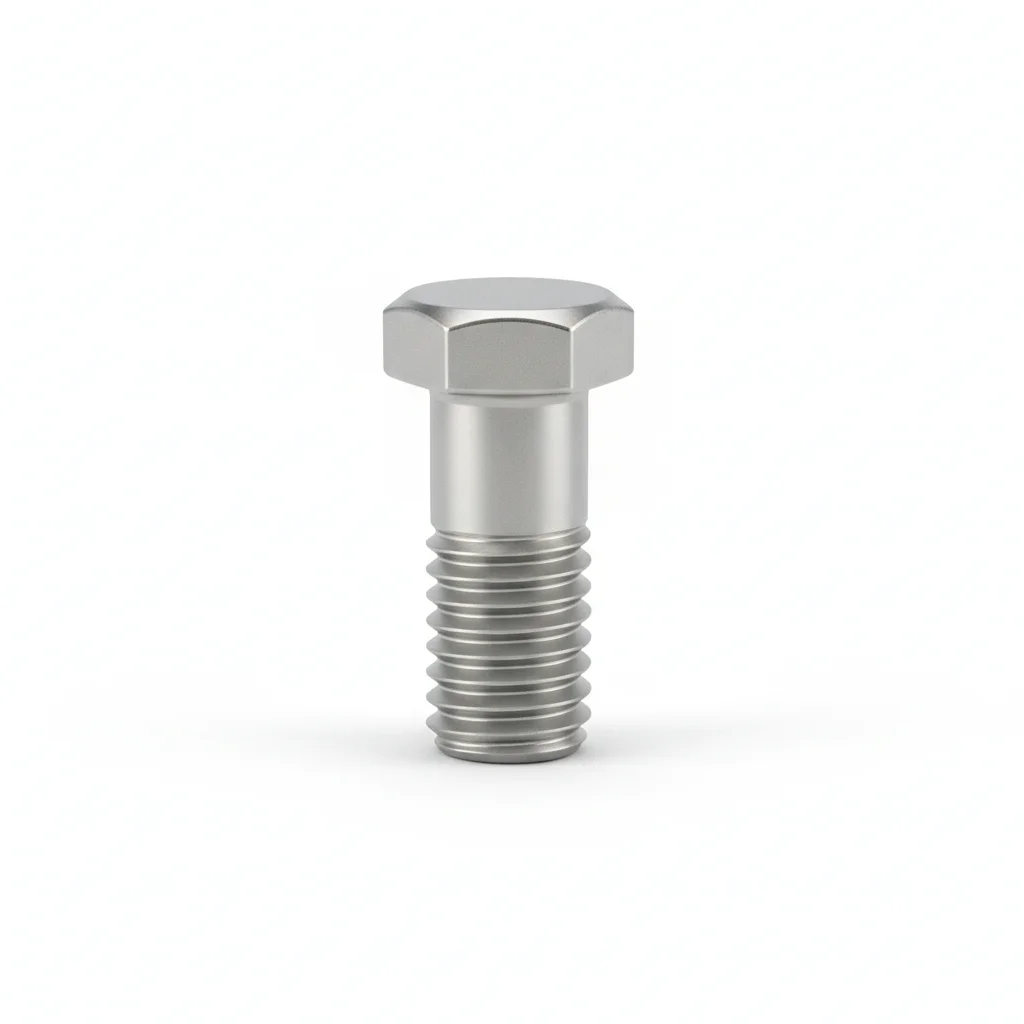
| Hex Head Bolt | stud bolt | Inspection & Maintenance Tool Kit | |
|---|---|---|---|
| SPEC | M12×40 ~ M30×120 | M16 ~ M36 | Matching |
| MATERIAL | 316L Stainless Steel | 316L Stainless Steel | — |
| GRADE | A4-70 | A4-80 | — |
| FINISH | HDG >=55um per ISO 1461 | HDG >=55um per ISO 1461 | HDG >=55um per ISO 1461 |
| CORROSION | C3 (ISO 12944-2) | C3 (ISO 12944-2) | C3 (ISO 12944-2) |
| TEMP | -20°C to +80°C | -20°C to +80°C | -20°C to +80°C |
| WEIGHT | ~0.5 kg/piece | ~0.5 kg/piece | ~0.5 kg/piece |
| MOQ | 100 pcs | 100 pcs | 100 pcs |
| PACK | VCI paper + carton | VCI paper + carton | VCI paper + carton |
| STD | ISO 898-1, GB/T 3098.1 | ISO 898-1, GB/T 3098.1 | ISO 898-1, GB/T 3098.1 |
| USE | Turbine structural connection | Flange connection | Periodic torque verification |
PROCEDURE
- Clean the 316L hex head bolts and stud bolts with MEK solvent to remove all contaminants, achieving a surface roughness of Ra < 1.6 μm on mating surfaces.
- Apply a marine-grade anti-corrosion compound rated for -50 to 200°C to the threads and bearing surfaces, then install PTFE-encapsulated washers to provide a low-friction, corrosion-resistant interface.
- Align the turbine structural components to within 0.3mm tolerance, then tighten the bolts using a hydraulic tensioner in three symmetrical stages (50% → 80% → 100% of target preload) to ensure even loading.
- Perform positive material identification (PMI) on a 10% sample of the bolts to verify the grade is A4-70 or A4-80 as specified, documenting results for compliance audits.
- Conduct dye penetrant testing on a 10% sample of the installed bolts to detect any surface cracks; replace any bolts showing crack indications before commissioning.
- Apply a protective sealant over the bolt heads and exposed threads, and install permanent condition monitoring instrumentation (e.g., strain gauges) on critical joints for ongoing fatigue assessment.
COMMON ERRORS
| ✕ WRONG | CONSEQUENCE | ✓ CORRECT |
|---|---|---|
| Using 316L stud bolts of grade A4-70 in place of A4-80 for flange connections in high-stress areas | The lower strength grade may not withstand the alternating stresses, leading to premature fatigue failure and potential leakage or separation of flanges under acidic water conditions. | Verify that all stud bolts meet the A4-80 grade specification for flange connections, as listed in the product data, to ensure adequate fatigue strength. |
| Skipping the PMI verification step and assuming the delivered bolts are the correct 316L grade | Substitute materials with lower corrosion resistance can lead to rapid pitting and crevice corrosion in the acidic environment, causing fastener failure within months. | Always perform PMI on a 10% sample of fasteners upon delivery and before installation, confirming the material is 316L stainless steel with the specified molybdenum content. |
MAINTENANCE
Inspect at each major overhaul window (typically every 5 years) and during any special shutdowns for severe conditions. Re-torque any bolt below 80% of specified torque. Perform ultrasonic testing on a 20% sample of bolts to detect internal flaws, as per the FAQ guidance for major overhauls. Replace any bolt with corrosion pits deeper than 0.5mm or showing crack indications from NDT.
SELECTION GUIDE
How to choose between Plan A and Plan B for your hydropower station
| Operating condition | Recommended option | Key basis |
|---|---|---|
| Clean water (pH 6-8, low sand), 3-year maintenance cycle | Plan A — 316L runner bolts (A4-70, M20-M36) | ISO 3506, IEC 60193 |
| Sandy (> 5 kg/m³) or acidic (pH < 6) water, 5-year cycle | Plan B — 2205 duplex runner bolts (M24-M36); 42CrMoA Grade 12.9 head cover bolts (M36-M56) | ISO 3506, IEC 60193 |
| Sand content > 5 kg/m³ | Upgrade material grade and add wear-resistant coating | IEC 60193 |
| Acidic water (pH < 6) | Specify 2205 duplex (PREN ≥ 35); 316L (PREN ~ 25) may pit within 3 years | ASTM G48 |
| High-strength bolts (≥ Grade 10.9) in acidic water | Control hardness ≤ HRC 22 and use Dacromet; duplex stainless steel resists hydrogen-induced cracking | NACE MR0175 |
REFERENCED STANDARDS
Technical Basis and Reference Standards
SUPPLIER CAPABILITY
Quality, Delivery & Customization
Quality Control
- ✓MTC material certificates with every batch
- ✓Key parts sampled for hardness/salt spray/torque coefficient
- ✓100% inspection or AQL sampling before shipment
Delivery
- ✓Standard parts made to order: 7-15 days
- ✓Custom parts: 25-45 days
- ✓FOB/CIF/DDP supported
Customization
- ✓Drawing review and material matching
- ✓Non-standard sizes/heads/threads
- ✓Small-batch prototyping supported
Certification
- ✓Material certificates (MTC)
- ✓Spectrographic analysis reports
- ✓Salt spray test reports (on request)
MOQ: No MOQ for standard parts; custom parts assessed by process complexity
FAQ
FAQ
RELATED READING
Keep Reading & Next Step
BEYOND TECHNICAL SPECS
Finding the right factory, controlling quality, delivering on time — that's the real challenge. We cover fasteners, rubber, plastics, industrial textiles. One team, end to end.
SEE CAPABILITIES →