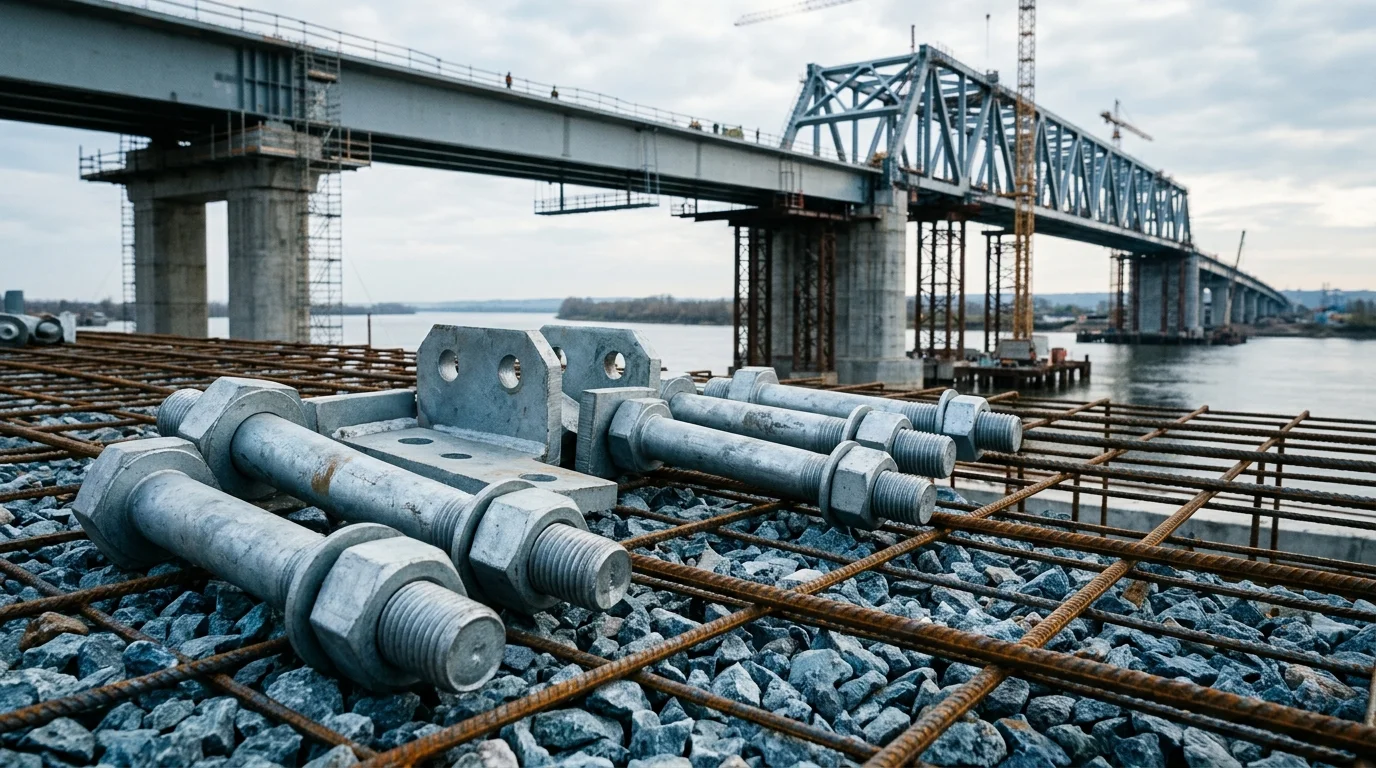
Underground Conduit for Landscape Lighting: PVC vs HDPE vs Galvanized Steel
For shallow, medium, and deep burial conditions, compare three conduit materials: PVC-U, HDPE, and hot-dip galvanized steel. Focus on pipe clamps, connectors, and corrosion protection to avoid premature joint failure and costly repairs
FIELD-SPECIFIC INSIGHT
Conduit Hardware Selection: Key Differences in Clamps and Connectors
In underground landscape lighting, conduit failure often stems from joint leakage or clamp corrosion. PVC-U uses adhesive joints; HDPE requires hot melt fusion; galvanized steel needs threaded connectors with sealant. Pipe clamps must match conduit material and burial environment to ensure long-term integrity
WHAT TO CHECK
- 1PVC-U conduit: use adhesive joints only for shallow burial; UV exposure reduces impact strength before installation
- 2HDPE double-wall corrugated pipe: hot melt fusion joint strength depends on temperature; deviation reduces strength
- 3Galvanized steel pipe: threaded connectors with sealant; weld coating damage accelerates corrosion
- 4Pipe clamps: spacing varies by material (PVC 1. 5m, HDPE 1. 0m, steel 0. 8m); use hot-dip galvanized or stainless steel
- 5Connector selection: adhesive for PVC, hot melt for HDPE, threaded for steel; improper joint increases leakage risk
| Check | Why it matters | What to specify |
|---|---|---|
| Burial depth | Determines load on conduit and clamp spacing; shallow ≤0. 7m, medium 0.7-1. 5m, deep >1. 5m | Specify burial depth class; select conduit with adequate ring stiffness or wall thickness |
| Corrosion protection | Soil pH and moisture accelerate corrosion; galvanized steel needs coating repair after welding | For PVC/HDPE: verify UV stabilizers if exposed; for steel: specify hot-dip galvanized coating per ISO 1461 |
| Joint integrity | Weak joints cause leakage and cable damage; temperature and cleanliness affect fusion quality | Specify joint method (adhesive, fusion, threaded) and acceptance test (pressure or pull test) |
| Pipe clamp spacing | Insufficient support leads to sagging and stress on joints | Clamp spacing per conduit material: PVC 1. 5m, HDPE 1. 0m, steel 0. 8m; use corrosion-resistant clamps |
| UV exposure during storage | PVC and HDPE degrade under sunlight before installation | Cover with opaque tarp; inspect for cracks before installation |
All performance data from page content; no independent verification. Verify with supplier for specific project conditions
Evidence level: source-page-only
INDUSTRY TECH REFERENCE
Check the Frost Line Before Shallow Burial: A Geographic Premise
Shallow burial is cheapest, deep burial is toughest — that is the generic tiering; frost zones draw a harder line: the local maximum frost depth. Compare it with the tier before talking material and price, or the cheapest shallow run can sit entirely above the frost line and get lifted by heave every year.
- A premise for the shallow tier: the 0.7 m shallow limit only holds where the local maximum frost depth stays below 0.7 m — frost depth in northern regions runs 1.0-1.5 m (up to 2 m in the northeast), leaving a 0.7 m run entirely above the frost line
- The mechanism is ice expansion: frost heave raises buried conduit runs in winter and the soil settles as frost melts in spring — the twice-a-year up-and-down cycle lands on joints, elbows and cable exit points; the damage is under the pavement, so the joint cracks first
- Nor is the middle tier automatically safe: the 0.7-1.5 m medium-burial tier straddles the lower edge of the 1.0-1.5 m frost-depth band, so it must still be verified against project data — a generic tier is no substitute for the local frost-depth record
- On the inquiry: lock the "local maximum frost depth" rather than a generic tier, set the burial floor at local maximum frost depth + 0.5 m, and only then compare the cost accounts of the PVC, HDPE and galvanized-steel options
The 1.0-1.5 m northern frost depth (up to 2 m in the northeast), the ~9% ice-expansion figure and the 0.7 m / 1.5 m shallow- and medium-burial tier anchors are all magnitude estimates.
INDUSTRY TECH REFERENCE
Spec Conduits Project by Project — Not by Copying a Bill of Materials
Landscape lighting is decorative — every pole carries a different luminaire count and cable set; conduit diameter, burial depth and fittings are sized for the real run, and copying a neighboring contract's bill of materials is how rework starts.
Landscape lighting is not a standardized road function: pole form, height and luminaire count differ from pole to pole, so cable count and gauges change with them, and conduit diameter and burial depth must be sized for the actual run — a neighboring contract's bill of materials is not transferable. Procurement works the same way: conduits, like anchor-bolt cages, are bought ahead of foundation work, ordered in project batches of tens to hundreds of poles; soil corrosivity class, local frost depth and route length each have to be re-checked for the project — one copied line shows up as rework at acceptance.
The project batch size of tens to hundreds of poles is a magnitude estimate.
PLAN COMPARISON
Three-Plan Core Parameter Comparison
Compare row by row. Click column headers to jump to plan details.
| A · Plan A · PVC Standard Conduit | B · Plan B · HDPE Heavy-Duty Conduit | C · Plan C · Galvanized Steel Pipe Extreme Conduit | |
|---|---|---|---|
| 1. PVC-U CONDUIT | |||
| SPEC | φ50×3.0mm, Flame Retardant V-0, Pressure Resistance ≥1.0MPa | φ75×4.0mm, Ring Stiffness ≥8kN/m², Temperature Resistance -40~60°C | φ89×4.0mm, Q235B Hot-Dip Galvanized, Uniform Wall Thickness |
| MATERIAL | PVC | PE | Q235B |
| GRADE | Flame Retardant V-0 | — | — |
| FINISH | hot-dip galvanized ≥55 μm per ISO 1461 | HDG >=55um per ISO 1461 | hot-dip galvanized ≥55 μm per ISO 1461 |
| 2. STRAIGHT CONNECTOR | |||
| SPEC | φ50, PVC-U Injection Molded | φ75, HDPE Butt Fusion, Reliable Seal | φ89, Q235B Threaded + Sealant |
| MATERIAL | PVC | HDPE | Q235B |
| FINISH | HDG >=55um per ISO 1461 | HDG >=55um per ISO 1461 | HDG >=55um per ISO 1461 |
| 3. ELBOW | |||
| SPEC | 90°/45°, PVC-U Hot Bend Formed | φ400×600mm, HDPE Injection Molded | IP68 Protection, 304 Stainless Steel Cast |
| MATERIAL | PVC | HDPE | 304 Stainless Steel |
| FINISH | HDG >=55um per ISO 1461 | HDG >=55um per ISO 1461 | HDG >=55um per ISO 1461 |
| 4. PIPE CLAMP | |||
| SPEC | φ50, Q235B Hot-Dip Galvanized, Spacing 1.5m | φ75, 304 Stainless Steel, Spacing 1.0m | φ89, Inconel 625 Precision Cast, Spacing 0.8m |
| MATERIAL | Q235B | 304 Stainless Steel | — |
| FINISH | HDG >=55um per ISO 1461 | HDG >=55um per ISO 1461 | HDG >=55um per ISO 1461 |
| 5. WARNING TAPE | |||
| SPEC | Yellow Reflective Film, Width 100mm, Burial Depth 0.3m | Asphalt Paint + Fiberglass Cloth, Double Protection | RFID Chip, Records Installation Time and Inspection Records |
| MATERIAL | — | — | EPDM Rubber |
| FINISH | HDG >=55um per ISO 1461 | HDG >=55um per ISO 1461 | HDG >=55um per ISO 1461 |
Plan A · PVC Standard Conduit
C3 standard per ISO 12944-2 for shallow burial in dry soil.
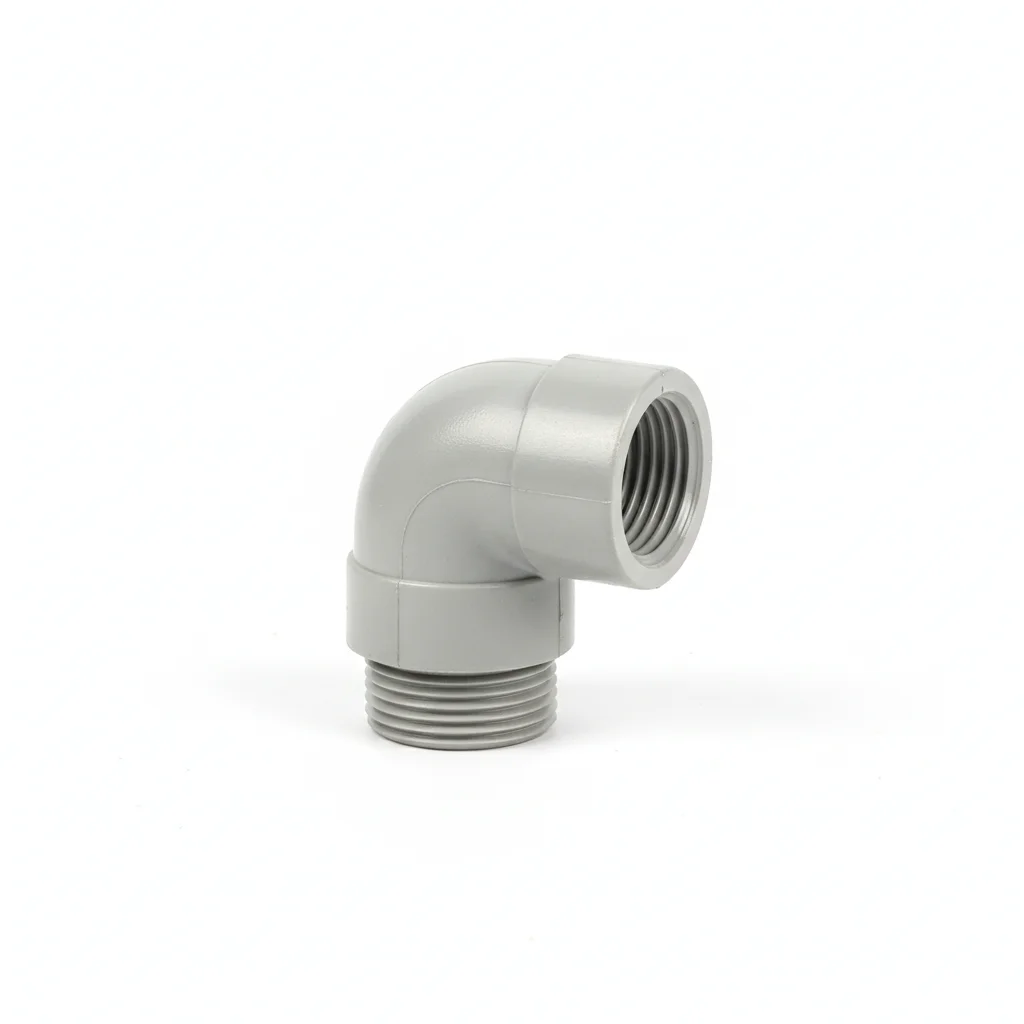
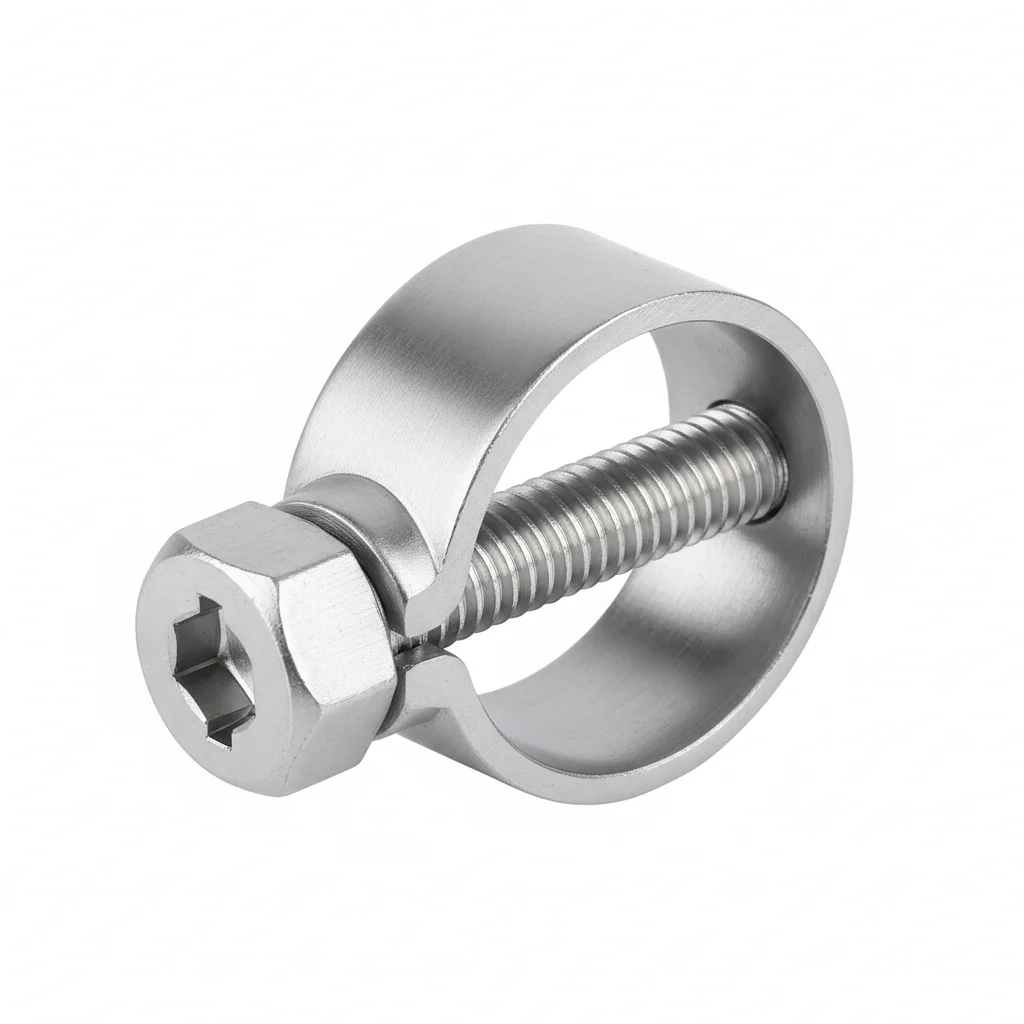
| PVC-U Conduit | Straight Connector | Elbow | Pipe Clamp | Warning Tape | |
|---|---|---|---|---|---|
| SPEC | φ50×3.0mm, Flame Retardant V-0, Pressure Resistance ≥1.0MPa | φ50, PVC-U Injection Molded | 90°/45°, PVC-U Hot Bend Formed | φ50, Q235B Hot-Dip Galvanized, Spacing 1.5m | Yellow Reflective Film, Width 100mm, Burial Depth 0.3m |
| MATERIAL | PVC | PVC | PVC | Q235B | — |
| GRADE | Flame Retardant V-0 | — | — | — | — |
| FINISH | hot-dip galvanized ≥55 μm per ISO 1461 | HDG >=55um per ISO 1461 | HDG >=55um per ISO 1461 | HDG >=55um per ISO 1461 | HDG >=55um per ISO 1461 |
| CORROSION | C3 (ISO 12944-2) | C3 (ISO 12944-2) | C3 (ISO 12944-2) | C3 (ISO 12944-2) | C3 (ISO 12944-2) |
| TEMP | -20°C to +80°C | -20°C to +80°C | -20°C to +80°C | -20°C to +80°C | -20°C to +80°C |
| WEIGHT | ~0.5 kg/piece | ~0.5 kg/piece | ~0.5 kg/piece | ~0.5 kg/piece | ~0.5 kg/piece |
| MOQ | 100 pcs | 100 pcs | 100 pcs | 100 pcs | 100 pcs |
| PACK | VCI paper + carton | VCI paper + carton | VCI paper + carton | VCI paper + carton | VCI paper + carton |
| STD | ISO 898-1, GB/T 3098.1 | ISO 898-1, GB/T 3098.1 | ISO 898-1, GB/T 3098.1 | ISO 898-1, GB/T 3098.1 | ISO 898-1, GB/T 3098.1 |
| USE | Pressure Resistance ≥1.0MPa | PVC-U Injection Molded | PVC-U Hot Bend Formed | Spacing 1.5m | Burial Depth 0.3m |
PROCEDURE
- Lay PVC-U conduit in trench at depth ≤0.7m, ensuring slope for drainage.
- Clean joining surfaces of conduit and PVC-U fittings with primer.
- Apply PVC-U adhesive evenly to both surfaces and insert fully with a twisting motion.
- Hold joint firmly for at least 30 seconds to allow initial set.
- Secure conduit with Q235B hot-dip galvanized pipe clamps at 1.5m spacing.
- Install yellow reflective warning tape at 0.3m depth above conduit.
COMMON ERRORS
| ✕ WRONG | CONSEQUENCE | ✓ CORRECT |
|---|---|---|
| Using HDPE hot melt fusion on PVC-U conduit joints. | Incompatible materials cause poor bonding, leading to joint leakage and cable damage. | Use PVC-U adhesive specifically designed for PVC conduit connections. |
| Burying conduit without warning tape in shallow trenches. | Future excavation can accidentally damage the conduit, causing circuit failure. | Always place yellow warning tape at specified 0.3m burial depth. |
| Spacing pipe clamps wider than 1.5m for PVC conduit. | Inadequate support leads to sagging and stress on joints, increasing risk of separation. | Follow 1.5m clamp spacing as specified for PVC-U conduit. |
MAINTENANCE
Inspect joints and clamps for signs of leakage or corrosion at each seasonal change; replace any damaged components immediately.
Plan B · HDPE Heavy-Duty Conduit
C4 harsh per ISO 12944-2
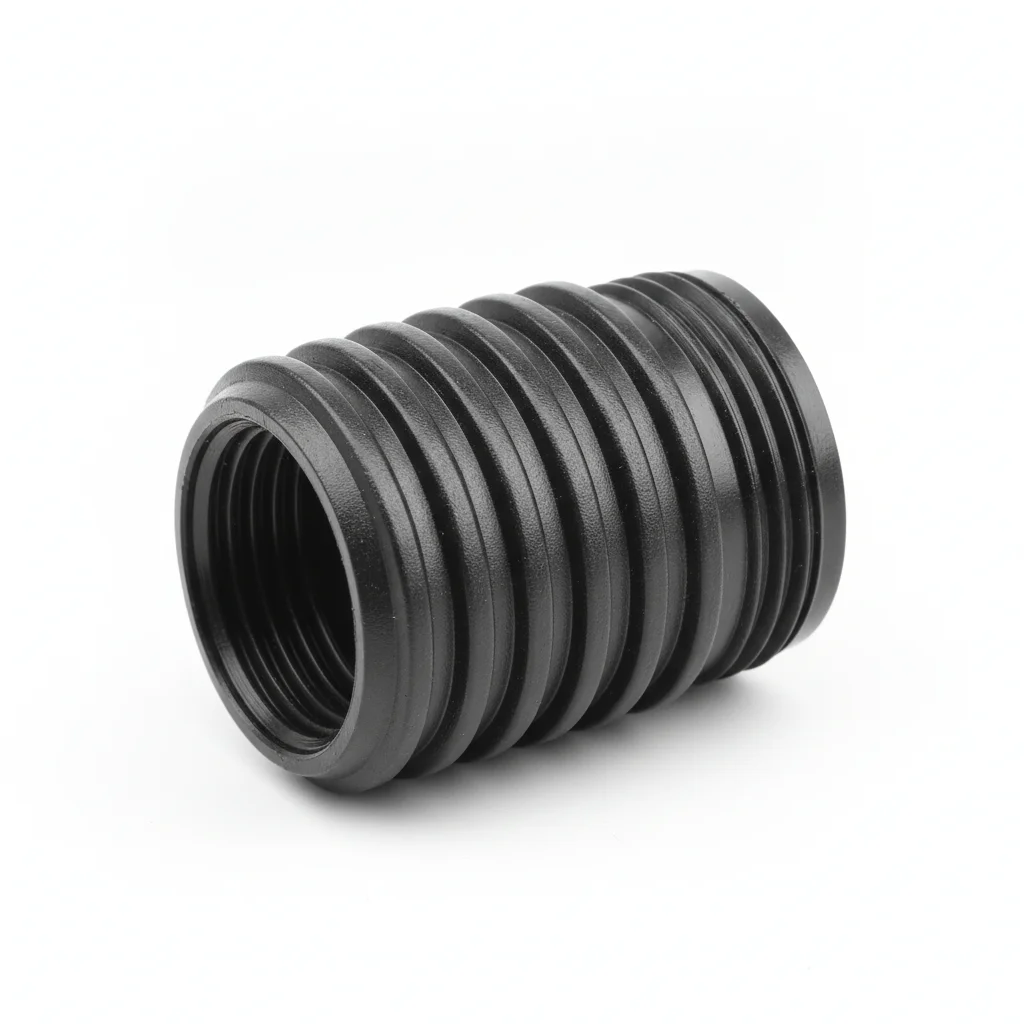
| Double-Wall Corrugated Pipe | Hot Melt Connector | Inspection Chamber | Reinforced Pipe Clamp | Anti-Corrosion Coating | |
|---|---|---|---|---|---|
| SPEC | φ75×4.0mm, Ring Stiffness ≥8kN/m², Temperature Resistance -40~60°C | φ75, HDPE Butt Fusion, Reliable Seal | φ400×600mm, HDPE Injection Molded | φ75, 304 Stainless Steel, Spacing 1.0m | Asphalt Paint + Fiberglass Cloth, Double Protection |
| MATERIAL | PE | HDPE | HDPE | 304 Stainless Steel | — |
| GRADE | — | — | — | — | — |
| FINISH | HDG >=55um per ISO 1461 | HDG >=55um per ISO 1461 | HDG >=55um per ISO 1461 | HDG >=55um per ISO 1461 | HDG >=55um per ISO 1461 |
| CORROSION | C3 (ISO 12944-2) | C3 (ISO 12944-2) | C3 (ISO 12944-2) | C3 (ISO 12944-2) | C3 (ISO 12944-2) |
| TEMP | -20°C to +80°C | -20°C to +80°C | -20°C to +80°C | -20°C to +80°C | -20°C to +80°C |
| WEIGHT | ~0.5 kg/piece | ~0.5 kg/piece | ~0.5 kg/piece | ~0.5 kg/piece | ~0.5 kg/piece |
| MOQ | 100 pcs | 100 pcs | 100 pcs | 100 pcs | 100 pcs |
| PACK | VCI paper + carton | VCI paper + carton | VCI paper + carton | VCI paper + carton | VCI paper + carton |
| STD | ISO 898-1, GB/T 3098.1 | ISO 898-1, GB/T 3098.1 | ISO 898-1, GB/T 3098.1 | ISO 898-1, GB/T 3098.1 | ISO 898-1, GB/T 3098.1 |
| USE | Temperature Resistance -40~60°C | Reliable Seal | HDPE Injection Molded | Spacing 1.0m | Double Protection |
PROCEDURE
- Verify trench bottom is smooth and free of rocks; lay a sand bedding layer at least 15 cm thick to support the HDPE double-wall corrugated pipe.
- For hot melt connection, heat the pipe ends to the recommended fusion temperature (200-230°C) and hold for at least 30 seconds before joining to ensure a strong seal.
- Space the 304 stainless steel reinforced pipe clamps at 1.0 m intervals, securing them firmly to the trench wall or concrete base to prevent movement.
- After installation, apply the asphalt paint and fiberglass cloth anti-corrosion coating over the clamps and any exposed metal parts for double protection.
- Backfill with sand or fine soil, compacting in layers to avoid sharp objects contacting the pipe; place warning tape at 0.3 m depth above the conduit.
COMMON ERRORS
| ✕ WRONG | CONSEQUENCE | ✓ CORRECT |
|---|---|---|
| Using adhesive instead of hot melt fusion for HDPE joints | Adhesive will not bond to HDPE (non-polar material), causing immediate leakage and eventual joint failure. | Use hot melt fusion process with temperature control at 200-230°C and hold time ≥30 seconds for a reliable seal. |
| Placing pipe clamps too far apart or using standard clamps in moist soil | Inadequate support leads to sagging and stress on joints; standard clamps corrode quickly in moist conditions. | Use 304 stainless steel reinforced pipe clamps spaced at 1.0 m intervals as specified for HDPE. |
MAINTENANCE
Before each rainy season, visually inspect the exposed sections of the conduit and all clamps for signs of corrosion or loosening. In heavy load areas, perform a more frequent check (e.g., every six months) to ensure clamp integrity and joint sealing.
Plan C · Galvanized Steel Pipe Extreme Conduit
C5-M extreme per ISO 12944-2
| Hot-Dip Galvanized Steel Pipe | Threaded Connector | Waterproof Junction Box | Special Alloy Pipe Clamp | Smart Monitoring Tag | |
|---|---|---|---|---|---|
| SPEC | φ89×4.0mm, Q235B Hot-Dip Galvanized, Uniform Wall Thickness | φ89, Q235B Threaded + Sealant | IP68 Protection, 304 Stainless Steel Cast | φ89, Inconel 625 Precision Cast, Spacing 0.8m | RFID Chip, Records Installation Time and Inspection Records |
| MATERIAL | Q235B | Q235B | 304 Stainless Steel | — | EPDM Rubber |
| GRADE | — | — | — | — | — |
| FINISH | hot-dip galvanized ≥55 μm per ISO 1461 | HDG >=55um per ISO 1461 | HDG >=55um per ISO 1461 | HDG >=55um per ISO 1461 | HDG >=55um per ISO 1461 |
| CORROSION | C3 (ISO 12944-2) | C3 (ISO 12944-2) | C3 (ISO 12944-2) | C3 (ISO 12944-2) | Not applicable (polymer) |
| TEMP | -20°C to +80°C | -20°C to +80°C | -20°C to +80°C | -20°C to +80°C | -20°C to +80°C |
| WEIGHT | ~0.5 kg/piece | ~0.5 kg/piece | ~0.5 kg/piece | ~0.5 kg/piece | ~0.5 kg/piece |
| MOQ | 100 pcs | 100 pcs | 100 pcs | 100 pcs | 100 pcs |
| PACK | VCI paper + carton | VCI paper + carton | VCI paper + carton | VCI paper + carton | VCI paper + carton |
| STD | ISO 898-1, GB/T 3098.1 | ISO 898-1, GB/T 3098.1 | ISO 898-1, GB/T 3098.1 | ISO 898-1, GB/T 3098.1 | ISO 898-1, GB/T 3098.1 |
| USE | Uniform Wall Thickness | Q235B Threaded + Sealant | 304 Stainless Steel Cast | Spacing 0.8m | Records Installation Time and Inspection Records |
PROCEDURE
- Prepare the trench with a stable base and ensure the galvanized steel pipe is aligned properly; use spacers to maintain uniform cover depth.
- Apply a sealant to the threaded connections of the Q235B steel pipe and tighten them securely to prevent groundwater ingress.
- Install the special alloy pipe clamps (Inconel 625) at 0.8 m spacing, ensuring they are torqued to specification to hold the pipe firmly.
- After installation, repair any damaged galvanized coating (from transport or welding) by applying a zinc-rich primer and topcoat to maintain corrosion protection.
- Attach the smart monitoring tag (RFID) to the junction box or pipe for recording installation and inspection data; verify tag readability.
COMMON ERRORS
| ✕ WRONG | CONSEQUENCE | ✓ CORRECT |
|---|---|---|
| Leaving galvanized coating damage unrepaired after welding or handling | Localized corrosion accelerates, reducing pipe life from 40-60 years to 10-15 years. | Repair all coating damage with zinc-rich primer and topcoat; ensure coating thickness meets ≥55 μm per ISO 1461. |
| Using standard pipe clamps in deep burial or corrosive soil | Clamps corrode and fail, causing pipe movement and joint stress. | Use Inconel 625 special alloy pipe clamps spaced at 0.8 m as specified for extreme conditions. |
MAINTENANCE
At each overhaul window (e.g., every few years), inspect the galvanized coating for signs of corrosion, especially at threaded joints and clamp contact points. Use the smart monitoring tag to review installation and inspection history, and schedule re-coating if any zinc layer is compromised.
SELECTION GUIDE
How to Choose a Conduit Solution Based on Burial Depth?
| Operating condition | Recommended option | Key basis |
|---|---|---|
| Shallow burial (≤0.7m), dry soil, standard landscape | Plan A: PVC-U conduit (φ50×3.0mm, flame retardant V-0, pressure ≥1.0MPa) + adhesive straight connector + 90°/45° elbow + Q235B hot-dip galvanized pipe clamp at 1.5m spacing | C3 (ISO 12944-2) shallow dry soil; lowest cost |
| Medium burial (0.7-1.5m), moist soil, heavy-load area | Plan B: HDPE double-wall corrugated pipe (φ75×4.0mm, ring stiffness ≥8kN/m², -40~60°C) + hot-melt butt fusion connector + HDPE inspection chamber + 304 SS reinforced clamp at 1.0m spacing | C4 harsh (ISO 12944-2); flexible with good settlement resistance |
| Deep burial (>1.5m), strong soil corrosion, ultra-long life | Plan C: Q235B hot-dip galvanized steel pipe (φ89×4.0mm) + threaded connector with sealant + IP68 waterproof junction box (304 cast) + Inconel 625 clamp at 0.8m spacing | C5-M extreme (ISO 12944-2); high mechanical strength and corrosion resistance |
| Soil corrosivity control | Galvanized steel adds 3-layer PE anti-corrosion coating (≥2.5mm); PVC adds UV stabilizer (≥2%); HDPE uses PE100 with MRS ≥10MPa | Zinc-layer corrosion 0.2-0.5μm/yr can cut pipe life from design 30 years to 10-15 years without coating protection |
| Construction and joint integrity | 100% anti-corrosion coating repair (≥1.5mm) after galvanized steel welding; PVC bend radius ≥12× diameter; HDPE fusion at 200-230°C held ≥30s | ~35% of conduit failures stem from improper construction; poor joints cause leakage and cracking |
REFERENCED STANDARDS
Technical Basis and Reference Standards
Conduit systems for electrical installations - Part 2: Particular requirements for rigid conduit systems
Safety Requirements for FloodlightsRoad lighting poles
Specifications for Construction and Acceptance of Urban Road Lighting EngineeringBuried polyethylene (PE) structured-wall piping systems - Part 1: Polyethylene double-wall corrugated pipes
Specifications for Water Supply and Drainage Pipeline ConstructionWelded steel pipes for low-pressure fluid transmission
Cable Conduit SystemsStandard for Schedule 40, 80, Type EB and A Rigid PVC Conduit and Fittings
SUPPLIER CAPABILITY
Quality, Delivery & Customization
Quality Control
- ✓MTC material certificates with every batch
- ✓Key parts sampled for hardness/salt spray/torque coefficient
- ✓100% inspection or AQL sampling before shipment
Delivery
- ✓Standard parts made to order: 7-15 days
- ✓Custom parts: 25-45 days
- ✓FOB/CIF/DDP supported
Customization
- ✓Drawing review and material matching
- ✓Non-standard sizes/heads/threads
- ✓Small-batch prototyping supported
Certification
- ✓Material certificates (MTC)
- ✓Spectrographic analysis reports
- ✓Salt spray test reports (on request)
MOQ: No MOQ for standard parts; custom parts assessed by process complexity
FAQ
Frequently Asked Questions
RELATED READING
Keep Reading & Next Step
NEXT: SELECTION & RFQ
Outdoor Cable ClampFollow this page's selection path to the same-scenario RFQ page.
RELATED TOPIC
Outdoor Cable ClipsRELATED TOPIC
Grounding RodsBEYOND TECHNICAL SPECS
Finding the right factory, controlling quality, delivering on time — that's the real challenge. We cover fasteners, rubber, plastics, industrial textiles. One team, end to end.
SEE CAPABILITIES →