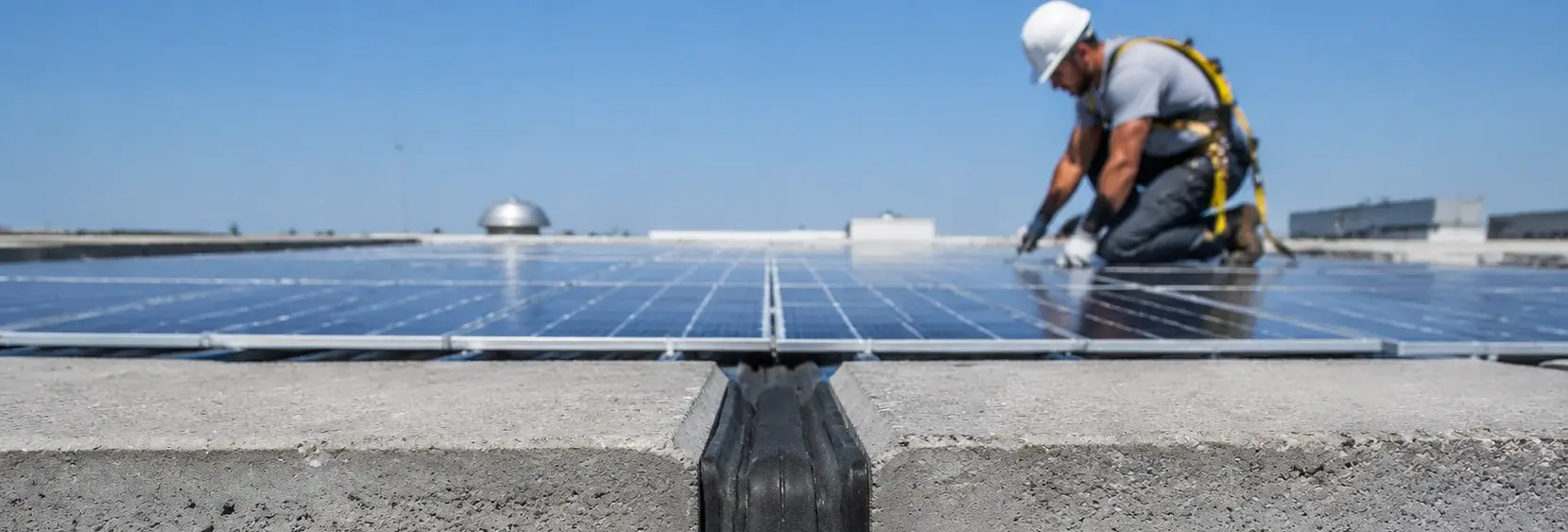
Roof PV Waterproof Seals: Failure Chain and Selection
The 'biggest enemy' of roof PV is not typhoons or blizzards, but leaks. Once the roof leaks – owner complaints, production shutdowns, waterproofing repairs – the repair cost far exceeds the hardware itself. EPDM seal compression set recovery (ASTM D395, 70°C×22h) drops from ≥95% to 60-70% after 5 years of UV aging + temperature cycling, reducing sealing pressure from 0.5MPa to 0.2MPa – below the 0.3MPa water pressure during heavy rain. Thermal expansion coefficient mismatch between profiled steel sheet roofs (12×10⁻⁶/°C) and aluminum clamps (23×10⁻⁶/°C) causes relative displacement, accelerating seal aging and reducing lifespan from designed 10 years to 3-5 years.
RISK AUDIT // ENGINEERING DIAGNOSIS
Purchasing Pitfall Guide
"Field failures that catch purchasers off guard"
QC-AUDIT // REV.5
SCALE 1:1 · 03 ITEMS
RISK-01
Seal Compression Set Recovery Degradation Leading to Leaks
Corrective Measures
RISK-02
Different Roof Types Require Different Sealing Solutions
Corrective Measures
RISK-03
Seal Aging Cycle Mismatches PV's 25-Year Lifespan
Corrective Measures
FIELD-SPECIFIC INSIGHT
Critical Checkpoints for Roof PV Seal Procurement
The most overlooked engineering difference in roof PV sealing is the combined effect of compression set and thermal expansion. Even if initial sealing is perfect, mismatched thermal expansion between roof and clamp can cause relative displacement, accelerating compression set and leading to leaks within 3-5 years instead of the designed 10 years.
WHAT TO CHECK
- 1EPDM seal compression set recovery (ASTM D395, 70°C×22h) must be ≥95% initially; after 5 years UV aging, it drops to 60-70% – specify accelerated aging test results in procurement.
- 2Thermal expansion coefficient mismatch: steel roof 12×10⁻⁶/°C vs aluminum clamp 23×10⁻⁶/°C – for a 3m clamp, summer 70°C to winter -10°C causes relative displacement per year; specify seal width and thickness to accommodate this movement.
- 3Sealing pressure must remain above 0.3MPa (heavy rain water pressure) throughout life; if compression set reduces pressure to 0.2MPa, leaks occur – require compression set data at 70°C×22h and after UV aging.
- 4Different roof types need different seals: profiled steel sheets require EPDM+butyl+silicone three-layer; clay tiles need curved custom gaskets; concrete roofs need polyurethane sealant – do not use one-size-fits-all.
- 5Seal lifespan must match PV system 25-year design: ordinary PVC hardens in 3-5 years, butyl tape loses adhesion in 8-10 years – specify aviation-grade EPDM or butyl for 25+ year life in coastal/typhoon areas.
| Check | Why it matters | What to specify |
|---|---|---|
| Compression Set Recovery (ASTM D395) | Determines long-term sealing pressure; drop below 0.3MPa causes leaks | Require ≥95% initial, and test after 1000h UV aging; request data sheet |
| Thermal Expansion Compatibility | Mismatch between roof and clamp causes relative displacement, accelerating seal wear | Calculate max displacement per year; specify seal width and thickness to accommodate movement |
| Seal Material and Roof Type Match | Wrong seal for roof type leads to adhesion failure or insufficient contact | Profiled steel: EPDM+butyl+silicone; clay tile: curved custom gasket; concrete: polyurethane sealant |
| Aging Resistance and Lifespan | Seal aging before PV end-of-life forces costly retrofit | For 25-year life, specify aviation-grade EPDM or butyl with salt spray resistance 3000h (coastal) |
All data from page content. For specific project conditions, request material certificates and accelerated aging test reports from supplier.
Evidence level: source-page-only
INDUSTRY TECH REFERENCE
Three Waterproofing Layers, Three Jobs: Adhesion, Compression, Coverage
The three layers used at penetration points are not triple redundancy — each works by a different mechanism, and no single layer carries the full life alone.
Butyl tape works by “adhesive sealing”: it bonds to the roof surface and covers large areas; its weakness is UV and thermal-cycle aging, so it needs periodic re-gluing. EPDM strip works by “compression sealing”: the washer seals the hole through compression when the bolt is tightened; its weakness is over-tightening — torque limits M8 ≤15 / M10 ≤25 N·m, because crushing the washer leaks instead. Silicone sealant works by “coverage sealing”: paired with a stainless waterproof flange, the flange spreads the pressure and the adhesive adds a second barrier. Three layers, three failure modes — verify each against its own spec.
The three tier lifespans (butyl 3–5 yrs / EPDM 10–15 yrs / flange+silicone 15–20 yrs) are magnitude estimates (KB §6); lifespan comparison is not expanded in the body; the torque limits M8 ≤15 / M10 ≤25 N·m follow the KB (§2.5 L47).
INDUSTRY TECH REFERENCE
The Butyl Tape Aging Chain: From UV to Rainy-Season Ingress
Example: economy-tier penetration sealing with expansion bolt + butyl tape. The problem is never the first rain — it is aging without action at the deadline.
- 1Butyl tape bonds to the roof surface and provides large-area cover sealing
- 2UV and thermal cycling age it continuously — the economy tier is designed for about 3–5 years (magnitude estimate)
- 3Miss the re-gluing deadline: bond strength at the overlaps drops and the tape starts to detach
- 4The detached seam becomes a water path, and rain seeps into the roof deck along the lap joint
- 5The end result: sealing and waterproofing parts top the list of rooftop PV customer complaints — leaks
The 3–5 year economy-tier life is a magnitude estimate (KB §6); UV + thermal-cycle aging and periodic re-gluing follow the KB (§2.5 L46); the top-complaint ranking follows the §2.5 section title (L42).
PLAN COMPARISON
Three-Plan Core Parameter Comparison
Compare row by row. Click column headers to jump to plan details.
| A · Plan A · Standard Waterproofing for Profiled Steel Sheet Roofs | B · Plan B · Waterproofing for Clay Tile/Concrete Roofs | C · Plan C · Extreme Climate/High-Spec Waterproofing | |
|---|---|---|---|
| 1. WATERPROOF STRIP | |||
| SPEC | Width 10-30mm Thickness 3mm | Custom curvature per tile type | Width 15-40mm |
| MATERIAL | EPDM Rubber | EPDM Rubber | EPDM Rubber |
| GRADE | Temperature -40~120°C Black | White/Red Temperature -60~200°C | Salt Spray Resistance 3000h |
| FINISH | HDG >=55um per ISO 1461 | HDG >=55um per ISO 1461 | HDG >=55um per ISO 1461 |
| 2. BUTYL WATERPROOF TAPE | |||
| SPEC | Width 30mm/50mm/100mm | 600ml/cartridge | Width 50/100mm |
| MATERIAL | Butyl Rubber | EPDM Rubber | Aviation Grade Butyl Rubber |
| GRADE | Black/Gray | Gray | Aging Resistance 25+ Years |
| FINISH | HDG >=55um per ISO 1461 | HDG >=55um per ISO 1461 | HDG >=55um per ISO 1461 |
| 3. SILICONE SEALANT | |||
| SPEC | 300ml/cartridge | Width 20-50mm | 300ml/cartridge |
| MATERIAL | EPDM Rubber | EPDM | EPDM Rubber |
| GRADE | White/Gray/Black | Black | Movement Capability ±50% |
| FINISH | HDG >=55um per ISO 1461 | HDG >=55um per ISO 1461 | HDG >=55um per ISO 1461 |
| 4. FLAT WASHER | |||
| SPEC | M8/M10/M12 | M8-M12 × Wide Type | M8-M12 |
| MATERIAL | EPDM+304 Stainless Steel | 304 Stainless Steel + EPDM | 316L + EPDM |
| GRADE | IP65 | A2-70 | IP68 |
| FINISH | HDG >=55um per ISO 1461 | HDG >=55um per ISO 1461 | HDG >=55um per ISO 1461 |
| 5. ALUMINUM FOIL BUTYL TAPE | |||
| SPEC | Width 50mm | Width 100mm | / |
| MATERIAL | Butyl Rubber + Aluminum Foil | PVC + Butyl | / |
| GRADE | Reflective Insulation | Gray | / |
| FINISH | HDG >=55um per ISO 1461 | HDG >=55um per ISO 1461 | HDG >=55um per ISO 1461 |
SELECTION GUIDE
Still Unsure Which Seal Plan Fits Your Roof?
| Operating condition | Recommended option | Key basis |
|---|---|---|
| Profiled steel sheet industrial roof (trapezoidal/angle purlin, bolt penetration points <=1000) | Plan A: Standard 3-layer waterproofing - butyl tape on roof around hole (50mm) + EPDM washer + silicone over nail head (+5mm periphery); EPDM strip 10-30mm x 3mm, butyl 30/50/100mm, silicone 300ml | Three-layer redundancy: if any single layer fails, the other two still maintain the seal |
| Clay tile / concrete roof (irregular surfaces) | Plan B: curved-custom silicone rubber gasket (per tile type) + polyurethane sealant (600ml) + reinforced strip (20-50mm) + wide A2-70 waterproof washer | Standard EPDM washer contacts curved surface <50%; polyurethane has stronger adhesion than silicone for concrete |
| Coastal / typhoon / high-rainfall area, 25-year life requirement | Plan C: aviation-grade seals - EPDM strip (salt spray resistance 3000h), aviation-grade butyl tape (aging resistance 25+ years), structural silicone (movement capability +-50%), 316L + EPDM washer (IP68) | Ordinary PVC hardens in 3-5 years, butyl loses adhesion in 8-10 years; seal aging must match PV's 25-year lifespan |
| EPDM seal under 5 years of UV aging + temperature cycling | Specify compression set recovery >=95% initially (ASTM D395, 70C x 22h) and verify after 1000h UV aging test | Recovery drops to 60-70%, sealing pressure falls 0.5MPa->0.2MPa, below the 0.3MPa heavy-rain water pressure - causing leaks |
| Thermal expansion mismatch between steel roof and aluminum clamp (summer 70C to winter -10C) | Specify seal width and thickness to accommodate the annual relative displacement (about 5mm for a 3m clamp) | Steel roof 12x10^-6/C vs aluminum clamp 23x10^-6/C differs >40%, shortening lifespan from designed 10 years to 3-5 years |
Plan A · Standard Waterproofing for Profiled Steel Sheet Roofs
C3 (ISO 12944-2)
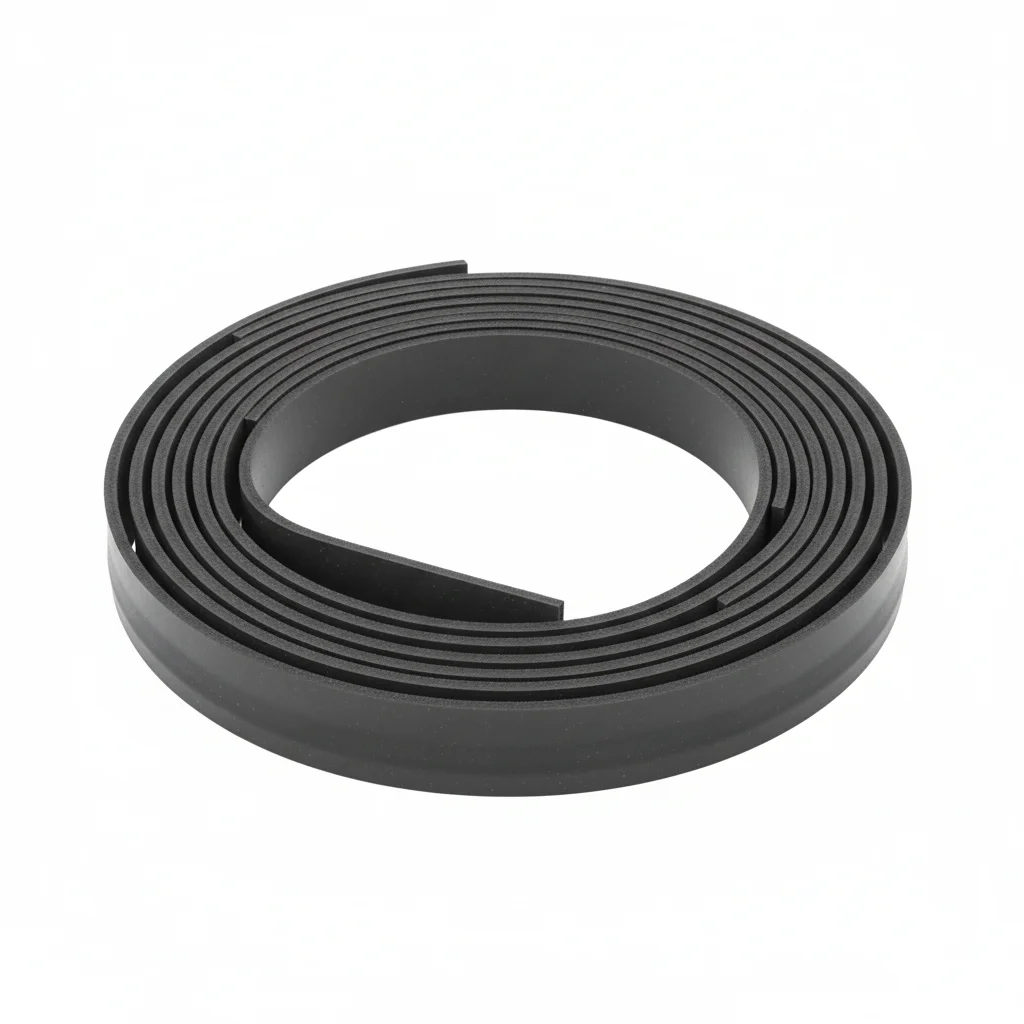
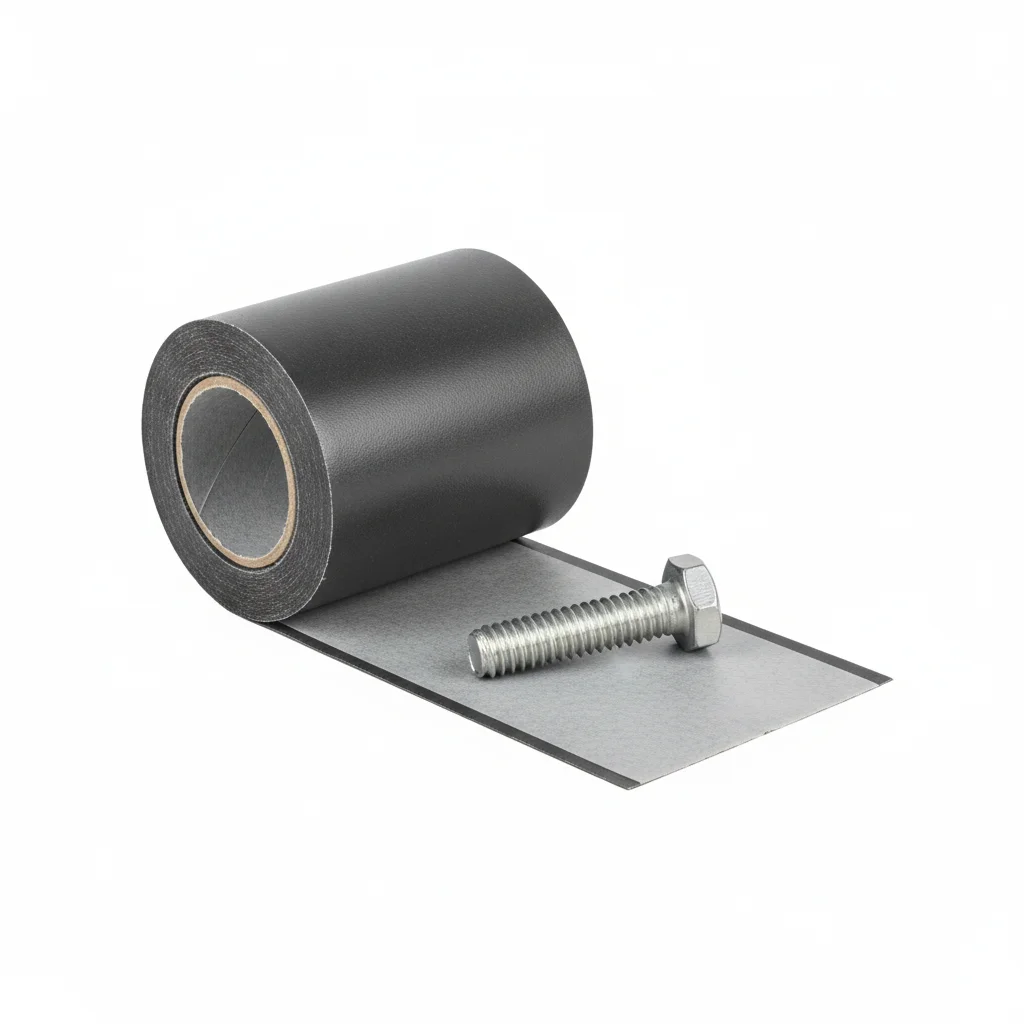
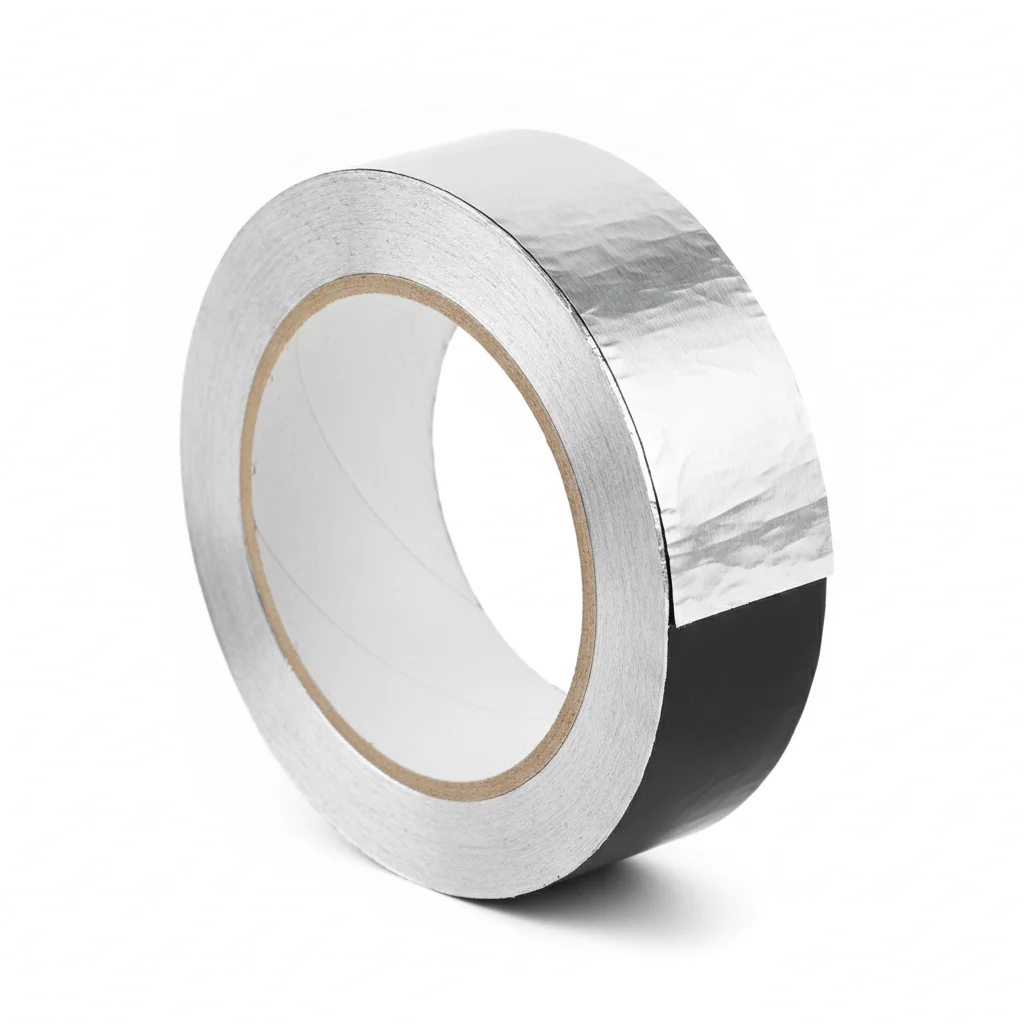
| Waterproof Strip | Butyl Waterproof Tape | Silicone Sealant | Flat Washer | Aluminum Foil Butyl Tape | |
|---|---|---|---|---|---|
| SPEC | Width 10-30mm Thickness 3mm | Width 30mm/50mm/100mm | 300ml/cartridge | M8/M10/M12 | Width 50mm |
| MATERIAL | EPDM Rubber | Butyl Rubber | EPDM Rubber | EPDM+304 Stainless Steel | Butyl Rubber + Aluminum Foil |
| GRADE | Temperature -40~120°C Black | Black/Gray | White/Gray/Black | IP65 | Reflective Insulation |
| FINISH | HDG >=55um per ISO 1461 | HDG >=55um per ISO 1461 | HDG >=55um per ISO 1461 | HDG >=55um per ISO 1461 | HDG >=55um per ISO 1461 |
| CORROSION | C3 (ISO 12944-2) | C3 (ISO 12944-2) | Not applicable (polymer) | C3 (ISO 12944-2) | C3 (ISO 12944-2) |
| TEMP | -20°C to +80°C | -20°C to +80°C | -20°C to +80°C | -20°C to +80°C | -20°C to +80°C |
| WEIGHT | ~0.5 kg/piece | ~0.5 kg/piece | ~0.5 kg/piece | ~0.5 kg/piece | ~0.5 kg/piece |
| MOQ | 100 pcs | 100 pcs | 100 pcs | 100 pcs | 100 pcs |
| PACK | VCI paper + carton | VCI paper + carton | VCI paper + carton | VCI paper + carton | VCI paper + carton |
| STD | ISO 898-1, GB/T 3098.1 | ISO 898-1, GB/T 3098.1 | ISO 898-1, GB/T 3098.1 | ISO 898-1, GB/T 3098.1 | ISO 898-1, GB/T 3098.1 |
| USE | Seal for bolt penetration points | Sealing around roof penetration points | Cover seal for nail heads | Seal between clamp and roof | Extra protection for high-temperature roof areas |
PROCEDURE
- Clean the profiled steel sheet around each bolt penetration point (50mm range) with a solvent to remove oil and dust, ensuring the butyl tape adheres fully.
- Apply butyl tape on the roof surface around the hole, covering a 50mm range, then position the EPDM waterproof strip over the tape.
- Insert the bolt with the EPDM waterproof washer, align the clamp, and tighten to the specified torque (e.g., M8: 25 Nm) using a calibrated wrench.
- After tightening, apply silicone sealant over the nail head, covering the head plus a 5mm periphery, and smooth it to form a continuous seal.
- Inspect each penetration point visually; verify the sealant covers fully and the EPDM strip is compressed evenly around the bolt.
COMMON ERRORS
| ✕ WRONG | CONSEQUENCE | ✓ CORRECT |
|---|---|---|
| Using silicone sealant directly on the steel sheet without butyl tape base layer | Silicone adhesion to steel is poor; within 3 years it debonds, exposing the penetration point to water ingress. | Apply butyl tape as the first layer on the steel sheet, then use silicone only as a top cover over the nail head. |
| Overtightening the bolt, crushing the EPDM strip beyond its elastic limit | EPDM compression set accelerates, reducing sealing pressure below 0.2MPa and causing leaks during heavy rain. | Tighten to the torque specified for the bolt size (e.g., M8: 25 Nm), ensuring the EPDM is compressed but not overstressed. |
MAINTENANCE
Seasonally, inspect bolt penetration points for sealant cracking or EPDM hardening; after heavy rain or at each overhaul window, check for water stains. Every 5 years, conduct an infrared thermal scan of the roof; a temperature difference >3°C at a penetration point indicates seepage and requires resealing. Replace any seal showing compression set or loss of elasticity.
Plan B · Waterproofing for Clay Tile/Concrete Roofs
C4 Harsh per ISO 12944-2
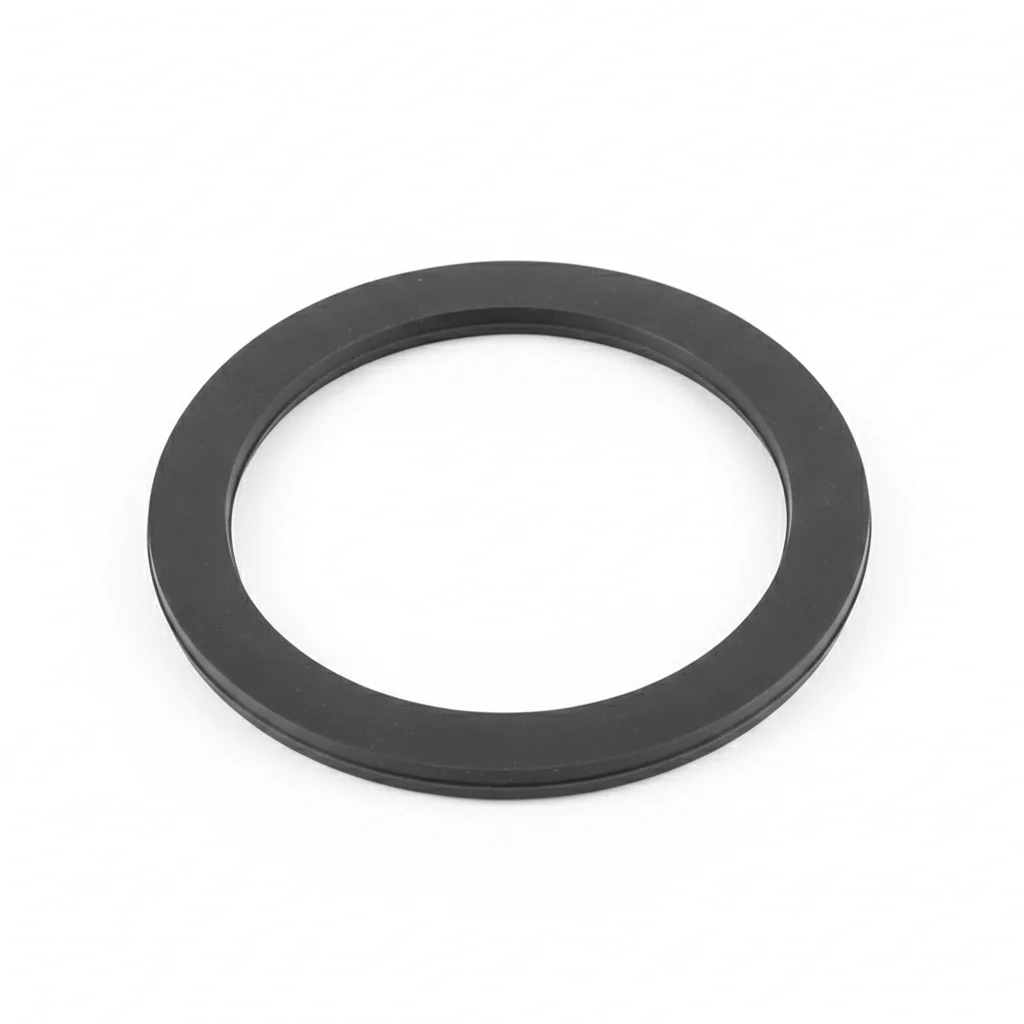
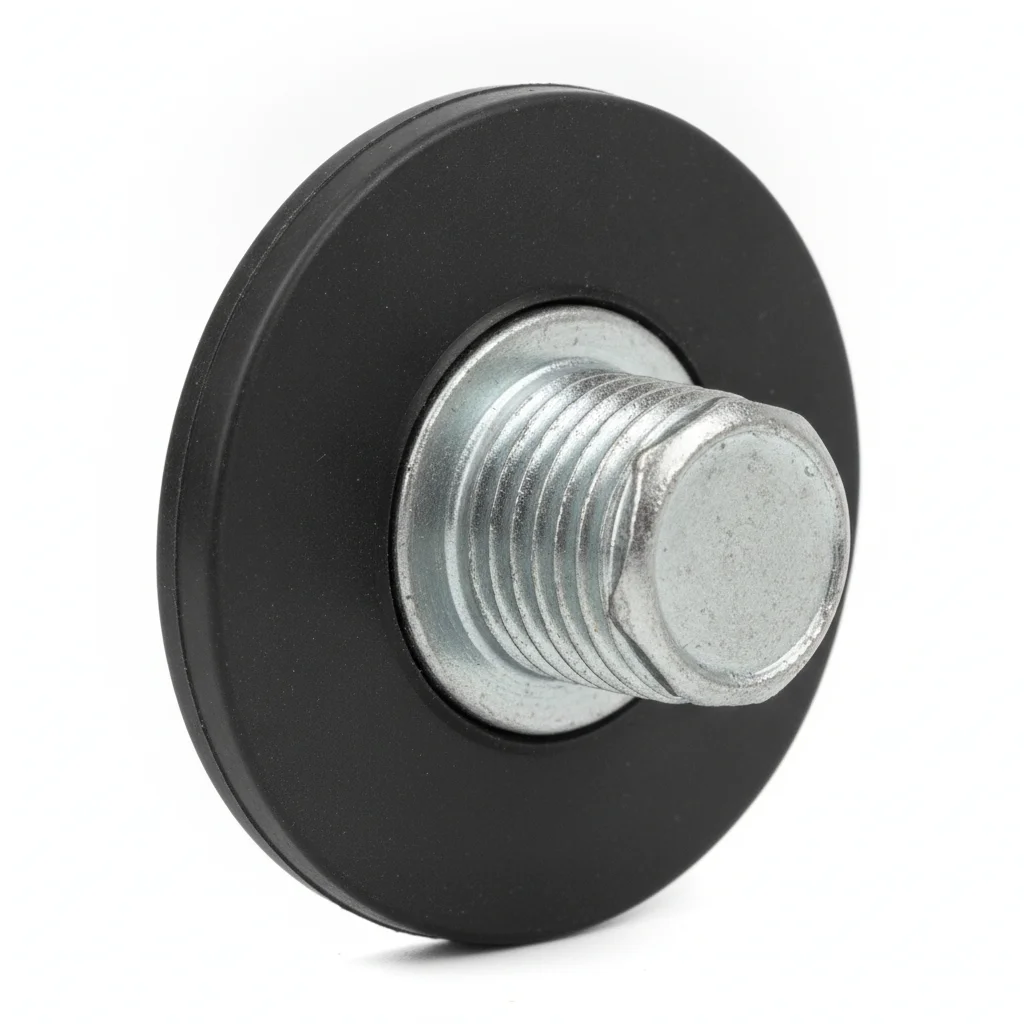
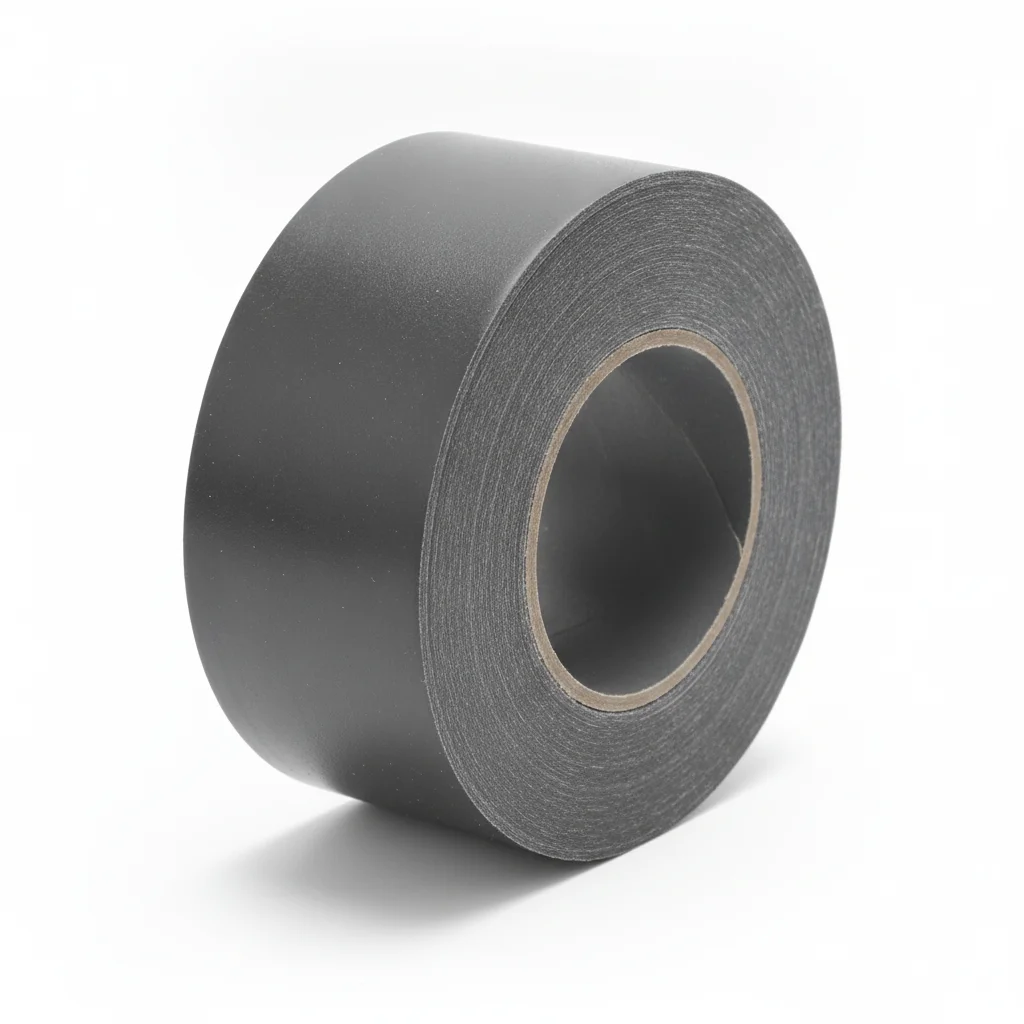
| Silicone Rubber Waterproof Gasket (Curved Custom) | Polyurethane Sealant | Reinforced Strip | Waterproof Washer | Waterproof Membrane Repair Tape | |
|---|---|---|---|---|---|
| SPEC | Custom curvature per tile type | 600ml/cartridge | Width 20-50mm | M8-M12 × Wide Type | Width 100mm |
| MATERIAL | EPDM Rubber | EPDM Rubber | EPDM | 304 Stainless Steel + EPDM | PVC + Butyl |
| GRADE | White/Red Temperature -60~200°C | Gray | Black | A2-70 | Gray |
| FINISH | HDG >=55um per ISO 1461 | HDG >=55um per ISO 1461 | HDG >=55um per ISO 1461 | HDG >=55um per ISO 1461 | HDG >=55um per ISO 1461 |
| CORROSION | Not applicable (polymer) | Not applicable (polymer) | C3 (ISO 12944-2) | C3 (ISO 12944-2) | C3 (ISO 12944-2) |
| TEMP | -20°C to +80°C | -20°C to +80°C | -20°C to +80°C | -20°C to +80°C | -20°C to +80°C |
| WEIGHT | ~0.5 kg/piece | ~0.5 kg/piece | ~0.5 kg/piece | ~0.5 kg/piece | ~0.5 kg/piece |
| MOQ | 100 pcs | 100 pcs | 100 pcs | 100 pcs | 100 pcs |
| PACK | VCI paper + carton | VCI paper + carton | VCI paper + carton | VCI paper + carton | VCI paper + carton |
| STD | ISO 898-1, GB/T 3098.1 | ISO 898-1, GB/T 3098.1 | ISO 898-1, GB/T 3098.1 | ISO 898-1, GB/T 3098.1 | ISO 898-1, GB/T 3098.1 |
| USE | Dedicated seal for clay tiles | Sealing for concrete/tile roofs | Sealing for large displacement expansion joints | Bolt penetration points on concrete roofs | Repair for concrete waterproof layer |
PROCEDURE
- Degrease tile surface with acetone; ensure roughness Ra <3.2um.
- Apply curved-specific silicone gasket matched to tile curvature; position over penetration.
- Apply polyurethane sealant around gasket perimeter, filling any gaps.
- Tighten waterproof washer (M8-M12, 304SS+EPDM) to compress gasket evenly.
- Verify seal contact; apply additional polyurethane over washer edges for redundancy.
COMMON ERRORS
| ✕ WRONG | CONSEQUENCE | ✓ CORRECT |
|---|---|---|
| Using standard EPDM washer on curved clay tile | Contact area <50%, rainwater seeps through gaps | Use curved-specific silicone gasket customized to tile curvature |
| Applying silicone sealant on porous concrete | Poor adhesion, debonding within 3 years | Use polyurethane sealant which adheres strongly to concrete |
MAINTENANCE
Inspect seasonally and after heavy storms; check for sealant cracks or gasket displacement. Replace any sealant showing powdering or peeling. For concrete roofs, inspect waterproof membrane tape annually for lifting edges.
Plan C · Extreme Climate/High-Spec Waterproofing
C5-M Extreme per ISO 12944-2
| Aviation-Grade EPDM Seal Strip | Aviation-Grade Butyl Tape | Structural Grade Silicone Sealant | Waterproof Washer | Infrared Thermal Imaging Inspection Service | |
|---|---|---|---|---|---|
| SPEC | Width 15-40mm | Width 50/100mm | 300ml/cartridge | M8-M12 | / |
| MATERIAL | EPDM Rubber | Aviation Grade Butyl Rubber | EPDM Rubber | 316L + EPDM | / |
| GRADE | Salt Spray Resistance 3000h | Aging Resistance 25+ Years | Movement Capability ±50% | IP68 | / |
| FINISH | HDG >=55um per ISO 1461 | HDG >=55um per ISO 1461 | HDG >=55um per ISO 1461 | HDG >=55um per ISO 1461 | HDG >=55um per ISO 1461 |
| CORROSION | Not applicable (polymer) | C3 (ISO 12944-2) | Not applicable (polymer) | C3 (ISO 12944-2) | C3 (ISO 12944-2) |
| TEMP | -20°C to +80°C | -20°C to +80°C | -20°C to +80°C | -20°C to +80°C | -20°C to +80°C |
| WEIGHT | ~0.5 kg/piece | ~0.5 kg/piece | ~0.5 kg/piece | ~0.5 kg/piece | ~0.5 kg/piece |
| MOQ | 100 pcs | 100 pcs | 100 pcs | 100 pcs | 100 pcs |
| PACK | VCI paper + carton | VCI paper + carton | VCI paper + carton | VCI paper + carton | VCI paper + carton |
| STD | ISO 898-1, GB/T 3098.1 | ISO 898-1, GB/T 3098.1 | ISO 898-1, GB/T 3098.1 | ISO 898-1, GB/T 3098.1 | ISO 898-1, GB/T 3098.1 |
| USE | Roof sealing in coastal typhoon areas | Long-life roof sealing | Sealing for very large displacement expansion joints | Offshore platforms/Coastal C5 roofs | Recommended infrared leak scan every 5 years |
PROCEDURE
- Clean surfaces with MEK; verify roughness Ra <1.6um.
- Apply aviation-grade EPDM strip with salt spray resistance 3000h; position over penetration.
- Cover with aviation-grade butyl tape (aging resistance 25+ years) for primary seal.
- Apply structural silicone sealant (±50% movement capability) as top cover.
- Use IP68 waterproof washer (316L+EPDM) for final compression; ensure full coverage.
COMMON ERRORS
| ✕ WRONG | CONSEQUENCE | ✓ CORRECT |
|---|---|---|
| Using standard EPDM strip in coastal typhoon area | Salt spray accelerates aging, causing leaks within 5 years | Specify aviation-grade EPDM with salt spray resistance 3000h |
| Skipping infrared scan after installation | Undetected leak points lead to costly repairs | Schedule infrared thermal imaging scan every 5 years to identify temperature anomalies >3°C |
MAINTENANCE
Perform infrared thermal imaging scan at each 5-year overhaul window; check for temperature differences >3°C indicating seepage. Inspect seals visually for cracks or hardening, especially after typhoon seasons. Replace any compromised seals promptly to maintain 25+ year lifespan.
REFERENCED STANDARDS
Referenced Standards & Authoritative References
Standard for movement capability and durability testing of silicone and polyurethane sealants.
Standard Test Methods for Vulcanized Rubber and Thermoplastic Elastomers—TensionTesting for tensile strength and elongation of EPDM strips.
Standard Test Methods for Rubber Property—Compression SetStandard for evaluating the rebound capability of EPDM seals under long-term compression.
Silicone and modified silicone building sealantsDomestic quality standard for silicone sealants.
Sealants for non-structural use in joints in buildingsEuropean harmonized standard for building sealants.
Standard Specification for Sponge RubberSUPPLIER CAPABILITY
Quality, Delivery & Customization
Quality Control
- ✓MTC material certificates with every batch
- ✓Key parts sampled for hardness/salt spray/torque coefficient
- ✓100% inspection or AQL sampling before shipment
Delivery
- ✓Standard parts made to order: 7-15 days
- ✓Custom parts: 25-45 days
- ✓FOB/CIF/DDP supported
Customization
- ✓Drawing review and material matching
- ✓Non-standard sizes/heads/threads
- ✓Small-batch prototyping supported
Certification
- ✓Material certificates (MTC)
- ✓Spectrographic analysis reports
- ✓Salt spray test reports (on request)
MOQ: No MOQ for standard parts; custom parts assessed by process complexity
FAQ
FAQ
RELATED READING
Keep Reading & Next Step
BEYOND TECHNICAL SPECS
Finding the right factory, controlling quality, delivering on time — that's the real challenge. We cover fasteners, rubber, plastics, industrial textiles. One team, end to end.
SEE CAPABILITIES →