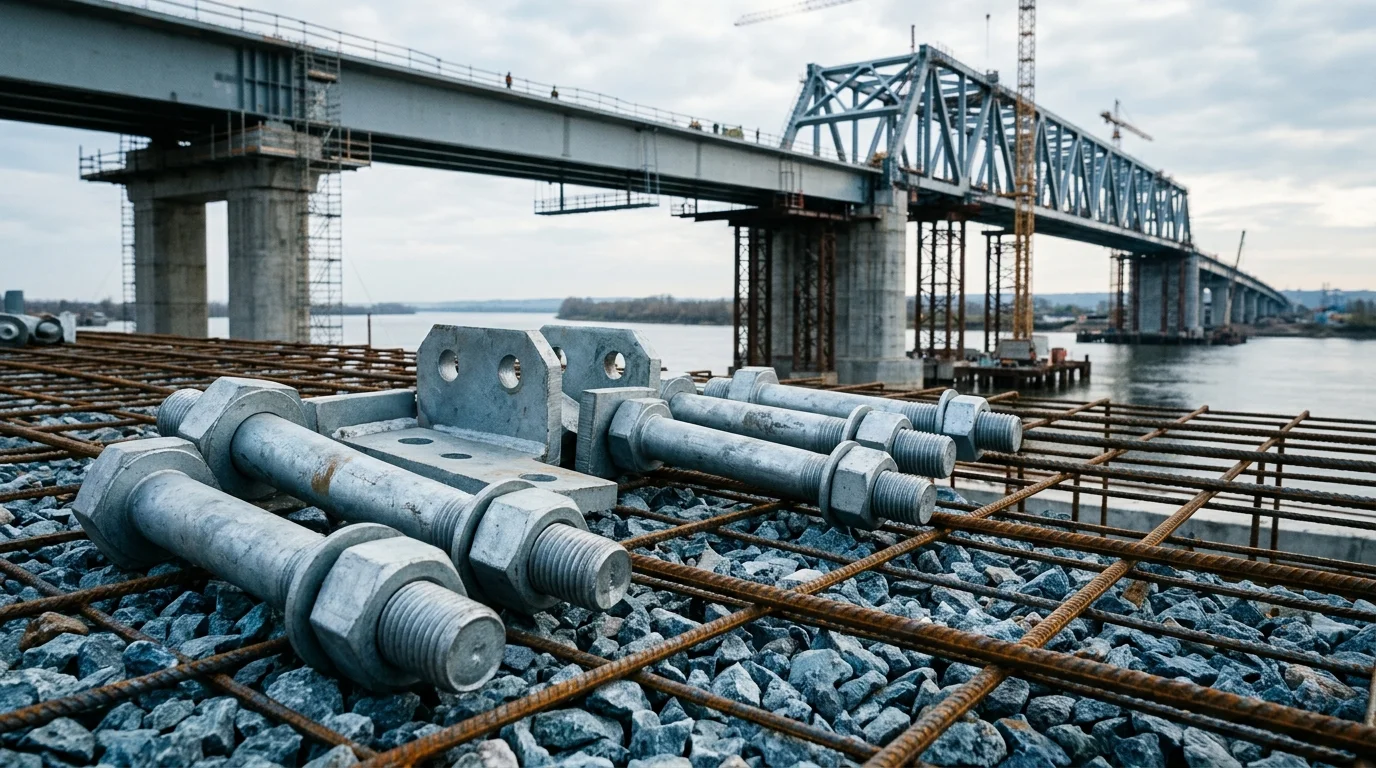
Wind Turbine Flange Bolts: Onshore vs Offshore Solutions
Flange bolts connect tower sections under cyclic wind loads. Onshore C3 environments use Dacromet-coated grade 10.9 bolts with torque wrench installation. Offshore C5-M environments require zinc-nickel+PTFE coatings and hydraulic tensioners to control preload scatter. Compare material, coating, and maintenance plans to match your wind farm class
RISK AUDIT // ENGINEERING DIAGNOSIS
Procurement Pitfall Guide
"Tower flange joints fail in the field when preload scatter, coating breakdown, and vibration loosening are left unchecked."
QC-AUDIT // REV.5
SCALE 1:1 · 03 ITEMS
RISK-01
Torque coefficient fluctuation leads to scattered flange preload
Corrective Measures
RISK-02
Coating blistering and rusting on tower flange surfaces in marine atmosphere
Corrective Measures
RISK-03
Continuous preload loss of flange bolts under tower resonance frequency
Corrective Measures
FIELD-SPECIFIC INSIGHT
Coating and Preload: Key Differences Between Onshore and Offshore Flange Bolts
The choice between onshore and offshore flange bolt plans hinges on two factors: coating corrosion resistance and preload control method. Onshore C3 environments allow Dacromet coating (≥8μm, salt spray ≥1000h) and torque wrench installation (±25% accuracy). Offshore C5-M environments demand zinc-nickel+PTFE (≥12μm, salt spray ≥2000h) and hydraulic tensioners (±3% accuracy) to minimize preload scatter. The wrong combination can lead to fretting wear, preload loss, and connection failure within 5 years
WHAT TO CHECK
- 1Coating thickness: Dacromet ≥8μm for C3 onshore; zinc-nickel+PTFE ≥12μm for C5-M offshore. Thicker coating extends salt spray resistance from 1000h to 2000h
- 2Preload method: Torque wrench (±25% accuracy) is acceptable for onshore; hydraulic tensioner (±3% accuracy) is required offshore to keep preload scatter below 10%
- 3Anti-loosening: Wedge lock washers (EN 14399-6) are recommended for critical flanges in both plans; double nuts are sufficient for standard onshore projects
- 4Maintenance frequency: Onshore annual torque check on 100% bolts
| Check | Why it matters | What to specify |
|---|---|---|
| Coating system | Determines corrosion life in given environment. Dacromet fails in C5-M within 5 years | Specify coating type, minimum thickness, and salt spray test hours per ISO 9227 |
| Preload control method | Torque wrench has ±25% accuracy leading to preload scatter; hydraulic tensioner achieves ±3% reducing scatter and fretting wear | Specify installation method and target preload (e. G. , 350kN for M36) |
| Anti-loosening device | Wedge lock washers prevent loosening under transverse vibration; double nuts may not suffice for critical flanges | Specify wedge lock washers per EN 14399-6 for flanges with high vibration |
| Maintenance interval | Offshore environment accelerates corrosion and preload loss; more frequent inspection catches issues early | Specify inspection frequency, torque check percentage, and UT schedule per project life |
All parameters are based on the page's standard references (EN 14399, IEC 61400). Actual project specifications must be verified with the turbine manufacturer
Evidence level: standard-backed
INDUSTRY TECH REFERENCE
How Much Harsher Is Offshore Salt Spray
The coating system follows the wind farm site: read the corrosivity class first, then choose the coating scheme.
The 5–10× corrosion ratio and the 5–8-year hot-dip zinc life are magnitude estimates; corrosivity class and Cl⁻ deposition follow ISO 9223.
INDUSTRY TECH REFERENCE
Flange Bolts Compared: Onshore 3–6 MW vs Offshore 8–16 MW
Even for the same tower flange, onshore and offshore machines differ clearly in bolt size, preload, and design life. Check this table before sourcing parts or service consumables.
| Item | Onshore mainstream (3–6 MW) | Offshore mainstream (8–16 MW) |
|---|---|---|
| Tower base flange diameter | 4–5 m | 5–6 m |
| High-strength bolts per turbine | 800–1200 | 1500–2500 |
| Tower flange bolts | M36–M48 | M48–M64 |
| Preload per base bolt | 800–1200 kN | 1200–1500 kN |
| Design life | 20–25 years | 25–30 years |
Figures are industry-level magnitudes (KB §1, marked as magnitude); re-check against the turbine design values.
INDUSTRY TECH REFERENCE
The Preload-Drop Chain: From Embedding Relaxation to Brittle Fracture
Almost every flange-bolt failure starts with lost preload. The way this chain runs dictates the inspection and retightening schedule.
- 1Fresh flange: embedding relaxation in the first 100 hours drops preload by 10–15% (magnitude estimate)
- 2In service: high stress, vibration, and temperature swings combine to lose 5–10% of preload per year (magnitude estimate)
- 3Insufficient preload → the flange face opens slightly → rainwater seeps into the gap
- 4Corrosion inside the gap → reduced effective cross-section → higher local stress
- 5Fatigue cracks start at the thread root or surface defects → brittle fracture with no warning
The 10–15% embedding relaxation and the 5–10% annual drop are magnitude estimates.
INDUSTRY TECH REFERENCE
Retightening and Ultrasonic Sampling Practice for Flange Bolts
Retightening timing and sampling ratios are acceptance criteria written into the maintenance manual — put them into the service agreement when you purchase.
- Retighten 72–100 h after installation (recommended); then follow the OEM manual's annual inspection — early retightening plus annual checks is industry practice
- Ultrasonic-sample 10% of the flange bolts each year (recommended); if residual preload is below 70% of nominal, retighten the full ring (recommended)
- Always retighten with a hydraulic tensioner, not a torque wrench
The 72–100 h window, 10% sampling ratio, and 70% threshold are recommended values.
PLAN COMPARISON
Three-Plan Core Parameter Comparison
Compare row by row. Click column headers to jump to plan details.
| A · Plan A · Onshore Wind Standard Type | B · Plan B · Offshore Wind Reinforced Type | C · Plan C · Offshore Wind Flagship Type | |
|---|---|---|---|
| 1. HEAVY HEX BOLT | |||
| SPEC | M36×260 ~ M48×360 | M36×260 ~ M48×360 | M36×260 ~ M48×360 |
| MATERIAL | 42CrMoA + Dacromet | 42CrMoA + Dacromet | 42CrMoA + Hot-dip galvanizing + Dacromet + sealant layer |
| GRADE | Grade 10.9 | Grade 10.9 | Grade 10.9 |
| FINISH | Dacromet 500,≥8μm,salt spray≥1000h | Zinc-nickel+PTFE,≥12μm,salt spray≥2000h | Zinc-nickel+PTFE,-50°C rated,≥15μm |
| 2. HEAVY HEX NUT | |||
| SPEC | M36 ~ M48 | M36 ~ M48 | M36 ~ M48 |
| MATERIAL | 35CrMoA + Dacromet | 35CrMoA + Dacromet | 35CrMoA + Hot-dip galvanizing + Dacromet + sealant layer |
| GRADE | Grade 10 | Grade 10 | Grade 10 |
| FINISH | Dacromet 500,≥8μm | Zinc-nickel+PTFE,≥12μm | Zinc-nickel+PTFE,-50°C rated |
| 3. FLAT WASHER | |||
| SPEC | M36 ~ M48 | M36 ~ M48 | M36 ~ M48 |
| MATERIAL | 45# steel + Dacromet | 45# steel + Dacromet | 45# steel + Hot-dip galvanizing + Dacromet |
| FINISH | Dacromet 500,≥8μm,HV300-370 | Zinc-nickel+PTFE,≥12μm | Zinc-nickel+PTFE,-50°C rated |
| 4. WEDGE LOCK WASHER | |||
| SPEC | NL36 ~ NL48 | NL36 ~ NL48 | NL36 ~ NL48 |
| MATERIAL | Carbon steel hardened + Dacromet | Carbon steel hardened + Dacromet | Carbon steel hardened + Dacromet |
| FINISH | Dacromet 500+zinc flake topcoat | Zinc-nickel+PTFE+topcoat | Zinc-nickel+PTFE+topcoat |
SELECTION GUIDE
Not sure which plan to choose?
| Operating condition | Recommended option | Key basis |
|---|---|---|
| Onshore wind farm, C3 environment (tower height ≤120m) | Plan A · Onshore Standard — heavy hex bolt M36×260~M48×360, Grade 10.9, Dacromet coating, double nuts | C3 inland (−30~50°C, ≤50m/s); EN 14399-3, IEC 61400-1 |
| Offshore wind, within 10km of coastline, C5 environment | Plan B · Offshore Reinforced — Grade 10.9 + Dacromet with sealant, wedge lock washers, hydraulic tensioner (±3% accuracy) | C4 offshore (−20~60°C, ≤70m/s); EN 14399-6 |
| Deep sea / extreme C5-M, 25-year maintenance-free | Plan C · Offshore Flagship — hot-dip galvanizing + Dacromet + sealant triple coating, hydraulic tensioner + ultrasonic preload verification | C5-M Arctic (−40~60°C, ≤80m/s, ice loading) |
| Confirm preloading method | Onshore torque wrench (±25% accuracy) vs offshore hydraulic tensioner (±3% accuracy) to control preload scatter | EN 14399-3; target preload approx. 350kN for M36 |
| Confirm anti-loosening requirements | Double nuts for standard projects; add wedge lock washers for critical flanges | EN 14399-6 |
Plan A · Onshore Wind Standard Type
C3 Inland, -30~50°C, ≤50m/s wind
REF: IEC 61400-6, ISO 898-1, GB/T 3098.1
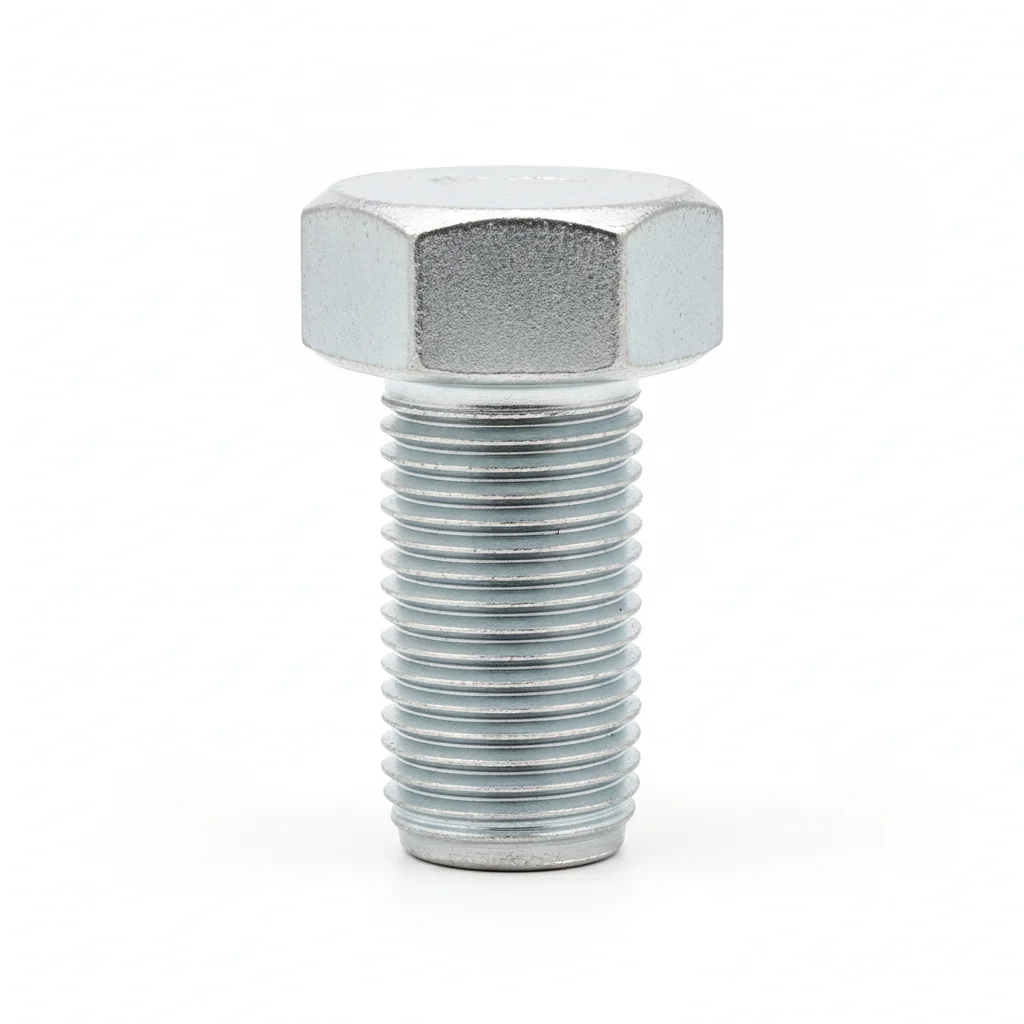
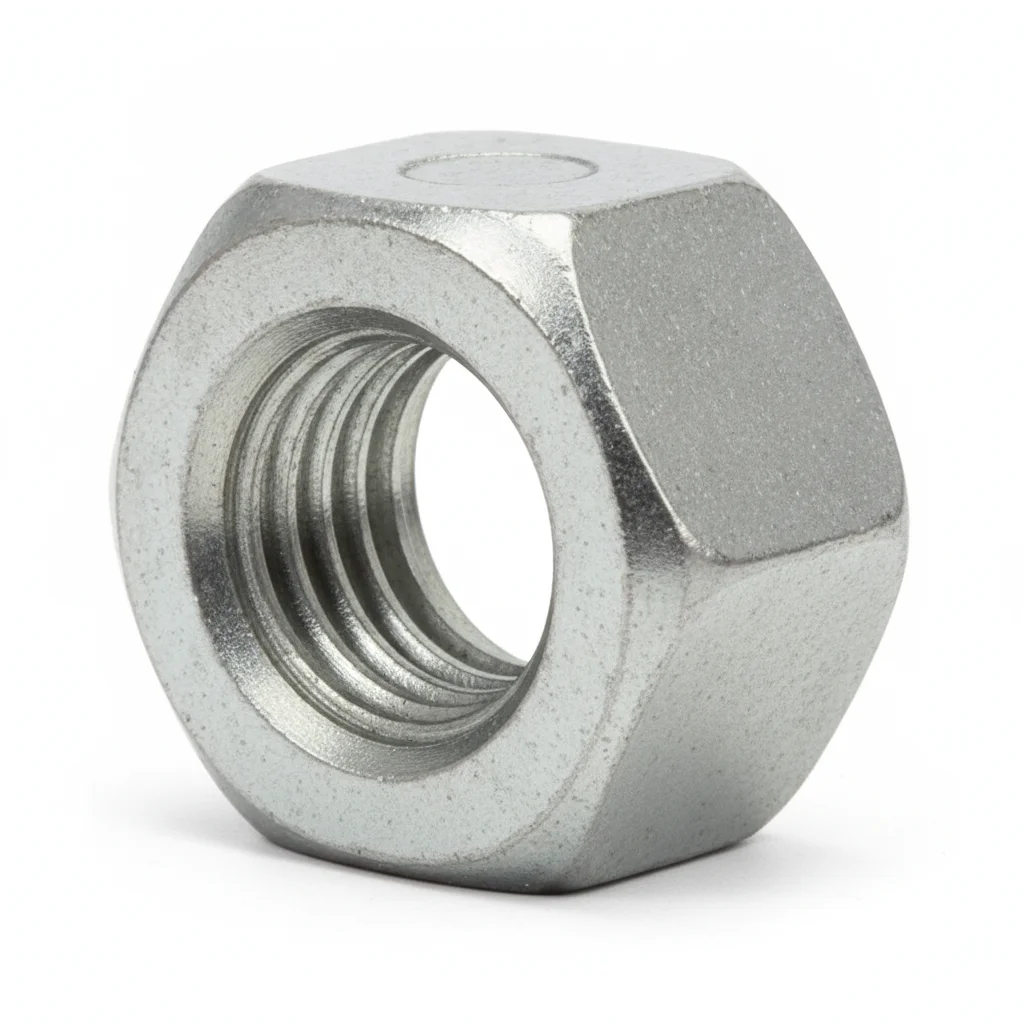
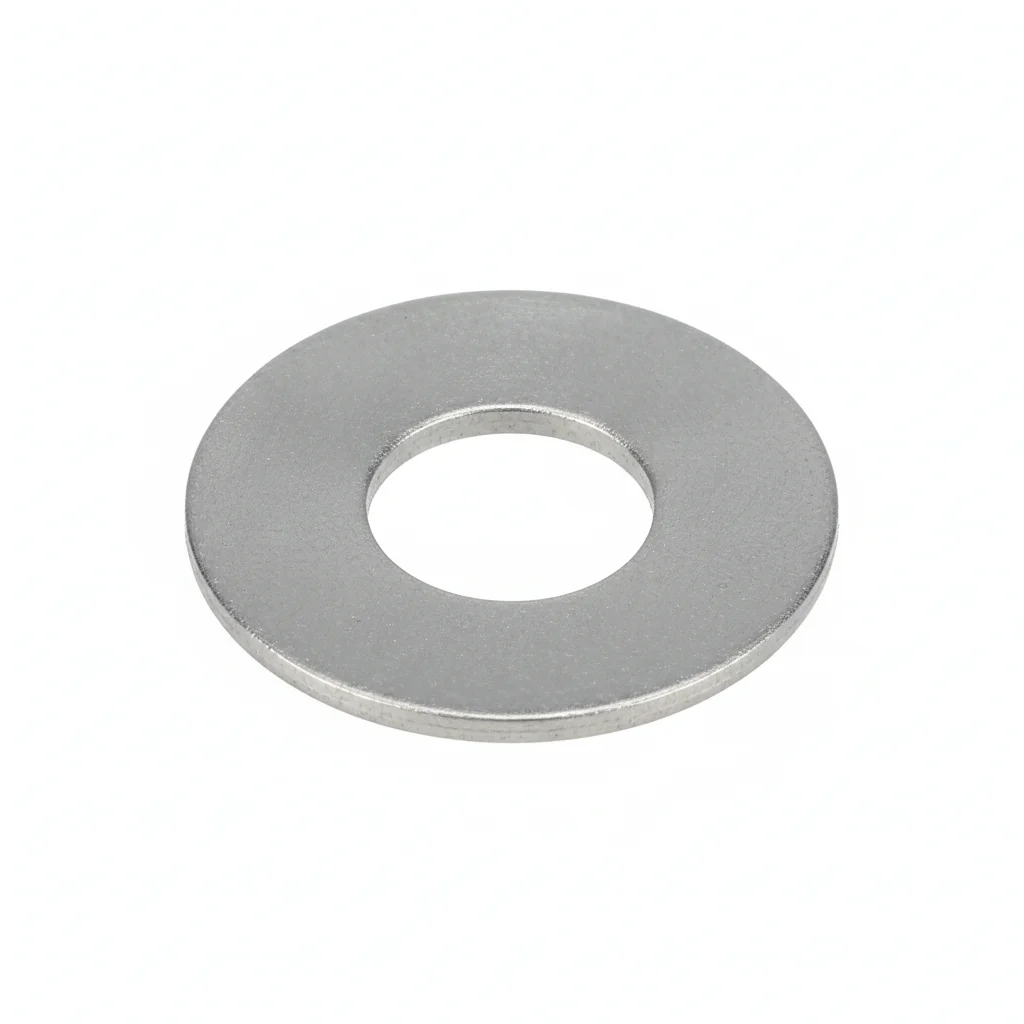
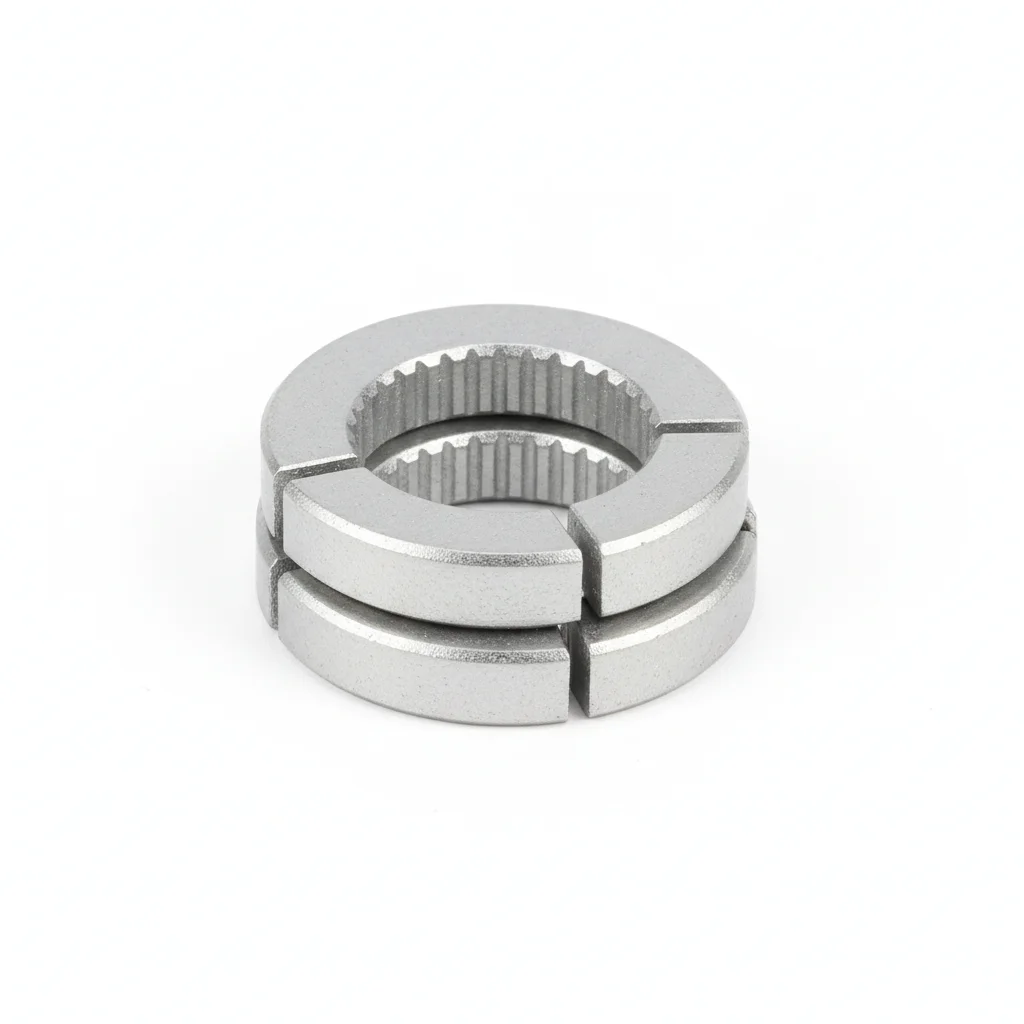
| Heavy Hex Bolt | Heavy Hex Nut | Flat Washer | Wedge Lock Washer | |
|---|---|---|---|---|
| SPEC | M36×260 ~ M48×360 | M36 ~ M48 | M36 ~ M48 | NL36 ~ NL48 |
| MATERIAL | 42CrMoA + Dacromet | 35CrMoA + Dacromet | 45# steel + Dacromet | Carbon steel hardened + Dacromet |
| GRADE | Grade 10.9 | Grade 10 | — | — |
| FINISH | Dacromet 500,≥8μm,salt spray≥1000h | Dacromet 500,≥8μm | Dacromet 500,≥8μm,HV300-370 | Dacromet 500+zinc flake topcoat |
| CORROSION | C3(ISO 12944-2) | C3(ISO 12944-2) | C3(ISO 12944-2) | C3(ISO 12944-2) |
| TEMP | -40°C to +85°C | -40°C to +85°C | -40°C to +85°C | -40°C to +85°C |
| WEIGHT | ~2.5kg(M36×260) | ~0.8kg(M36) | ~0.15kg(M36) | ~0.08kg(NL36) |
| MOQ | 50 pcs | 50 pcs | 100 pcs | 100 pcs |
| PACK | VCI paper+wooden pallet | Plastic bag,50/bag | Plastic bag,100/bag | Plastic bag,100/bag |
| STD | ISO 898-1 10.9,EN 14399-4 | ISO 898-2 Cl.10,EN 14399-4 | ISO 7089,EN 14399-6 | EN 14399-6,DIN 25201-4 |
| USE | Main tower flange connection | Used with bolts | Distribute flange face pressure | Anti-loosening |
PROCEDURE
- Clean flange surfaces. Verify flatness ≤0.5mm over 1m.
- Install bolts with hardened washers. Apply anti-seize to threads.
- Tighten star-pattern. Pass 1:50%, Pass 2:100%. Wait 10min between passes.
- After 48h, re-check 10% of bolts. Re-tension any below 80% preload.
- Apply torque seal marking. Photograph each flange for QA.
COMMON ERRORS
| ✕ WRONG | CONSEQUENCE | ✓ CORRECT |
|---|---|---|
| Tightening sequentially instead of star pattern | Gasket compressed unevenly. Adjacent bolts lose 20-30% preload within 6 months. | Use star-pattern sequence. Document tightening order. |
| Impact wrench for final tightening | Preload scatter ±40%. Over-tightened bolts yield; under-tightened loosen. | Use calibrated hydraulic tensioner (±3%). Record tension per bolt. |
| Skipping 48h re-tension | Bolts relax 5-15% in first 48h. Fatigue life reduced significantly (order-of-magnitude estimate). | Schedule re-tension 48-72h after initial tightening. |
MAINTENANCE
Annual: check 100% flange bolts with calibrated torque wrench (±3% accuracy). Any bolt below 80% of specified preload must be re-tensioned. Replace any bolt with rust spots exceeding 5mm diameter. Every 5yr: ultrasonic testing of 10% bolts for fatigue crack initiation above 0.5mm, focusing on leeward side. Document all torque values with date and inspector ID.
Plan B · Offshore Wind Reinforced Type
C4 Offshore, -20~60°C, ≤70m/s wind, salt spray
REF: IEC 61400-3, ISO 898-1, NORSOK M-001
| Heavy Hex Bolt | Heavy Hex Nut | Flat Washer | Wedge Lock Washer | Anti-loosening Assembly | |
|---|---|---|---|---|---|
| SPEC | M36×260 ~ M48×360 | M36 ~ M48 | M36 ~ M48 | NL36 ~ NL48 | Matching |
| MATERIAL | 42CrMoA + Dacromet | 35CrMoA + Dacromet | 45# steel + Dacromet | Carbon steel hardened + Dacromet | Wedge lock washer + Disc spring |
| GRADE | Grade 10.9 | Grade 10 | — | — | — |
| FINISH | Zinc-nickel+PTFE,≥12μm,salt spray≥2000h | Zinc-nickel+PTFE,≥12μm | Zinc-nickel+PTFE,≥12μm | Zinc-nickel+PTFE+topcoat | Zinc-nickel + PTFE topcoat, ≥12μm |
| CORROSION | C4(ISO 12944-2) | C4(ISO 12944-2) | C4(ISO 12944-2) | C4(ISO 12944-2) | C4 (ISO 12944-2) |
| TEMP | -20°C to +85°C | -20°C to +85°C | -20°C to +85°C | -20°C to +85°C | -20°C to +85°C |
| WEIGHT | ~2.5kg(M36×260) | ~0.8kg(M36) | ~0.15kg(M36) | ~0.08kg(NL36) | ~0.5 kg/set |
| MOQ | 50 pcs | 50 pcs | 100 pcs | 100 pcs | 50 sets |
| PACK | VCI+wooden crate | Plastic bag,50/bag | Plastic bag,100/bag | Plastic bag,100/bag | VCI bag + carton, 10 sets/carton |
| STD | ISO 898-1 10.9,EN 14399-4 | ISO 898-2 Cl.10,EN 14399-4 | ISO 7089,EN 14399-6 | EN 14399-6 | EN 14399-6, DIN 25201-4 |
| USE | Main tower flange connection | Used with bolts | Distribute flange face pressure | Anti-loosening | Anti-loosening for critical joints |
PROCEDURE
- Rinse flange faces with fresh water to strip salt deposits before any assembly work.
- Fit 316L bolts with nickel-based marine anti-seize on every thread engagement.
- Tension in a star sequence with a hydraulic tensioner to 50% then 100% of target preload.
- Within 24 hours, re-check all bolts—offshore call-outs are costly so verify each one.
- Coat exposed threads with Tef-Gel after final tensioning and log every measured value.
COMMON ERRORS
| ✕ WRONG | CONSEQUENCE | ✓ CORRECT |
|---|---|---|
| Substituting carbon steel bolts for the specified 316L offshore | Corrosion initiates within months and flange integrity is lost under storm loading. | Use only 316L or duplex stainless bolts and confirm material traceability per heat. |
| Assembling 316L threads without anti-seize | Gall seizes the threads and the bolt fractures before reaching required preload. | Apply nickel-based anti-seize to all threads; never assemble stainless dry. |
MAINTENANCE
Perform visual checks of all bolts every six months; torque-test a 20% random sample annually. Replace any bolt showing pitting deeper than 0.5mm. Conduct full ultrasonic inspection every three years. Record all readings for classification society review and limit flange access to two personnel for safety.
Plan C · Offshore Wind Flagship Type
C5-M Offshore Arctic, -40~60°C, ≤80m/s wind, ice loading
REF: IEC 61400-3, DNV-ST-0126, ISO 898-1
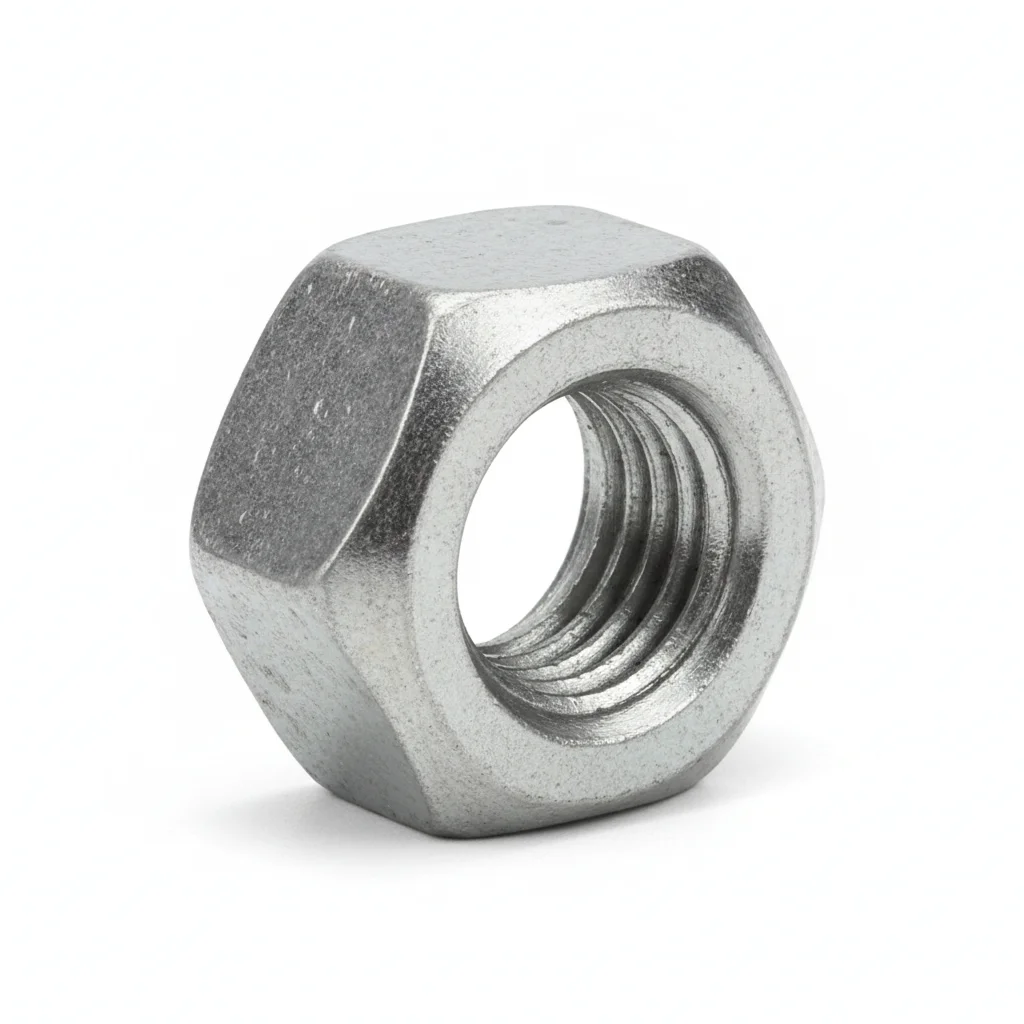
| Heavy Hex Bolt | Heavy Hex Nut | Flat Washer | Wedge Lock Washer | Inspection and Maintenance Toolkit | |
|---|---|---|---|---|---|
| SPEC | M36×260 ~ M48×360 | M36 ~ M48 | M36 ~ M48 | NL36 ~ NL48 | Matching |
| MATERIAL | 42CrMoA + Hot-dip galvanizing + Dacromet + sealant layer | 35CrMoA + Hot-dip galvanizing + Dacromet + sealant layer | 45# steel + Hot-dip galvanizing + Dacromet | Carbon steel hardened + Dacromet | — |
| GRADE | Grade 10.9 | Grade 10 | — | — | — |
| FINISH | Zinc-nickel+PTFE,-50°C rated,≥15μm | Zinc-nickel+PTFE,-50°C rated | Zinc-nickel+PTFE,-50°C rated | Zinc-nickel+PTFE+topcoat | VCI packaging, calibrated per ISO 6789 |
| CORROSION | C5-M(ISO 12944-2) | C5-M(ISO 12944-2) | C5-M(ISO 12944-2) | C5-M(ISO 12944-2) | Not applicable (toolkit) |
| TEMP | -50°C to +60°C | -50°C to +60°C | -50°C to +60°C | -50°C to +60°C | -50°C to +60°C storage |
| WEIGHT | ~2.5kg(M36×260) | ~0.8kg(M36) | ~0.15kg(M36) | ~0.08kg(NL36) | ~15 kg/kit |
| MOQ | 50 pcs | 50 pcs | 100 pcs | 100 pcs | 1 kit |
| PACK | VCI+heated storage crate | Plastic bag,50/bag | Plastic bag,100/bag | Plastic bag,100/bag | Pelican case, foam-lined, vacuum-sealed |
| STD | ISO 898-1 10.9,DNV-ST-0126 | ISO 898-2 Cl.10 | ISO 7089 | EN 14399-6 | ISO 6789, DNV-ST-0126 |
| USE | Main tower flange connection | Used with bolts | Distribute flange face pressure | Anti-loosening | Periodic torque verification |
PROCEDURE
- Warm the flange area to at least +5°C before beginning assembly in arctic conditions.
- Use duplex stainless bolts with low-temperature-rated anti-seize designed for -50°C.
- Tighten in a star pattern with extended relaxation—wait 30 minutes between passes at sub-zero temperatures.
- Re-tension all bolts after 24 hours and re-check 100% after the first winter storm.
- Install bolt tension monitoring washers on 25% of bolts for remote preload tracking.
COMMON ERRORS
| ✕ WRONG | CONSEQUENCE | ✓ CORRECT |
|---|---|---|
| Assembling bolts below -10°C without pre-heating | Thermal contraction leads to 15-20% tension loss at -40°C, risking loosening under ice-induced vibration. | Pre-heat flange to +5°C minimum and use low-temperature anti-seize with extended relaxation between passes. |
| Applying standard Dacromet coating in C5-M arctic service | Thermal cycling microcracks the coating, allowing saltwater crevice corrosion under the bolt head. | Specify duplex stainless or 316L with zinc-nickel+PTFE topcoat; avoid Dacromet offshore. |
MAINTENANCE
Monitor remote DTI readings quarterly; conduct a physical inspection annually during the 8-week summer window. Replace bolts showing more than 10% tension loss. Perform full ultrasonic testing every two years at ambient temperatures of at least -20°C, documenting per DNV-ST-0126. Keep an emergency spare kit of 10% of total bolts on the platform.
SPEC MATRIX
Product Specifications Covered for This Scenario
Specifications from the Yaxiio product catalog. Weights are theoretical calculated values.
| DIA | LENGTH | MATERIAL | GRADE | FINISH | SKU | UNIT WEIGHT |
|---|---|---|---|---|---|---|
| M12 | 30, 35, 40, 45, 50, 60, 70, 80 | Alloy Steel | 10.9S | Black Oxide | 8 | 42–86 g |
| M16 | 40–120 (10 sizes) | Alloy Steel | 10.9S | Black Oxide | 10 | 98–220 g |
| M20 | 45–160 (11 sizes) | Alloy Steel | 10.9S | Black Oxide | 11 | 180–460 g |
| M24 | 50–200 (12 sizes) | Alloy Steel | 10.9S | Black Oxide | 12 | 300–830 g |
| M30 | 60–240 (12 sizes) | Alloy Steel | 10.9S | Black Oxide | 12 | 570–1500 g |
REFERENCED STANDARDS
Technical Basis and Reference Standards
SUPPLIER CAPABILITY
Quality, Delivery & Customization
Quality Control
- ✓MTC material certificates with every batch
- ✓Key parts sampled for hardness/salt spray/torque coefficient
- ✓100% inspection or AQL sampling before shipment
Delivery
- ✓Standard parts made to order: 7-15 days
- ✓Custom parts: 25-45 days
- ✓FOB/CIF/DDP supported
Customization
- ✓Drawing review and material matching
- ✓Non-standard sizes/heads/threads
- ✓Small-batch prototyping supported
Certification
- ✓Material certificates (MTC)
- ✓Spectrographic analysis reports
- ✓Salt spray test reports (on request)
MOQ: No MOQ for standard parts; custom parts assessed by process complexity
FAQ
Frequently Asked Questions
BEYOND TECHNICAL SPECS
Finding the right factory, controlling quality, delivering on time — that's the real challenge. We cover fasteners, rubber, plastics, industrial textiles. One team, end to end.
SEE CAPABILITIES →