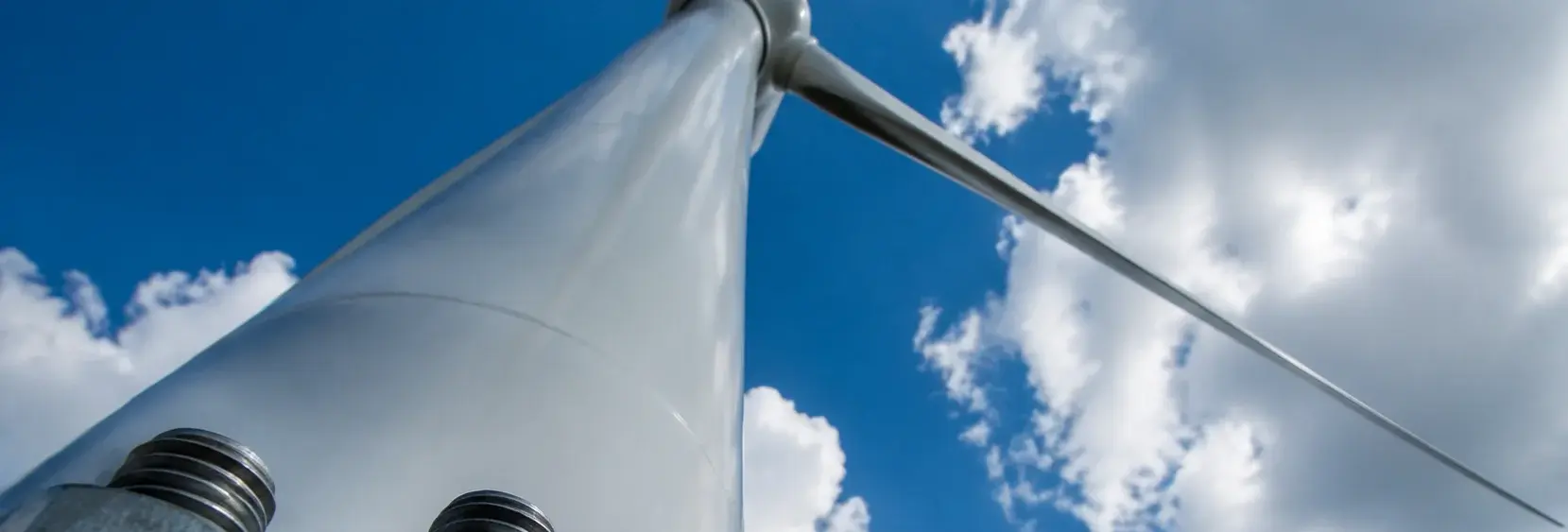
Tower Ladder Bolts: Material and Anti-Loosening Comparison
Tower ladder bolts face condensation, vibration, and salt exposure. Choosing between 304, 316, and 316L affects SCC risk, fatigue life, and maintenance frequency. This page compares material grades, anti-loosening features, and inspection intervals for inland, coastal, and offshore wind farms.
RISK AUDIT // ENGINEERING DIAGNOSIS
Procurement Pitfall Guide
"Common failure modes in tower ladder fastening systems"
QC-AUDIT // REV.5
SCALE 1:1 · 03 ITEMS
RISK-01
Stress Corrosion Cracking of Stainless Steel Bolts in Tower Condensate
Corrective Measures
RISK-02
Fatigue Fracture of Ladder Brackets Under Tower Vibration
Corrective Measures
RISK-03
Difficult Maintenance of Ladder Bolts – High Risk of High-Altitude Work Inside Tower
Corrective Measures
FIELD-SPECIFIC INSIGHT
Key Differences Between 304, 316, and 316L for Tower Ladder Bolts
The main engineering difference is stress corrosion cracking (SCC) resistance in condensate + chloride environments. 304 is adequate for C3 inland with low condensation, but in coastal C4-C5 or offshore, 316 or 316L is required to avoid SCC. Additionally, anti-loosening features (nylon lock nut vs wedge lock washer) affect preload retention under tower vibration.
WHAT TO CHECK
- 1304 (A2-70): Suitable for C3 inland, ≤120m tower, low condensation. Risk of SCC in coastal or high-humidity environments.
- 2316 (A4-70): Required for C4-C5 coastal <5km. Better SCC resistance; use with nylon lock nut for anti-loosening.
- 3316L (A4-80 Dacromet): For offshore C5-M, >120m tower. Lowest SCC risk; wedge lock washer provides full-life anti-loosening.
- 4Anti-loosening: Nylon lock nut (Plan B) vs wedge lock washer (Plan C) — wedge lock washer maintains preload under vibration without retorquing.
- 5Maintenance interval: Plan A annual torque check; Plan B quarterly; Plan C monthly winter inspection for ice damage.
| Check | Why it matters | What to specify |
|---|---|---|
| Material Grade | Determines SCC resistance in condensate + chloride. 304 can crack in coastal environments. | Specify 316 or 316L for coastal/offshore; 304 only for inland C3 with low condensation. |
| Anti-loosening Feature | Tower vibration (0.2-0.5Hz) causes preload loss without locking. | Use nylon lock nut (Plan B) or wedge lock washer (Plan C); avoid plain washers. |
| Surface Finish | Passivation (ASTM A967) removes free iron, improves corrosion resistance. | Require passivation per ASTM A967; bright finish for inland, Dacromet for offshore. |
| Torque Specification | Under-torqued bolts lose preload faster; over-torqued may strip threads. | Specify torque per plan: 40-50 Nm (Plan A), 35-45 Nm (Plan B), 50-60 Nm (Plan C); calibrate wrench. |
| Inspection Interval | Longer intervals increase risk of undetected fatigue fracture or SCC. | Annual for inland; quarterly for coastal; monthly winter inspection for offshore. |
All torque values and maintenance intervals are based on the page's Plan A/B/C specifications. For site-specific conditions, consult the turbine OEM.
Evidence level: source-page-only
INDUSTRY TECH REFERENCE
Ladder Bolt Materials by Corrosion Environment
Humidity and condensation are the norm inside the tower — tier ladder-bolt material by corrosivity, and inland versus offshore differ completely in grade and life expectation.
| Site | Corrosivity class | Small-part material | Design life | Notes |
|---|---|---|---|---|
| Inland wind farm | C3–C4 | 304 or hot-dip galvanized | 20–25 years | Humidity and vibration dominate; ladder bolts M10–M16 are maintained as high-altitude parts |
| Coastal / offshore wind farm | C5-M/CX | 316L/2205 | 25–30 years | Chloride deposition starts at ISO 9223 class S2 (60–300 mg/m²·day); hot-dip zinc ≥85 μm lasts only about 5–8 years (magnitude estimate) |
Design life is an industry magnitude; the 5–8-year offshore hot-dip zinc life is a magnitude estimate; corrosivity class and chloride deposition follow ISO 9223.
INDUSTRY TECH REFERENCE
The Cost of One High-Altitude Service Visit Decides the Choice
What a ladder bolt is worth depends on the cost of fixing it at height — shutdown, a work platform, and waiting on weather.
- Ladder-bolt maintenance happens at 80–100 m up the tower, and offshore work waits for a wave-height window below 1.5 m (magnitude estimate) — every visit carries a shutdown cost
- The tower has 4–6 sections and the ladder runs the full height — one bad section takes the whole ladder out of service
- Design life: 20–25 years onshore, 25–30 years offshore (industry magnitude) — choose material and locking for the full life, not the first-fit price
- Humidity and vibration are the default duty inside the tower — the money saved on the bolt choice now comes back with interest at the next high-altitude rework
The 1.5 m wave-height window is a magnitude estimate; 80–100 m is the KB service-height figure; design life is an industry magnitude.
INDUSTRY TECH REFERENCE
From Pitting to Stress-Corrosion Cracking: The Invisible Crack
On coasts and offshore, stainless bolts are not threatened by uniform rust but by cracks growing out of pits. The chain runs like this:
- 1Airborne chloride deposition starts at ISO 9223 class S2 (60–300 mg/m²·day)
- 2Chlorides pit the stainless surface
- 3High preload plus corrosion → stress-corrosion cracking (SCC): brittle fracture below yield stress, the most dangerous, without warning
- 4Gaps are worst: micro-gaps on flange faces plus seawater → deoxygenated, acidified crevices — even 316L pits
- 5Prevention: move up to 316L/2205, and rely on scheduled PT/UT sampling in service — do not wait for a visible crack
The 60–300 mg/m²·day chloride deposition is a KB-sourced ISO 9223 figure (revised 2026-08-12), not a magnitude estimate.
PLAN COMPARISON
Three-Plan Core Parameter Comparison
Compare row by row. Click column headers to jump to plan details.
| A · Plan A · Inland Wind Farm Standard Configuration | B · Plan B · Coastal Wind Farm Corrosion Protection Configuration | C · Plan C · Offshore Wind Farm / Full-Life Maintenance-Free | |
|---|---|---|---|
| 1. LADDER FIXING BOLT | |||
| SPEC | M10-M16 | M10-M16 | M10-M20 |
| MATERIAL | 304 Stainless Steel | 316 Stainless Steel | 316L Stainless Steel |
| GRADE | A2-70 GB/T 5783 | A4-70 | A4-80 Dacromet |
| FINISH | Passivated (ASTM A967), bright | Passivated (ASTM A967) | Passivated (ASTM A967) |
| 2. CONNECTING NUT | |||
| SPEC | M10-M16 | M10-M16 | NL10-NL20 |
| MATERIAL | 304 Stainless Steel | 316 Stainless Steel | 316L |
| GRADE | GB/T 6170 | GB/T 6170 | Dacromet |
| FINISH | Passivated (ASTM A967) | Passivated (ASTM A967) | Passivated (ASTM A967) |
| 3. FLAT WASHER | |||
| SPEC | M10-M16 | M12-M20 | M12-M20 |
| MATERIAL | 304 Stainless Steel | 304 + Nylon Insert | 316L Stainless Steel |
| GRADE | GB/T 97.1 | GB/T 889.1 | A4-80 |
| FINISH | Passivated (ASTM A967) | Passivated (ASTM A967) | Passivated (ASTM A967) |
| 4. LADDER BRACKET BOLT | |||
| SPEC | M12-M20 | M12-M20 | 500g/can |
| MATERIAL | 304 Stainless Steel | 316 Stainless Steel | Nickel-based Anti-Seize |
| GRADE | A2-70 GB/T 5783 | GB/T 97.1 | Temperature resistant -40~800°C |
| FINISH | Passivated (ASTM A967) | Passivated (ASTM A967) | Passivated (ASTM A967) |
SELECTION GUIDE
Not sure?
| Operating condition | Recommended option | Key basis |
|---|---|---|
| Inland wind farm, C3, tower height ≤120m, low condensation | Plan A: 304 stainless A2-70 (GB/T 5783) bolts + connecting nuts + flat washers | ISO 3506 / GB/T 5783 |
| Coastal wind farm, C4-C5, offshore <5km | Plan B: 316 stainless A4-70 bolts + nylon insert lock nut (GB/T 889.1) | ISO 3506 / GB/T 889.1 |
| Offshore platform, C5-M, tower height >120m, -40~60°C, ice accumulation risk | Plan C: 316L stainless A4-80 Dacromet bolts + wedge lock washers (NL10-NL20) + Mo anti-seize | ISO 3506 / EN 1993-1-4 |
| Tower sway 0.2-0.5Hz, preload decay >30% within 6-12 months | Use nylon lock nut or wedge lock washer; avoid plain washers | EN 14399 |
| Torque control to avoid under- or over-torque | Apply per-plan torque: Plan A 40-50 Nm, Plan B 35-45 Nm, Plan C 50-60 Nm; calibrate wrench | EN 14399 |
| Inspection frequency to detect fatigue fracture or SCC | Inland annual torque check; coastal quarterly; offshore monthly winter inspection (ice damage) | per-plan maintenance intervals |
Plan A · Inland Wind Farm Standard Configuration
C3 Inland, -30~50°C, tower internal, low condensation
REF: IEC 61400-6, ISO 3506-1, EN 1090-2
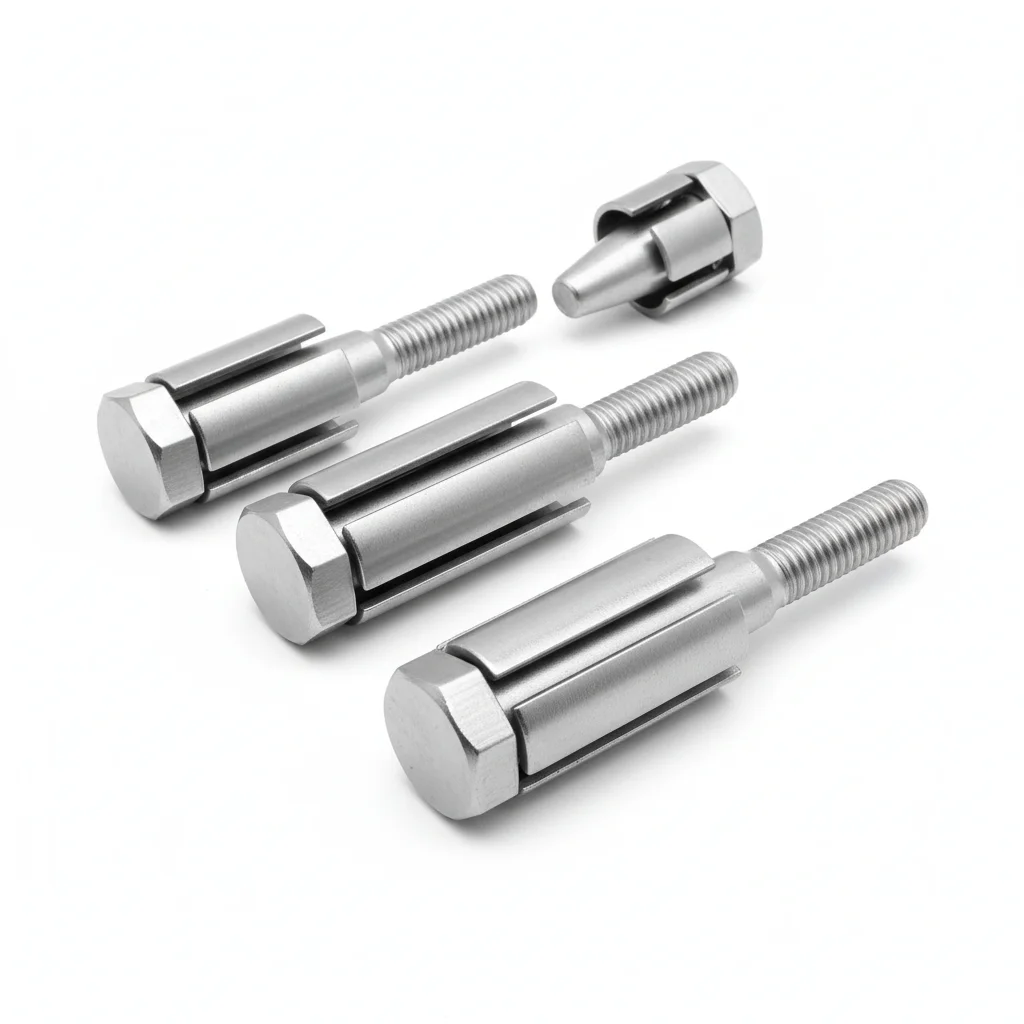
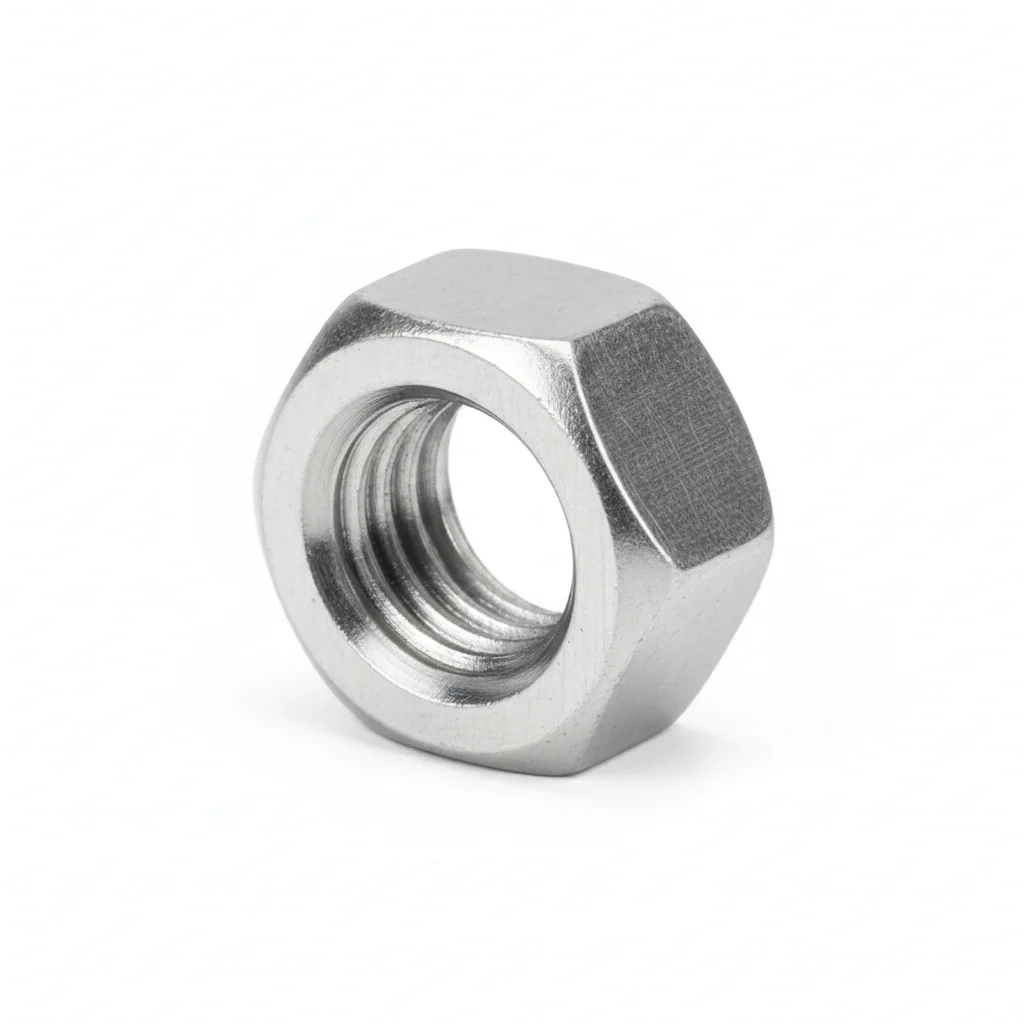
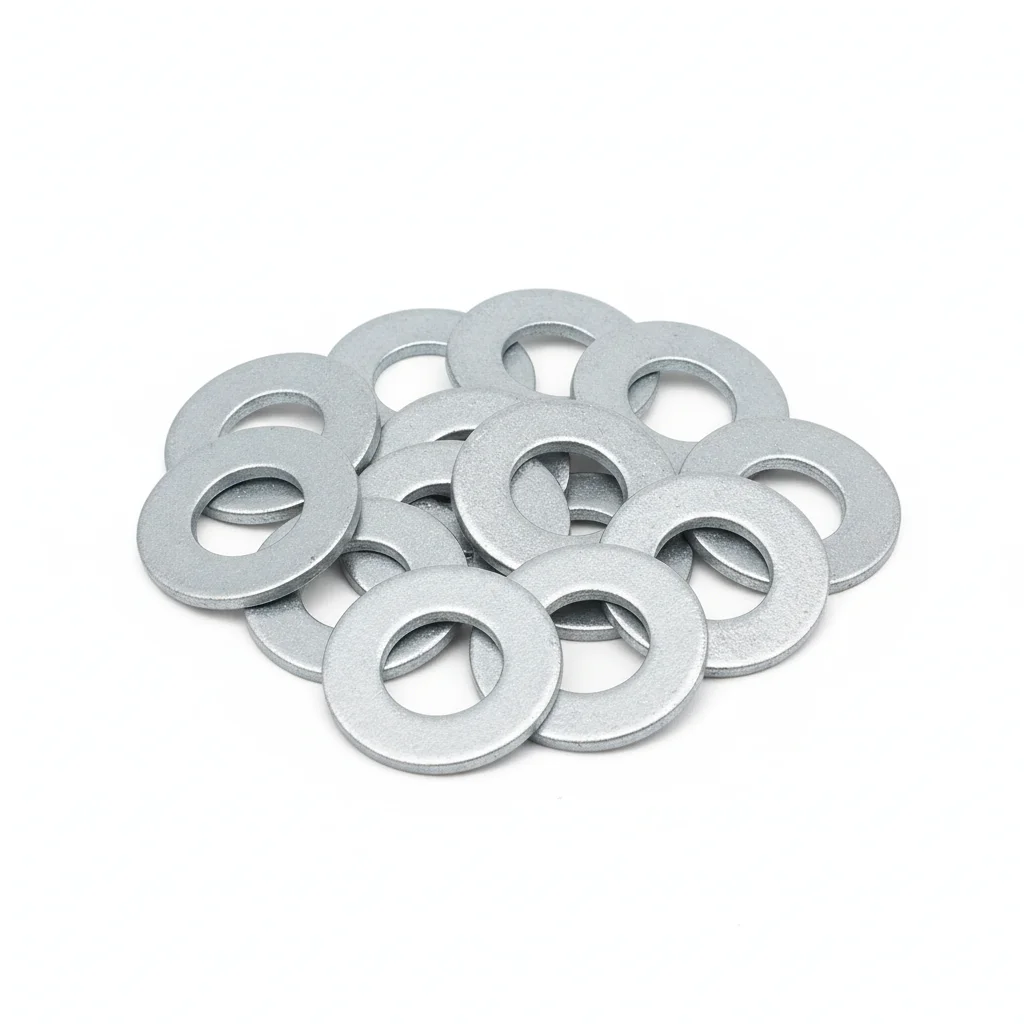
| Ladder Fixing Bolt | Connecting Nut | Flat Washer | Ladder Bracket Bolt | |
|---|---|---|---|---|
| SPEC | M10-M16 | M10-M16 | M10-M16 | M12-M20 |
| MATERIAL | 304 Stainless Steel | 304 Stainless Steel | 304 Stainless Steel | 304 Stainless Steel |
| GRADE | A2-70 GB/T 5783 | GB/T 6170 | GB/T 97.1 | A2-70 GB/T 5783 |
| FINISH | Passivated (ASTM A967), bright | Passivated (ASTM A967) | Passivated (ASTM A967) | Passivated (ASTM A967) |
| CORROSION | C3 (ISO 12944-2) | C3 (ISO 12944-2) | C3 (ISO 12944-2) | C3 (ISO 12944-2) |
| TEMP | -30°C to +80°C | -30°C to +80°C | -30°C to +80°C | -30°C to +80°C |
| WEIGHT | ~0.12 kg (M12×35) | ~0.05 kg (M12) | ~0.02 kg (M12) | ~0.15 kg (M16×40) |
| MOQ | 500 pcs | 500 pcs | 1000 pcs | 200 pcs |
| PACK | Plastic bag, 100/bag | Plastic bag, 200/bag | Plastic bag, 500/bag | Plastic bag, 100/bag |
| STD | ISO 3506-1 A2-70 | ISO 3506-2 A2-70 | ISO 7089 | ISO 3506-1 A2-70 |
| USE | Ladder to bracket connection | Used with bolts | Distribute bolt pressure | Bracket to tower wall connection |
PROCEDURE
- Mark bracket positions on tower wall. Spacing 250-300mm. First bracket 400mm above platform.
- Drill holes, clean with compressed air. Apply LOCTITE 243 to bolt threads.
- Install brackets with M12 A2-70 bolts. Torque 40-50 Nm. Do NOT exceed — 304 galls easily.
- Mount ladder sections. Align rungs with laser. Adjust shims for ±1mm verticality.
- Install anti-sway stabilizers every 6m. Verify no tower wall contact under 50kg lateral load.
COMMON ERRORS
| ✕ WRONG | CONSEQUENCE | ✓ CORRECT |
|---|---|---|
| Exceeding torque on 304 stainless bolts | 304 galls and seizes. Bolt snaps when tower sways. Fall hazard for climbers. | Max 40-50 Nm for 304. Use LOCTITE 243. Replace bolt if resistance increases. |
| Mounting without verifying wall thickness | Bolts bottom out or fail to engage. Ladder detaches under climber weight. | Measure wall thickness at every bracket. Thread engagement ≥1.5× bolt diameter. |
MAINTENANCE
Annual: climb full tower height (≤120m), check 100% bracket bolts with torque wrench calibrated to ±4%. Replace any bolt below 80% of specified 40-50Nm torque. Check for crevice corrosion at 50× magnification — replace if orange/brown staining exceeds 2mm diameter. Replace rungs with >10% cross-section loss. Every 3yr or 50 climb cycles: replace all anti-sway stabilizer bushings. Max ladder load: 120kg (1 person + 30kg tools).
Plan B · Coastal Wind Farm Corrosion Protection Configuration
C4 offshore, -20~60°C, salt-laden atmosphere, tower internal
REF: IEC 61400-3, ISO 3506-1, EN 1090-2
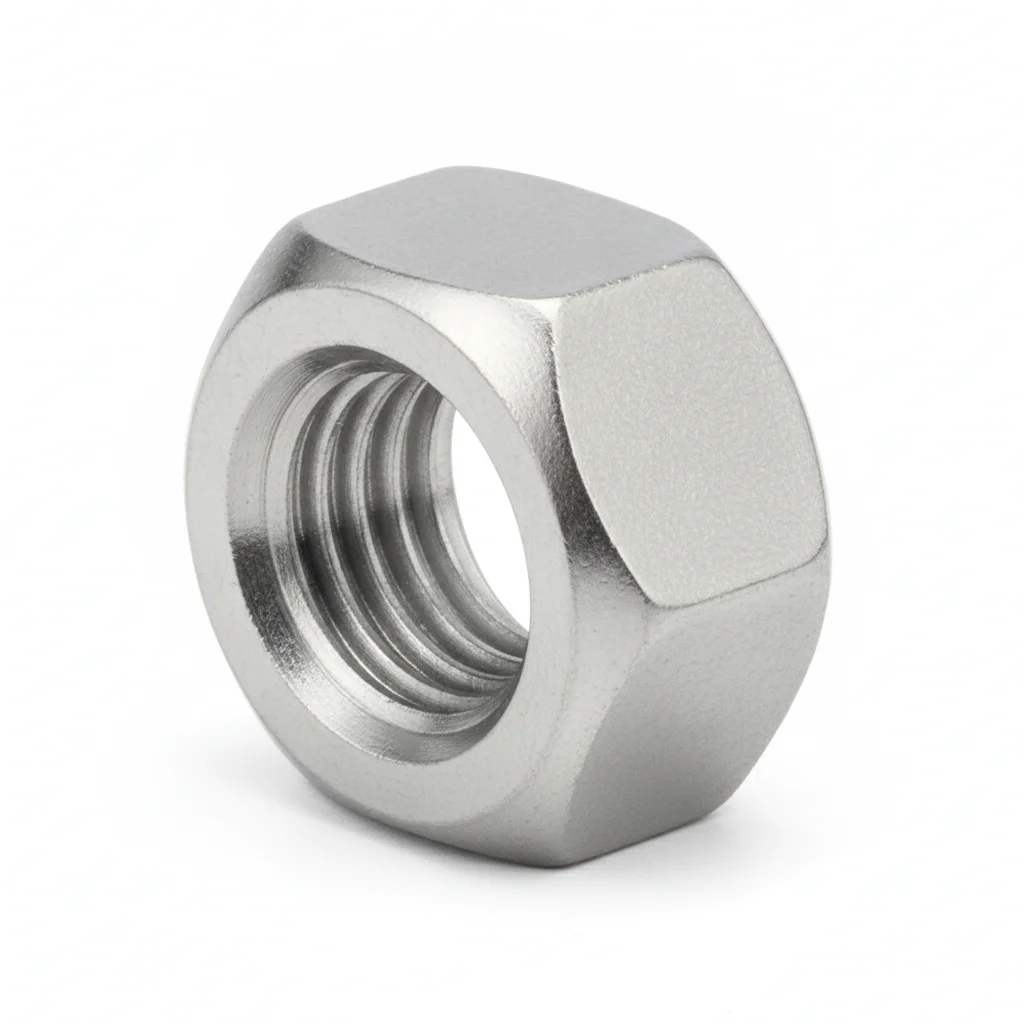
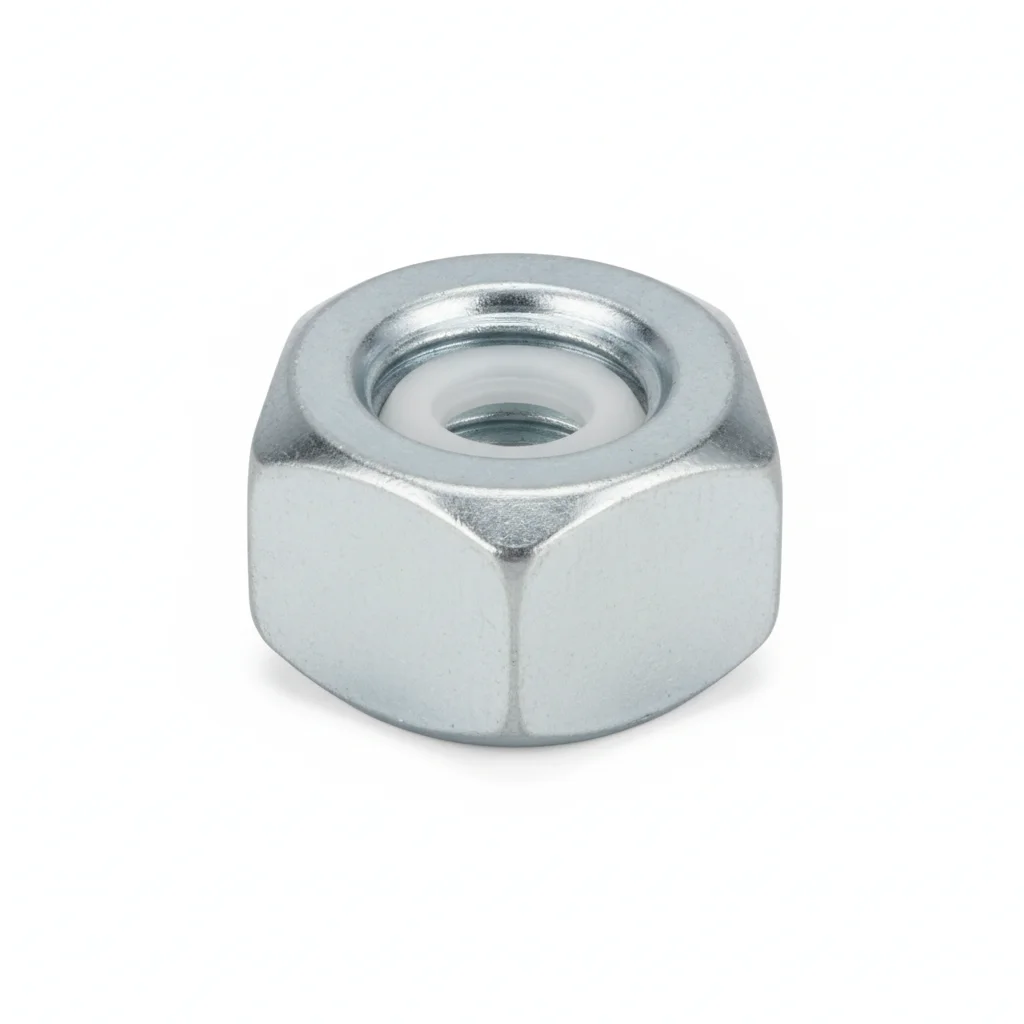
| Ladder Fixing Bolt 316 | Connecting Nut | Nylon Insert Lock Nut | Anti-Loosen Flat Washer | |
|---|---|---|---|---|
| SPEC | M10-M16 | M10-M16 | M12-M20 | M12-M20 |
| MATERIAL | 316 Stainless Steel | 316 Stainless Steel | 304 + Nylon Insert | 316 Stainless Steel |
| GRADE | A4-70 | GB/T 6170 | GB/T 889.1 | GB/T 97.1 |
| FINISH | Passivated (ASTM A967) | Passivated (ASTM A967) | Passivated (ASTM A967) | Passivated (ASTM A967) |
| CORROSION | C3 (ISO 12944-2) | C3 (ISO 12944-2) | C3 (ISO 12944-2) | C3 (ISO 12944-2) |
| TEMP | -30C to +80C | -30C to +80C | -30C to +80C | -30C to +80C |
| WEIGHT | ~0.1 kg | ~0.1 kg | ~0.1 kg | ~0.1 kg |
| MOQ | 500 pcs | 500 pcs | 500 pcs | 500 pcs |
| PACK | Plastic bag | Plastic bag | Plastic bag | Plastic bag |
| STD | ISO 3506-1 A2-70 | ISO 3506-1 A2-70 | ISO 3506-1 A2-70 | ISO 3506-1 A2-70 |
| USE | Coastal environment ladder connection | Used with 316 bolts | Bracket bolt anti-loosening | Used with lock nuts |
PROCEDURE
- Lay out bracket positions per tower drawings; for coastal sites keep spacing at 250–300 mm and set the first bracket 400 mm above the platform.
- Drill holes using cobalt bits to handle the harder 316 material; blow out dust and swarf before assembly.
- Coat each 316 bolt thread with Tef-Gel anti-seize to prevent galling in the chloride-rich coastal air.
- Set the bracket with A4-70 bolts and torque to 35–45 Nm—do not exceed this range for 316.
- Align ladder sections and check rung verticality to ±1 mm with a laser level.
- Fit anti-sway stabilizers at 4 m intervals (tighter than inland) and verify no contact with the tower wall under a 50 kg lateral load.
COMMON ERRORS
| ✕ WRONG | CONSEQUENCE | ✓ CORRECT |
|---|---|---|
| Using 304 stainless bolts for coastal tower ladders | Crevice corrosion initiates at the bracket–bolt interface within months; bolts seize and can shear during removal, creating a fall hazard. | Specify 316 (A4-70) for every fastener in the ladder system and coat threads with Tef-Gel before insertion. |
| Keeping 6 m anti-sway spacing as used inland | Excessive ladder vibration in coastal storms accelerates fatigue and can compromise crew safety during access. | Reduce anti-sway stabilizer spacing to 4 m and use vibration-dampening bushings to control movement. |
MAINTENANCE
Quarterly visual checks of all brackets during scheduled turbine maintenance; annually verify torque on 100% of bolts and replace any that fall below 80% of the 35–45 Nm spec. Replace bolts showing orange/brown staining larger than 1 mm. Every two years replace all bushings and a rotating 25% sample of bolts. Offshore inspections require a two-person team with harnesses and are limited to sea states with significant wave height up to 2.5 m.
Plan C · Offshore Wind Farm / Full-Life Maintenance-Free
C5-M offshore arctic, -40~60°C, ice accumulation risk
REF: IEC 61400-3, DNV-ST-0126, ISO 3506-1
| Ladder Fixing Bolt | Wedge Lock Washer Anti-Loosen Washer | Ladder Bracket Bolt | Molybdenum Alloy Anti-Seize Compound | |
|---|---|---|---|---|
| SPEC | M10-M20 | NL10-NL20 | M12-M20 | 500g/can |
| MATERIAL | 316L Stainless Steel | 316L | 316L Stainless Steel | Nickel-based Anti-Seize |
| GRADE | A4-80 Dacromet | Dacromet | A4-80 | Temperature resistant -40~800°C |
| FINISH | Passivated (ASTM A967) | Passivated (ASTM A967) | Passivated (ASTM A967) | Passivated (ASTM A967) |
| CORROSION | C3 (ISO 12944-2) | C3 (ISO 12944-2) | C3 (ISO 12944-2) | C3 (ISO 12944-2) |
| TEMP | -30C to +80C | -30C to +80C | -30C to +80C | -30C to +80C |
| WEIGHT | ~0.1 kg | ~0.1 kg | ~0.1 kg | ~0.1 kg |
| MOQ | 500 pcs | 500 pcs | 500 pcs | 500 pcs |
| PACK | Plastic bag | Plastic bag | Plastic bag | Plastic bag |
| STD | ISO 3506-1 A2-70 | ISO 3506-1 A2-70 | ISO 3506-1 A2-70 | ISO 3506-1 A2-70 |
| USE | Offshore wind farm + full-life no replacement | Replace all spring washers | Offshore bracket connection | Thread pre-coating to prevent galling |
PROCEDURE
- For arctic offshore towers, select duplex stainless (UNS S32205) for all ladder hardware to resist chloride SCC and low-temperature embrittlement.
- Pre-heat each mounting zone to at least +5°C before drilling to avoid work-hardening the duplex material.
- Apply a low-temperature anti-seize compound to every thread to prevent galling during installation and later disassembly.
- Torque duplex bolts to 50–60 Nm using a calibrated wrench; verify each joint with a torque audit.
- Mount heated anti-sway stabilizers and confirm each draws 2–4 A to prevent ice buildup on moving parts.
- Install an ice shield above the ladder to deflect falling ice and protect rungs and bolts from impact damage.
COMMON ERRORS
| ✕ WRONG | CONSEQUENCE | ✓ CORRECT |
|---|---|---|
| Using standard ladder hardware in arctic offshore conditions | Ice accumulation on rungs can add 50–100 kg of static load, and combined with personnel weight can overload bolts and cause sudden failure. | Use duplex stainless hardware, install heated stabilizers and ice shields, and derate the ladder capacity by 30% to account for ice loads. |
| Applying inland inspection intervals in arctic offshore service | Ice can build between inspections, adding 50–100 kg to the ladder; a bent rung may go unnoticed and fail under load, leading to a fall. | Conduct monthly winter inspections and replace any deformed rung within 24 hours; verify heated stabilizers draw 2–4 A and keep 20% spare parts on-platform. |
MAINTENANCE
During winter months (Nov–Mar) inspect monthly for ice damage and replace any bent rung within 24 hours. Each summer perform a 100% bolt torque check and replace any bolt below 80% of the 50–60 Nm spec. Verify heated stabilizers draw 2–4 A per unit. Every two years replace all hardware regardless of condition and maintain a 20% spare parts inventory in a heated on-platform container. Inspections must not be conducted below -25°C.
SUPPLIER CAPABILITY
Quality, Delivery & Customization
Quality Control
- ✓MTC material certificates with every batch
- ✓Key parts sampled for hardness/salt spray/torque coefficient
- ✓100% inspection or AQL sampling before shipment
Delivery
- ✓Standard parts made to order: 7-15 days
- ✓Custom parts: 25-45 days
- ✓FOB/CIF/DDP supported
Customization
- ✓Drawing review and material matching
- ✓Non-standard sizes/heads/threads
- ✓Small-batch prototyping supported
Certification
- ✓Material certificates (MTC)
- ✓Spectrographic analysis reports
- ✓Salt spray test reports (on request)
MOQ: No MOQ for standard parts; custom parts assessed by process complexity
FAQ
FAQ
RELATED READING
Keep Reading & Next Step
BEYOND TECHNICAL SPECS
Finding the right factory, controlling quality, delivering on time — that's the real challenge. We cover fasteners, rubber, plastics, industrial textiles. One team, end to end.
SEE CAPABILITIES →