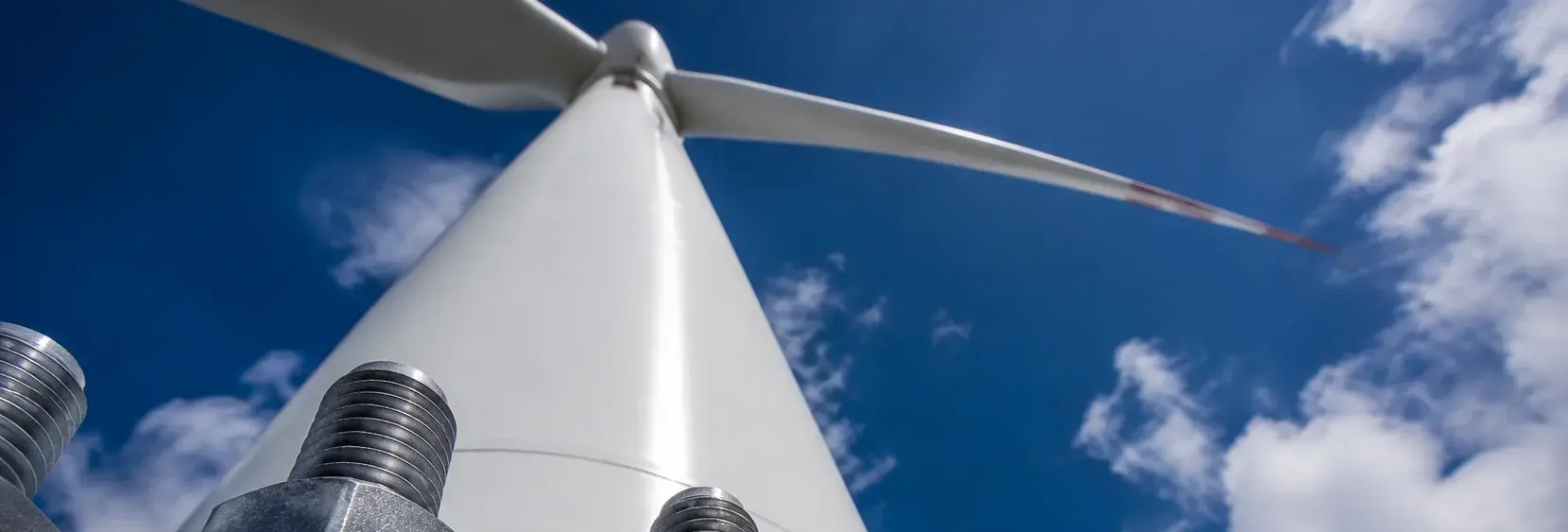
Tower Louver Hardware: Compare Plans for Inland, Desert, Offshore
Tower louvers protect transformers and control cabinets from overheating, birds, and sand. Loose screws, wrong mesh size, or corrosion cause equipment failure. Compare three hardware configurations: standard aluminum for inland, double-seal with fine mesh for desert, and 316L stainless for offshore. Each plan includes fixing screws, insect screens, sealing strips, and maintenance procedures
RISK AUDIT // ENGINEERING DIAGNOSIS
Procurement Pitfall Guide
"Louver hardware failures on wind towers often trace back to three recurring specification mistakes."
QC-AUDIT // REV.5
SCALE 1:1 · 03 ITEMS
RISK-01
Louver fixing screws loosen and fall off under tower low-frequency vibration
Corrective Measures
RISK-02
Insect screen mesh size too large, fails to block fine sand and small insects
Corrective Measures
RISK-03
Aluminum louvers corrode and perforate in marine salt spray environments
Corrective Measures
FIELD-SPECIFIC INSIGHT
Louver Hardware Selection: 3 Key Checks Before You Specify
The louver assembly is a ventilation component, but its hardware—fixing screws, insect screen mesh, sealing strip material—determines long-term reliability. The wrong choice leads to screw loosening, sand ingress, or corrosion. Use these checks to match hardware to your wind farm environment
WHAT TO CHECK
- 1Fixing screw material and coating: Inland C3 use 304 A2-70 passivated; offshore C5-M require 316L A4-80 with anti-seize to prevent crevice corrosion
- 2Insect screen mesh count: 20 mesh blocks birds and insects; desert areas need 30 mesh double-layer to stop fine sand
- 3Sealing strip hardness: EPDM Shore A 60 for inland; Shore A 75 for offshore to resist compression set in salt spray
- 4Louver material: 6063-T5 aluminum anodized for C3; 316L stainless electropolished for C5-M to avoid pitting perforation
| Check | Why it matters | What to specify |
|---|---|---|
| Fixing screw grade | Low-grade screws lose preload under tower vibration, causing louver loosening and water ingress | 304 A2-70 for inland; 316L A4-80 for offshore; use PTFE-coated or anti-seize for desert dust |
| Insect screen mesh size | Coarse mesh lets fine sand and small insects through, leading to equipment fouling and ventilation blockage | 20 mesh for standard; 30 mesh double-layer for desert; 316L for offshore |
| Sealing strip material and hardness | Soft EPDM compresses permanently in high heat; hard EPDM resists salt and UV | EPDM Shore A 60 for inland; Shore A 75 for offshore; double-lip design with dust wiper for desert |
| Louver corrosion resistance | Anodized aluminum perforates quickly in C5-M; 316L lasts longer with electropolish | 6063-T5 anodized for C3; 316L electropolished for C5-M |
All hardware must comply with IEC 61400-6 tower design. For offshore, NORSOK M-001 material certification is required. Maintenance intervals vary: annual for inland, semi-annual for desert, quarterly for offshore
Evidence level: source-page-only
INDUSTRY TECH REFERENCE
One Countersunk Screw Breaks — How the Louver Comes Down
A louver hangs on the tower opening, held by a ring of countersunk screws and one sealing strip. Failure starts when preload slips.
- 1Under tower wind loads the fixing screws shed preload at about 5–10% per year (magnitude estimate)
- 2The sealing strip loses its grip on the mounting face as it ages — seals are changed on a 3–5-year cycle (industry practice)
- 3Rainwater starts seeping along the mounting joint into the tower, and the screws sit immersed
- 4Stagnant water in the gap deoxygenates and acidifies, and crevice corrosion sets in — even 316L pits
- 5One screw quietly fails, load transfers instantly to the rest — overload failure, and the whole louver drops; counter: annual inspection and retightening per the OEM manual
The 5–10%/year drop is a magnitude estimate; the 3–5-year seal cycle and annual inspection are industry practice; the crevice-corrosion mechanism is KB-sourced.
INDUSTRY TECH REFERENCE
Louver Screws: Which Finish Keeps Hydrogen Out
Hydrogen embrittlement in louver screws tracks strength grade and coating process. Run this table before choosing offshore finishes.
| Finish | Hydrogen risk | Where it fits | Key rule |
|---|---|---|---|
| Hot-dip galvanizing | The pickling step drives hydrogen into the steel | Not for high-strength parts (grade 10.9 and above); not for offshore small parts | Delayed brittle fracture under high preload, without warning |
| Dacromet (Delta is the same family) | Non-electrolytic coating — no hydrogen pickup | Main corrosion system for wind fasteners and small parts | Fine for inland C3–C4; add heavy-duty protection offshore |
| Dehydrogenation after plating | Risk remains if not thorough | Wherever zinc or plating is unavoidable | Grade 10.9 and above must be dehydrogenated: 200°C for 4 hours or more |
| Bare stainless (A2/A4) | No hydrogen pickup from a coating | Inland 304 (A2), offshore 316L (A4) | Watch crevice corrosion; wrong lubrication still loses preload control |
Grade 10.9, 200°C-for-4-hours dehydrogenation, and Dacromet's non-electrolytic hydrogen-free nature are KB-sourced; A2/A4 property classes are public ISO 3506 terminology.
INDUSTRY TECH REFERENCE
Louver Small Parts: Acceptance and Inspection Criteria
A louver is not a big part, but failing at height is a big incident. Run these four checks at acceptance and inspection.
- Check small parts against the site tier: 304/hot-dip zinc inland, 316L/2205 offshore — verify screws, washers, and retainers together
- Fix the corrosivity class first: C3–C4 inland, C5-M/CX offshore — no zinc washers under C5-M
- Put the mounting sealing strip on a 3–5-year replacement cycle — aged rubber is the rainwater entrance
- Run the inspection rhythm off the OEM manual: annual inspection plus retightening is standard industry practice
The 3–5-year seal cycle and annual inspection-plus-retightening are industry practice; corrosivity classes and small-part materials are KB-sourced.
PLAN COMPARISON
Three-Plan Core Parameter Comparison
Compare row by row. Click column headers to jump to plan details.
| A · Plan A · Standard Ventilation for Inland Wind Farms | B · Plan B · Fine Sand Protection for Desert/Gobi Wind Farms | C · Plan C · Maximum Protection for Offshore Wind Farms | |
|---|---|---|---|
| 1. ALUMINUM LOUVER | |||
| SPEC | Custom Size (width × height × depth) | Custom (width × height × depth) | Custom, Double Seal (width × height × depth) |
| MATERIAL | 6063-T5 Aluminum | EPDM Rubber | 316L Stainless Steel (UNS S31603 / 1.4404) |
| GRADE | Anodized ≥15μm | Anodized ≥15μm + brush seal | Electropolished, Ra ≤0.8μm |
| FINISH | Anodized (AA15), clear or bronze | Anodized (AA15) + outward-facing nylon brush seal | Electropolished per ASTM B912, Ra ≤0.8μm, passivated per ASTM A967 |
| 2. INSECT SCREEN | |||
| SPEC | 20 Mesh (0.9mm aperture) | 30 Mesh, 0.6mm Aperture (double-layer: 30 + 12 mesh) | 20 Mesh (0.9mm aperture) |
| MATERIAL | 304 Stainless Steel (UNS S30400) | 304 Stainless Steel (UNS S30400) | 316L Stainless Steel (UNS S31603 / 1.4404) |
| GRADE | Plain weave, natural finish | Plain weave, natural finish | Electropolished, plain weave |
| FINISH | Natural (mill finish) | Natural (mill finish) | Electropolished per ASTM B912 |
| 3. COUNTERSUNK FIXING SCREW | |||
| SPEC | M6×16mm | M6×16mm | M6×16mm |
| MATERIAL | 304 Stainless Steel (UNS S30400) | 304 Stainless Steel (UNS S30400) | 316L Stainless Steel (UNS S31603 / 1.4404) |
| GRADE | A2-70 (ISO 3506-1) | A2-70 (ISO 3506-1) | A4-80 (ISO 3506-1) |
| FINISH | Passivated | Passivated + PTFE anti-dust coating | Electropolished + nickel-based anti-seize pre-applied |
| 4. SEALING STRIP | |||
| SPEC | Custom profile (consult for section drawing) | Custom profile (double-lip design with dust wiper) | Custom profile |
| MATERIAL | EPDM Rubber | EPDM Rubber | EPDM Rubber |
| GRADE | Shore A 60±5, black | Shore A 60±5, black | Shore A 75±5, black |
| FINISH | Smooth, self-adhesive backing (3M™ VHB™ optional) | Smooth, self-adhesive backing | Smooth, self-adhesive backing (silicone-free) |
| 5. FLAT WASHER | |||
| SPEC | M10-M12 | DN10 Quick Connector (ISO 6150 B-profile) | M10-M12 |
| MATERIAL | 304 Stainless | 304 Stainless Steel | 304 Stainless |
| GRADE | A2 | Natural, electropolished bore | A2 |
| FINISH | Passivated | Natural (outer), electropolished (bore) | Passivated |
SELECTION GUIDE
How to Choose a Louver Plan?
| Operating condition | Recommended option | Key basis |
|---|---|---|
| Inland plains / gentle hills, C3 (ISO 12944-2) | Plan A: 6063-T5 aluminum louver (anodized ≥15μm) + 304 stainless 20-mesh screen + A2-70 countersunk screws + EPDM Shore A 60 | GB/T 5237 / ISO 3506 |
| Gobi/desert, frequent sandstorms (sand 0.05-0.5mm, sandstorm ≥25m/s) | Plan B: double-seal louver + 30-mesh fine screen (0.6mm aperture, 30+12 double-layer) + compressed air cleaning port | IEC 61400-6 / GB/T 5237 |
| Offshore platform, C5-M, salt spray ≥1000mg/m²·day, ≤70m/s wind | Plan C: full 316L stainless louver (electropolished Ra≤0.8μm) + A4-80 countersunk screws + EPDM Shore A 75 | ISO 3506 / IEC 61400-6 |
| Fixing screw preload loss under tower low-frequency sway 0.2-0.5Hz | 304 A2-70 countersunk screws (M6-M8) + nylon lock nuts + wedge lock washers; torque M6 6-8 Nm | ISO 3506 / GB/T 3098.6 |
| Fine sand and insects pass through coarse mesh | Desert: 30-mesh double-layer (0.6mm) to block fine sand; standard inland/offshore: 20-mesh (0.9mm) | Plan B fine-screen spec: 30+12 mesh double-layer |
| Sealing strip heat/salt/UV aging and compression set | EPDM Shore A 60 for inland; EPDM Shore A 75 for offshore; double-lip design with dust wiper for desert | Plan sealing-strip material specs (Shore A 60/75) |
Plan A · Standard Ventilation for Inland Wind Farms
C3 Inland, -30~50°C, ≤50m/s wind
REF: IEC 61400-6, GB/T 5237.2, ISO 3506-1
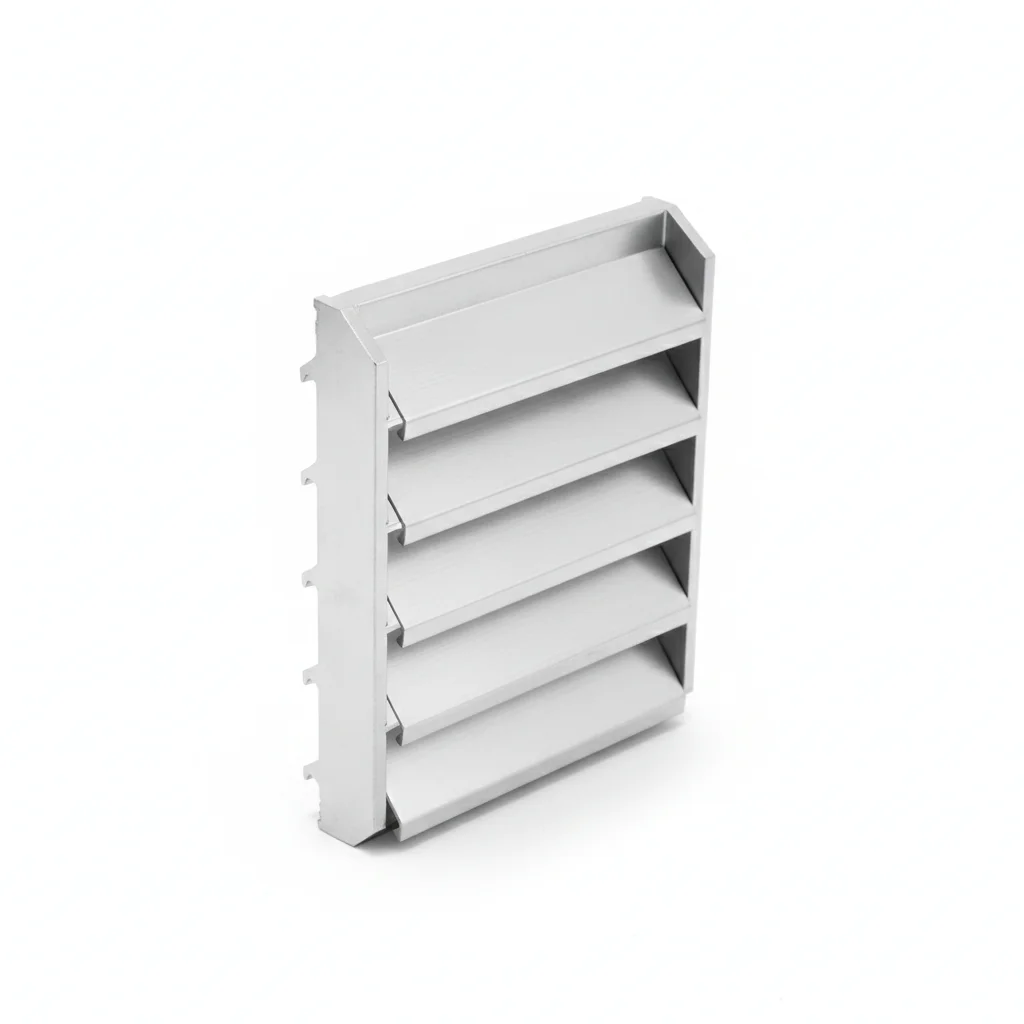
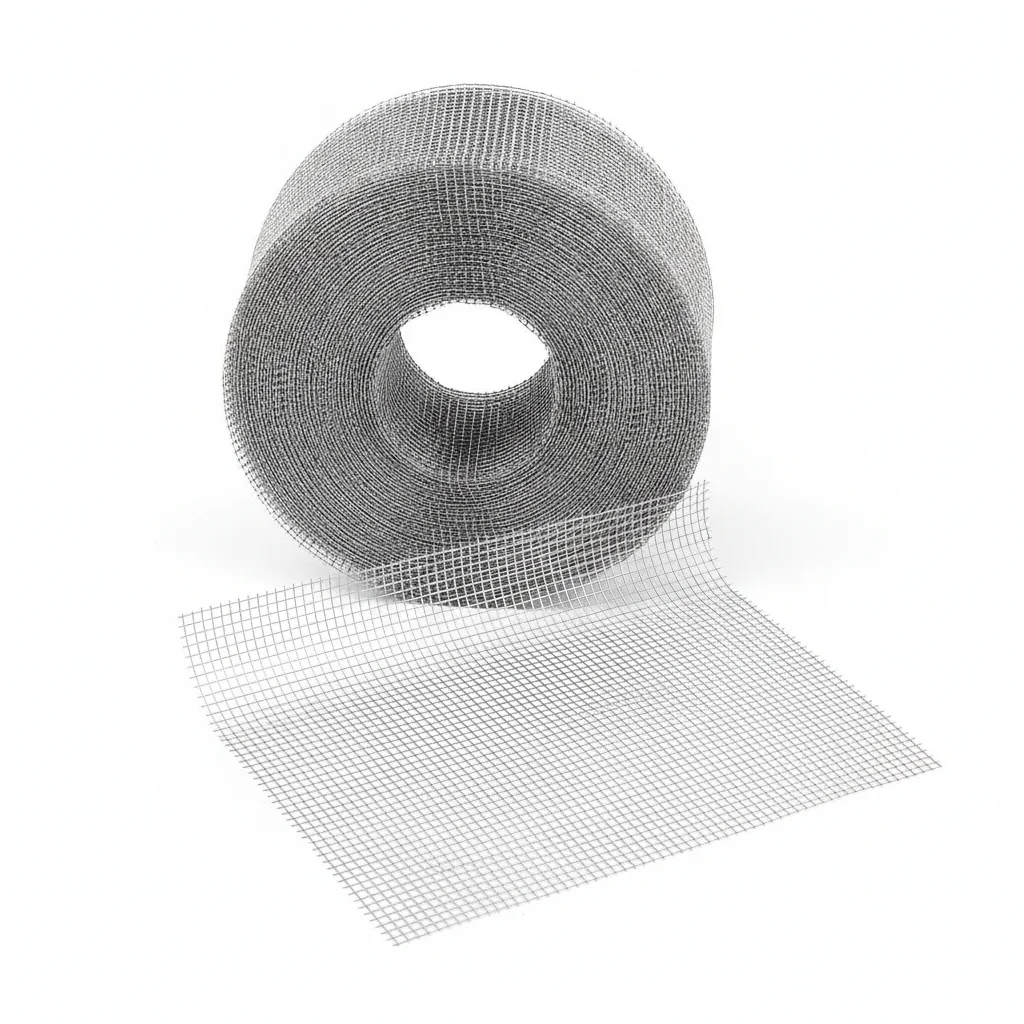
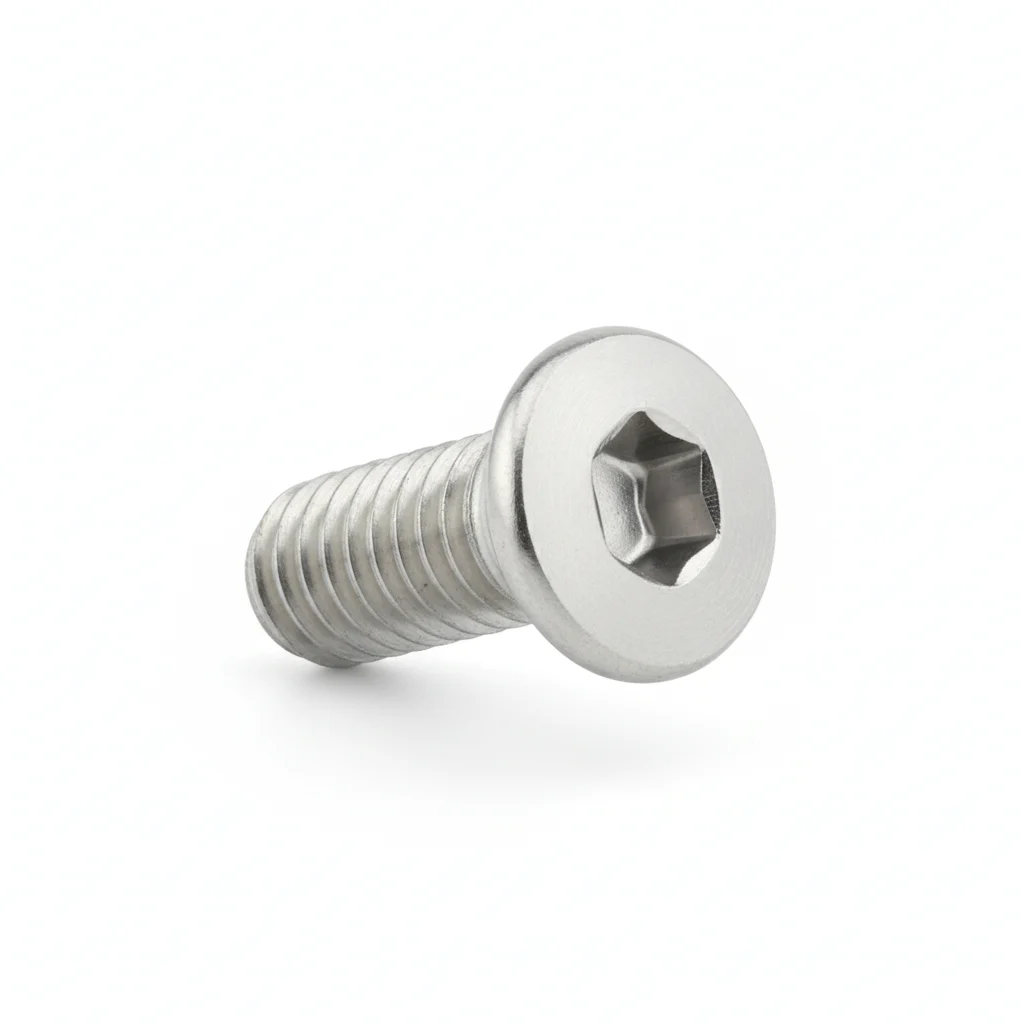
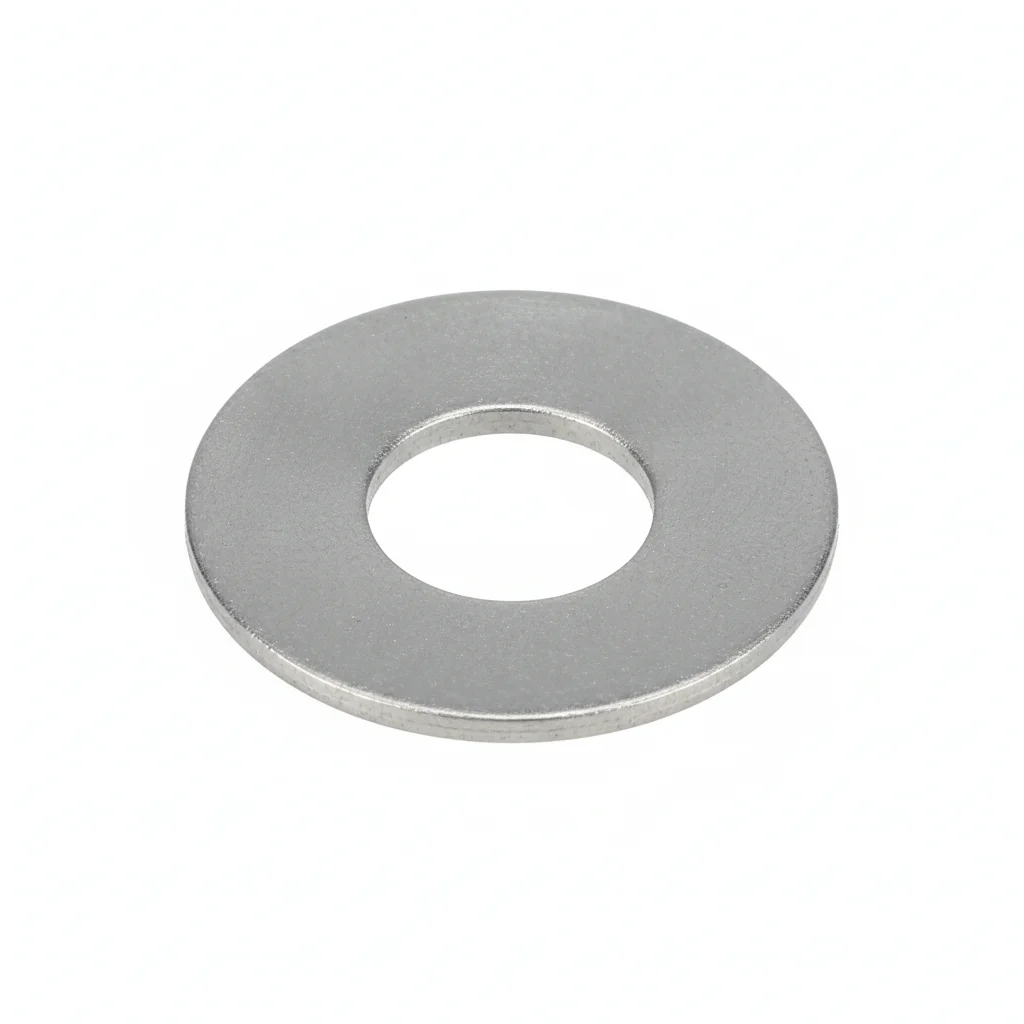
| Aluminum Louver | Insect Screen | Countersunk Fixing Screw | Sealing Strip | Flat Washer | |
|---|---|---|---|---|---|
| SPEC | Custom Size (width × height × depth) | 20 Mesh (0.9mm aperture) | M6×16mm | Custom profile (consult for section drawing) | M10-M12 |
| MATERIAL | 6063-T5 Aluminum | 304 Stainless Steel (UNS S30400) | 304 Stainless Steel (UNS S30400) | EPDM Rubber | 304 Stainless |
| GRADE | Anodized ≥15μm | Plain weave, natural finish | A2-70 (ISO 3506-1) | Shore A 60±5, black | A2 |
| FINISH | Anodized (AA15), clear or bronze | Natural (mill finish) | Passivated | Smooth, self-adhesive backing (3M™ VHB™ optional) | Passivated |
| CORROSION | C3 (ISO 12944-2) | C3 (ISO 12944-2) | C3 (ISO 12944-2) | Not applicable (polymer) | C3 (ISO 12944-2) |
| TEMP | -30°C to +50°C | -30°C to +80°C | -40°C to +85°C | -40°C to +120°C | -20°C to +80°C |
| WEIGHT | ~1.2 kg/m² | ~0.3 kg/m² | ~6.5 g/piece | ~0.15 kg/m | ~0.005kg |
| MOQ | 10 m² | 5 rolls (1.2m × 30m/roll) | 1,000 pieces | 100 m | 500 pcs |
| PACK | Wooden crate, 2–4 units/crate | Kraft paper roll, individually wrapped | Plastic bag, 100 pcs/bag, 10 bags/carton | Coil, 25m/coil, PE film wrapped | Plastic bag |
| STD | GB/T 5237.2, ISO 7599 | ISO 9044, ASTM E2016 | ISO 3506-1, DIN 7991 | GB/T 18173.4, ASTM D1056 2A2 | ISO 7089 |
| USE | Tower ventilation opening protection | Insect and bird intrusion prevention | Louver frame fixing to tower flange | Louver-to-tower-flange waterproof sealing | Load distribution |
PROCEDURE
- Angle louver blades downward 15–30° to shed rainwater; on windward tower faces, reduce blade pitch by 20% to cut driven-rain entry.
- Secure the louver frame to the tower flange with M6×16mm countersunk bolts at 200–250mm spacing. Torque each bolt to 8–10 N·m with a calibrated wrench. Use nylon insert lock nuts – plain nuts with spring washers are not acceptable.
- Wipe the mounting surface with isopropyl alcohol, then apply the EPDM sealing strip, compressing it to 25–30% of original thickness. Avoid silicone sealant – it degrades EPDM.
- Stretch the insect screen taut and clamp with 304 stainless steel bars and self-tapping screws spaced ≤150mm. Trim excess mesh and deburr edges.
- Verify airflow direction and frame tightness with a smoke or tissue-paper test after mounting.
COMMON ERRORS
| ✕ WRONG | CONSEQUENCE | ✓ CORRECT |
|---|---|---|
| Over-compressing the EPDM strip beyond 50% to force a seal | The EPDM takes a permanent set within months, opening gaps that admit rainwater into the tower. | Compress EPDM to 25–30% of original thickness; verify with a feeler gauge after bolt tightening. |
| Substituting plain hex nuts with spring washers for lock nuts | Tower vibration at 0.2–0.5 Hz loosens the nut in 3–6 months, letting the louver rattle or detach. | Fit nylon insert lock nuts (DIN 985) over a flat washer, torque to spec, and mark with torque seal paint. |
| Securing the insect screen with nylon cable ties | UV degrades the ties within a year; the screen sags or detaches, allowing birds entry. | Use 304 stainless clamping bars with M4 self-tapping screws at ≤150mm intervals. |
MAINTENANCE
Inland wind farms: inspect annually, blowing dust from inside out with compressed air. Re-torque any bolt that reads below 80% of specified torque. Check sealing strip for cracks or permanent set; replace if hardened. Patch or replace insect screen sections with holes larger than 5mm. Clean louvers with mild detergent and a soft brush—never a pressure washer, which damages the anodized coating.
Plan B · Fine Sand Protection for Desert/Gobi Wind Farms
C3 Arid desert/Gobi: -30~55°C, sandstorms ≥25m/s, fine sand 0.05-0.5mm
REF: IEC 61400-1, GB/T 5237.2, ISO 9044
| Aluminum Louver (Double Seal) | Fine Mesh Stainless Steel Insect Screen | Countersunk Fixing Screw | Sealing Strip | Compressed Air Dust Cleaning Tube | |
|---|---|---|---|---|---|
| SPEC | Custom (width × height × depth) | 30 Mesh, 0.6mm Aperture (double-layer: 30 + 12 mesh) | M6×16mm | Custom profile (double-lip design with dust wiper) | DN10 Quick Connector (ISO 6150 B-profile) |
| MATERIAL | EPDM Rubber | 304 Stainless Steel (UNS S30400) | 304 Stainless Steel (UNS S30400) | EPDM Rubber | 304 Stainless Steel |
| GRADE | Anodized ≥15μm + brush seal | Plain weave, natural finish | A2-70 (ISO 3506-1) | Shore A 60±5, black | Natural, electropolished bore |
| FINISH | Anodized (AA15) + outward-facing nylon brush seal | Natural (mill finish) | Passivated + PTFE anti-dust coating | Smooth, self-adhesive backing | Natural (outer), electropolished (bore) |
| CORROSION | Not applicable (polymer) | C3 (ISO 12944-2) | C3 (ISO 12944-2) | Not applicable (polymer) | C3 (ISO 12944-2) |
| TEMP | -30°C to +55°C | -30°C to +80°C | -30°C to +80°C | -30°C to +120°C | -30°C to +80°C |
| WEIGHT | ~1.5 kg/m² | ~0.5 kg/m² (double-layer) | ~6.5 g/piece | ~0.18 kg/m | ~0.3 kg/set (incl. mounting bracket) |
| MOQ | 10 m² | 5 rolls (1.2m × 30m/roll) | 1,000 pieces | 100 m | 10 sets |
| PACK | Wooden crate with desiccant pack, 2 units/crate | Kraft paper roll, individually wrapped | Plastic bag, 100 pcs/bag, 10 bags/carton | Coil, 25m/coil, PE film wrapped | PE bag, 1 set/bag, with dust cap installed |
| STD | GB/T 5237.2, IEC 60529 IP5X (dust-protected) | ISO 9044, ASTM E2016-20 | ISO 3506-1, DIN 7991 | GB/T 18173.4 | ISO 6150, GB/T 14525 |
| USE | Enhanced sealing in sandy areas | Block fine sand (≥0.05mm) and flying insects | Louver frame fixing to tower flange — sand-resistant | Louver-to-flange waterproof + dust sealing | Convenient for blowing dust from inside out during inspections |
PROCEDURE
- Position the double-seal louver so the brush seal faces outward—it intercepts coarse sand before it reaches the lip seal; check full-perimeter contact of both seals.
- Fit the 30-mesh (0.6mm) outer screen for sand and the 12-mesh inner layer for support; clamp both together with a single set of bars.
- Mount the DN10 quick-connect fitting on the inside frame, route 8mm nylon tubing down to 1.2–1.5m above the platform, and cap the fitting when not in use.
- Use 304 stainless fasteners at minimum; for areas with pH <5 rainfall, upgrade exposed screws to 316L.
- Pressurize the tower to +50 Pa for 5 minutes; verify pressure drop stays within 10 Pa to confirm double-seal integrity.
COMMON ERRORS
| ✕ WRONG | CONSEQUENCE | ✓ CORRECT |
|---|---|---|
| Using a single-layer 20-mesh screen in a desert location | Fine sand (0.05–0.5mm) passes through, depositing 2–3mm on transformer fins in one season and cutting cooling efficiency by 30–40%. | Use 30-mesh (0.6mm) minimum, double-layered with a 12-mesh inner support. |
| Leaving the compressed air fitting uncapped between cleanings | Sand and insects enter, clogging the quick-connect valve and causing it to seize. | Install a spring-loaded self-sealing dust cap (ISO 6150 B-profile) and inspect the cap seal annually. |
| Using only a single lip seal without a brush pre-filter | Coarse sand (1–3mm) abrades the lip seal within 2–3 years, creating leak paths for fine sand. | Use a double-seal configuration: outward-facing brush seal as pre-filter plus inward-facing lip seal as primary barrier. |
MAINTENANCE
Semi-annual inspection after each sandstorm season (typically March–April and September–October). Blow dust from inside out with compressed air at max 0.6 MPa to avoid mesh damage. Replace brush seal if bristle height drops below 50% of original. Check double-seal compression with a feeler gauge. Flush the quick-connect fitting with air before connecting the hose. Replace the insect screen if more than 5% of mesh openings are enlarged by sand abrasion.
Plan C · Maximum Protection for Offshore Wind Farms
C5-M Offshore: -20~60°C, ≤70m/s wind, salt spray ≥1000mg/m²·day
REF: IEC 61400-3 (offshore), NORSOK M-001, ISO 3506-1
| Louver | Insect Screen | Countersunk Screw | Sealing Strip | Flat Washer | |
|---|---|---|---|---|---|
| SPEC | Custom, Double Seal (width × height × depth) | 20 Mesh (0.9mm aperture) | M6×16mm | Custom profile | M10-M12 |
| MATERIAL | 316L Stainless Steel (UNS S31603 / 1.4404) | 316L Stainless Steel (UNS S31603 / 1.4404) | 316L Stainless Steel (UNS S31603 / 1.4404) | EPDM Rubber | 304 Stainless |
| GRADE | Electropolished, Ra ≤0.8μm | Electropolished, plain weave | A4-80 (ISO 3506-1) | Shore A 75±5, black | A2 |
| FINISH | Electropolished per ASTM B912, Ra ≤0.8μm, passivated per ASTM A967 | Electropolished per ASTM B912 | Electropolished + nickel-based anti-seize pre-applied | Smooth, self-adhesive backing (silicone-free) | Passivated |
| CORROSION | C5-M (ISO 12944-2), PREN ≥24 | C5-M (ISO 12944-2) | C5-M (ISO 12944-2) | Not applicable (polymer) | C3 (ISO 12944-2) |
| TEMP | -20°C to +60°C | -20°C to +80°C | -20°C to +85°C | -20°C to +200°C | -20°C to +80°C |
| WEIGHT | ~2.8 kg/m² (316L density ~8.0 g/cm³) | ~0.35 kg/m² | ~6.6 g/piece | ~0.22 kg/m | ~0.005kg |
| MOQ | 5 m² | 3 rolls (1.2m × 30m/roll) | 500 pieces | 50 m | 500 pcs |
| PACK | VCI (volatile corrosion inhibitor) film + wooden crate, desiccant pack, individually sealed | VCI film + Kraft paper roll | VCI bag, 50 pcs/bag, 10 bags/VCI-lined carton | VCI film + coil, 25m/coil | Plastic bag |
| STD | ASTM A240/A240M, NORSOK M-001, EN 10204 3.1 | ISO 9044, ASTM E2016-20, NORSOK M-001 | ISO 3506-1, DIN 7991, NORSOK M-650 | ASTM D2000 M2HK7, NORSOK M-710 | ISO 7089 |
| USE | Offshore platform C5-M environment | Offshore platform bird and insect prevention | Offshore louver fixing — all positions | Offshore louver-to-flange salt-spray sealing | Load distribution |
PROCEDURE
- Verify 316L (UNS S31603) material certificates (3.1 per EN 10204) for every heat number—mixing 304 and 316L in the same assembly risks galvanic corrosion in salt-laden air.
- Electropolish all 316L surfaces to Ra ≤0.8μm after fabrication to remove embedded iron and create a passive layer that resists chloride pitting.
- Install FKM (Viton™) sealing strips—not EPDM—compressed to 20–25% of original thickness; FKM is stiffer and withstands salt spray, UV, and ozone better.
- Use 316L A4-80 fasteners, apply nickel-based marine anti-seize to threads, and torque M6 bolts to 8–10 N·m without exceeding (316L has lower yield than carbon steel).
- Run a positive pressure test at +100 Pa with soap solution around all seals and fasteners; document torque and seal continuity for the classification society (DNV/ABS/BV).
COMMON ERRORS
| ✕ WRONG | CONSEQUENCE | ✓ CORRECT |
|---|---|---|
| Using 304 stainless fasteners in a C5-M offshore environment | 304 fasteners crevice-corrode within 6–12 months under salt spray; threads seize and shear during removal, requiring destructive extraction. | Specify 316L (1.4404) A4-80 minimum, electropolished, with nickel-based anti-seize on all threads. |
| Using EPDM sealing strips offshore instead of FKM | EPDM absorbs salt and swells, losing 40% of compression set within 2 years, opening joints to salt-laden mist that corrodes electrical terminals. | Use FKM (Viton™) strips rated for -20°C to +200°C with proven resistance to salt spray, UV, and ozone. |
| Skipping electropolishing and using as-welded or pickled-only 316L | Surface-embedded iron from fabrication tools initiates pitting corrosion within weeks of offshore exposure. | Electropolish to Ra ≤0.8μm and verify freedom from surface iron with a ferroxyl test (ASTM A380) on random samples. |
MAINTENANCE
Quarterly inspection aligned with scheduled turbine maintenance (access is costly). Examine louver surfaces with a 10× magnifier; replace any component with a pit deeper than 0.5mm. Check FKM seal compression with a feeler gauge—replace if compression set exceeds 30%. Inspect fastener heads for crevice corrosion, replacing any with orange/brown staining. Clean insect screens with fresh water (not seawater) and a soft brush to remove salt deposits. Re-apply nickel-based anti-seize to accessible fastener threads annually.
SUPPLIER CAPABILITY
Quality, Delivery & Customization
Quality Control
- ✓MTC material certificates with every batch
- ✓Key parts sampled for hardness/salt spray/torque coefficient
- ✓100% inspection or AQL sampling before shipment
Delivery
- ✓Standard parts made to order: 7-15 days
- ✓Custom parts: 25-45 days
- ✓FOB/CIF/DDP supported
Customization
- ✓Drawing review and material matching
- ✓Non-standard sizes/heads/threads
- ✓Small-batch prototyping supported
Certification
- ✓Material certificates (MTC)
- ✓Spectrographic analysis reports
- ✓Salt spray test reports (on request)
MOQ: No MOQ for standard parts; custom parts assessed by process complexity
FAQ
FAQ
RELATED READING
Keep Reading & Next Step
BEYOND TECHNICAL SPECS
Finding the right factory, controlling quality, delivering on time — that's the real challenge. We cover fasteners, rubber, plastics, industrial textiles. One team, end to end.
SEE CAPABILITIES →